
Can you keep cooked rice at room temperature? The short answer is no, not for more than a couple of hours—especially in warm climates. Rice left out too long can grow harmful bacteria like Bacillus cereus, which causes food poisoning. To stay safe, refrigerate cooked rice within 2 hours of cooking and reheat it thoroughly before eating.
Key Takeaways
- Rice spoilage risk: Cooked rice left at room temperature for over 2 hours can develop Bacillus cereus, a bacterium that produces toxins causing foodborne illness.
- Refrigeration is key: Always store cooked rice in the refrigerator within 2 hours of cooking to slow bacterial growth and extend freshness up to 4 days.
- Proper reheating matters: Reheat rice until steaming hot throughout (at least 165°F or 74°C) to kill any potential bacteria that may have formed.
- Avoid the danger zone: The “danger zone” for food safety is between 40°F and 140°F (4°C to 60°C), where bacteria multiply rapidly.
- Use shallow containers: Cooling rice quickly reduces risk. Store it in shallow, airtight containers to speed up the cooling process.
- Never refreeze cooled rice: Once rice has been refrigerated and thawed, it should be consumed within 3–4 days and not refrozen unless cooked again first.
- Trust your senses: If rice smells sour, slimy, or unusually sticky, discard it—even if it’s still within the recommended time frame.
📑 Table of Contents
- Can You Keep Cooked Rice at Room Temperature?
- Why Is It Dangerous to Leave Cooked Rice at Room Temperature?
- Safety Guidelines for Storing Cooked Rice
- Common Myths About Rice Storage
- Best Practices for Different Types of Rice
- Signs Your Rice Has Gone Bad
- Advanced Tips for Rice Safety
- Conclusion: Protect Yourself Without Sacrificing Flavor
Can You Keep Cooked Rice at Room Temperature?
Imagine this: You’ve just finished a delicious meal with perfectly fluffy jasmine rice or savory brown rice packed with veggies and protein. There’s enough leftovers for tomorrow’s lunch, but instead of rushing to the fridge, you decide to leave it on the counter while you clean up the kitchen. Sound familiar? Many people do this without thinking twice—after all, rice is just rice, right?
Unfortunately, that assumption could be dangerous. While cooked rice looks innocent sitting on the table, it might already be harboring bacteria capable of making you seriously sick. The real concern isn’t spoilage in the traditional sense—it’s something far less obvious: the rapid growth of Bacillus cereus. This bacterium is unique because it doesn’t just sit there; it thrives in starchy environments like cooked rice, especially when kept at room temperature. And here’s the scary part: even after reheating, these bacteria can produce heat-resistant toxins that cooking won’t destroy.
In this article, we’ll break down everything you need to know about safely storing and handling cooked rice. From why room temperature is so risky to smart kitchen hacks that prevent illness, you’ll learn how to enjoy your favorite grain without putting your health on the line. Whether you’re using a rice cooker, stovetop, or microwave, these tips apply everywhere. So grab a cup of coffee, settle in, and let’s get into the nitty-gritty of rice safety—because nobody wants food poisoning from their next stir-fry!
Why Is It Dangerous to Leave Cooked Rice at Room Temperature?
You might wonder: “Why can’t I just leave rice out for a few hours?” After all, bread, pasta, and other foods sit out all day without issue. The difference lies in the type of bacteria that target starch-rich foods like rice.
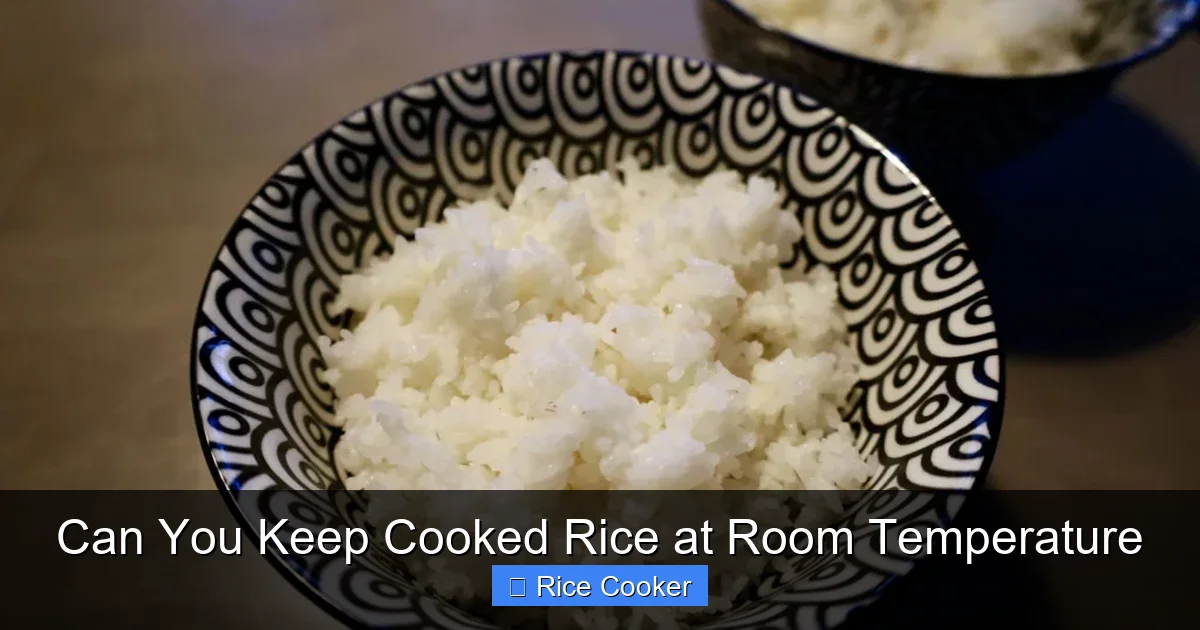
Visual guide about Can You Keep Cooked Rice at Room Temperature
Image source: keepupcooking.com
The Role of Bacillus Cereus
Bacillus cereus is a spore-forming bacterium commonly found in soil and grains. When rice is cooked, especially if it’s rinsed with water containing these spores beforehand, they survive the heat. Unlike many bacteria that die quickly when exposed to high temperatures, B. cereus forms heat-resistant spores that can withstand boiling. That means if you leave cooked rice sitting around, those spores can wake up and multiply—even if you reheat the rice later.
This bacterium produces two types of toxins: one that causes vomiting (called emetic toxin) and another that leads to diarrhea (enterotoxin). Both are linked to improperly stored cooked rice. Symptoms usually appear within 6 to 15 hours after consumption and include nausea, stomach cramps, and vomiting. In rare cases, it can lead to more serious complications, particularly in young children, elderly adults, or those with weakened immune systems.
How Fast Does Bacteria Grow?
Bacteria don’t wait politely for their time slot—they reproduce quickly under ideal conditions. The USDA defines the “danger zone” as temperatures between 40°F and 140°F (4°C to 60°C). Within this range, harmful bacteria can double every 20 minutes. So if you leave a bowl of rice at 80°F (27°C) for just 4 hours, you could go from a small number of bacteria to millions—enough to trigger an infection.
Cooked rice cools slowly on the counter, lingering deep in the danger zone for much longer than you’d expect. A study published in the Journal of Food Protection found that rice cooled from 140°F to 70°F in just 90 minutes when left uncovered—well within unsafe territory.
Other Risks Beyond Bacteria
Beyond microbial threats, leaving rice out also increases exposure to insects, dust, and cross-contamination from unwashed hands or utensils. These aren’t life-threatening, but they degrade quality and increase overall contamination risk.
Safety Guidelines for Storing Cooked Rice
So what should you do instead? Follow these science-backed steps to keep your rice safe and tasty.
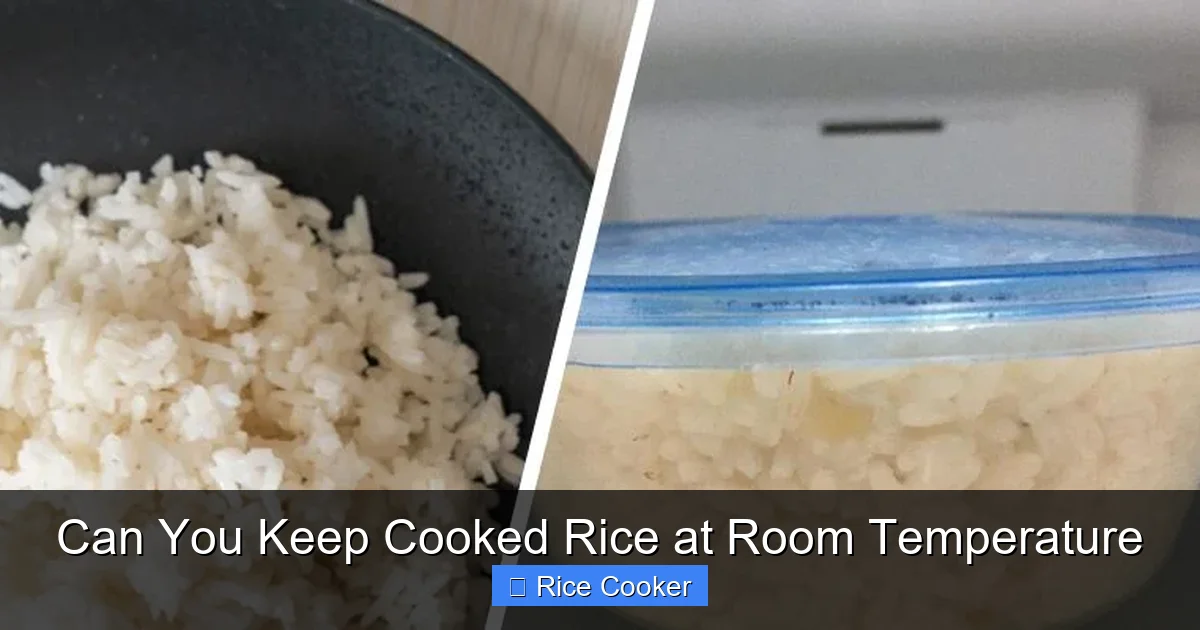
Visual guide about Can You Keep Cooked Rice at Room Temperature
Image source: recipeofbangladesh.com
Refrigerate Within Two Hours
The golden rule: refrigerate cooked rice within 2 hours of cooking, or 1 hour if the room temperature exceeds 90°F (32°C). This applies whether you used a rice cooker, pot on the stove, or microwave. Delaying refrigeration gives bacteria precious extra time to thrive.
If you’re serving rice at a buffet or picnic, use ice packs or chillers to keep it below 40°F during transport and display. Never let it sit out longer than 2 hours total.
Store in Airtight Containers
Transfer rice to shallow, airtight containers immediately after cooking. Shallow containers help rice cool faster by increasing surface area exposed to cooler air—a process called rapid chilling. Glass or BPA-free plastic containers work best; avoid open bowls or uncovered dishes.
Label containers with the date so you know exactly when it was made. Most cooked white rice lasts 3–4 days in the fridge, while brown rice keeps slightly longer due to its higher fat content (though still only 4–6 days max).
Cool Before Refrigerating
Don’t rush the process! Let hot rice come to room temperature for about 30–60 minutes before refrigerating. Placing hot food directly into the fridge raises internal temperature, forcing the appliance to work harder and potentially warming other items inside.
However, never let it sit uncovered during this cooling phase—cover loosely with plastic wrap or foil to prevent drying out while allowing steam to escape.
Reheating Safely
When you’re ready to eat, reheat rice thoroughly until steaming hot throughout. Use a microwave-safe dish, cover it, and stir halfway through cooking. For oven or stovetop reheating, add a splash of water to prevent sticking and ensure even heat distribution.
Always check that the center reaches at least 165°F (74°C). Cold spots mean bacteria survived the reheating process.
Common Myths About Rice Storage
Despite clear guidelines, several myths persist about how to handle cooked rice. Let’s debunk them one by one.
Myth 1: “If I Reheat It, It’s Safe”
Many believe that reheating kills all bacteria, making previously unsafe rice okay to eat. Not true. As mentioned earlier, B. cereus produces toxins that survive normal cooking temperatures. Reheating may kill live bacteria, but if toxins were already formed, they remain active and cause illness.
Myth 2: “Rice Lasts Forever in the Fridge”
While refrigeration slows bacterial growth dramatically, it doesn’t stop it entirely. Over time, texture changes occur—rice becomes dry, chalky, or clumpy. More importantly, old rice loses nutritional value and flavor. Consuming rice older than 4–6 days increases risk, even if it looks fine.
Myth 3: “Freezing Makes Rice Unsafe”
Actually, freezing is a great way to preserve rice for months! Just portion it into freezer bags or containers, squeeze out excess air, and label with dates. Thaw overnight in the fridge before reheating. Freezing halts bacterial growth completely, though texture may soften slightly upon thawing.
Myth 4: “Leftover Rice from Restaurants Is Fine”
Restaurant practices vary widely. Some follow strict protocols; others don’t. Unless you know for certain they refrigerate promptly, treat restaurant leftovers like home-cooked ones: refrigerate within 2 hours and consume within 3–4 days.
Best Practices for Different Types of Rice
Not all rice behaves the same way. Here’s how to handle common varieties safely.
White Rice vs. Brown Rice
Both types carry the same bacterial risks, but brown rice has a shorter shelf life in general due to its natural oils. White rice stores longer because it lacks oil, which can oxidize and spoil over time. However, both require identical safety measures post-cooking.
Sushi Rice Considerations
Sushi rice is often served at warmer-than-room-temperature servings and sometimes mixed with vinegar—which lowers pH and inhibits some bacteria. Still, if sushi rice sits uncovered for over 2 hours, B. cereus can grow. Always refrigerate unused portions promptly, even if meant for raw fish applications.
Instant or Microwave Rice Packets
These convenience foods are pre-portioned and designed for single use. However, once opened and partially eaten, follow standard rules: refrigerate leftovers within 2 hours and consume within 3–4 days. Don’t leave half-eaten packets sitting on the counter.
Signs Your Rice Has Gone Bad
Even with perfect storage, rice can eventually spoil. Watch for these warning signs:
- Off odor: Sour, ammonia-like, or rancid smell indicates spoilage.
- Unusual texture: Sliminess, stickiness, or clumping suggests mold or bacterial activity.
- Discoloration: Dark spots, gray film, or fuzzy patches mean mold growth.
- Hardness: While dryness can happen with age, extreme hardness paired with bad smell is a red flag.
If any of these appear, throw the rice away immediately—don’t taste-test!
Advanced Tips for Rice Safety
Want to take your rice game to the next level? Try these pro-level strategies.
Use a Timer When Cooking Large Batches
If you’re making rice for a crowd, set a timer right after it finishes cooking. Even a 10-minute delay can push you past the 2-hour threshold, especially in warm kitchens.
Invest in a Digital Thermometer
For peace of mind, check that your refrigerator stays at or below 40°F (4°C). A simple digital thermometer placed inside the main compartment ensures consistent cold temperatures.
Practice Batch Cooking Wisdom
Pre-cook rice in bulk for easy meals throughout the week. Portion into meal-prep containers, freeze flat for space-saving, then thaw as needed. This minimizes repeated heating/cooling cycles and keeps safety top of mind.
Educate Your Household
Make rice safety a family habit. Post a quick reminder note near the stove or fridge: “RICE OUT = RUSH TO FRIDGE!” Kids pick up cues fast—teach them early.
Conclusion: Protect Yourself Without Sacrificing Flavor
Now you know the truth behind the question: can you keep cooked rice at room temperature? The honest answer is no—not beyond two hours, and certainly not overnight. But that doesn’t mean you have to give up delicious, convenient meals made with rice. With simple habits like prompt refrigeration, proper container use, and thorough reheating, you can enjoy every bite without worry.
Remember, food safety isn’t about perfection—it’s about consistency. A little extra attention now prevents big regrets later. Whether you love jasmine rice with Thai curry, brown rice salads, or creamy risotto, treat each batch like it’s going into the fridge within reach of time and temperature. Your future self (and your taste buds) will thank you.
Frequently Asked Questions
How long can cooked rice sit at room temperature safely?
Cooked rice should not sit at room temperature for more than 2 hours, or 1 hour if the ambient temperature exceeds 90°F (32°C). Beyond this window, bacteria like Bacillus cereus can multiply rapidly and produce toxins that cause food poisoning.
Can I reheat rice that was left out overnight?
No, it’s not safe. If rice has been left at room temperature for 8+ hours, harmful bacteria likely produced toxins during that time. Reheating won’t eliminate these toxins, so discard the rice to avoid illness.
Is it okay to leave rice out if I’m eating it right away?
If you consume the rice within 1–2 hours of cooking and keep it covered, it’s generally safe. However, for optimal safety and quality, refrigerate or freeze immediately after serving to minimize any risk.
Does type of rice affect how long it can be left out?
No. Both white and brown rice carry the same bacterial risks when stored improperly. The key factor is time and temperature, not variety. Always follow the same 2-hour rule regardless of rice type.
Can freezing rice make it unsafe?
Freezing actually preserves rice safely for months. Just portion it properly, remove excess air, and thaw in the refrigerator before reheating. Freezing stops bacterial growth, unlike room-temperature storage.
What should I do if I accidentally left rice out too long?
Check for signs of spoilage—bad smell, slimy texture, or discoloration. If present, throw it away immediately. If it looks and smells normal, refrigerate it and plan to eat within 24 hours. When in doubt, play it safe and discard it.