
Can you keep rice in a rice cooker? Yes, but only temporarily—ideally within 1–2 hours of cooking. Leaving rice in the rice cooker for too long increases bacterial growth, especially when warm and moist. For safe storage, transfer cooled rice to an airtight container and refrigerate within two hours. Reheat thoroughly before eating to ensure food safety. While convenient, using your rice cooker as a rice warmer isn’t recommended for long-term storage.
Key Takeaways
- Rice cookers are not designed for long-term storage: They lack proper insulation and temperature control needed to safely hold cooked rice for extended periods.
- Keep rice out for no more than 1–2 hours: Bacteria like Bacillus cereus multiply rapidly in the “danger zone” (40°F–140°F), increasing foodborne illness risk.
- Refrigerate promptly after cooking: Transfer rice to an airtight container and store in the refrigerator within two hours to maintain freshness and safety.
- Reheating is essential: Always reheat leftover rice to at least 165°F (74°C) to kill any potential bacteria and restore texture.
- Avoid leaving rice on the “warm” setting overnight: Modern rice cookers may keep food warm for hours, but this doesn’t make it safe for long-term storage.
- Use a separate rice warmer or insulated container for convenience: If you want to keep rice warm without risking spoilage, use a dedicated appliance designed for this purpose.
- Label and consume refrigerated rice within 3–5 days: Freshly cooked rice keeps best in the fridge for up to five days, though freezing extends shelf life significantly.
📑 Table of Contents
- Can You Keep Rice in a Rice Cooker? A Complete Guide to Safe Storage and Reheating
- Understanding Rice Cooker Functionality
- Food Safety Risks of Keeping Rice in a Rice Cooker
- Safe Practices for Storing Rice
- Can You Freeze Rice for Long-Term Storage?
- Reheating Leftover Rice: Tips and Tricks
- Alternative Methods to Keep Rice Warm Without a Rice Cooker
- Common Myths About Rice Storage Debunked
- Tips for Meal Prep with Rice
- Conclusion: Smart Storage Makes All the Difference
Can You Keep Rice in a Rice Cooker? A Complete Guide to Safe Storage and Reheating
Have you ever finished cooking a perfect pot of jasmine rice, only to realize you won’t finish it all in one meal? The temptation to leave it in the rice cooker and serve it later is strong—especially with that handy “keep warm” button. But here’s the truth: can you keep rice in a rice cooker? The short answer is yes… but only for a limited time. And doing so improperly can lead to food safety risks and mushy rice.
In this detailed guide, we’ll explore everything you need to know about storing rice in a rice cooker, from food safety concerns to practical tips for reheating and preserving freshness. Whether you’re meal prepping for the week or just trying to avoid waste, understanding how to handle cooked rice responsibly makes a big difference. Let’s dive in.
Understanding Rice Cooker Functionality
How Rice Cookers Work
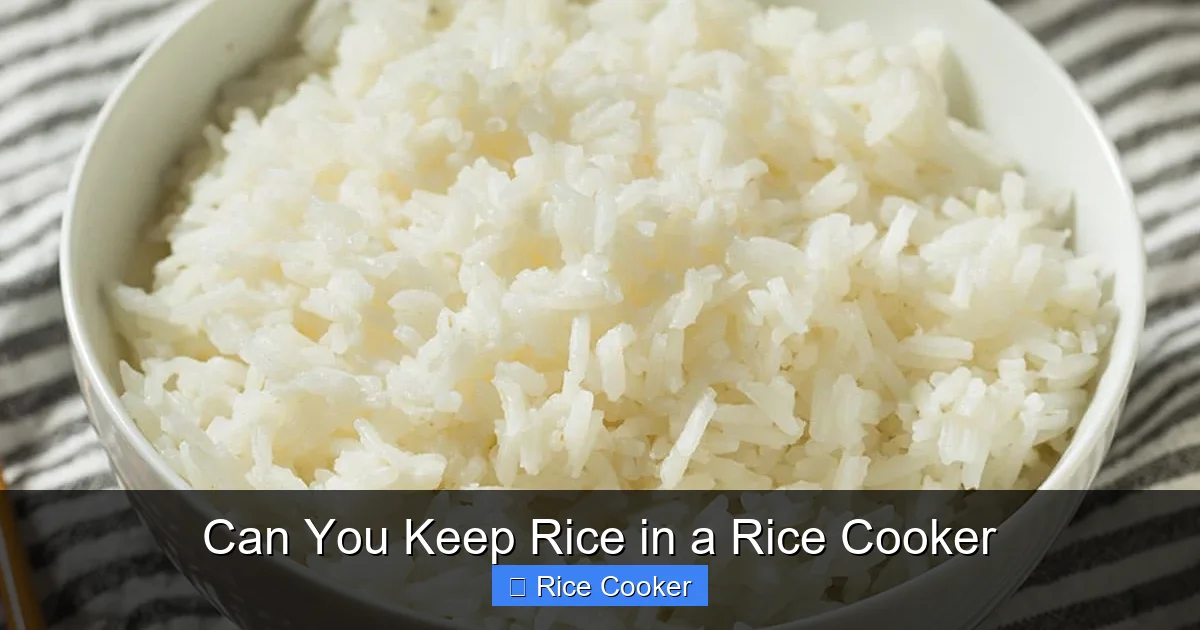
Rice cookers are kitchen appliances designed specifically to cook rice by automatically switching from heating to warming mode once the grains are fully cooked. This transition prevents overcooking and ensures fluffy, consistent results. Most modern rice cookers have a built-in thermostat that detects when the internal temperature drops below 194°F (90°C), at which point they activate the “warm” function to maintain a steady, low heat.
Visual guide about Can You Keep Rice in a Rice Cooker
Image source: theforkbite.com
This warming feature is meant for convenience—say, keeping rice ready while dinner is being plated. But it’s not intended for long-term storage. Unlike commercial warming cabinets or insulated food servers, home rice cookers aren’t built to maintain safe temperatures throughout the day. The internal components, materials, and design don’t support prolonged holding without risk.
The Science Behind the “Warm” Setting
When your rice cooker switches to warm mode, it typically maintains a temperature between 140°F and 160°F (60°C to 71°C). While this seems safe, it falls squarely within the “danger zone” for bacterial growth—the temperature range where harmful microbes like Bacillus cereus thrive.
Bacillus cereus is a common bacterium found in soil and grains. When rice is cooked and then left at room temperature or in the danger zone, these spores can germinate, grow, and produce toxins that cause food poisoning. Symptoms include nausea, vomiting, and diarrhea—often occurring 1–6 hours after consumption.
This is why food safety experts consistently warn against leaving cooked rice at room temperature for more than two hours, even if it feels warm and fresh.
Food Safety Risks of Keeping Rice in a Rice Cooker
Why Warm Rice Can Be Dangerous
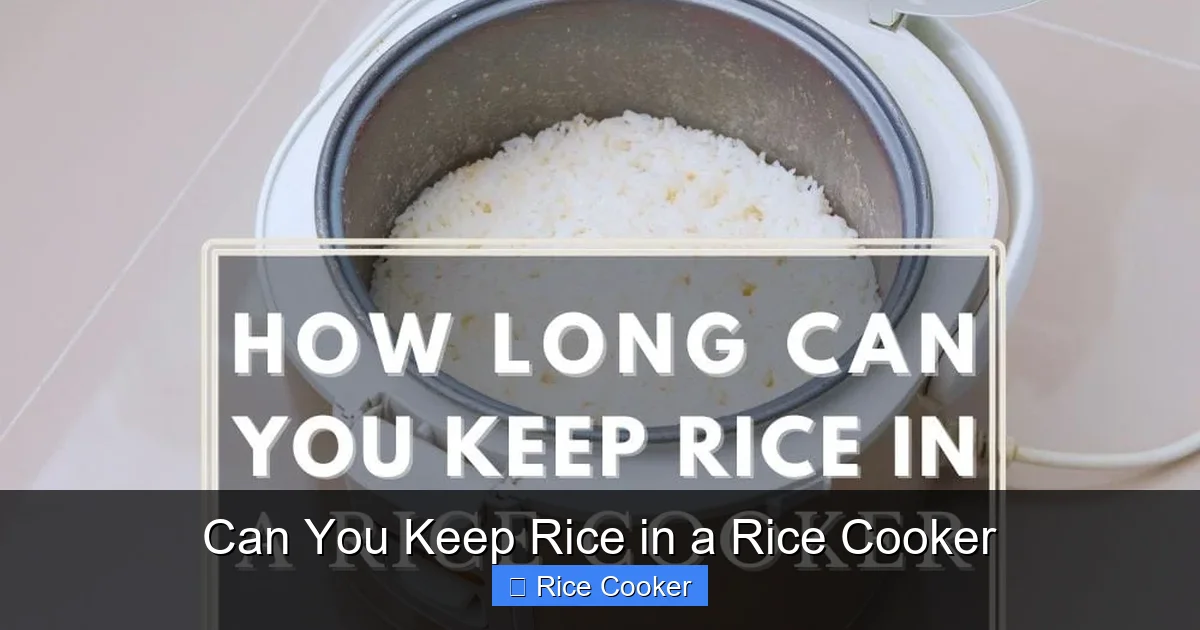
Cooked rice is particularly vulnerable to bacterial contamination because it’s rich in starch and moisture—both ideal environments for bacteria to multiply. If rice sits in the rice cooker for several hours, especially in warm climates or during summer months, the risk of foodborne illness increases dramatically.
Visual guide about Can You Keep Rice in a Rice Cooker
Image source: stretchrecipes.com
Here’s a real-life example: Imagine you cook a large batch of brown rice in the morning for a family dinner that evening. You turn off the rice cooker after it finishes cooking and rely on the “warm” setting to keep it ready. By the time dinner rolls around, the rice has been held at 150°F for over six hours. Even though it tastes fine, harmful bacteria may have already produced toxins that aren’t destroyed by reheating.
Signs Your Rice May Be Unsafe
While you can’t always tell if rice has gone bad just by looking or smelling it, certain signs indicate it’s best to discard it:
- Mold or unusual spots: Visible mold is a clear warning sign.
- Slimy texture: Fresh rice should be dry and slightly firm. Slippery or sticky rice may indicate bacterial growth.
- Off odor: While rice doesn’t “smell” much, a sour or fermented smell suggests spoilage.
- Unpleasant taste: Bitter or sour flavors are red flags.
If you notice any of these signs, throw the rice away immediately—even if it was stored properly.
Safe Practices for Storing Rice
How Long Can You Keep Rice in the Refrigerator?
After cooking, rice should be cooled quickly and stored in the refrigerator within two hours. Once refrigerated, plain cooked rice can last up to five days when stored in an airtight container. This applies to both white and brown rice, though brown rice tends to stay fresher longer due to its higher oil content and natural preservatives.
For maximum freshness, cool the rice to room temperature first (within an hour) before refrigerating. Rapid cooling helps prevent condensation, which can make rice soggy or promote bacterial growth.
Proper Cooling Techniques
Leaving hot rice in the refrigerator can raise the internal temperature, affecting other foods and promoting bacterial growth. To cool rice safely:
- Spread it thin: Pour cooked rice onto a baking sheet or shallow dish to speed up cooling.
- Use a fan: Blowing cool air over the rice can reduce cooling time by up to 30%.
- Stir occasionally: This helps distribute heat evenly and prevents hot spots.
Aim to cool the rice to below 40°F within two hours—this is critical for food safety.
Best Containers for Storing Rice
Not all containers are created equal when it comes to storing rice. Choose ones that:
- Are airtight to prevent drying out or absorbing odors
- Are microwave-safe if you plan to reheat often
- Allow steam to escape slightly (to prevent condensation buildup)
- Are made of glass or BPA-free plastic
- Cool the rice completely to room temperature.
- Pour into freezer-safe containers or heavy-duty zip-top bags.
- Leave about an inch of headspace in containers to allow for expansion.
- Label with the date and contents.
- Place in the freezer immediately.
- Thaw in the refrigerator overnight (best method).
- Or thaw quickly under cold running water.
- Reheat in the microwave or on the stovetop until steaming hot (165°F or above).
- Add a splash of water or broth to restore moisture if needed.
- Place rice in a microwave-safe bowl.
- Cover with a damp paper towel to retain moisture.
- Heat in 30-second intervals, stirring in between.
- Check temperature with a thermometer—ensure it reaches 165°F.
- Transfer rice to a saucepan.
- Add a tablespoon of water or broth per cup of rice.
- Cook over medium-low heat, stirring frequently.
- Heat until steaming and evenly warmed.
- Preheat oven to 350°F (175°C).
- Cover tightly with aluminum foil.
- Bake for 15–20 minutes, checking halfway through.
- Remove foil for the last 5 minutes to let steam escape.
Airtight glass containers with lids are ideal—they’re easy to clean, durable, and won’t retain flavors like some plastics do.
Can You Freeze Rice for Long-Term Storage?
Benefits of Freezing Cooked Rice
Freezing is one of the best ways to extend the shelf life of cooked rice. When frozen properly, rice can last up to six months without significant loss of quality. It’s especially useful for meal prep, camping trips, or preparing for busy weeks.
How to Freeze Rice Safely
Follow these steps for best results:
Portioning rice into individual servings makes it easier to thaw only what you need.
Reheating Frozen Rice
To reheat frozen rice:
Frozen rice tends to be drier, so gentle reheating helps preserve texture.
Reheating Leftover Rice: Tips and Tricks
Microwave Method
The quickest way to reheat rice is in the microwave. Here’s how:
This method works well for small portions and preserves flavor better than dry reheating.
Stovetop Reheating
For larger batches or better texture, reheat on the stove:
This method gives rice a fluffier texture and helps eliminate cold spots.
Oven Reheating (for Large Quantities)
If you’ve stored rice in a casserole dish or large container, reheat in the oven:
This is ideal for serving rice as part of a main dish.
Alternative Methods to Keep Rice Warm Without a Rice Cooker
Insulated Food Warmer or Thermal Pot
If you want to keep rice warm for hours without risking food safety, consider investing in a dedicated food warmer or thermal serving pot. These devices maintain safe temperatures (above 140°F) for up to 8 hours and are commonly used in restaurants or for buffet-style meals.
Double Boiler Technique
For a DIY solution, you can use a double boiler to gently warm rice without overcooking it. Place a heatproof bowl filled with rice over a pot of simmering water. Stir occasionally and monitor closely. This method is great for reheating small amounts without drying them out.
Vacuum-Sealed Heating Pads
Some modern appliances and accessories, like portable heating pads designed for food, can be used to keep rice warm. These are reusable, battery-powered, and provide consistent heat without electricity. They’re popular among campers and outdoor enthusiasts.
Common Myths About Rice Storage Debunked
Myth: “Rice Cooker Warm Settings Are Safe All Day”
This is false. While many rice cookers claim to “keep warm for up to 12 hours,” this doesn’t mean the rice remains safe. Manufacturers test under controlled conditions, but real-world variables—like room temperature, humidity, and how long the rice has been cooking—affect safety.
Myth: “You Can Leave Rice Out Overnight If It’s Covered”
Nope. Covering rice doesn’t prevent bacterial growth. In fact, covering traps moisture and heat, creating a perfect breeding ground for bacteria. If rice is left uncovered, it dries out; if covered, it stays moist and unsafe.
Myth: “Brown Rice Is Safer Because It’s Healthier”
While brown rice has more nutrients, it also contains more oil, which can go rancid faster. Brown rice should be stored in the refrigerator or freezer within two hours of cooking. Both types carry the same food safety risks if mishandled.
Tips for Meal Prep with Rice
Plan Ahead with Batch Cooking
Cooking rice in bulk on weekends can save time during the week. Prepare a large pot, divide into portions, and store appropriately. Label each container with the date and type of rice (e.g., jasmine, basmati, wild rice).
Pair with Flavorful Add-Ins
Enhance leftovers by adding sauces, herbs, or proteins before reheating. For example, mix cooked rice with teriyaki sauce, sesame oil, and chopped scallions for instant fried rice.
Rotate Stock Regularly
Follow the “first in, first out” rule when storing rice. Use older portions first to minimize waste.
Conclusion: Smart Storage Makes All the Difference
So, can you keep rice in a rice cooker? Technically, yes—but only for a short period. Relying on the “warm” setting for hours or overnight isn’t safe or recommended. The best practice is to transfer rice to an airtight container and refrigerate it within two hours of cooking. For long-term storage, freeze it in portion-sized servings. When reheating, always bring rice to a rolling boil or 165°F to ensure it’s safe to eat.
By following these simple guidelines, you can enjoy perfectly cooked rice anytime—without compromising your health or the flavor of your meals. Whether you’re meal prepping for the week or saving leftovers for tomorrow’s lunch, handling rice with care pays off in taste, safety, and peace of mind.
Frequently Asked Questions
Can you leave rice in a rice cooker overnight?
No, it’s not safe to leave rice in a rice cooker overnight. Bacteria like Bacillus cereus can multiply rapidly in the danger zone (40°F–140°F), producing toxins that aren’t killed by reheating. Always refrigerate rice within two hours of cooking.
How long can you keep rice in the refrigerator?
Plain cooked rice can be safely stored in the refrigerator for up to five days when kept in an airtight container. Make sure it’s cooled to room temperature and refrigerated promptly to prevent bacterial growth.
Is it okay to reheat rice multiple times?
Yes, you can reheat rice multiple times as long as it’s handled properly each time. Always reheat to at least 165°F (74°C) and avoid letting it sit at room temperature for more than two hours between uses.
Can you freeze rice in the rice cooker?
No, you shouldn’t freeze rice directly in the rice cooker. Instead, transfer the cooled rice to freezer-safe containers or bags. Freezing in the appliance can damage its internal components and create condensation when thawing.
Does brown rice spoil faster than white rice?
Brown rice has a shorter shelf life than white rice due to its higher oil content, which can go rancid. However, both types should be refrigerated or frozen within two hours of cooking. Proper storage extends the freshness of both.
What’s the safest way to keep rice warm for a party or event?
Use a dedicated food warmer, insulated thermal pot, or double boiler instead of a rice cooker. These appliances maintain safe temperatures (above 140°F) for hours and are designed for continuous use without food safety risks.