
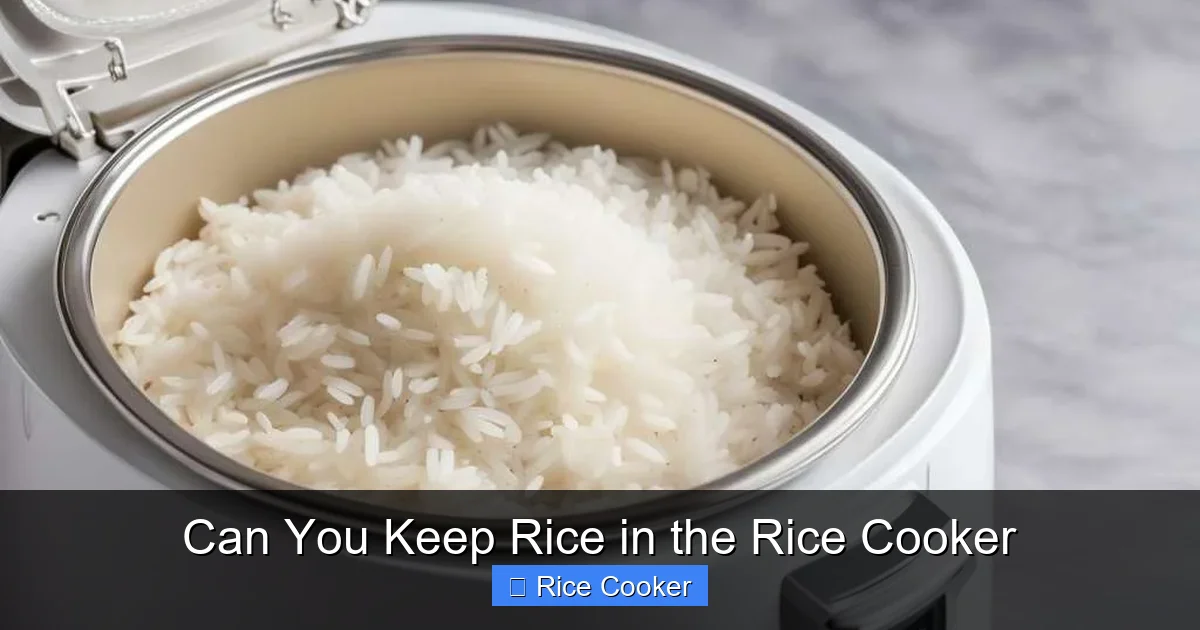
Can you keep rice in the rice cooker? While it’s technically possible, it’s not recommended due to safety and quality concerns. Rice left at room temperature for too long can grow harmful bacteria like Bacillus cereus, which causes food poisoning. For safe storage, always cool cooked rice quickly and transfer it to an airtight container in the refrigerator within two hours.
Key Takeaways
- Safety First: Leaving rice in a rice cooker for extended periods creates ideal conditions for bacterial growth, especially when warm and moist.
- Proper Cooling Matters: Never leave rice sitting in the rice cooker overnight; cool it rapidly before refrigerating to prevent toxin formation.
- Refrigeration Is Key: Store cooled rice in shallow, airtight containers in the fridge to ensure even cooling and reduce contamination risk.
- Reheating Tips: Always reheat rice thoroughly until steaming hot throughout—never microwave without adding moisture to avoid dryness or uneven heating.
- Use Within 3–4 Days: Consume refrigerated rice within three to four days for optimal taste, texture, and safety.
- Freezing Option: Freeze portions of rice for up to six months if you don’t plan to use them soon—thaw slowly in the fridge.
- Know the Signs of Spoilage: Discard rice if it smells off, has an unusual texture, or shows mold—when in doubt, throw it out.
📑 Table of Contents
- Can You Keep Rice in the Rice Cooker?
- Understanding Rice Safety and Bacterial Growth
- How Long Can You Safely Leave Rice in the Rice Cooker?
- Best Practices for Storing Cooked Rice
- Reheating Leftover Rice Safely
- Freezing Rice: A Long-Term Solution
- Common Misconceptions About Rice Storage
- Conclusion: Keep It Safe, Keep It Delicious
Can You Keep Rice in the Rice Cooker?
Have you ever finished cooking rice but still had some left over? Maybe you were busy with dinner prep, stepped away for a call, or simply didn’t want to deal with extra cleanup. It’s tempting to just press the “warm” setting and walk away—after all, that’s what rice cookers are made for, right? But here’s the real question: can you keep rice in the rice cooker? And more importantly—should you?
The short answer is yes, you can keep rice in the rice cooker, but only briefly. Most modern rice cookers have a “keep-warm” function that maintains food at around 165°F (74°C), which sounds perfect for storing leftover rice. However, this convenience comes with serious risks if misused. The longer rice stays in the keep-warm mode—especially beyond one hour—the higher the chance of bacterial growth, particularly from Bacillus cereus, a common culprit in foodborne illnesses linked to improperly stored starchy foods like rice.
In this comprehensive guide, we’ll explore everything you need to know about keeping rice in your rice cooker safely. From understanding why temperature matters to learning proper cooling and storage techniques, we’ll help you make smart choices so your next batch of rice isn’t just delicious—it’s also safe to eat.
Understanding Rice Safety and Bacterial Growth
Why Rice Is a Breeding Ground for Bacteria
Rice contains starches that make it especially vulnerable to certain types of bacteria. When rice is cooked, its outer layer breaks down, creating an environment rich in nutrients that pathogens love. One such bacterium is Bacillus cereus, which produces spores that survive normal cooking temperatures. These spores aren’t killed by heat alone—they only get activated when rice is left at room temperature for too long.
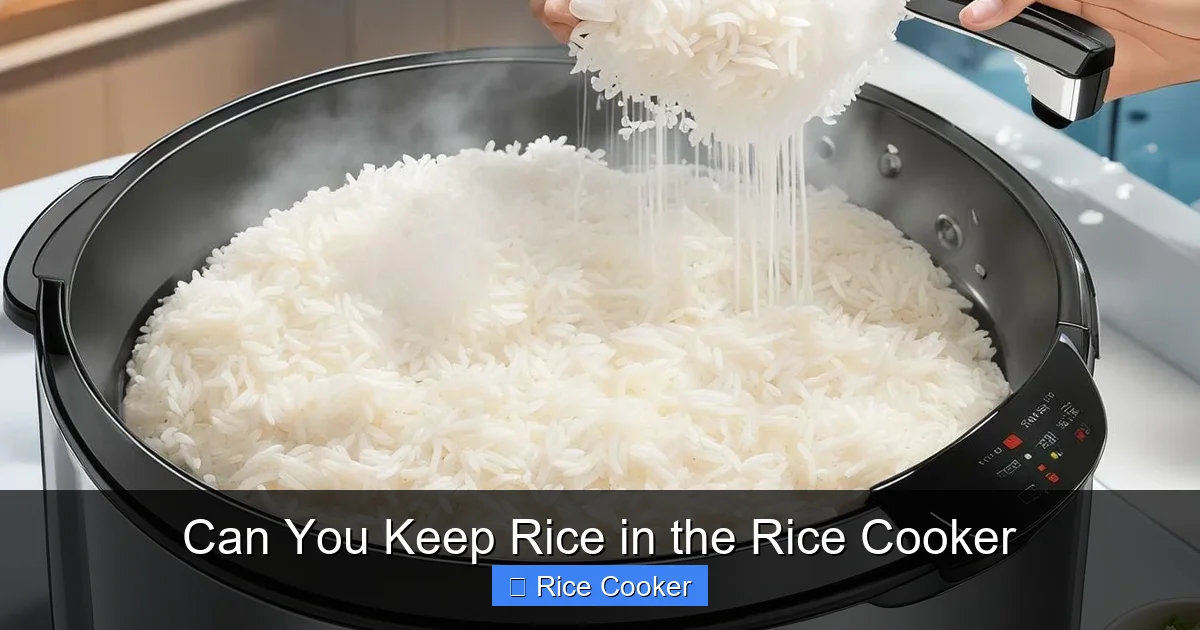
Visual guide about Can You Keep Rice in the Rice Cooker
Image source: ricearray.org
Once these spores germinate, they multiply rapidly in warm, moist conditions—exactly what the rice cooker’s keep-warm setting provides. Even worse, some strains of B. cereus produce heat-stable toxins that remain dangerous even after reheating. That means no amount of boiling will neutralize them, making contaminated rice unsafe regardless of how carefully you cook it later.
The Danger Zone: Temperature and Time
Food safety experts agree: perishable foods like cooked rice should never sit in the “danger zone” between 40°F and 140°F (4°C to 60°C) for more than two hours. In fact, the U.S. Food and Drug Administration recommends discarding any perishable food left in this range for over four hours.
A typical rice cooker keeps rice at about 165°F (74°C), which technically falls outside the danger zone. But here’s the catch: once you open the lid or let the rice cool slightly, ambient air lowers the internal temperature into that risky range. Plus, residual warmth from the heating element can create pockets of ideal growing conditions inside the pot.
So while your rice might feel “safe” while still hot, the moment it begins cooling—even just a few degrees below 140°F—it becomes a potential health hazard if left unattended.
How Long Can You Safely Leave Rice in the Rice Cooker?
Official Guidelines vs. Real-World Use
Manufacturers design rice cookers to keep food warm for several hours, often up to 12 or even 24 under ideal conditions. But these specs assume you’re actively monitoring the food and maintaining consistent temperatures. In reality, household environments vary widely—humidity affects condensation, power fluctuations impact heating efficiency, and opening the lid introduces cold air.
Visual guide about Can You Keep Rice in the Rice Cooker
Image source: expertreviewsbestricecooker.com
The U.S. Department of Agriculture (USDA) advises against using keep-warm functions for more than one hour for high-risk foods like rice, beans, or meat dishes. After that point, bacteria have enough time to reach dangerous levels. Similarly, the FDA’s Food Code recommends removing cooked grains from warming units after two hours maximum.
Practical Recommendations
Here’s a simple rule of thumb: if you won’t eat the rice within one hour, move it immediately. Don’t rely on the keep-warm button as a substitute for proper refrigeration. Instead, follow this quick routine:
- Cook your rice as usual.
- As soon as it’s done, fluff it with a fork and spread it out on a large baking sheet or shallow dish to cool faster.
- Place the pan in front of a fan or near a window to speed up airflow.
- Stir occasionally to distribute heat evenly.
- Transfer to an airtight container once cooled to room temperature (usually 30–60 minutes).
- Store in the refrigerator within two hours of cooking.
This method reduces the time rice spends in the danger zone and minimizes bacterial growth significantly.
Best Practices for Storing Cooked Rice
Cooling Techniques That Work
Speed is essential when cooling rice. The quicker it drops below 140°F, the safer it becomes. Here are proven strategies:
- Ice Bath Method: Submerge the pot (with lid off) in a bowl of ice water. Stir occasionally for faster cooling.
- Shallow Containers: Transfer rice to wide, shallow pans instead of deep bowls. Greater surface area = faster heat loss.
- Multiple Pots:** If you’ve made a large batch, divide it among several small containers to cool individually.
- Use Metal Over Plastic:** Metal conducts heat better than plastic, helping rice lose heat more efficiently.
Proper Container Selection
Not all containers are created equal. Choose ones that:
- Are made of glass, stainless steel, or food-grade plastic.
- Fit snugly in your refrigerator shelves (avoid oversized containers that trap air).
- Have tight-fitting lids to prevent odors and moisture absorption.
- Are labeled with the date so you track freshness.
Avoid using aluminum foil, wax paper, or unsealed plastic bags—these don’t provide adequate protection against cross-contamination or drying out.
Labeling and Dating Your Rice
Always mark your container with the date you cooked the rice. This simple habit prevents confusion and ensures you use older batches first. Most experts recommend consuming refrigerated rice within three to four days. Beyond that, flavor degrades and microbial risks increase.
Reheating Leftover Rice Safely
Microwave vs. Stovetop: Which Is Better?
Both methods work, but microwaving requires extra care. Without added liquid, rice dries out and may develop hot spots that don’t fully reheat all parts of the dish. Here’s how to do it right:
- Add 1–2 tablespoons of water per cup of rice to a microwave-safe dish.
- Cover loosely with a damp paper towel or vented lid to retain steam.
- Heat on high in 30-second intervals, stirring between each cycle.
- Check internal temperature with a food thermometer—it should read at least 165°F (74°C).
For stovetop reheating, bring a small amount of water or broth to a simmer, add rice, cover, and cook over low heat for 5–7 minutes while stirring occasionally.
Signs Your Rice Has Gone Bad
Even if you followed all safety steps, sometimes things go wrong. Watch for these red flags:
- Unpleasant sour, ammonia-like, or foul odor.
- Visible mold spots (white, green, black, or fuzzy).
- Unusual sliminess or sticky texture.
- Discoloration (yellowish or gray tint).
If you notice any of these, discard the rice immediately—don’t taste-test. When in doubt, throw it out.
Freezing Rice: A Long-Term Solution
Preparing Rice for Freezer Storage
Freezing extends shelf life dramatically. Properly frozen rice stays safe for up to six months. To prepare:
- Portion rice into freezer-safe containers or zip-top bags.
- Leave ½-inch headspace in rigid containers to allow expansion.
- Flatten bags to remove excess air before sealing.
- Label with contents and date.
Thawing and Using Frozen Rice
Never thaw frozen rice at room temperature. Instead:
- Move from freezer to refrigerator 12–24 hours before needed.
- Alternatively, place sealed container in cold water for 1–2 hours.
- Reheat thoroughly as described above—frozen rice may need slightly longer cooking time.
Frozen rice works well in stir-fries, fried rice, casseroles, or soups where texture won’t be noticeably different.
Common Misconceptions About Rice Storage
Myth: “Keep Warm = Safe Storage”
Many people assume the keep-warm setting automatically makes rice safe to store. But as explained earlier, extended exposure to moderate heat increases bacterial load. The USDA explicitly warns against using keep-warm functions for more than one hour for high-moisture foods like rice.
Myth: “If It Smells Fine, It’s Good”
Toxic bacteria like Bacillus cereus don’t alter smell, taste, or appearance. You can’t detect contamination by sight or scent alone. Rely on time and temperature guidelines instead.
Myth: “All Rice Cookers Are Equal”
While most rice cookers have similar keep-warm features, some advanced models include timers, humidity controls, or rapid-cool functions. Check your manual—but remember, no feature overrides basic food safety principles.
Conclusion: Keep It Safe, Keep It Delicious
So, back to the original question: can you keep rice in the rice cooker? Technically, yes—for short periods, like during a family meal or if guests arrive late. But for anything beyond an hour, the safest bet is to transfer rice to a cooler, sealed container and refrigerate promptly.
By following simple steps—cooling quickly, storing properly, reheating thoroughly—you protect yourself and your loved ones from unnecessary health risks while preserving the fluffy, flavorful rice you love. And when you freeze portions ahead of time, you’re not just saving time—you’re reducing food waste too.
Next time you cook rice, think of it not just as fuel, but as a perishable ingredient requiring careful handling. With these tips in mind, you’ll enjoy every grain—whether eaten fresh or saved for later—without compromise.
Frequently Asked Questions
Is it safe to leave rice in the rice cooker overnight?
No, leaving rice in the rice cooker overnight is not safe. The warm, moist environment promotes bacterial growth, especially from Bacillus cereus, which can cause food poisoning. Always cool rice quickly and refrigerate it within two hours.
How long can cooked rice stay in the keep-warm setting?
You should not leave rice in the keep-warm setting for more than one hour. After that, bacteria may multiply to unsafe levels. For longer storage, transfer rice to a sealed container and refrigerate immediately.
Can I eat rice that’s been kept warm for 3 hours?
It’s not recommended to eat rice that’s been kept warm for 3 hours. Once rice cools into the danger zone (between 40°F and 140°F), harmful bacteria can grow rapidly. When in doubt, it’s safer to discard it.
What’s the best way to cool rice quickly?
The fastest way to cool rice is to spread it thinly on a baking sheet, place it in front of a fan, or submerge the pot in an ice bath while stirring occasionally. Transfer to airtight containers once cooled to room temperature.
How long does cooked rice last in the fridge?
Cooked rice lasts 3 to 4 days in the refrigerator when stored properly in an airtight container. Beyond that, the risk of spoilage and bacterial growth increases significantly.
Does freezing rice kill bacteria?
Freezing doesn’t kill bacteria, but it stops their growth. Properly frozen rice remains safe for up to six months. Just make sure to thaw and reheat it thoroughly before eating.