
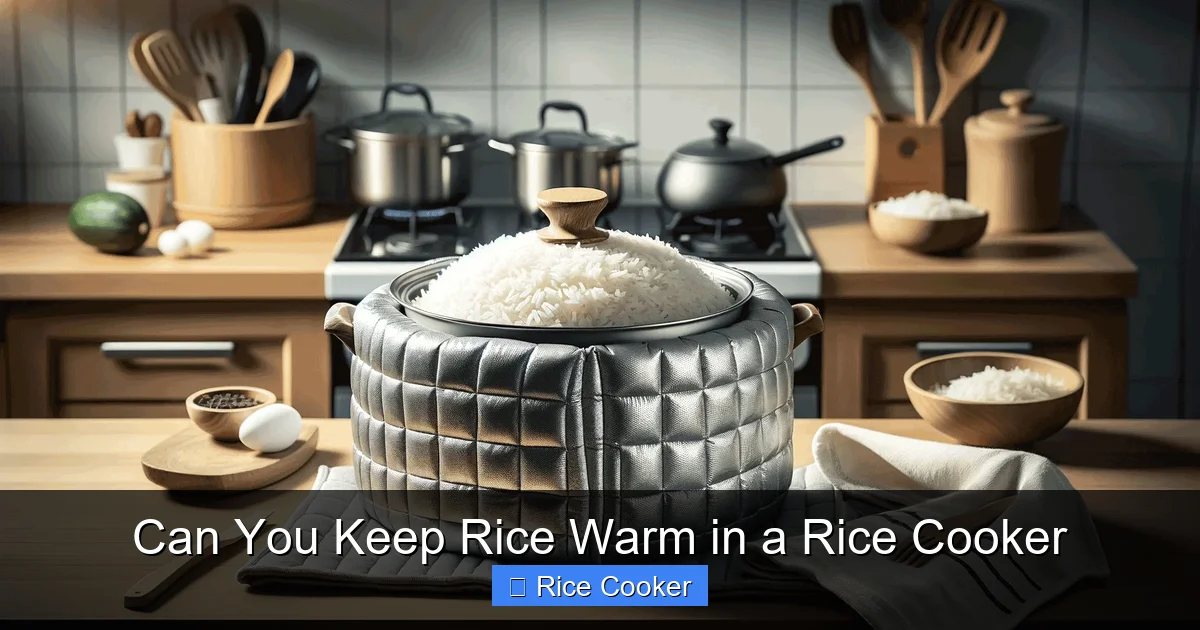
You absolutely can keep rice warm in a rice cooker, thanks to its built-in warming plate that maintains food-safe temperatures. The rice cooker’s auto-warm feature kicks in after cooking ends, keeping your rice at around 167°F (75°C) for hours without burning or drying out. However, it’s not meant for long-term storage, and using it improperly can lead to texture loss or bacterial growth. Understanding how the warming cycle works helps you enjoy perfectly cooked, warm rice whenever you need it—without extra effort.
Key Takeaways
- Yes, most rice cookers have a built-in warming function: After cooking completes, the unit switches to low-heat mode to keep rice warm without overcooking.
- Warming typically lasts several hours: Depending on the model, the warm setting can maintain temperature for 3–12 hours, ideal for meal prep or dinner delays.
- Proper rice-to-water ratios matter for warming: Too much water can make rice soggy, while too little may cause dryness—use standard recipes for best results.
- Avoid leaving rice in the cooker overnight: The American Academy of Pediatrics recommends against storing cooked rice at room temperature for more than 2 hours due to botulism risk.
- Covered containers help retain moisture: Covering rice with a tight lid or damp cloth reduces evaporation and keeps grains tender during warming.
- Some models offer advanced warming features: Look for settings like “keep warm,” “delay start,” or insulated inner pots for better temperature control.
- Reheating leftover rice is safe if done properly: Transfer to a microwave-safe dish and steam with a splash of water before reheating.
📑 Table of Contents
- Can You Keep Rice Warm in a Rice Cooker? A Complete Guide
- How Does the Warming Function Work?
- Practical Tips for Keeping Rice Warm
- Safety First: Risks of Long-Term Warming
- Best Rice Cooker Models for Reliable Warming
- Common Mistakes People Make
- Alternatives to Rice Cooker Warming
- Conclusion: Mastering Rice Warming Like a Pro
Can You Keep Rice Warm in a Rice Cooker? A Complete Guide
Have you ever come home from work exhausted, only to realize dinner is still hours away? Or maybe your family has unpredictable schedules, and you need a hot meal ready when everyone finally sits down. If so, you’ve probably wondered: Can you keep rice warm in a rice cooker? The short answer is yes—and it’s one of the most convenient features of modern rice cookers. But how exactly does it work? And more importantly, should you rely on it?
This article dives deep into everything you need to know about using your rice cooker as a warming station. We’ll explain the science behind the warm function, share practical tips for perfect results, discuss safety considerations, and even explore alternatives when the built-in warmer isn’t enough. Whether you’re cooking for two or feeding a crowd, understanding how to manage warmth and texture will make your meals tastier and stress-free.
How Does the Warming Function Work?
Most electric rice cookers come with an automatic warming mechanism designed to maintain cooked rice at a food-safe temperature. After the main cooking cycle finishes, the heating element lowers its power output and activates the “warm” setting. This keeps the internal temperature around 167°F (75°C)—ideal for preserving freshness without turning rice into mush or burning it.
Visual guide about Can You Keep Rice Warm in a Rice Cooker
Image source: ricearray.org
The Science Behind the Warm Plate
Inside your rice cooker, there’s a thin metal warming plate beneath the inner pot. When the cooker detects that cooking is complete—usually via temperature sensors detecting steam release or boiling cessation—the system shifts from high heat to low heat. The warming plate gently circulates heat across the bottom and sides of the pot, preventing cold spots while avoiding scorching.
Unlike ovens or stovetops that rely on radiant heat, rice cookers use conduction. That means the warmth transfers directly from the plate up through the pot and into the rice. This method is gentler and more consistent than traditional methods, which often lead to uneven textures or dried-out edges.
Why Doesn’t It Burn or Dry Out?
The key lies in the balance between heat retention and moisture control. Rice cookers are engineered to minimize evaporation during the warm phase. Many models also include a sealed lid that traps steam and humidity inside. Combined with the low-power setting, this ensures the rice stays moist but never becomes sticky or hard.
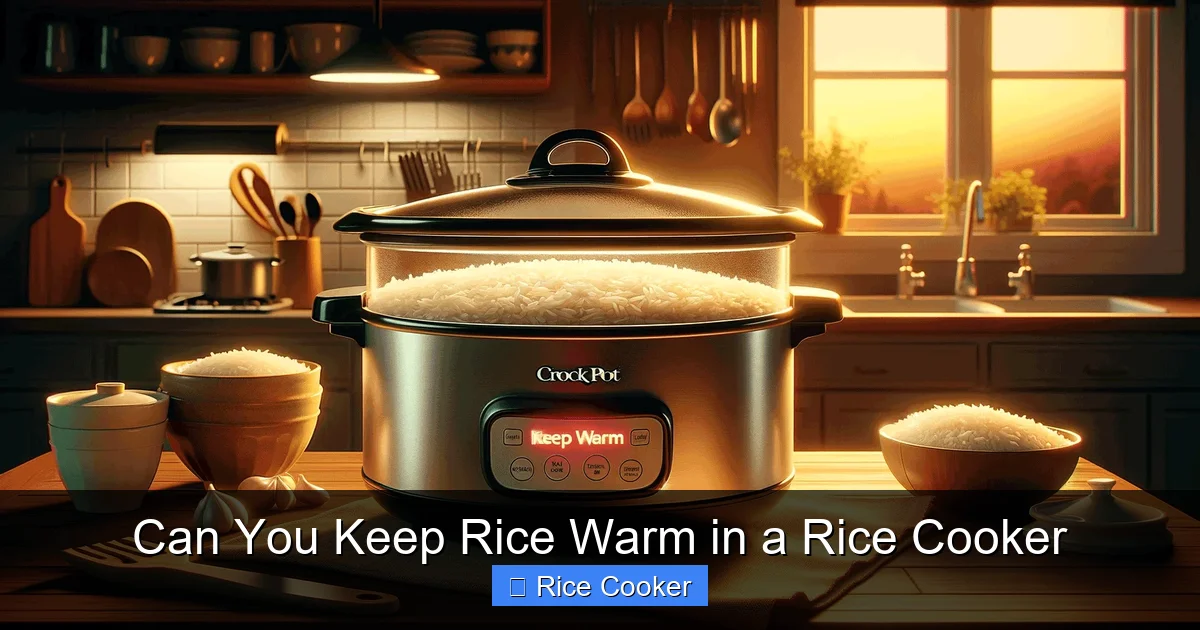
Additionally, the warm function usually shuts off after a set period—ranging from 10 minutes to over 12 hours depending on the brand. Some smart models even monitor internal temperature and shut off automatically if they detect spoilage risks.
Practical Tips for Keeping Rice Warm
If you want to get the most out of your rice cooker’s warming capability, here are some tried-and-true strategies:
Visual guide about Can You Keep Rice Warm in a Rice Cooker
Image source: expertreviewsbestricecooker.com
Use the Right Amount of Water
Rice absorbs liquid based on grain type and altitude. For jasmine, basmati, or long-grain white rice, follow standard ratios: 1 cup rice to 1.5–2 cups water. Overwatering leads to mushy rice that becomes even softer (and less appealing) when kept warm. Underwatering results in dry, crumbly grains that resist rehydration.
For sticky varieties like sushi or glutinous rice, reduce water slightly—about 1:1.2 ratio—to maintain firmness during warming.
Stir Gently Before Serving
After hours in the cooker, rice may develop a slight crust on top. Don’t stir aggressively—just fluff gently with a fork to redistribute moisture. This restores lightness without breaking apart delicate grains.
Cover with a Damp Cloth (Optional)
For extra moisture retention, place a clean kitchen towel lightly dampened with water over the lid. Secure it with a rubber band if needed. The cloth slowly releases steam as needed, mimicking the humid environment of active cooking.
Avoid Opening the Lid Frequently
Every time you lift the lid, cold air enters, dropping the internal temperature. Wait until serving time to open it—or limit openings to once per hour maximum.
Preheat the Inner Pot (Optional)
In colder environments, preheating the empty inner pot for 30 seconds before adding rice can help stabilize initial warmth. Just be careful not to scorch anything!
Safety First: Risks of Long-Term Warming
While convenient, the rice cooker’s warm function isn’t designed for indefinite storage. The USDA advises against leaving perishable foods—including cooked rice—at room temperature for more than two hours. Bacteria like *Bacillus cereus*, which causes food poisoning, multiply rapidly between 40°F and 140°F (4°C to 60°C).
Botulism Concerns
Cooked rice left in the open or in non-refrigerated containers can harbor spores of *Clostridium botulinum*. Though rare, this toxin produces life-threatening illness. Rice cookers don’t reach sterilizing temperatures (>212°F/100°C), so they can’t kill these spores. Therefore, do not leave rice sitting in the cooker overnight unless it’s been refrigerated within two hours.
When Is It Safe?
- Short-term (under 4 hours): Generally safe if the rice was freshly cooked and kept covered.
- Extended periods (6+ hours): Refrigerate promptly after cooking. Reheat thoroughly before eating.
Signs Your Rice Has Gone Bad
Check for:
- Unusual sour or ammonia-like odor
- Excessive stickiness or slimy texture
- Mold growth (especially if uncovered)
- Off-color appearance (grayish or green tinges)
If any of these occur, discard the rice immediately.
Best Rice Cooker Models for Reliable Warming
Not all rice cookers perform equally when it comes to maintaining warmth. Here are top-rated options known for consistent performance:
Cuckoo CRP-HHP1020F (10-Cup)
This premium Korean-made model features fuzzy logic technology that adjusts cooking time based on rice quantity and moisture content. Its dual-heating system ensures even warmth distribution, and the stainless steel inner pot retains heat exceptionally well. Users report rice stays fluffy for up to 8 hours without drying out.
Zojirushi NS-ZCC10 (5.5-Cup)
Loved by professionals and home cooks alike, Zojirushi’s compact design includes a keep-warm timer that runs for up to 24 hours. The vacuum-insulated inner pot keeps rice steaming hot without electricity—perfect for power outages or travel. Many reviewers praise its ability to revive slightly cooled rice back to ideal texture.
Tiger JZX-A10U (10-Cup)
Another Japanese favorite, Tiger’s JZX series uses pressure cooking combined with precise temperature control. The warm function maintains 167°F indefinitely, and the anti-adhesion coating prevents rice from sticking during prolonged storage. Great for meal preppers who cook large batches.
Aroma Housewares ARC-805 (8-Cup)
A budget-friendly option under $30, Aroma’s model offers basic but reliable warming. It holds heat for about 6 hours and works well for simple white or brown rice. Note: Brown rice takes longer to cook and may require manual adjustment of water levels.
When choosing a rice cooker, look for features like:
- Adjustable warm timers
- Insulated inner pots
- Auto-shutoff after warming
- Clear LED displays showing cycle stages
Common Mistakes People Make
Even experienced cooks occasionally run into issues with warm rice. Here’s what to avoid:
Using the Wrong Rice Type
Some rice varieties—like arborio or carnaroli—are meant for creamy dishes such as risotto. These absorb liquids differently and aren’t suitable for traditional rice cooker cycles. Stick to long-grain, medium-grain, or jasmine for best results.
Neglecting Cleanliness
Dried starch buildup inside the inner pot or lid can affect heat transfer and create unpleasant smells. Clean your rice cooker weekly with mild soap and warm water. Never submerge the base or electronics!
Overfilling the Pot
Manufacturers recommend filling no more than halfway. Excess rice insulates itself, causing uneven warming and potential fire hazards if the heating element overheats.
Ignoring Manufacturer Instructions
Each brand has unique settings and safety protocols. Always consult your user manual for specific guidance on warm duration, cleaning, and usage limits.
Trying to Reheat Cold Leftovers Directly
If you forgot to turn on the warm function earlier, don’t just dump cold rice back in. Instead, add a tablespoon of water per cup, cover tightly, and let it sit for 10 minutes to reabsorb moisture before reheating on the stove or in the microwave.
Alternatives to Rice Cooker Warming
While rice cookers are excellent for short-term warmth, sometimes you need other solutions:
Steamer Basket + Microwave
Add a cup of water to your microwave-safe container, place rice on a steamer basket above it, cover with a lid, and heat on high for 1–2 minutes per cup. This revives cool rice quickly and evenly.
Oven Warmer Drawer (if available)
A few high-end ovens have dedicated warming drawers that maintain 170–200°F (77–93°C). Place rice in a ceramic dish, cover with foil, and leave for up to 2 hours.
Insulated Lunch Containers
Thermal lunch boxes lined with rice or beans can keep food warm for 4–6 hours. Not ideal for large quantities, but handy for single servings.
Double Boiler Method
Transfer rice to a heatproof bowl placed over simmering water (not touching). Cover tightly and let sit for 10–15 minutes. Gentle steam restores softness without overcooking.
Conclusion: Mastering Rice Warming Like a Pro
Keeping rice warm in a rice cooker is not only possible—it’s one of the most underrated conveniences in modern kitchens. With proper technique, understanding of safety guidelines, and awareness of your appliance’s capabilities, you can serve restaurant-quality, perfectly textured rice anytime. Remember: the goal isn’t just heat—it’s flavor, texture, and safety all rolled into one.
Whether you’re preparing meals ahead, managing busy household schedules, or simply love having warm rice ready when hunger strikes, mastering this skill saves time, reduces waste, and elevates everyday dining. So next time you cook a batch, trust your rice cooker to do the heavy lifting—and enjoy the peace of mind that comes with knowing dinner will always be hot.
Frequently Asked Questions
Is it safe to leave rice in the rice cooker overnight?
No, it’s not recommended. The American Academy of Pediatrics advises against leaving cooked rice at room temperature for more than 2 hours due to the risk of bacterial growth, including dangerous spores like Clostridium botulinum. Always refrigerate leftover rice within that window.
How long can rice stay warm in a rice cooker?
Most rice cookers maintain warmth for 3 to 12 hours, depending on the model. Some advanced units offer extended warming cycles up to 24 hours, but it’s best to serve or store the rice sooner rather than later.
Will rice get soggy if left in the cooker too long?
Possibly. Overwatering or excessive exposure to heat can break down starch and make rice mushy. To prevent this, use correct water ratios and avoid frequent lid openings. Covered rice generally stays firmer longer.
Can I reheat cold leftover rice in the rice cooker?
Yes, but first add a small amount of water (about 1 tbsp per cup), cover tightly, and let it sit for 10 minutes. Then turn on the cooker’s warm or boil function briefly—never put cold rice directly into a running cooker.
Do all rice cookers have a warm function?
Almost all modern electric rice cookers include a warm setting, though older or simpler models may lack it. Check your manual; if absent, consider upgrading to a model with keep-warm technology.
What’s the best way to store cooked rice for later use?
Refrigerate in an airtight container within 2 hours of cooking. For best quality, consume within 3–5 days. Freeze portions for up to 6 months. Always reheat thoroughly until steaming hot throughout.