
Can you leave a rice cooker on warm? Yes, but only for limited time. Most rice cookers have a built-in safety feature that turns off after 12–24 hours, but leaving food on warm for too long can risk bacterial growth. For best results and safety, use the warm setting sparingly and follow manufacturer guidelines.
Key Takeaways
- Safety First: Leaving a rice cooker on warm is generally safe due to automatic shut-off features, but prolonged use increases risks of overheating or bacterial growth.
- Time Limits Matter: Most manufacturers recommend using the warm setting for no more than 10–24 hours; exceeding this can affect food quality and safety.
- Food Safety Risks: Starchy foods like rice are prone to mold and bacteria (e.g., Bacillus cereus) when left at room temperature too long, even in a warm mode.
- Energy Efficiency: Keeping the rice cooker on warm uses minimal energy, but continuous operation isn’t necessary unless you plan to serve the meal soon.
- Appliance Longevity: Frequent or extended use of the warm setting may wear out internal components, reducing the lifespan of your rice cooker.
- Best Practices: Transfer cooked rice to an airtight container and refrigerate within 2 hours if not serving immediately.
- Know Your Model: Always check your user manual — some high-end models have advanced warm settings with better temperature control and timers.
📑 Table of Contents
- Can You Leave a Rice Cooker on Warm? Here’s What You Need to Know
- How Does the “Warm” Setting Work?
- Is It Safe to Leave Rice on Warm All Day?
- How Long Can You Safely Keep Rice on Warm?
- Can You Leave Other Foods on Warm in a Rice Cooker?
- Tips for Using the Warm Setting Safely
- Can Leaving a Rice Cooker on Warm Damage It?
- What Happens If the Rice Cooker Loses Power?
- Alternatives to Leaving Rice on Warm
- Conclusion: Use Warm Mode Wisely
Can You Leave a Rice Cooker on Warm? Here’s What You Need to Know
We’ve all been there — you’re hosting a dinner party, and you’ve just finished cooking a pot of perfectly fluffy jasmine rice. But instead of serving it right away, you realize you need to keep it warm for the next couple of hours while you finish up side dishes. So you turn the rice cooker to “warm” and walk away. But now comes the question: can you leave a rice cooker on warm indefinitely?
This is a common concern among home cooks who want to save time and keep their food at the ideal serving temperature. While rice cookers are designed with convenience in mind, understanding how their “warm” function works — and how long it’s safe to use — is key to both food safety and appliance longevity. In this guide, we’ll explore everything you need to know about leaving your rice cooker on warm, from safety considerations to practical tips for everyday use.
How Does the “Warm” Setting Work?
The “warm” setting on a rice cooker is not just a simple on/off switch — it’s part of a sophisticated temperature control system. When you activate the warm function, the rice cooker maintains the rice at a consistent low temperature, typically around 160°F to 170°F (about 71°C to 77°C). This range is hot enough to prevent bacterial growth but not so hot that it dries out the rice or starts cooking new grains.
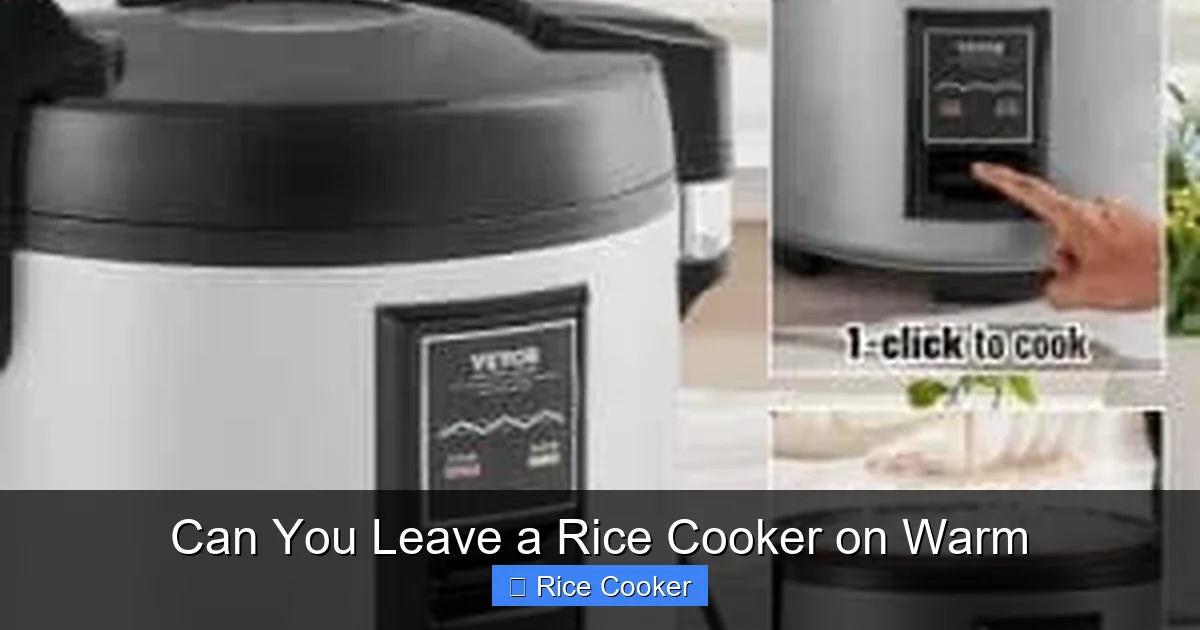
Visual guide about Can You Leave a Rice Cooker on Warm
Image source: cleverkitchengear.com
Internal Temperature Control Mechanism
Most modern rice cookers use a thermostat or thermal sensor to monitor the internal temperature. Once the desired temperature is reached, the heating element cycles on and off to maintain it. Some advanced models even use fuzzy logic technology — a type of artificial intelligence — to adjust heat levels based on the amount of water used and the type of grain being cooked. This ensures that the rice stays warm without overcooking.
Automatic Shut-Off Feature
A crucial safety feature found in almost all rice cookers is the automatic shut-off mechanism. After a certain period — usually between 12 to 24 hours — the rice cooker will turn itself off to prevent overheating or drying out. This means that, technically, you can leave rice on warm for a full day, but it’s not recommended for food safety reasons.
Is It Safe to Leave Rice on Warm All Day?
While the rice cooker will eventually shut off, leaving rice on warm for extended periods — especially more than 2–3 hours — raises food safety concerns. The danger lies not in the rice cooker itself, but in the food inside. Starchy foods like rice, pasta, and grains can harbor bacteria such as Bacillus cereus, which thrives in the “danger zone” between 40°F and 140°F (4°C and 60°C).
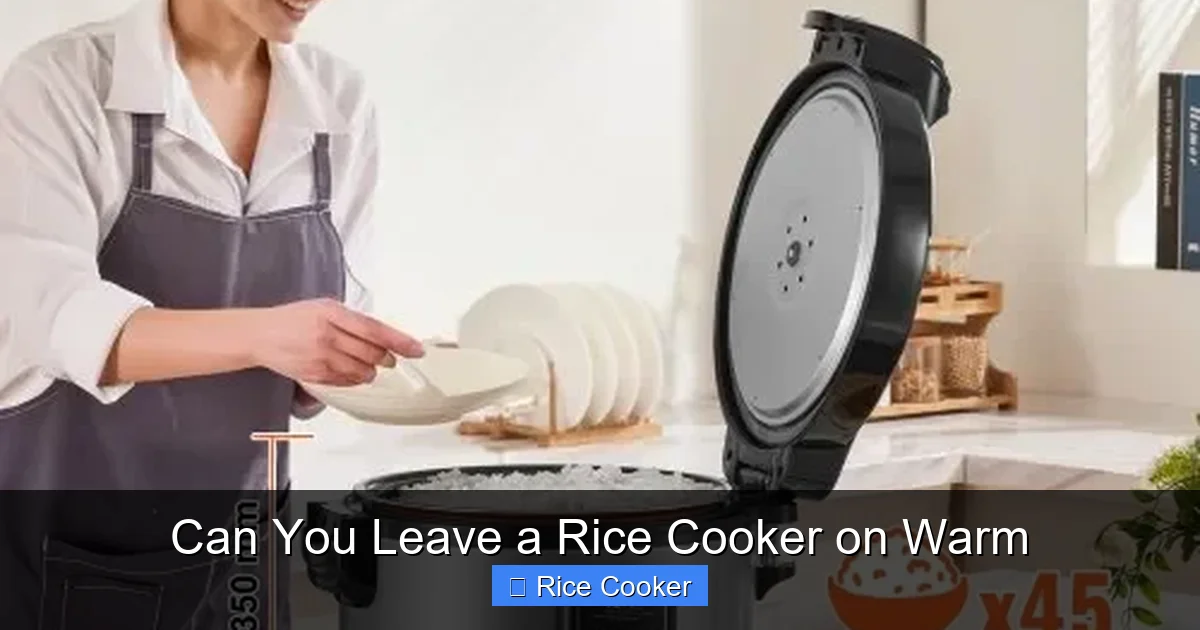
Visual guide about Can You Leave a Rice Cooker on Warm
Image source: img.vevorstatic.com
Why Rice Is Especially Vulnerable
Rice is particularly risky because it contains spores of Bacillus cereus, which survive cooking. These spores can become active again when the rice is kept warm for too long, multiplying and producing toxins that cause food poisoning. Even if the rice cooker keeps the temperature steady, it doesn’t eliminate this risk entirely.
FDA Guidelines and Food Safety Standards
The U.S. Food and Drug Administration (FDA) recommends that perishable foods like cooked rice should not be left in the danger zone for more than two hours. If the ambient temperature is above 90°F (32°C), this limit drops to one hour. Since the warm setting keeps rice above 140°F, it technically falls outside the danger zone — but only if the unit is functioning properly and consistently.
However, fluctuations in temperature, power interruptions, or older models with less reliable thermostats can cause the rice to dip into unsafe ranges. That’s why experts advise against relying solely on the warm setting for long-term storage.
How Long Can You Safely Keep Rice on Warm?
The general rule of thumb is no more than 2–3 hours if you plan to eat the rice soon. For longer delays, it’s safer to transfer the rice to a sealed container and refrigerate it. When reheating, make sure the rice reaches an internal temperature of 165°F (74°C) throughout.
What the Manufacturers Say
Most rice cooker brands, including Zojirushi, Panasonic, and Cuisinart, state in their manuals that the warm setting is intended for short-term holding, typically up to 12 hours maximum. However, they also warn that food quality and safety degrade over time, even under ideal conditions.
Signs It’s Time to Turn Off the Warm Setting
- Odor changes: A sour or off smell indicates spoilage.
- Dry texture: Over time, the rice can dry out and become hard.
- Visible mold: White or green spots mean the rice is no longer safe to eat.
- Power loss: If the rice cooker loses power and restarts, the warm cycle may not restore safely.
Can You Leave Other Foods on Warm in a Rice Cooker?
While rice is the most common food cooked in rice cookers, many people use them to steam vegetables, cook oatmeal, or even keep soups warm. But can you leave these foods on warm indefinitely?
Steamed Vegetables
Steamed vegetables retain their nutrients and texture well when kept warm, but they still fall into the same food safety category as rice. Leafy greens and root vegetables can develop off-flavors or lose crispness after a few hours. It’s best to serve steamed veggies within 2 hours or transfer them to a covered dish.
Soups and Stews
Liquid-based foods like soups and stews can be kept warm for longer periods — sometimes up to 4 hours — because liquids conduct heat evenly and reduce the risk of bacterial hotspots. However, if the soup cools and then reheats unevenly during power cycles, it may not reach safe temperatures throughout. Again, refrigeration is the safest option for extended storage.
Oatmeal and Grains
Cooked oatmeal, quinoa, and other grains behave similarly to rice. They can be left on warm for a couple of hours, but prolonged exposure leads to dryness and potential bacterial growth. Adding a splash of milk or broth when reheating helps restore moisture.
Tips for Using the Warm Setting Safely
If you do need to keep food warm in your rice cooker, here are some practical tips to minimize risks and maintain food quality:
1. Use Freshly Cooked Food
Only place recently cooked food into the warm setting. Cold or partially cooled food takes longer to reach safe temperatures and may spend more time in the danger zone during the transition.
2. Don’t Overfill
Leave space at the top of the inner pot to allow proper heat circulation. Overfilling can lead to uneven warming and increased risk of spoilage.
3. Check the Manual
Not all rice cookers are created equal. High-end models may have improved warm settings with better insulation and timers, while budget versions might cycle on/off more frequently, causing temperature swings.
4. Avoid Opening the Lid Frequently
Each time you open the lid, cold air enters, causing the temperature to drop. This forces the rice cooker to work harder to reheat the food, increasing the chance of inconsistent temperatures.
5. Transfer to Insulated Containers for Long Delays
If you’re serving guests in 3–4 hours, consider transferring the rice to a thermos or insulated container. These maintain heat better than a rice cooker and are safer for food preservation.
6. Clean the Inner Pot Regularly
Residue buildup can affect temperature accuracy and promote bacterial growth. Clean the inner pot after each use with mild soap and warm water.
Can Leaving a Rice Cooker on Warm Damage It?
Leaving a rice cooker on warm won’t necessarily damage it — especially since most units are designed to handle continuous operation. However, constant cycling on and off, combined with heat stress, can reduce the lifespan of internal components like the heating plate or thermostat over time.
Potential Wear and Tear
- Heating Element Fatigue: Repeated heating and cooling can weaken the coil inside the heating plate.
- Thermal Sensor Drift: Sensors may lose accuracy, leading to overheating or underheating.
- Plastic Parts Degradation: Prolonged heat exposure can warp lids or handles.
Does Energy Consumption Matter?
The warm setting uses very little electricity — about 10–20 watts, depending on the model. Still, leaving it on for 12+ hours adds up. For example, running it for 18 hours consumes roughly 0.18 kWh, costing about $0.02 per day. While not expensive, it’s unnecessary if you don’t need the food.
What Happens If the Rice Cooker Loses Power?
If the rice cooker loses power while in warm mode, it will stop heating. When power returns, it may restart automatically — but this could lead to temperature fluctuations. If the rice cools below 140°F, it enters the danger zone. To avoid this, always transfer perishable foods to the refrigerator within 2 hours of cooking.
Backup Plan for Power Outages
- Use a cooler with ice packs to keep cooked rice cold.
- If you must keep it warm, use an insulated blanket or heating pad designed for food warming.
- Avoid reusing the rice cooker immediately after a power surge — let it cool down first.
Alternatives to Leaving Rice on Warm
If you’re concerned about food safety or want to preserve quality, consider these alternatives:
Insulated Food Warmer
A dedicated food warmer keeps meals at the perfect temperature for hours without risking bacterial growth. Many come with timers and temperature displays.
Slow Cooker or Warming Drawer
Some ovens have warming drawers that maintain food at 170°F. If yours doesn’t, a slow cooker set on low can work in a pinch.
Thermos or Vacuum Flask
Pouring hot rice into a preheated thermos locks in heat and moisture. Just make sure to seal it tightly and shake occasionally to distribute warmth.
Reheat When Ready
The simplest solution: reheat the rice in the microwave or on the stove just before serving. This ensures it’s fresh, safe, and delicious.
Conclusion: Use Warm Mode Wisely
So, can you leave a rice cooker on warm? The short answer is yes — but with important caveats. While the appliance is built to handle extended warm cycles, food safety should always come first. For best results, use the warm setting for no more than 2–3 hours, and never leave perishable foods unattended for over 12 hours.
By following simple guidelines — checking the manual, transferring food when needed, and cleaning regularly — you can enjoy perfectly warm rice without compromising taste, texture, or safety. And remember: when in doubt, refrigerate and reheat later. Your family’s health is worth the extra minute.
Whether you’re cooking for a big holiday feast or just prepping for tomorrow’s lunch, knowing how to use your rice cooker responsibly makes all the difference. So go ahead, enjoy that warm rice — just don’t leave it sitting forever.
Frequently Asked Questions
Can I leave rice in the rice cooker on warm overnight?
It’s technically possible due to the auto shut-off, but not recommended for food safety. Bacteria like Bacillus cereus can grow in cooked rice if kept in the danger zone. Refrigerate within 2 hours for best safety.
How long does rice stay good on warm in a rice cooker?
Rice should be served or refrigerated within 2–3 hours when kept on warm. After that, the risk of spoilage increases, even if the rice cooker maintains temperature.
Will leaving a rice cooker on warm burn the rice?
No, the warm setting is designed to prevent burning. However, prolonged exposure can dry out the rice and affect texture. Turning it off after a few hours helps maintain quality.
Can you put cold rice back in a rice cooker to reheat?
You can, but it’s better to use the cook or microwave method. The warm setting won’t reheat rice effectively — it only maintains temperature.
Do all rice cookers have a warm setting?
Most standard rice cookers include a warm function, though basic models may lack it. Always check your manual to confirm.
Is it okay to leave a rice cooker plugged in all the time?
Yes, but only if it has safety features like auto shut-off. Unplugging it when not in use saves energy and reduces wear. Avoid doing so during cooking, though, as power interruptions can affect results.