
Leaving your rice cooker on warm all day is generally safe for modern models, thanks to built-in temperature controls that prevent overheating. However, older or malfunctioning units may pose fire or food safety risks. Always check your manual and use the warm function responsibly to keep food at a safe temperature without burning or drying it out.
Key Takeaways
- Safety First: Most modern rice cookers are designed to stay on warm mode without overheating, but this isn’t true for all models—especially older ones.
- Auto-Shutoff Matters: Look for rice cookers with automatic shutoff features; they turn off after cooking and only maintain warmth when needed.
- Food Safety Concerns: Leaving food in the warm setting too long can lead to bacterial growth, especially if the internal temperature drops below 140°F (60°C).
- Energy Efficiency: The warm setting uses minimal energy, so leaving it on all day won’t significantly increase your electricity bill.
- Texture & Quality: Rice left on warm too long may dry out, become mushy, or develop an off taste due to moisture loss.
- Maintenance Tips: Clean your rice cooker regularly and replace worn-out seals or heating elements to ensure safe operation.
- Alternatives Exist: For meals not served immediately, consider using a slow cooker, insulated container, or reheating later for better results.
📑 Table of Contents
- Can You Leave a Rice Cooker on Warm All Day?
- How Rice Cookers Work: Understanding the Warm Function
- Is It Safe to Leave a Rice Cooker on Warm All Day?
- Food Safety: What You Need to Know
- Practical Tips for Using the Warm Function Responsibly
- Alternatives to Leaving Rice on Warm All Day
- Common Myths About Rice Cooker Warm Settings
- When to Replace Your Rice Cooker
- Conclusion: Smart Use Makes All the Difference
Can You Leave a Rice Cooker on Warm All Day?
Picture this: You’re hosting a dinner party, and you’ve already cooked a pot of perfectly fluffy jasmine rice. But your guests aren’t arriving until two hours later. Instead of letting the rice sit uncovered and go cold, you pop the lid and press the “warm” button. Now your rice stays at just the right temperature—soft, warm, and ready to serve when everyone gets here.
This scenario plays out in kitchens across the country every single day. But have you ever stopped to wonder—is it actually safe to leave a rice cooker on warm all day? The short answer? It depends. Modern rice cookers are built with safety features that make this practice relatively safe, but outdated models or faulty units could pose serious risks. Let’s break down everything you need to know about using your rice cooker’s warm function responsibly—so you never have to choose between convenience and safety again.
How Rice Cookers Work: Understanding the Warm Function
The Science Behind the Warm Setting
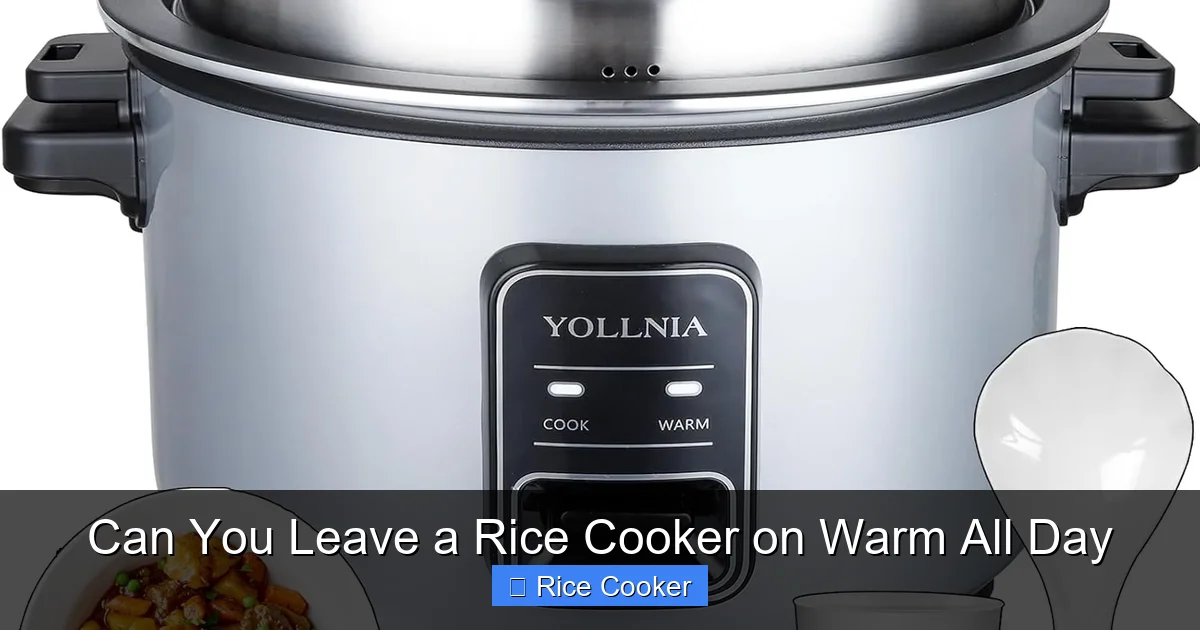
At its core, the “warm” function on a rice cooker is a low-power heating element that maintains a steady temperature—usually around 170°F to 190°F (77°C to 88°C). This isn’t enough to cook rice further; instead, it keeps already-cooked grains from cooling down too quickly. Think of it like a car’s heater—it doesn’t produce new heat, it just holds what’s already there.
Visual guide about Can You Leave a Rice Cooker on Warm All Day
Image source: m.media-amazon.com
Most modern rice cookers also come with a built-in thermostat that monitors internal temperatures. Once the unit reaches the desired level, the thermostat cuts power to the heating element. When the temperature drops slightly (due to heat loss through the container), the system kicks back in. This cycle continues until the cooker is unplugged or switched off.
Why Manufacturers Include a Warm Function
Rice cookers were originally designed as one-pot appliances—you add water and rice, press a button, and walk away. But life doesn’t always go according to plan. Sometimes, meals get delayed. Sometimes, you’re serving a large crowd. That’s why manufacturers added the warm function: to give you flexibility without having to reheat everything later.
It’s also worth noting that some models allow you to set timers or delay start functions. These let you cook rice hours ahead of time and keep it fresh until you’re ready to eat. But even with these features, the warm setting remains the go-to option for short-term holding.
Is It Safe to Leave a Rice Cooker on Warm All Day?
Modern Rice Cookers: Generally Safe
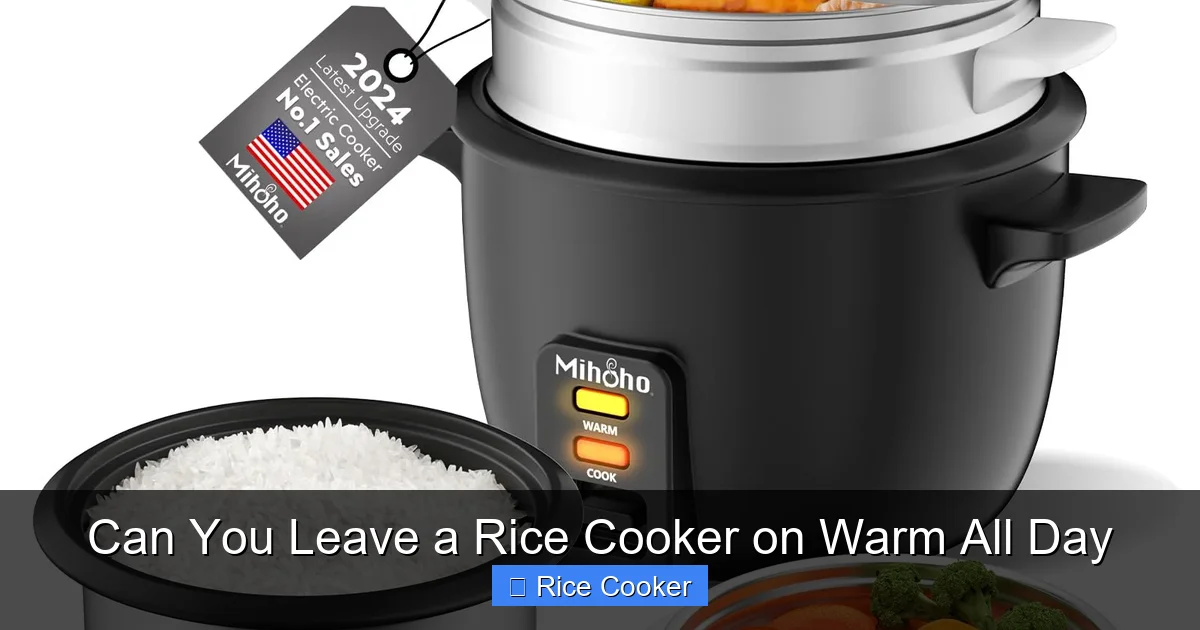
If your rice cooker is less than five years old and has been well-maintained, leaving it on warm all day is usually fine. Today’s models are engineered with multiple safety mechanisms:
Visual guide about Can You Leave a Rice Cooker on Warm All Day
Image source: m.media-amazon.com
- Thermal Fuses: These cut off power if the internal temperature gets dangerously high.
- Auto Shut-Off: Many units automatically switch from cook to warm mode after a set period.
- Non-Stick Inner Pots: Designed to handle repeated heating cycles without warping or releasing harmful fumes.
That said, even the safest appliance isn’t immune to wear and tear. A cracked heating plate or failing thermostat could compromise performance. If your rice cooker starts smoking, makes unusual noises, or feels unusually hot to the touch—unplug it immediately.
Older Models and Potential Risks
Older rice cookers, especially those made before 2010, often lack advanced safety features. They might continue drawing full power even after reaching the warm setting, which increases the risk of overheating. In rare cases, this could lead to:
- Fire hazards due to electrical faults
- Damage to the inner pot or housing
- Reduced lifespan of the appliance
If you’re unsure about your model, check the user manual or contact the manufacturer. You can usually find the model number on a label inside the lid or on the bottom of the base.
Food Safety: What You Need to Know
The Danger Zone: Bacteria and Temperature
According to the USDA, perishable foods should never be kept in the “danger zone”—the temperature range between 40°F and 140°F (4°C and 60°C)—for more than two hours. If your rice cooker’s warm setting dips into this range, bacteria like Bacillus cereus, which thrives in starchy foods like rice, can multiply rapidly.
Even if your rice cooker seems to be maintaining heat, small fluctuations can occur. For example, opening the lid frequently lets cold air in, dropping the internal temperature. Over several hours, this can create ideal conditions for bacterial growth.
Signs Your Rice Has Gone Bad
If you’re ever in doubt about whether your rice is still safe to eat, trust your senses:
- Smell: Sour, ammonia-like, or overly fermented odors are red flags.
- Texture: Sticky, slimy, or clumpy rice indicates contamination.
- Taste: Off flavors—bitter, metallic, or rancid—mean it’s time to toss it.
In general, if it’s been more than four hours since cooking and the rice has been sitting in the warm setting, it’s safer to discard it rather than risk food poisoning.
Practical Tips for Using the Warm Function Responsibly
Limit Usage to 2–4 Hours Max
While your rice cooker might technically work all day, experts recommend limiting warm-mode usage to no more than 2 to 4 hours. After that window, the quality of the rice declines noticeably—and so does its safety.
Here’s a simple rule of thumb: If you’re serving dinner at 6 PM and finished cooking at 4 PM, set the timer accordingly. Or better yet, transfer the rice to an insulated container or chafing dish once it’s cooked.
Keep the Lid Closed
Every time you open the lid, you lose precious heat. Cold air rushes in, lowering the internal temperature and disrupting the warm cycle. Keep the lid sealed tight unless you absolutely need to stir or add ingredients.
Use the Right Amount of Rice
Overfilling your rice cooker can cause uneven heating. Plus, excess rice means more mass to maintain temperature, which stresses the heating element. Stick to the recommended fill line for best results.
Clean Regularly
Dirt, residue, or mineral buildup can interfere with temperature sensors and reduce efficiency. Wipe the exterior weekly and clean the inner pot and lid with mild soap and water after each use. Never submerge the base in water.
Alternatives to Leaving Rice on Warm All Day
Insulated Food Containers
For events lasting several hours, consider transferring cooked rice to a stainless steel or ceramic container lined with a hot pad. These retain heat beautifully and are easy to reheat later if needed.
Slow Cookers or Chafing Dishes
A slow cooker on low or a commercial chafing dish with a warming tray offers superior heat retention. They’re ideal for buffets, parties, or meal prep days.
Reheat Strategically
If you must store rice, let it cool completely, refrigerate within one hour, and reheat thoroughly (to 165°F or 74°C) before eating. Microwave in short bursts with a splash of water to restore moisture.
Common Myths About Rice Cooker Warm Settings
Myth #1: “Warm Mode Cooks Rice Further”
False. The warm setting doesn’t cook rice—it only preserves existing heat. Any additional starch gelatinization or texture changes happen during the initial cooking phase.
Myth #2: “All Rice Cookers Are the Same”
Not true. Brands vary widely in build quality, sensor accuracy, and safety standards. Always read reviews and choose reputable manufacturers like Zojirushi, Panasonic, or Cuisinart.
Myth #3: “You Can Leave It On Forever”
While modern units are safe for extended periods, prolonged use can shorten the appliance’s lifespan and degrade food quality. It’s best to treat the warm function as a short-term solution.
When to Replace Your Rice Cooker
Even the most reliable appliance eventually wears out. Consider replacing your rice cooker if you notice any of the following signs:
- Persistent error codes or failure to switch modes
- Cracks in the plastic casing or warped inner pot
- Unusual smells or smoke during operation
- Frequent overheating despite proper use
Investing in a new model with smart features—like humidity control, voice alerts, or Wi-Fi connectivity—can enhance both safety and convenience.
Conclusion: Smart Use Makes All the Difference
So, can you leave a rice cooker on warm all day? Yes—but with caveats. Modern, well-maintained models can handle extended warm cycles safely, but always prioritize food quality and safety over convenience. Limit warm-mode use to a few hours max, keep the lid closed, and never ignore warning signs like strange smells or excessive heat.
Remember, your rice cooker is a powerful kitchen tool, but it’s not invincible. With proper care and mindful usage, you can enjoy perfectly warm rice whenever you want—without compromising safety or flavor.
Frequently Asked Questions
Is it safe to leave a rice cooker on warm overnight?
Generally no—most experts advise against leaving rice in the warm setting for more than 2–4 hours. Overnight storage increases the risk of bacterial growth and food spoilage, even if the cooker appears functional.
Do rice cookers automatically turn off when in warm mode?
Many modern models do have auto shut-off features that activate after a certain period, but not all. Check your manual to confirm whether your unit includes this safety mechanism.
Can leaving a rice cooker on warm cause a fire?
Rarely, yes—especially with older or damaged models. Faulty thermostats, electrical issues, or blocked vents can lead to overheating. If your cooker smells burnt or feels hot to the touch, unplug it immediately.
Does leaving rice on warm dry it out?
Yes. Prolonged exposure to heat evaporates moisture, making rice stiff, dry, or crumbly. For best texture, serve within 2–3 hours or transfer to a sealed container.
Should I cover the rice when using the warm function?
Absolutely. Keeping the lid on prevents heat loss and maintains consistent temperature. Opening the lid frequently disrupts the cycle and raises safety concerns.
What’s the best way to keep rice warm for a party?
Transfer cooked rice to an insulated container or place it in a slow cooker on low. Alternatively, use a chafing dish with a warming tray for buffet-style service. Avoid relying solely on the rice cooker’s warm setting for long durations.