
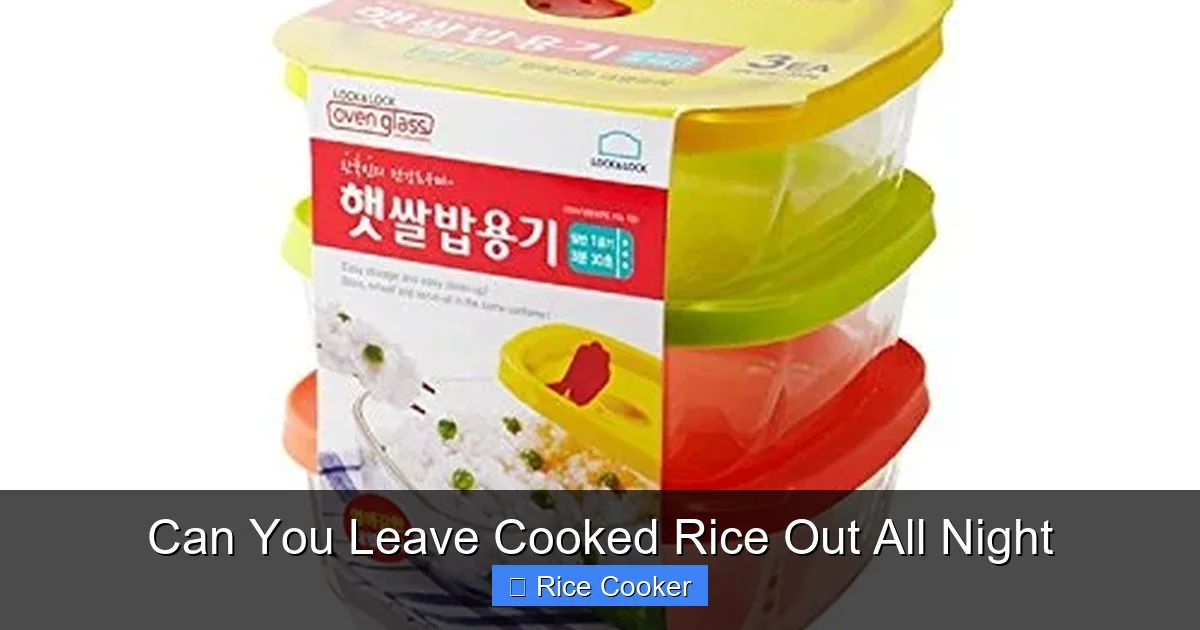
Never leave cooked rice sitting at room temperature for more than 2 hours. Rice can harbor dangerous bacteria like Bacillus cereus that multiply quickly in warm conditions. The safest approach is to cool rice within 1 hour and refrigerate or freeze it promptly.
# Can You Leave Cooked Rice Out All Night?
Picture this: you’ve just finished a delicious dinner with perfectly steamed white rice or flavorful brown rice. Instead of storing it right away, you decide to let it sit on the counter for a few more minutes while you clean up. Before you know it, several hours have passed, and now you’re wondering if that rice is still safe to eat tomorrow.
This common kitchen dilemma has been confusing home cooks for generations. The question “can you leave cooked rice out all night?” might seem simple, but the answer involves some important food science and safety considerations that could protect your health.
## The Science Behind Rice Safety
### Understanding Bacillus Cereus
The main concern with leaving cooked rice at room temperature is the presence of Bacillus cereus, a type of bacteria commonly found in soil and dust. When rice absorbs water during cooking, it creates an ideal environment for these bacteria to grow. What makes Bacillus cereus particularly tricky is its ability to produce heat-resistant spores that survive normal cooking temperatures.
These spores can remain dormant in rice until it’s left at room temperature, where they begin to germinate and multiply rapidly. The bacteria themselves aren’t typically harmful, but they produce two types of toxins that cause food poisoning:
**Emetic toxin:** This causes vomiting and typically appears 30 minutes to 6 hours after consumption
**Enterotoxin:** This causes diarrhea and usually shows up 6 to 15 hours later
### Temperature and Time Factors
The temperature danger zone for bacterial growth spans from 40°F to 140°F (4°C to 60°C). Within this range, bacteria multiply exponentially. Here’s what happens to rice over time:
* **First 2 hours:** Minimal risk if rice was freshly cooked
* **2-4 hours:** Bacterial growth begins significantly
* **4-8 hours:** Dangerous levels of bacteria and toxins may develop
* **Overnight (8+ hours):** High probability of contamination
### Why Rice Is Different From Other Foods
Unlike meat or vegetables, rice has unique properties that make it particularly susceptible to bacterial growth. When rice is cooked, the starches gelatinize, creating tiny spaces where bacteria can easily colonize. Additionally, leftover rice often contains residual moisture from the cooking process, providing another breeding ground for bacteria.
Other grains like pasta or oatmeal have similar concerns, but rice remains one of the most problematic due to its widespread consumption and the specific way it interacts with water during cooking.
## Immediate Consequences of Leaving Rice Out
### Health Risks
Eating rice that has been left out overnight can lead to what’s known as “fried rice syndrome” – a form of food poisoning caused by Bacillus cereus. The symptoms typically appear relatively quickly and can include:
* Sudden nausea or vomiting (within 30 minutes to 1 hour)
* Stomach cramps and abdominal pain
* Diarrhea (sometimes appearing 6-12 hours later)
* Fever and chills in severe cases
* Headache and muscle aches
For healthy adults, these symptoms usually resolve within 24 hours without medical intervention. However, the elderly, young children, pregnant women, and people with weakened immune systems are at higher risk for complications.
### Food Waste Concerns
Beyond health issues, leaving rice out also contributes to unnecessary food waste. When rice isn’t stored properly, it loses quality and becomes unappetizing. The texture changes, becoming either mushy or overly dry, and the flavor diminishes significantly.
### Economic Impact
From a broader perspective, improper rice storage affects the entire food supply chain. Restaurant kitchens that discard improperly stored rice face increased operational costs, which ultimately get passed down to consumers through higher menu prices.
## Safe Storage Practices
### Proper Cooling Techniques
If you need to store rice, the cooling process is critical. Never place hot rice directly in the refrigerator, as it can raise the internal temperature of your fridge and compromise other foods. Instead, follow these steps:
1. **Divide large portions** into smaller, shallow containers (no more than 2 inches deep)
2. **Use multiple containers** rather than one large one to speed cooling
3. **Stir occasionally** during the first hour to release heat evenly
4. **Cover containers loosely** initially, then seal tightly once cooled
5. **Refrigerate within 1 hour** of cooking
### Optimal Refrigeration Methods
Once cooled, store rice in airtight containers in the coldest part of your refrigerator. The ideal storage location is the back of the bottom shelf, where temperatures are most consistent. Avoid placing rice near raw meats or other potential sources of cross-contamination.
Label containers with the date and contents for easy identification. Most experts recommend using refrigerated rice within 3-5 days for best quality and safety.
### Freezing for Long-Term Storage
For longer preservation, freezing is highly effective. Place cooled rice in freezer-safe containers or bags, removing as much air as possible. Frozen rice can last up to 6 months while maintaining quality. When ready to use, thaw overnight in the refrigerator or reheat directly from frozen.
## Reheating Guidelines
### Safe Reheating Methods
When you’re ready to enjoy your stored rice, proper reheating is essential. The goal is to heat the rice thoroughly throughout to kill any surviving bacteria. Here are the recommended methods:
**Microwave method:**
* Place rice in a microwave-safe dish
* Add a tablespoon of water to prevent drying
* Cover with a damp paper towel
* Heat in 30-second intervals, stirring between each
* Ensure internal temperature reaches 165°F (74°C)
**Stovetop method:**
* Place rice in a saucepan with a little water or broth
* Heat over medium-low heat, stirring frequently
* Bring to a simmer until heated through
* Check temperature with a food thermometer
**Oven method:**
* Preheat oven to 350°F (175°C)
* Transfer rice to an oven-safe dish
* Cover tightly with foil or lid
* Heat for 15-20 minutes, checking halfway through
### What NOT to Do
Avoid these common mistakes when reheating rice:
* Don’t use high heat settings that create hot spots
* Never reheat rice more than once
* Don’t skip the stirring step, which ensures even heating
* Avoid using plastic containers that can leach chemicals when heated
## Special Considerations
### Brown vs. White Rice
Both types of rice present similar safety concerns, but there are slight differences in handling. Brown rice typically has more surface area and can absorb more water, potentially creating more opportunities for bacterial growth. However, the same storage and reheating guidelines apply to both varieties.
### Fried Rice Safety
Restaurant-style fried rice presents additional challenges because it often contains mixed ingredients that can interfere with proper reheating. If you’re making fried rice at home, treat it exactly like plain cooked rice – cool and store it properly. For restaurant leftovers, follow the same guidelines as for plain rice.
### Rice Cooker Storage
Modern rice cookers often have built-in keep-warm functions that maintain rice at around 190°F (88°C). While this sounds warm enough to prevent bacterial growth, the American Academy of Pediatrics actually recommends turning off the keep-warm function after the initial 10 minutes of cooking. Extended keep-warm cycles can actually encourage bacterial growth in the rice.
### Cultural Perspectives
Different cultures have varying approaches to rice storage. In many Asian countries, rice is traditionally served immediately or stored very differently than in Western kitchens. However, global health organizations recommend following the same basic safety principles regardless of cultural practices.
## Prevention Strategies
### Meal Planning Tips
The best way to avoid rice storage issues is prevention through better meal planning. Consider these strategies:
* Cook only the amount of rice you’ll realistically consume
* Plan ahead by preparing rice for multiple meals
* Use leftover rice in recipes where it won’t be reheated separately, like fried rice or rice salads
* Consider making larger batches on weekends for weekday convenience
### Kitchen Organization
Good kitchen organization can prevent many food safety issues. Keep your refrigerator well-stocked so you’re less tempted to leave food out. Designate specific areas for storing different types of leftovers, and establish routines for cleaning up after meals.
### Education and Awareness
Many people simply don’t understand the risks associated with improper food storage. Sharing information about rice safety with family members and friends can help prevent foodborne illnesses across communities. Consider posting reminder notes in kitchens or sharing articles like this one with others who love cooking.
## Real-Life Examples and Case Studies
### Hospitalization Cases
Health departments regularly report cases of Bacillus cereus infections linked to improperly stored rice. One notable outbreak occurred in a school cafeteria where several hundred students became ill after eating lunch containing rice that had been left at room temperature for several hours.
### Successful Prevention Stories
Conversely, many families successfully prevent rice-related incidents by following proper storage procedures. One family implemented a “rice cooling station” in their kitchen – a designated area with small containers, lids, and labels specifically for cooling and storing rice. This simple system eliminated their concerns about rice safety.
### Restaurant Protocols
Professional kitchens have strict protocols for rice handling. Many restaurants use blast chillers to rapidly cool rice to safe temperatures within minutes, then store it under refrigeration. Some establishments even use time-temperature indicators on rice containers to ensure they’re not kept beyond safe limits.
## Common Misconceptions
### Myth: “If It Smells Fine, It’s Safe”
Many people assume that if rice doesn’t smell bad, it must be safe to eat. However, Bacillus cereus doesn’t always produce noticeable odors or flavors. The toxins it produces can make rice taste slightly bitter or starchy without any obvious signs of spoilage.
### Myth: “Boiling Rice Makes It Safe”
Simply boiling rice that’s been left out won’t destroy the toxins already produced by bacteria. These heat-stable toxins require extremely high temperatures to break down, far beyond what’s achieved during normal cooking.
### Myth: “All Rice Cookers Are Safe”
While modern rice cookers are convenient, not all have adequate safety features. Older models or budget versions may not have proper temperature controls or may automatically switch to keep-warm mode, creating conditions where bacteria can thrive.
### Myth: “Rice Lasts Forever in the Fridge”
Even with proper storage, rice has a limited lifespan. Refrigerated rice should be used within 3-5 days. Beyond that timeframe, even though it may look and smell fine, the quality deteriorates and the risk of subtle bacterial growth increases.
## Technological Solutions
### Advanced Rice Cookers
Some high-end rice cookers now include features designed to address safety concerns. These may include:
* Automatic shut-off after optimal cooking time
* Rapid cooling functions
* Built-in sterilization cycles
* Digital temperature monitoring
* Smart connectivity that tracks storage times
### Food Safety Apps
Several apps now help users track food storage times and receive alerts before items become unsafe. These can be particularly helpful for tracking rice and other perishable foods.
### Smart Refrigerators
Modern smart refrigerators can monitor internal temperatures and alert users to potential issues. Some models can even suggest optimal storage locations based on the type of food being stored.
## Global Food Safety Standards
### International Guidelines
Different countries have varying regulations regarding food storage, but most developed nations follow similar basic principles. The FDA, USDA, and World Health Organization all emphasize the importance of rapid cooling and proper refrigeration for starchy foods like rice.
### Certification Programs
Food service establishments can obtain certifications like ServSafe that include comprehensive training on safe food handling, including proper rice storage and handling techniques.
### Educational Resources
Many universities and extension services offer free online resources about food safety, including detailed guides on preventing Bacillus cereus infections.
## Future of Rice Safety
### Research Developments
Scientists are exploring new methods to prevent bacterial growth in rice, including modified packaging that maintains optimal humidity levels and edible coatings that inhibit bacterial colonization.
### Consumer Technology
We can expect to see more consumer-focused technologies designed to help home cooks manage food safety, from smart containers that monitor temperature and time to mobile apps that provide personalized storage recommendations.
### Educational Initiatives
As awareness grows about foodborne illness prevention, educational programs are likely to expand, reaching more people with practical information about safe food handling practices.
## Conclusion
The simple answer to “can you leave cooked rice out all night?” is no. While it might seem harmless to let rice cool on the counter, the potential health risks far outweigh any minor convenience. The bacteria that can grow in improperly stored rice produce toxins that survive normal cooking temperatures, making contaminated rice dangerous regardless of how carefully you reheat it.
By understanding the science behind rice safety and implementing proper storage techniques, you can enjoy leftover rice safely and deliciously. Remember to cool rice quickly, store it properly, and reheat it thoroughly. These simple steps will protect you and your loved ones from unpleasant food poisoning while allowing you to make the most of your cooking efforts.
Whether you’re cooking for a family dinner or preparing meals for the week ahead, taking a few extra minutes to handle rice correctly will save you from potential illness and food waste. Your future self will thank you when you’re enjoying a perfectly reheated bowl of rice without any worries.
Key Takeaways
- Bacterial Growth Risk: Cooked rice left out overnight can harbor Bacillus cereus, a bacterium that produces heat-resistant spores and toxins.
- Temperature Danger Zone: Bacteria multiply rapidly between 40°F and 140°F (4°C and 60°C), making room-temperature storage unsafe.
- Reheating Dangers: Simply reheating rice doesn’t eliminate toxins – they’re already formed during bacterial growth.
- Proper Cooling Method: Divide large portions into shallow containers to cool rice quickly and safely.
- Storage Timeline: Refrigerated rice lasts 3-5 days maximum; frozen rice remains safe for up to 6 months.
- Symptoms to Watch: Nausea, vomiting, diarrhea, and stomach cramps can appear 30 minutes to 6 hours after eating contaminated rice.
- Prevention is Key: Always store rice properly from the moment it’s cooked to avoid foodborne illness.
Frequently Asked Questions
Is it safe to leave cooked rice out overnight?
No, leaving cooked rice out overnight is not safe. Bacteria like Bacillus cereus can multiply rapidly between 40°F and 140°F, producing toxins that cause food poisoning. Rice should never sit at room temperature for more than 2 hours.
How long can cooked rice be left out safely?
Cooked rice should not be left out for more than 2 hours at room temperature. In hot environments (above 90°F/32°C), this time limit drops to just 1 hour due to faster bacterial growth.
Can you reheat rice that was left out overnight?
Even if you reheat rice that was left out overnight, it may still be unsafe to eat. The toxins produced by bacteria like Bacillus cereus are heat-stable and won’t be destroyed by reheating.
How should I properly store cooked rice?
Cool rice quickly by dividing it into shallow containers, then refrigerate within 1 hour. Store in airtight containers in the coldest part of your refrigerator for up to 3-5 days.
Does type of rice matter for storage safety?
Both white and brown rice require the same storage precautions. While brown rice has more surface area, the same bacterial growth risks apply to both types.
What are the symptoms of rice poisoning?
Symptoms typically include nausea, vomiting, diarrhea, and stomach cramps. Vomiting usually occurs within 30 minutes to 6 hours, while diarrhea may appear 6-15 hours later.