
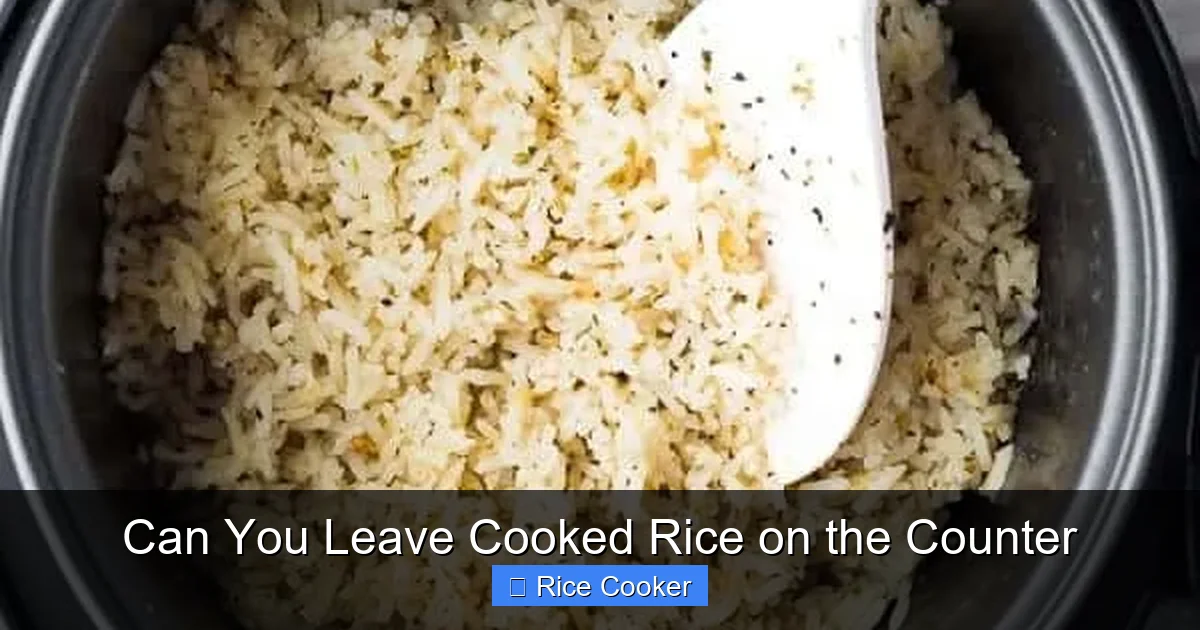
Leaving cooked rice out at room temperature is a major food safety risk. Bacillus cereus, a bacteria that thrives in warm environments, can grow rapidly on improperly stored rice and cause food poisoning. To stay safe, always refrigerate cooked rice within two hours of cooking.
Key Takeaways
- Understanding can you leave cooked rice on the counter: Provides essential knowledge
📑 Table of Contents
- Can You Leave Cooked Rice on the Counter? The Hidden Dangers of Room-Temperature Storage
- Why Is Cooked Rice Dangerous When Left Out?
- What Happens if You Eat Rice Left Out All Night?
- How Long Can Cooked Rice Sit Out Safely?
- Best Practices for Storing Cooked Rice
- How to Reheat Leftover Rice Safely
- Common Myths About Rice Safety
- Special Considerations for Different Types of Rice
- Food Safety Guidelines from Experts
- What to Do If You Suspect Rice Poisoning
- Conclusion: Keep Your Rice Safe and Delicious
Can You Leave Cooked Rice on the Counter? The Hidden Dangers of Room-Temperature Storage
You just finished a delicious meal of stir-fried chicken and vegetables served over perfectly fluffy white rice. After cleaning up, you realize there’s still a generous portion left. Instead of tossing it or rushing to put it in the fridge, you wonder: can you leave cooked rice on the counter? It’s a common question, especially among busy families or those who cook in large batches. But before you make that decision, it’s important to understand what really happens when rice sits out at room temperature—and why doing so could put your health at risk.
Cooked rice is more than just carbohydrates. It’s a warm, moist environment that can quickly become a playground for bacteria. While rice itself isn’t dangerous when freshly cooked, the moment it cools down and sits out, conditions become ideal for bacterial growth. Most people don’t know this, but rice often contains spores of a bacterium called Bacillus cereus. These spores survive the cooking process, and when rice cools slowly or remains at room temperature, they begin to multiply—sometimes producing powerful toxins that can make you sick.
In this comprehensive guide, we’ll explore everything you need to know about storing cooked rice safely. From understanding the science behind food spoilage to practical tips on reheating and freezing, you’ll learn how to enjoy rice without fear. Whether you’re using a traditional pot or a modern rice cooker, these guidelines apply to all types of cooked rice—white, brown, jasmine, basmati, or even instant. Let’s dive into the facts and get your kitchen habits aligned with food safety best practices.
Why Is Cooked Rice Dangerous When Left Out?
Many assume that since rice is dry and grainy, it’s naturally resistant to spoilage. But that’s a misconception. The real danger lies in the way rice interacts with bacteria, particularly Bacillus cereus. This bacterium is unique because its spores can survive high heat during cooking. Once the rice cools, the spores awaken and start growing—especially in the temperature range between 40°F and 140°F, known as the “danger zone.”
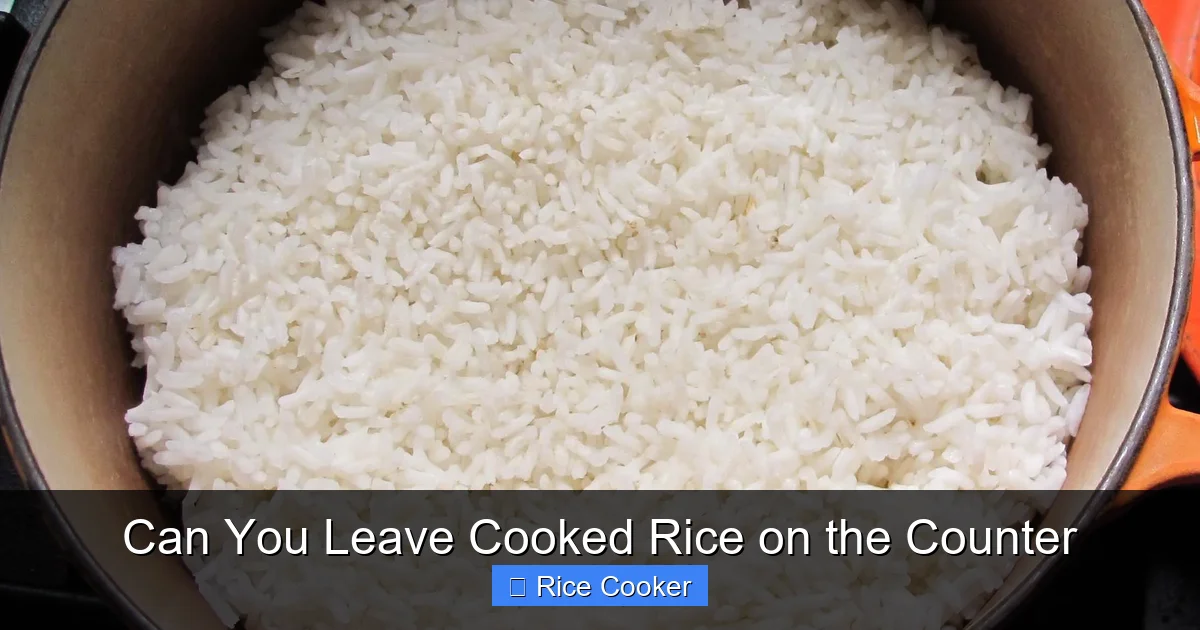
Visual guide about Can You Leave Cooked Rice on the Counter
Image source: i.pinimg.com
The Science Behind Bacillus Cereus
Bacillus cereus is a hardy, spore-forming bacterium commonly found in soil and dust. It’s also present in raw rice, which explains why even freshly cooked rice can carry these spores. During cooking, the rice absorbs water and heats up, killing most bacteria. However, the spores themselves are designed to withstand extreme conditions—including boiling temperatures.
As soon as the cooked rice begins to cool, the spores germinate and multiply rapidly. Within just a few hours at room temperature, populations can reach levels high enough to produce enterotoxins or emetic toxins. The emetic toxin causes rapid-onset vomiting (within one to six hours), while the diarrheal toxin leads to cramping and diarrhea. Both forms are linked to improperly stored rice.
The Danger Zone: 40°F–140°F
The U.S. Food and Drug Administration (FDA) defines the “danger zone” as temperatures between 40°F and 140°F, where bacteria reproduce most quickly. When cooked rice sits on the counter, it naturally cools from boiling (around 212°F) into this range. If it stays there for more than two hours—or one hour if the ambient temperature is above 90°F—the risk of contamination increases significantly.
This is why food safety experts consistently advise against leaving any perishable food, including rice, out at room temperature for extended periods. Other foods like pasta, beans, or casseroles face similar risks. But rice stands out because of its widespread consumption and the ease with which people overlook its vulnerability.
What Happens if You Eat Rice Left Out All Night?
If you’ve ever forgotten a pot of rice on the stove overnight, you might be wondering: Is it still safe to eat? Unfortunately, the answer is usually no—and not just because it’s cold. Even if the rice looks and smells fine, harmful bacteria may have already taken hold.
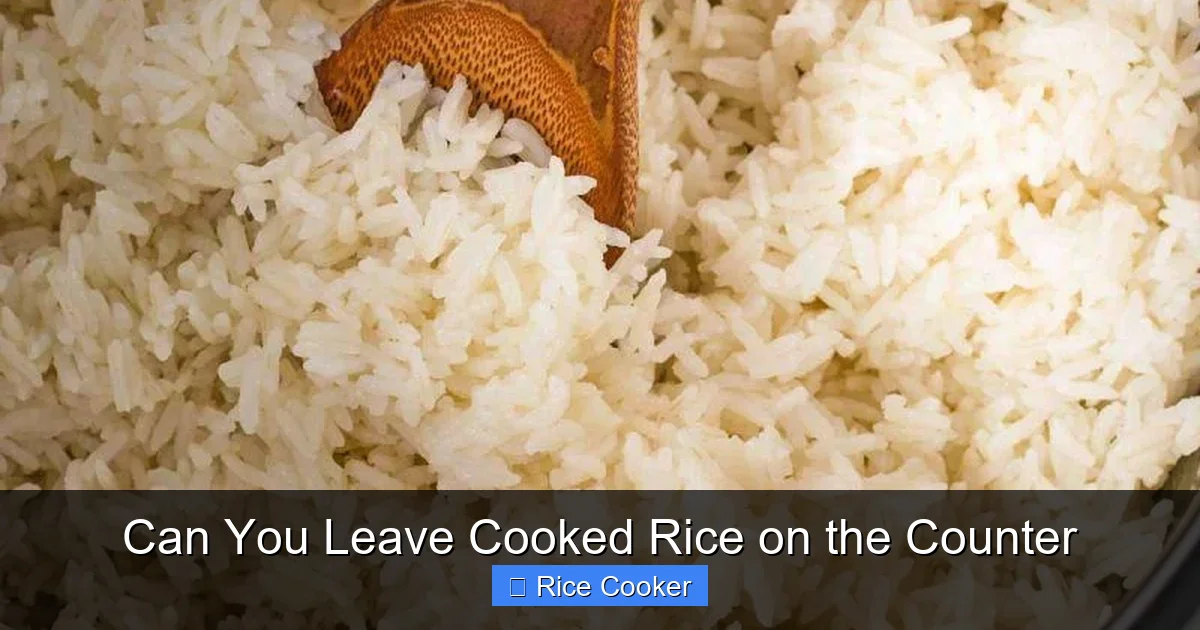
Visual guide about Can You Leave Cooked Rice on the Counter
Image source: i.pinimg.com
Signs That Rice Has Gone Bad
It’s important to note that spoiled rice doesn’t always show obvious signs. Unlike milk turning sour or meat developing a foul odor, rice can look, smell, and taste completely normal—even when it’s contaminated. This makes it especially dangerous because you can’t rely on appearance alone to judge safety.
However, some warning signs include:
- Unusual sliminess or stickiness
- A strange, off-putting odor (though many people mistake this for normal rice)
- Discoloration (yellowish or greenish tinge)
- Mold growth (visible fuzzy spots)
If any of these are present, discard the rice immediately. But even without visible changes, rice left out for more than two hours should be treated as potentially hazardous.
Food Poisoning Symptoms to Watch For
If you consume rice that has been improperly stored, symptoms may appear within minutes or up to 24 hours later. The type of symptom depends on the strain of bacteria involved:
- Vomiting (emetic type): Begins suddenly, often within 1–6 hours, and can last several hours.
- Diarrhea (diarrheal type): Causes stomach cramps, nausea, and watery bowel movements, typically starting 6–15 hours after ingestion.
Most cases resolve on their own within 24 hours, but dehydration from vomiting and diarrhea can be severe, especially in children, elderly individuals, or those with weakened immune systems. In rare cases, hospitalization may be required.
How Long Can Cooked Rice Sit Out Safely?
According to food safety guidelines from the USDA and FDA, cooked rice should never be left at room temperature for more than two hours. If the ambient temperature is 90°F (32°C) or higher, the limit drops to one hour. These rules apply regardless of whether you’re using a rice cooker, stovetop, or instant pot.
Room Temperature vs. Refrigeration
When rice is refrigerated promptly, the cooling process slows bacterial growth dramatically. The refrigerator’s cold environment (typically below 40°F) keeps Bacillus cereus in check, allowing rice to remain safe for several days. In contrast, room-temperature storage allows bacteria to multiply exponentially.
For example, if rice cools from 140°F to 70°F in two hours, bacteria may double every 20 minutes. By the time you return home from work, what was once a safe meal could now contain thousands—if not millions—of bacteria per gram.
Exceptions and Special Cases
Some people argue that if rice is cooled quickly using ice baths or placed in shallow containers, it might be safe longer. While rapid cooling does reduce risk, it’s not foolproof. The safest approach remains refrigeration within the recommended timeframe.
Also, note that different types of rice have varying risks:
- White rice: Higher starch content may slightly inhibit bacterial growth, but still unsafe if left out.
- Brown rice: Contains natural oils that can spoil faster; always refrigerate promptly.
- Instant or parboiled rice: Often pre-treated to reduce cooking time, but leftover portions follow the same rules.
Best Practices for Storing Cooked Rice
Now that we’ve established why leaving rice out is risky, let’s talk solutions. Proper storage is key to enjoying leftover rice without worry. With the right techniques, you can keep your rice fresh, flavorful, and safe for days—or even weeks.
Refrigeration Tips
To store rice safely in the refrigerator:
- Cool quickly: Spread rice in a thin layer or use an ice bath to speed up cooling.
- Use shallow containers: This helps the rice cool faster and prevents condensation buildup.
- Cover tightly: Use airtight lids or plastic wrap to prevent drying and cross-contamination.
- Label and date: Write the date on the container so you know when it was made.
Refrigerated rice lasts up to 4–6 days. Beyond that, the texture degrades, and the risk of contamination rises—even if it looks okay.
Freezing for Long-Term Storage
Want to save rice for longer? Freezing is an excellent option. Properly frozen rice can stay safe for up to six months. Here’s how:
- Portion rice into freezer-safe bags or containers.
- Remove as much air as possible to prevent freezer burn.
- Thaw in the refrigerator overnight or reheat directly from frozen (adding a splash of water to prevent drying).
Frozen rice maintains better texture when reheated properly—see our section on reheating below.
Using Airtight Containers
Investing in quality food storage containers pays off. Look for BPA-free plastics or glass with tight-fitting lids. Avoid open bowls or uncovered dishes, which allow air and microbes to enter.
Bonus tip: Add a small piece of bread inside the container. As the bread dries out, it acts as a humidity regulator, keeping the rice from becoming too brittle.
How to Reheat Leftover Rice Safely
Eating cold rice occasionally is fine—but reheating is necessary to destroy any surviving bacteria. Simply microwaving or warming on the stovetop can do the trick, but only if done correctly.
Microwave Method
Place rice in a microwave-safe dish. Add 1–2 tablespoons of water per cup to prevent drying. Cover with a damp paper towel or lid to trap steam. Heat on high in 30-second intervals, stirring between each, until the rice reaches 165°F internally (use a food thermometer if possible).
Stovetop Method
Heat rice in a saucepan over medium-low heat. Stir frequently and add a bit of broth or water to restore moisture. Cook until steaming hot throughout—about 5–7 minutes.
Oven Method
Spread rice on a baking sheet lined with parchment. Drizzle with oil or water, cover with foil, and bake at 350°F (175°C) for 15–20 minutes, stirring halfway through.
No matter the method, never reheat rice more than once. Repeated heating increases the risk of bacterial regrowth.
Common Myths About Rice Safety
Over the years, several myths have circulated about rice storage. Let’s clear them up so you can make informed decisions.
Myth #1: “Rice Becomes Safer Over Time”
False. While some foods like cured meats or aged cheeses develop complex flavors over time, rice doesn’t benefit from aging. In fact, older rice becomes harder, drier, and less palatable. Freezing preserves quality better than refrigeration.
Myth #2: “Boiling Rice Again Makes It Safe”
Not necessarily. Boiling may kill existing bacteria, but it won’t neutralize pre-formed toxins produced by Bacillus cereus. Toxins are heat-stable and can cause illness even after reheating.
Myth #3: “If Rice Smells Fine, It’s Safe”
As mentioned earlier, rice can harbor dangerous bacteria without changing smell, taste, or appearance. Relying on sensory cues alone is unreliable.
Myth #4: “Instant Rice Doesn’t Need Refrigeration”
All cooked rice—including instant—must be refrigerated within two hours. Pre-cooked or pre-seasoned varieties are especially prone to spoilage due to added ingredients.
Special Considerations for Different Types of Rice
While the basic principles of rice safety apply universally, certain rice varieties come with unique challenges.
Brown Rice
Brown rice has a higher oil content than white rice, making it more susceptible to rancidity. Always store it in the refrigerator and consume within 3–4 days. For longer storage, freeze in airtight containers.
Wild Rice
Though botanically a grass seed, wild rice behaves like other whole grains. It should be refrigerated promptly and used within a few days. Its nutty flavor and chewy texture make it popular in pilafs and salads.
Instant Rice
Quick-cooking rice is convenient, but leftover portions follow the same rules. Because it’s often pre-seasoned with salt or spices, it may spoil faster. Label clearly and prioritize consumption within 2–3 days.
Jasmine and Basmati Rice
These aromatic varieties are typically rinsed before cooking, which removes surface starch and may slightly reduce bacterial load. Still, proper storage is essential. Their fragrant profiles also mean any spoilage becomes noticeable more quickly.
Food Safety Guidelines from Experts
Organizations like the USDA, FDA, and the Centers for Disease Control and Prevention (CDC) provide consistent recommendations on perishable food handling. Here’s what the pros say:
- USDA: “Do not leave cooked rice at room temperature for more than 2 hours.”
- FDA Food Code: Emphasizes rapid cooling and refrigeration as critical control points.
- CDC: Warns that Bacillus cereus is a leading cause of foodborne illness linked to rice.
These agencies also recommend using food thermometers, practicing good hygiene, and avoiding cross-contamination with raw foods.
What to Do If You Suspect Rice Poisoning
If you or someone you know experiences symptoms after eating rice that was left out, act quickly:
- Drink plenty of fluids to prevent dehydration.
- Seek medical attention if symptoms are severe, persistent, or accompanied by fever.
- Report the incident to local health authorities if multiple people were affected (possible foodborne outbreak).
Remember: prevention is far easier than treatment. By following safe storage practices, you protect yourself and your loved ones.
Conclusion: Keep Your Rice Safe and Delicious
The simple answer to “can you leave cooked rice on the counter?” is a resounding no—at least not for long. While rice may seem innocent, it hides a hidden danger in the form of Bacillus cereus. This bacterium turns a seemingly harmless grain into a potential health hazard if mishandled.
By refrigerating rice within two hours, storing it in airtight containers, and reheating thoroughly, you eliminate most risks. Whether you’re preparing a family dinner or meal-prepping for the week, these steps are easy to implement and worth the effort. After all, no one wants to spend their evening recovering from food poisoning instead of enjoying a warm bowl of rice.
So next time you have leftovers, don’t hesitate to pop that rice in the fridge. Your future self will thank you—and your taste buds will stay happy too.
Frequently Asked Questions
Can I leave cooked rice out overnight?
No, you should never leave cooked rice out overnight. Bacteria like Bacillus cereus can multiply rapidly at room temperature, producing toxins that cause food poisoning. Always refrigerate within two hours.
How long can rice sit out at room temperature?
Cooked rice should not sit out for more than two hours—or one hour if the room temperature exceeds 90°F (32°C). Beyond that, the risk of bacterial growth becomes dangerously high.
Is it safe to eat rice that smells fine?
Not necessarily. Rice can harbor harmful bacteria without changing its smell, taste, or appearance. Relying on sensory cues alone is unreliable; always follow food safety guidelines.
Can you reheat rice more than once?
It’s best to avoid reheating rice more than once. Each reheating cycle increases the risk of bacterial regrowth. Prepare only as much as you plan to consume.
How long does rice last in the refrigerator?
Refrigerated cooked rice is safe for 4–6 days when stored properly in airtight containers. After that, texture deteriorates and contamination risk increases.
Does freezing rice ruin its texture?
Freezing can affect texture slightly, but proper storage minimizes damage. Portion rice into small amounts, remove excess air, and thaw slowly in the refrigerator for best results.