
Leaving cooked rice unrefrigerated is dangerous because it can grow harmful bacteria like Bacillus cereus, which causes food poisoning. Always refrigerate rice within 1 hour of cooking to stay safe and preserve quality.
Key Takeaways
- Understanding can you leave cooked rice unrefrigerated: Provides essential knowledge
📑 Table of Contents
- Can You Leave Cooked Rice Unrefrigerated? The Truth About Food Safety
- The Dangers of Leaving Rice Out at Room Temperature
- Safe Storage Practices for Cooked Rice
- Can You Freeze Cooked Rice?
- Signs Your Rice Has Gone Bad
- Special Considerations: Rice Cookers and Leftovers
- What About Fried Rice?
- Final Thoughts: Protect Yourself and Your Family
Can You Leave Cooked Rice Unrefrigerated? The Truth About Food Safety
Have you ever made a big pot of rice for dinner, only to find yourself with leftovers? Maybe you’re rushing to clean up or simply forgot about the rice sitting on the counter. It’s tempting to leave it out—after all, rice is just rice, right? But here’s the real question: can you leave cooked rice unrefrigerated?
The short answer? No, not safely. When rice is cooked, its starches break down, creating a warm, moist environment where bacteria thrive. One particularly sneaky culprit is Bacillus cereus—a spore-forming bacterium that can survive normal cooking temperatures. If rice sits too long at room temperature, these spores wake up, multiply, and produce toxins that cause food poisoning. So while it might look and smell fine, eating unrefrigerated rice could lead to nausea, vomiting, or diarrhea. In this guide, we’ll explore everything you need to know about rice storage, from why refrigeration matters to smart kitchen habits that keep your meals safe.
The Dangers of Leaving Rice Out at Room Temperature
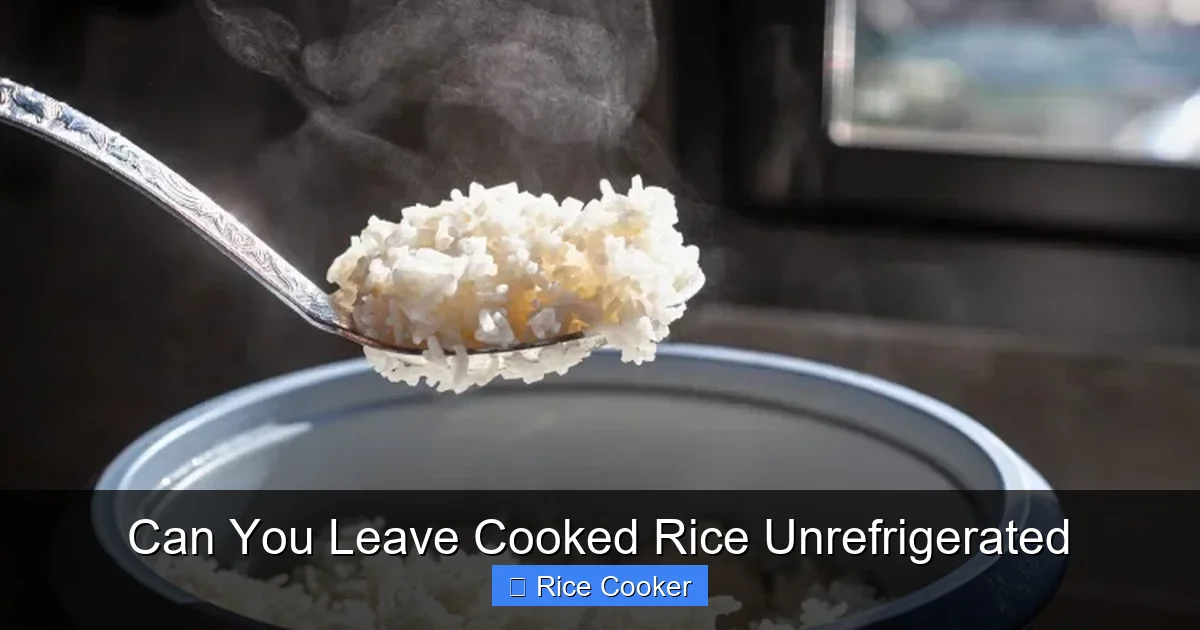
Visual guide about Can You Leave Cooked Rice Unrefrigerated
Image source: res.cloudinary.com
You might think, “I’ve left rice out before and felt fine,” but that doesn’t mean it’s safe. The danger lies in time and temperature. Bacteria like Bacillus cereus reproduce rapidly in what’s called the “danger zone”—the temperature range between 40°F and 140°F (4°C to 60°C). This is the sweet spot where microbes multiply fastest.
When you cook rice, especially if it’s still warm, it enters this danger zone. If left uncovered on the counter, the surface cools slowly while the inside stays hot. That creates ideal conditions for bacterial growth. Even worse, some strains of Bacillus cereus produce heat-stable toxins that aren’t killed by reheating. So no matter how carefully you warm your rice later, those toxins remain—and they’re what make you sick.
For example, imagine you cook a large batch of jasmine rice for a family dinner. After serving, you pile the leftovers onto a plate and leave it on the counter while you clean the kitchen. Two hours pass. Now, that rice is teeming with bacteria, possibly producing toxins that could cause vomiting within 1–6 hours of eating it. That’s why experts always say: Don’t let cooked rice sit out longer than one hour.
How Long Is Too Long?
Most food safety guidelines agree: cooked rice should not be left unrefrigerated for more than one hour. If the room temperature is above 90°F (32°C), that limit drops to just 30 minutes. Why such a strict rule? Because bacterial growth isn’t linear—it accelerates as temperatures rise. A few extra minutes might seem harmless, but they increase risk significantly.
To put it in perspective:
– 0–30 minutes: Minimal risk.
– 30–60 minutes: Risk begins to rise.
– After 1 hour: High risk of contamination.
– After 2 hours: Very high risk; discard immediately.
Think of it like leaving milk out. You wouldn’t drink milk that’s been warm for hours, would you? Rice behaves similarly once cooked.
Why Raw Rice Is Different
Here’s a common misconception: people assume raw rice is safer to leave out because it’s dry and hasn’t been exposed to water. But that’s misleading. Raw rice contains moisture and nutrients that can support microbial growth if stored improperly—especially in humid environments. However, since raw rice isn’t in the danger zone yet, it’s generally stable at room temperature for short periods (like during cooking prep).
Once cooked, though, everything changes. The hydration process activates enzymes and breaks down cell walls, making rice a perfect breeding ground for bacteria. So while you can safely keep uncooked rice in your pantry, never treat cooked rice the same way.
Safe Storage Practices for Cooked Rice
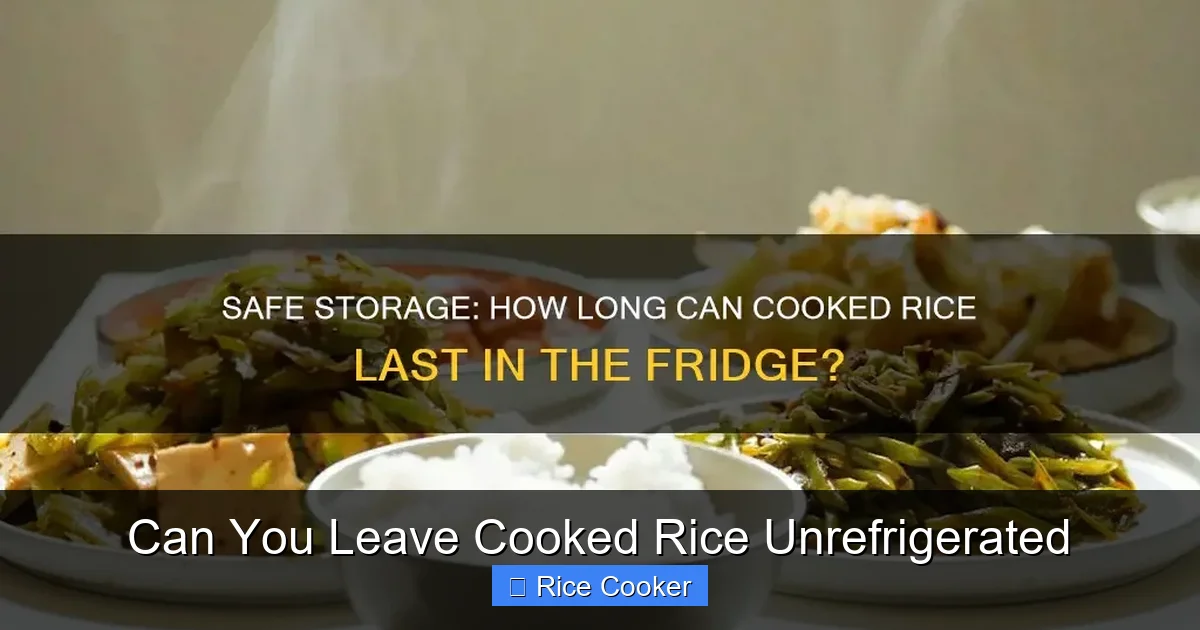
Visual guide about Can You Leave Cooked Rice Unrefrigerated
Image source: cycookery.com
So how do you store rice properly? Follow these simple steps every time:
Cool It Fast
The first step is cooling quickly. Don’t dump a hot pot of rice into a sealed container—this traps steam and keeps the inside warm for hours. Instead, spread the rice out in a shallow pan or divide it into smaller portions. Use a fan or place the container near a draft to speed cooling. Aim to get the rice below 40°F (4°C) within two hours.
Use Shallow Containers
Choose wide, shallow containers for storage. These allow faster heat transfer and prevent condensation buildup. Glass or BPA-free plastic containers work well—just make sure they have tight-fitting lids.
Label and Date
Write the date on your container so you remember when it was made. This helps avoid confusion later. Most cooked rice lasts only 3–4 days in the fridge.
Reheating Tips
When you’re ready to eat, reheat rice thoroughly. Stir it frequently and ensure it reaches 165°F (74°C) throughout. Never microwave rice without adding a splash of water—it dries out and heats unevenly, creating cold spots where bacteria can survive.
Can You Freeze Cooked Rice?
Yes! Freezing is a great option for larger batches. Spread rice on a baking sheet, freeze until solid, then transfer to freezer-safe bags. Label with the date and use within 6 months. Thaw overnight in the fridge and reheat fully before eating.
Signs Your Rice Has Gone Bad
Even with proper storage, rice can spoil. Watch for:
– Off odor: Sour or rancid smell.
– Mold: Visible spots or fuzzy growth.
– Texture changes: Slimy or overly sticky.
– Unusual color: Greenish or gray patches.
If you notice any of these, toss the rice immediately—even if it passed the 4-day mark.
Special Considerations: Rice Cookers and Leftovers
Many modern rice cookers have “keep warm” settings that maintain rice at around 165°F (74°C). While convenient, this feature keeps rice in the danger zone for hours. If you plan to serve rice later, turn off the “warm” setting after 20–30 minutes. Otherwise, transfer the rice to the fridge promptly.
Also, avoid using the same spoon to scoop rice repeatedly—this introduces saliva and bacteria. Use a clean utensil each time.
What About Fried Rice?
Fried rice is often served warm or at room temperature in restaurants. But if you’re making it at home, follow the same rules: refrigerate within one hour. Restaurant kitchens use commercial equipment and strict hygiene practices, so their fried rice may seem safe—but homemade versions carry higher risk if mishandled.
Final Thoughts: Protect Yourself and Your Family
Cooking rice is simple, but storing it safely is just as important. Never leave cooked rice unrefrigerated for more than one hour. By following basic food safety steps—cooling fast, using proper containers, and reheating thoroughly—you protect yourself from foodborne illness. Remember, just because rice doesn’t look spoiled doesn’t mean it’s safe. Trust your senses, but also trust science.
With a little care, you can enjoy delicious, safe rice every time. Next time you make a big batch, set a timer. Your stomach will thank you.
Frequently Asked Questions
Is it safe to leave cooked rice out overnight?
No, leaving cooked rice unrefrigerated overnight is unsafe. Bacteria like Bacillus cereus can multiply rapidly in the danger zone (40°F–140°F), producing toxins that cause food poisoning. Always refrigerate within one hour.
Can you eat rice that’s been left out for 3 hours?
It’s not recommended. After three hours, the risk of contamination increases significantly, especially in warmer rooms. When in doubt, throw it out. Better safe than sorry when it comes to food safety.
Does boiling rice kill all bacteria?
Boiling rice kills most bacteria, but it won’t destroy spores of Bacillus cereus. These spores can survive cooking and grow later if rice is stored improperly. Proper refrigeration prevents this.
How long does cooked rice last in the fridge?
Cooked rice lasts 3–4 days in the refrigerator when stored in an airtight container. Beyond that, the risk of spoilage rises, even if it looks and smells fine.
Can I reheat rice multiple times?
Yes, but each reheating should reach 165°F (74°C) throughout. Avoid frequent reheating, as repeated temperature changes can promote bacterial growth. Consume refrigerated rice within four days total.
Are instant rice and regular rice handled differently?
No. Both types pose the same risk if left unrefrigerated. Instant rice cooks faster, but once done, it behaves like regular cooked rice—requiring prompt cooling and storage.