
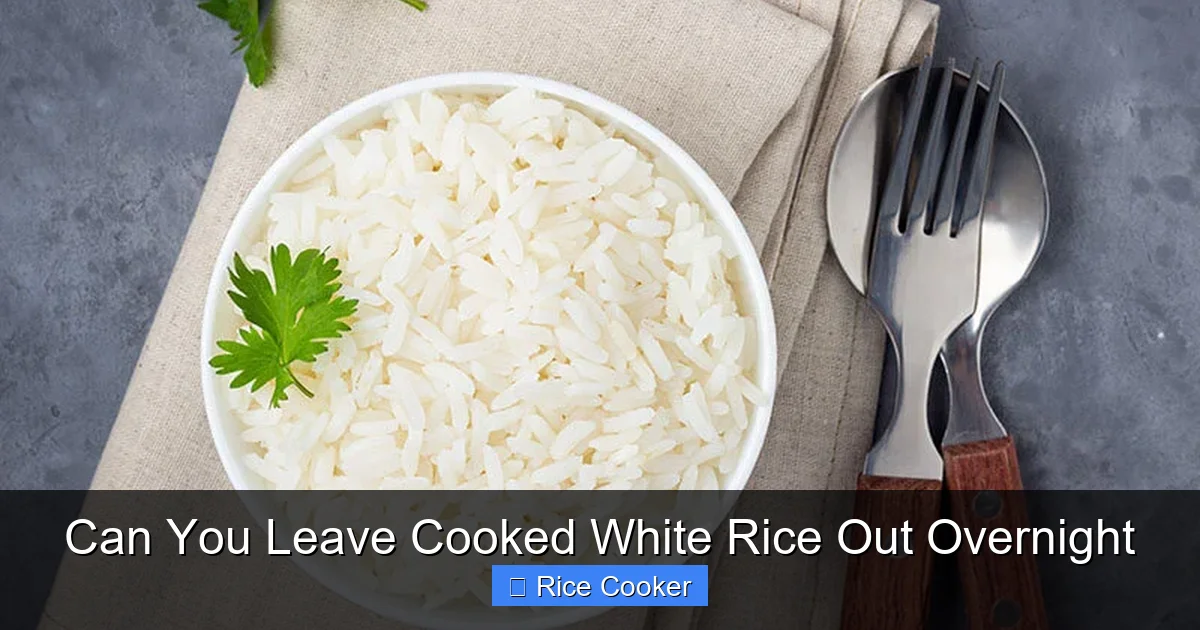
Can you leave cooked white rice out overnight? The short answer is no—rice left at room temperature for more than two hours can grow harmful bacteria like *Bacillus cereus*. To stay safe, always refrigerate cooked rice within one hour of cooking. With proper storage, rice can last up to 7 days in the fridge, making it a convenient, nutritious staple. Quick tip: Cool rice quickly and store it in shallow containers to speed up chilling.
Key Takeaways
- Bacterial Growth Risk: Cooked white rice left at room temperature for over two hours can harbor dangerous bacteria, especially Bacillus cereus, which causes food poisoning.
- Proper Cooling: Always cool rice quickly by spreading it in shallow containers and placing it in the refrigerator within one hour of cooking.
- Refrigeration Is Key: Store cooked rice in airtight containers and consume within 5–7 days for maximum safety and flavor.
- Reheating Matters: When reheating, ensure rice reaches an internal temperature of 165°F (74°C) to kill any potential pathogens.
- Signs of Spoilage: Discard rice if it smells off, has an unusual texture, or shows mold—never taste to check.
- Freezing as an Option: For longer storage, freeze rice in portions; it stays safe for up to 3 months when properly wrapped.
- Kitchen Hygiene: Always use clean utensils and containers to avoid cross-contamination when handling cooked rice.
📑 Table of Contents
- Introduction: Rice—Your Kitchen Staple—and Its Safety
- Understanding the Science: Why Rice Can Be Dangerous
- Safety Guidelines: How Long Is Cooked Rice Safe?
- How to Properly Cool and Store Cooked White Rice
- Reheating Cooked Rice Safely
- Signs Your Rice Has Gone Bad
- Special Considerations: Rice in Different Settings
- Expert Tips for Safe Rice Handling
- Conclusion: Keep Your Rice Safe, Keep Eating Well
Introduction: Rice—Your Kitchen Staple—and Its Safety
We’ve all been there: You’ve just finished a delicious meal featuring fluffy white rice—maybe alongside stir-fried veggies, grilled chicken, or savory curry. But then life gets busy. You have leftover rice and wonder: can you leave cooked white rice out overnight? It sounds harmless, right? After all, rice is just rice. But here’s the truth: leaving cooked white rice at room temperature for too long can be a serious health risk. In fact, the U.S. Food and Drug Administration (FDA) warns that rice is one of the top culprits behind foodborne illness when not handled correctly.
Why is rice so risky? Because it’s often cooked in large batches and contains starches that become perfect breeding grounds for bacteria—especially Bacillus cereus. This spore-forming bacterium loves warm, moist environments, and once it starts multiplying, it produces toxins that cause vomiting or diarrhea. And here’s the tricky part: these toxins aren’t killed by normal cooking temperatures. So even if your rice looks and tastes fine, it could still make you sick.
In this complete guide, we’ll walk you through everything you need to know about storing cooked white rice safely. From understanding the science behind bacterial growth to practical tips for cooling, storing, and reheating rice like a pro—you’ll never second-guess your leftovers again.
Understanding the Science: Why Rice Can Be Dangerous
The Role of Bacillus Cereus
Let’s break down what makes cooked rice such a potential hazard. Unlike other foods, rice often comes into contact with Bacillus cereus spores during its cultivation and processing. These spores are heat-resistant and survive the cooking process. Once the rice cools, the spores can reactivate and multiply rapidly in warm, moist conditions.

Visual guide about Can You Leave Cooked White Rice Out Overnight
Image source: substitutecooking.com
This bacterium is particularly sneaky because it produces two types of toxins: one that causes vomiting (the emetic toxin), and another that leads to diarrhea (the diarrheal toxin). The emetic toxin is especially problematic because it’s stable at high temperatures—meaning reheating won’t destroy it. That’s why even perfectly cooked rice that’s been sitting out all day can still cause food poisoning.
Temperature Danger Zone
The “danger zone” for food is between 40°F (4°C) and 140°F (60°C). Bacteria grow fastest in this range, doubling every 20 minutes under ideal conditions. Cooked rice left in this window for more than two hours becomes unsafe to eat. If the room temperature is above 90°F (32°C), that limit drops to just one hour.
For example, imagine you cook a big pot of rice at noon on a hot summer day. If you leave it uncovered on the counter while you clean up, by 2 p.m., it may already be harboring enough bacteria to make you sick. That’s why timing and temperature control are everything.
Safety Guidelines: How Long Is Cooked Rice Safe?
The Two-Hour Rule
The golden rule for perishable foods—including cooked white rice—is simple: don’t leave them out for more than two hours. If you’re serving a meal outdoors or in a warm kitchen, reduce this to one hour. This guideline applies whether the rice is plain, seasoned, or mixed with other ingredients.

Visual guide about Can You Leave Cooked White Rice Out Overnight
Image source: i.pinimg.com
But wait—what if you only left it out for 90 minutes? Is that okay? Technically, maybe. But bacteria don’t need much time to start producing toxins. Since you can’t see, smell, or taste Bacillus cereus, the safest approach is to treat any rice that’s been at room temperature beyond the two-hour mark as unsafe.
Storing in the Refrigerator
Once cooled, store rice in the refrigerator promptly. Use airtight containers—plastic Tupperware with lids, glass jars, or vacuum-sealed bags work well. Shallow containers help rice cool faster and prevent condensation from creating a soggy texture.
Refrigerated cooked white rice stays safe for up to 5 to 7 days. Always label containers with the date so you know when it was made. If you’re unsure how long it’s been stored, follow the “smell test”—if it smells sour or funky, toss it.
How to Properly Cool and Store Cooked White Rice
Speed Is Everything
One of the biggest mistakes people make is letting rice cool slowly on the counter. Instead, spread it thinly across several containers or place it in ice water to accelerate cooling. This reduces the time rice spends in the danger zone.
Here’s a quick method: After cooking, transfer the rice to a wide, shallow pan or divide it into small portions in sealable bags. Place the containers in the refrigerator or under cold running water for 15–20 minutes before refrigerating.
Best Containers and Techniques
Airtight containers are non-negotiable. Avoid using open bowls or uncovered plates—they allow contamination and slow cooling. Glass or BPA-free plastic containers with tight-fitting lids are ideal.
If you’re meal prepping, consider freezing rice in portion-sized cubes or trays. This makes thawing easier and ensures you only defrost what you need. Frozen rice remains safe for up to three months when stored properly.
Reheating Cooked Rice Safely
Never Reheat in the Microwave Without Stirring
When reheating leftover rice, always use a microwave, stovetop, or oven. Heat it until steaming hot throughout—this means reaching at least 165°F (74°C) internally. Stir halfway through to ensure even heating.
A common mistake is assuming that microwaving rice once is enough. But cold spots can harbor bacteria. So, if your rice feels lukewarm after one round, give it another minute or two.
Sauces and Seasonings Add Risk
Be extra careful with rice that’s been mixed with cream-based sauces, eggs, or meats. These ingredients lower the pH and create a more hospitable environment for bacteria. Such dishes should be refrigerated within one hour and consumed within 24 hours.
Plain white rice is safer because it’s acidic enough to inhibit bacterial growth slightly. Still, it’s best treated the same way—refrigerate quickly and reheat thoroughly.
Signs Your Rice Has Gone Bad
Visual and Olfactory Clues
Even without tasting, you can tell if rice is spoiled. Look for mold—white, green, or black fuzzy spots indicate spoilage. Also, check for sliminess or an unusual odor. Fresh rice should smell neutral or faintly grainy.
If the rice feels sticky, clumpy, or has separated liquids, it’s likely past its prime. Never take a bite to test—once bacteria start producing toxins, they’re undetectable to taste and smell.
When in Doubt, Throw It Out
Safety first. If you’re unsure whether rice is safe, discard it. It’s cheaper and healthier than risking food poisoning. Remember, symptoms of Bacillus cereus infection usually appear within 6 to 15 hours and include nausea, vomiting, and diarrhea.
Special Considerations: Rice in Different Settings
Picnics and Outdoor Gatherings
At barbecues, picnics, or buffet dinners, keeping rice safe is harder. Use insulated coolers with ice packs to maintain cold temperatures. Serve rice within one hour of cooking, and never let it sit out longer than two hours total.
Consider using a rice steamer or chafing dish with a warming tray—but only if you can keep it above 140°F (60°C). Otherwise, stick to cold rice dishes like tabbouleh or cold rice salads.
Rice in Restaurants vs. Home Cooking
Restaurants often cook rice in bulk and serve it repeatedly throughout the day. They must follow strict food safety protocols, including frequent reheating and temperature monitoring. At home, you have more control—so take advantage of it!
If you’re eating at a restaurant and suspect the rice was left out too long, don’t hesitate to ask staff about their food handling practices. Your health matters.
Expert Tips for Safe Rice Handling
Meal Prep Like a Pro
Batch-cook rice on weekends and store it properly. Divide into single servings and freeze some for future use. Label each container with the date and contents. This saves time and reduces waste.
Use a Food Thermometer
To ensure rice is heated thoroughly, invest in a food thermometer. Insert it into the thickest part—it should read at least 165°F (74°C) when reheated.
Educate Your Household
Make sure everyone in your home knows the rules: cool fast, refrigerate soon, reheat fully. Post a reminder note on the fridge if needed!
Conclusion: Keep Your Rice Safe, Keep Eating Well
So, back to the original question: can you leave cooked white rice out overnight? The honest answer is no—not safely. While rice may look fine, the risk of bacterial growth and toxin production is real. By following simple steps—cooling quickly, refrigerating promptly, and reheating thoroughly—you protect yourself and your family from foodborne illness.
Cooked white rice is a nutritious, versatile, and budget-friendly food. With proper handling, it can be part of a healthy diet for weeks. Don’t let a moment of forgetfulness turn your meal into a health scare. Treat rice like any other perishable food: respect its limits, and it will serve you well.
Next time you cook rice, think beyond flavor and texture. Think safety. Your body will thank you.
Frequently Asked Questions
Can I eat rice that’s been left out overnight if I reheat it?
No, reheating doesn’t guarantee safety. The toxins produced by Bacillus cereus aren’t destroyed by normal cooking temperatures. Even if the rice heats up, it may still cause food poisoning.
How can I tell if my leftover rice is spoiled?
Look for mold, slimy texture, or a sour smell. If the rice looks or smells off, discard it immediately. Never taste rice to check—toxins aren’t detectable by taste or smell.
Is brown rice safer than white rice when left out?
Not necessarily. Both types contain starches that support bacterial growth. However, brown rice has more fiber and nutrients, but it also requires similar storage precautions.
Can I freeze cooked white rice?
Yes! Freeze rice in portion-sized containers or bags. It stays safe for up to 3 months. Thaw in the refrigerator or microwave before reheating.
Does rinsing rice before cooking affect its safety?
Rinsing removes surface starch and may reduce spore count slightly, but it doesn’t eliminate Bacillus cereus. Proper cooking and storage matter most.
What’s the best way to cool rice quickly?
Spread rice thinly in shallow containers, place in ice water, or use multiple small containers. Aim to get it into the refrigerator within 1–2 hours of cooking.