
You should never leave a rice cooker unattended, especially when using the keep-warm function. While modern rice cookers are designed for convenience, unattended operation poses fire and safety risks. Always monitor your cooker during cooking and avoid relying solely on timers or automatic shut-offs.
Key Takeaways
- Safety First: Never leave a rice cooker running without supervision, particularly when using the keep-warm setting.
- Modern Features ≠ Safe: Automatic shut-off and timers don’t eliminate all risks—overheating or malfunctions can still occur.
- Fire Hazards: Rice cookers generate heat; leaving them unattended increases the risk of electrical fires or burnt residue buildup.
- Quality Matters: High-quality rice cookers with advanced safety features (e.g., temperature sensors, auto-shutoff) reduce but do not eliminate risks.
- Proper Use Saves Time: Following manufacturer guidelines ensures both safety and better-tasting rice.
- Unattended = Unsafe: Even if you’re in another room briefly, it’s safer to be present during cooking.
- Regular Maintenance: Clean your rice cooker regularly to prevent grease buildup and ensure safe operation.
📑 Table of Contents
- Can You Leave Rice Cooker Unattended?
- Understanding How Rice Cookers Work
- Why You Shouldn’t Leave Your Rice Cooker Unattended
- When Is It Acceptable to Leave a Rice Cooker Unattended?
- Signs Your Rice Cooker Might Be Malfunctioning
- Best Practices for Safe Rice Cooker Use
- Myths vs. Facts About Rice Cooker Safety
- What to Do If Your Rice Cooker Catches Fire
- Conclusion: Convenience Meets Caution
Can You Leave Rice Cooker Unattended?
If you’re someone who loves the convenience of a rice cooker—whether you’re meal prepping for the week or making a quick dinner—you’ve probably asked yourself this question: Can I really leave my rice cooker on while I go check emails, take a shower, or run errands? The short answer is no, you shouldn’t leave your rice cooker unattended, even if it has a timer or keep-warm function. But let’s dig deeper into why, what the risks are, and how you can use your rice cooker safely without sacrificing convenience.
Rice cookers have become kitchen staples for millions of people around the world. From basic white rice to quinoa, brown rice, and even steamed vegetables, these appliances simplify meal prep. They’re affordable, energy-efficient, and require minimal effort. But with great convenience comes responsibility—especially when it comes to kitchen safety.
In this guide, we’ll walk through everything you need to know about leaving your rice cooker unattended. We’ll cover safety concerns, common myths, expert recommendations, and practical tips to help you use your rice cooker confidently. By the end, you’ll understand not just whether it’s okay to leave your rice cooker on, but how to do it—if at all—safely.
Understanding How Rice Cookers Work
The Science Behind the Simplicity
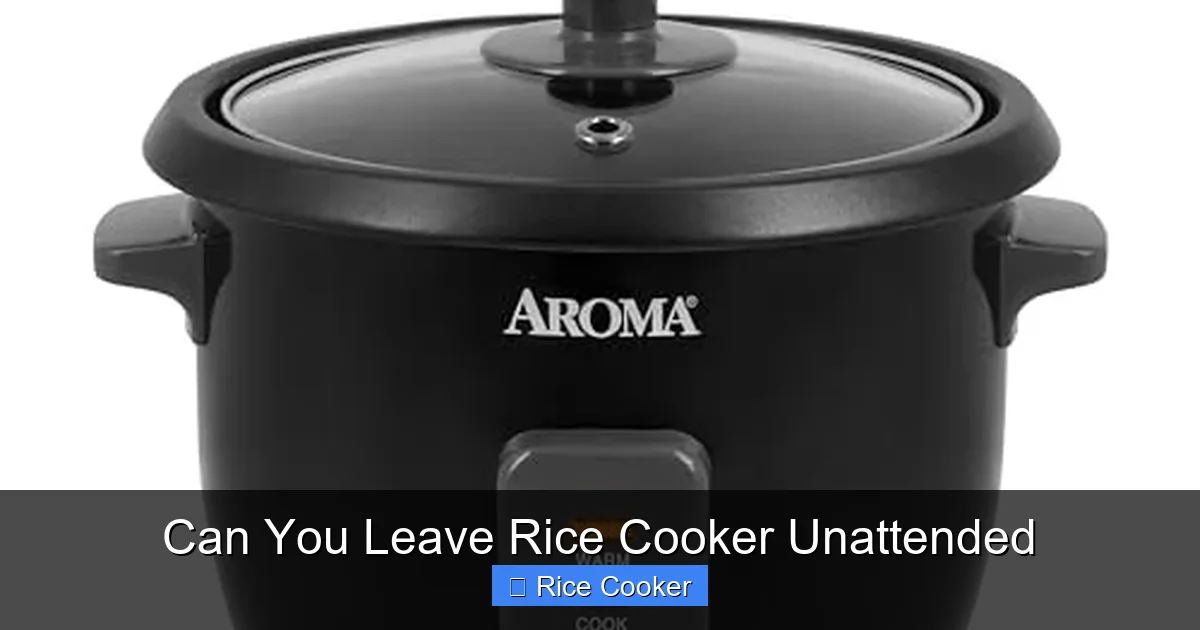
At its core, a rice cooker is a sealed pot with a heating element at the bottom and a thermostat or sensor that monitors internal temperature. When you add water and rice, the cooker heats the mixture until it reaches boiling point. Once the water evaporates and the rice absorbs it, the temperature inside rises above boiling. The thermostat detects this change and automatically switches the cooker from “cooking” to “keep-warm” mode.
Visual guide about Can You Leave Rice Cooker Unattended
Image source: m.media-amazon.com
This entire process usually takes anywhere from 15 to 40 minutes, depending on the type of rice and your model. Some advanced models even have fuzzy logic or AI that adjusts cooking times based on rice type, altitude, and moisture levels. These innovations make cooking perfect rice easier than ever—but they don’t make the appliance invincible.
Common Features in Modern Rice Cookers
Today’s rice cookers come packed with features designed to save time and reduce stress:
- Timer Function: Lets you set the cooker to start at a specific time, so dinner is ready when you get home.
- Keep-Warm Mode: Maintains cooked rice at a safe serving temperature (around 170°F) for several hours.
- Auto-Shutoff: Turns off the cooker once rice is done or after a period in keep-warm mode.
- Fuzzy Logic: Adjusts heating patterns to mimic human judgment for better texture and flavor.
- Steam Release Valve: Prevents pressure buildup by releasing excess steam during cooking.
While these features add convenience, they are not foolproof. A power surge, faulty thermostat, or mechanical failure can still cause problems—even in brand-new models.
Why You Shouldn’t Leave Your Rice Cooker Unattended
Fire Hazards Are Real
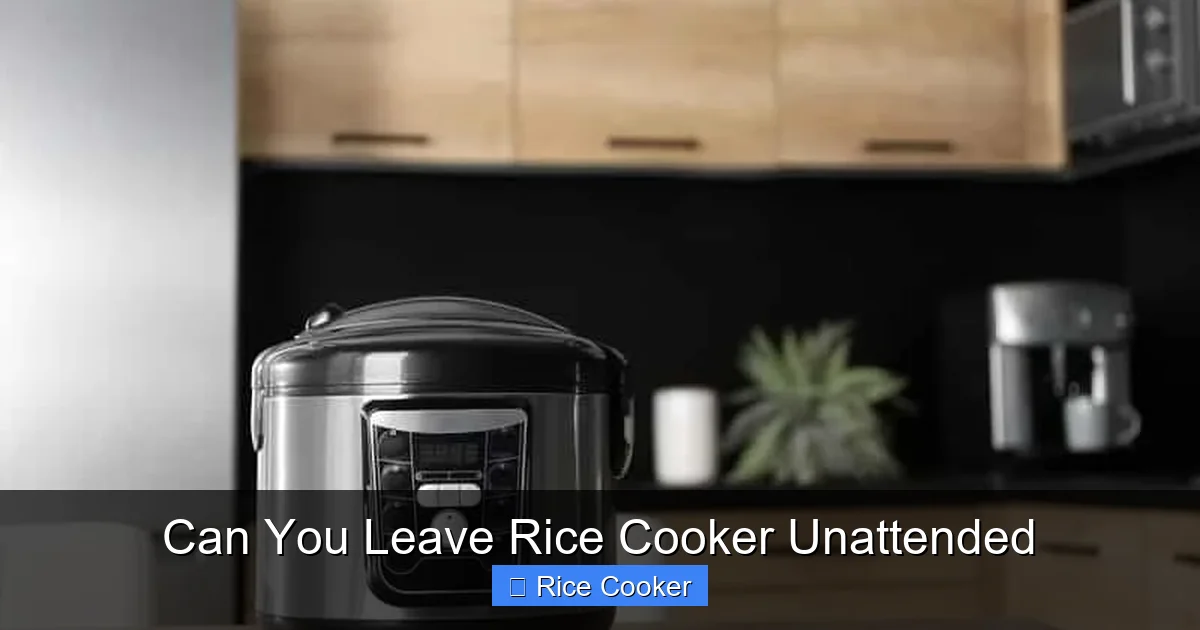
One of the biggest reasons to avoid unattended cooking is fire risk. Rice cookers operate at high temperatures and generate steam. If something goes wrong—like a clogged vent, dried-up water reservoir, or electrical fault—the cooker could overheat. In extreme cases, this can ignite flammable materials nearby, such as paper towels, curtains, or wooden cabinets.
Visual guide about Can You Leave Rice Cooker Unattended
Image source: missvickie.com
According to the National Fire Protection Association (NFPA), unattended kitchen appliances are responsible for thousands of house fires each year. Rice cookers aren’t immune. In fact, they’re listed in fire department reports as a common culprit due to their frequent use and perceived simplicity.
Overcooking and Burnt Rice Can Damage the Unit
Even if there’s no fire, leaving rice cooker unattended can lead to overcooked or burnt rice. Once rice turns into a carbonized mess, it sticks to the pot and can damage the non-stick coating or heating plate. This not only ruins your meal but also creates a cleaning nightmare—and potentially exposes harmful chemicals if the coating breaks down.
Additionally, burnt residue can trigger error codes or cause the cooker to malfunction permanently. Replacing a damaged heating plate or inner pot can cost $50–$100, depending on your model.
Electrical Safety Concerns
Rice cookers plug directly into outlets. If the cord becomes frayed, or if the outlet is overloaded (e.g., plugged into a daisy-chained power strip), the risk of electric shock or short circuit increases. Older models with worn-out cords are especially vulnerable.
Modern rice cookers often include surge protection and insulated wiring, but they still rely on consistent power delivery. Voltage fluctuations or power surges—common during storms—can fry internal components, rendering the device unsafe or non-functional.
When Is It Acceptable to Leave a Rice Cooker Unattended?
Let’s address the elephant in the room: sometimes life gets busy, and you might step away for just a few minutes. So when—if ever—is it okay to leave your rice cooker on?
Short Absences: Under 10 Minutes?
If you’re only stepping out to grab a spoon, check the stove, or answer the door, it’s generally safe. Most rice cookers reach full cooking temperature within the first 5–8 minutes and then cycle between heating and maintaining heat. As long as you return before the keep-warm phase causes issues (more on that below), you’re fine.
But even here, caution is key. If your rice cooker is old, noisy, or hasn’t been used in months, give it extra attention. Strange sounds like popping or hissing could indicate a problem.
Using the Timer Function Safely
Many people rely on the built-in timer to delay cooking so dinner is ready when they arrive. This is convenient, but again—don’t assume it’s 100% reliable. Set the timer, but plan to return home before the cooking cycle completes, especially if you’re away overnight.
For example, if you set your rice cooker to start cooking at 6 PM and leave for the evening, make sure you’ll be back by 6:30 PM at the latest. Otherwise, you risk waking up to burnt rice or a smoky kitchen.
High-End Models with Advanced Safety
Some premium rice cookers, like those from Zojirushi or Panasonic, include features like:
- Dual thermostats for redundancy
- Automatic shut-off after 24+ hours in keep-warm mode
- Overheat protection circuits
- Self-cleaning functions (in select models)
These models are more trustworthy, but they’re not “set-and-forget.” The manufacturer still recommends supervision during initial cooking cycles. Plus, no system is 100% immune to failure.
Signs Your Rice Cooker Might Be Malfunctioning
Even with careful use, rice cookers can develop faults. Being able to spot warning signs early can prevent accidents.
Strange Noises During Operation
Your rice cooker should hum quietly. Loud clicking, sizzling, or popping sounds—especially after the keep-warm phase starts—could mean steam is escaping unevenly or the thermostat is struggling.
Smoke or Burning Smells
If you detect smoke, burning plastic, or scorched food odors, turn off the cooker immediately and unplug it. Do not touch the unit until it cools completely.
Water Leaks or Steam Overflow
Excessive steam or water pooling around the base may indicate a cracked lid or faulty seal. This not only wastes energy but can create slip hazards or damage countertops.
Error Codes or Display Flashes
Modern rice cookers often show error messages like “E1” (temperature sensor issue) or “E2” (overheating). Refer to your manual to diagnose the problem. Continuing to use a cooker with an error code can worsen the issue.
Best Practices for Safe Rice Cooker Use
Even if you decide occasional unattended use is acceptable, follow these guidelines to minimize risks.
Always Read the Manual
Every model is different. Some have unique safety protocols or limitations. For example, certain brands advise against using the keep-warm function for more than 12 hours, while others allow up to 24. Knowing your machine’s specs helps you use it responsibly.
Clean After Every Use
Remove the inner pot, wash it thoroughly, and wipe the exterior and lid. Food debris and mineral buildup (from hard water) can interfere with temperature sensors and cause overheating.
Avoid Overfilling
Stick to the recommended water-to-rice ratio. Too little water leads to dry, hard rice; too much can overflow and clog vents or trigger safety shutdowns.
Place It on a Stable, Heat-Resistant Surface
Never put your rice cooker near flammable items or on carpet. Use a trivet or silicone mat if placing it directly on laminate or tile.
Inspect the Cord Regularly
Look for cracks, frays, or exposed wires. Replace damaged cords immediately. Don’t wrap the cord tightly around the base—this can damage insulation over time.
Use a Surge Protector (Optional but Recommended)
If you live in an area with frequent power fluctuations, consider using a surge protector. Just ensure it’s rated for continuous appliance use (not just electronics).
Don’t Rely Solely on Keep-Warm Mode
Keep-warm is meant for short-term storage (under 2 hours). After that, bacteria growth accelerates. Serve or refrigerate rice promptly.
Myths vs. Facts About Rice Cooker Safety
There are plenty of misconceptions floating around. Let’s clear some up.
Myth: “If It Has Auto-Shutoff, I’m Safe”
Fact: Auto-shutoff prevents prolonged heating, but it doesn’t protect against electrical faults or mechanical failures. A broken thermostat won’t shut off properly.
Myth: “I Can Leave It Overnight Because It Stays Warm”
Fact: While keep-warm mode maintains temperature, it doesn’t kill bacteria. Leaving rice out overnight creates ideal conditions for foodborne illness.
Myth: “Older Models Are More Reliable”
Fact: Newer models have better sensors, safety certifications, and energy efficiency. An old, poorly maintained cooker is actually more dangerous.
Myth: “I’ll Know If Something’s Wrong”
Fact: Smoke detectors don’t always catch slow-burning incidents. And by the time you smell something, it may be too late.
What to Do If Your Rice Cooker Catches Fire
Despite precautions, accidents happen. If your rice cooker ignites:
- Turn Off the Power: Unplug it immediately—never pour water on a plugged-in appliance.
- Smother the Flame: Use a metal lid, baking sheet, or fire extinguisher (Class B or ABC).
- Call Emergency Services: Even if the fire seems small, report it to avoid re-ignition.
- Do Not Touch Until Cool: Wait at least 30 minutes before handling.
Prevention is far better than dealing with a disaster.
Conclusion: Convenience Meets Caution
Rice cookers are fantastic tools—they save time, reduce cleanup, and deliver consistently good results. But like any kitchen appliance, they require care and attention. Leaving your rice cooker unattended is not worth the risk, no matter how convenient it seems.
Instead, embrace smart habits: cook with intention, clean regularly, and stay alert during operation. If you need hands-free cooking, consider investing in a programmable model—just remember to be present when it starts.
Ultimately, safety isn’t about perfection; it’s about awareness. With a little mindfulness, your rice cooker can keep serving you well—without putting your home or family at risk.
Frequently Asked Questions
Is it safe to leave rice cooker unattended while cooking?
No, you should never leave your rice cooker unattended during the active cooking phase. Even though it has automatic shut-off, malfunctions or overheating can still occur, posing fire or safety risks.
Can I leave my rice cooker on overnight?
It’s not recommended to leave a rice cooker on overnight, even in keep-warm mode. Bacteria can grow rapidly in warm rice, and extended use increases the chance of electrical failure or fire.
Are newer rice cookers safer to leave unattended?
Newer models have advanced safety features like dual thermostats and auto-shutoff, but they still require supervision during cooking. No appliance is completely fail-safe.
What should I do if my rice cooker starts smoking?
Immediately unplug the cooker, turn off the power source, and move it away from flammable materials. Do not open the lid until fully cooled. Call emergency services if flames appear.
How long can I safely leave rice in keep-warm mode?
Keep-warm mode should only be used for up to 2 hours. After that, the rice can become unsafe to eat due to bacterial growth. Refrigerate leftovers promptly.
Should I unplug my rice cooker when not in use?
Yes, it’s a good practice to unplug your rice cooker when not actively cooking. This eliminates risks from power surges or accidental activation and saves energy.