
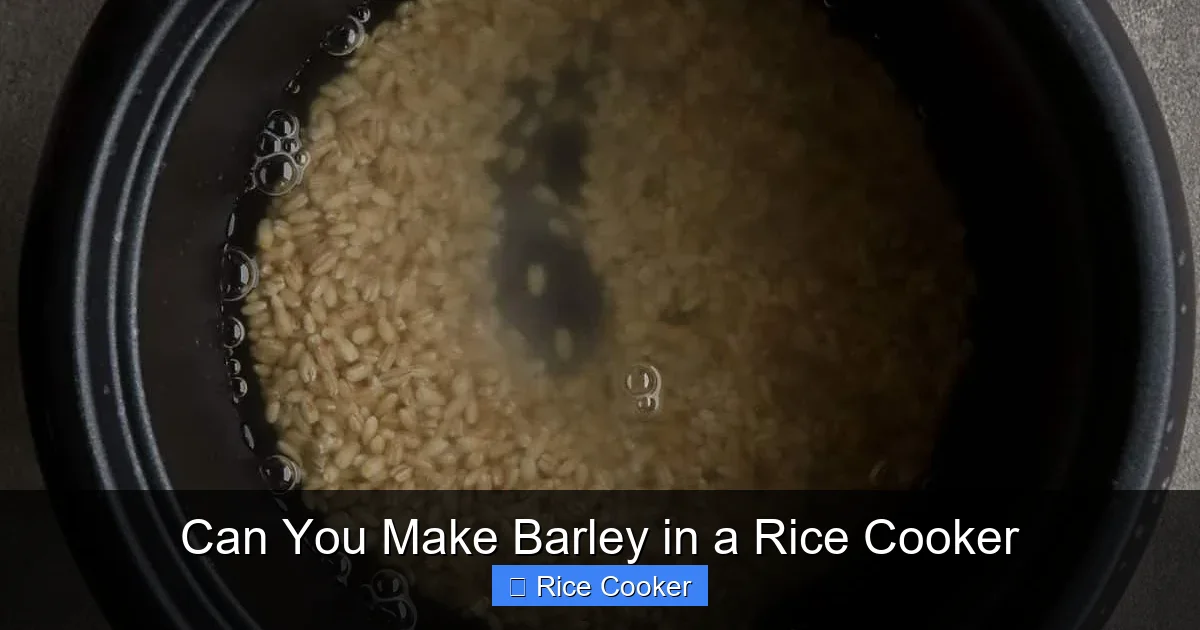
Yes, you can absolutely make barley in a rice cooker—it’s simple, efficient, and delivers consistent results. Whether you’re making a warm breakfast porridge or a hearty side dish, your rice cooker handles barley like a pro. With the right ratio and a little prep, you’ll enjoy tender, evenly cooked grains without any guesswork.
Key Takeaways
- Barley cooks well in rice cookers—just like rice, it requires water and heat, making it a perfect candidate for this kitchen appliance.
- Use the correct water-to-barley ratio—typically 2:1 (water to barley), but pearl barley may need slightly more liquid due to its texture.
- Rinse barley before cooking—this removes excess starch and prevents mushiness, especially important for pot barley or hulled barley.
- Soaking is optional but helpful—soaking reduces cooking time and improves digestibility, particularly for whole grain varieties.
- Adjust cook times by barley type—pearl barley cooks faster than hulled or pot barley, so timing matters for best results.
- Your rice cooker does the work—set it and forget it; most models automatically switch to “warm” when done.
- Barley adds nutrition and flavor—rich in fiber, protein, and minerals, it’s a versatile grain perfect for soups, salads, and side dishes.
📑 Table of Contents
- Can You Make Barley in a Rice Cooker?
- Why Choose Barley Over Other Grains?
- Types of Barley: Which One Should You Use?
- How to Cook Barley in a Rice Cooker: Step-by-Step Guide
- Tips for Perfect Barley Every Time
- Creative Ways to Use Cooked Barley
- Common Mistakes to Avoid
- Frequently Asked Questions About Cooking Barley in a Rice Cooker
- Final Thoughts: Why Your Rice Cooker Loves Barley
Can You Make Barley in a Rice Cooker?
You might be wondering: Can you make barley in a rice cooker? The short answer is yes, and not only is it possible, it’s one of the easiest ways to cook this nutritious grain at home. Barley has been a staple in kitchens around the world for centuries, prized for its chewy texture and earthy flavor. But unlike rice, which most people know how to cook in a rice cooker, barley can be trickier because of its varying types and longer cooking times. That’s where your trusty rice cooker comes in—doing the heavy lifting so you don’t have to stand over the stove stirring constantly.
If you’ve ever tried boiling barley on the stovetop, you know it can take anywhere from 45 minutes to over an hour depending on the variety. But with a rice cooker, that process becomes hands-off and much faster. Whether you’re using quick-cooking pearl barley or the more nutrient-rich hulled barley, your rice cooker can deliver perfectly cooked, fluffy grains every time. Plus, once it’s done, the cooker keeps everything warm until you’re ready to serve. So yes—your rice cooker isn’t just for white rice anymore. It’s ready to handle oats, quinoa, farro, lentils, and yes, even barley with ease.
Why Choose Barley Over Other Grains?
Before we dive into the how-to, let’s talk about why barley deserves a spot in your meal rotation. First off, it’s incredibly nutritious. Hulled barley retains its bran and germ, making it a whole grain packed with fiber, B vitamins, selenium, and magnesium. Just one cup of cooked hulled barley provides about 6 grams of fiber—more than oatmeal or brown rice! This high fiber content supports digestion, helps regulate blood sugar, and keeps you full longer.

Visual guide about Can You Make Barley in a Rice Cooker
Image source: cookinglessonsfordad.com
But it’s not just about health. Barley also brings depth to dishes. Its slightly nutty, malty flavor pairs beautifully with roasted vegetables, beans, mushrooms, and even meats like chicken or lamb. It’s a great base for grain bowls, stuffing recipes, or chilled salads for summer meals. And unlike some grains that can become gummy or undercooked, properly made barley has a satisfying bite—neither too soft nor too firm.
Another reason to love barley? Versatility. You can use it in soups, stews, risottos, pilafs, or even as a breakfast porridge. And when you cook it in a rice cooker, you’re unlocking convenience without sacrificing quality. No more watching the pot—just set the timer and go about your day.
Types of Barley: Which One Should You Use?
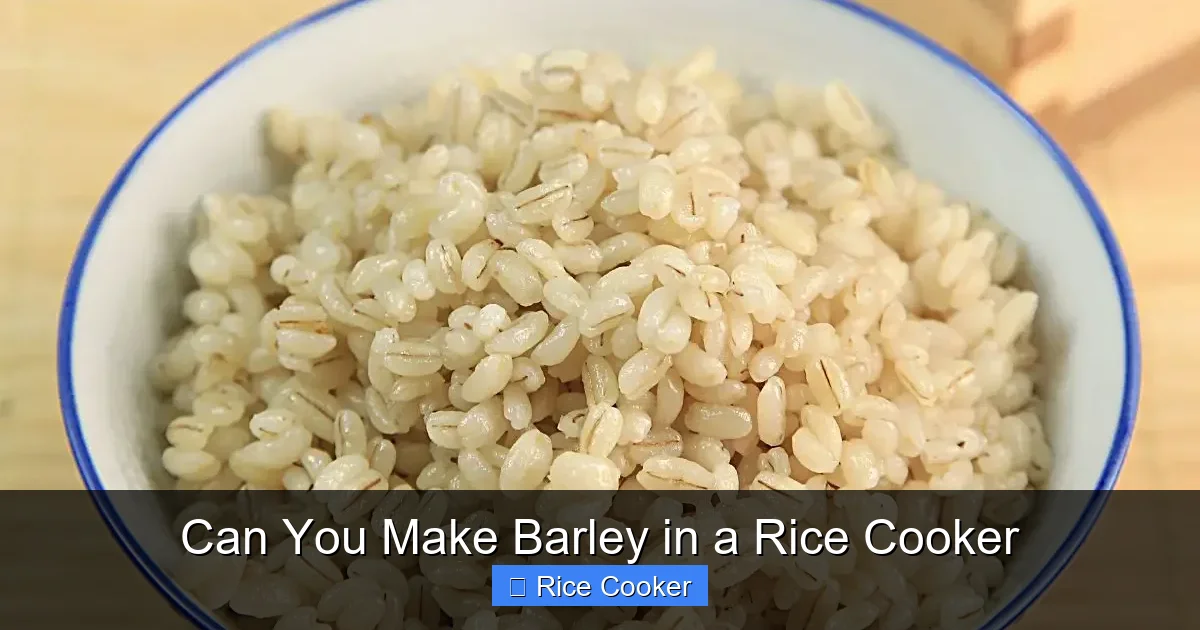
Not all barley is created equal, and choosing the right type can affect both taste and cooking method. There are three main varieties you’ll find in stores: pot barley, pearl barley, and hulled barley. Each has a different level of processing and cooking time, so understanding them helps you pick the best one for your needs.
Visual guide about Can You Make Barley in a Rice Cooker
Image source: foodhow.com
Pot Barley (Hulless Barley)
Also called hulless barley, this is the least processed form. It looks almost like brown rice but with a lighter color and slightly curved shape. Because it still has the outer bran layer removed (but not the tough hull), it cooks faster than hulled barley but slower than pearl barley. Pot barley has a chewy texture and rich flavor, making it ideal for hearty salads or pilafs.
Pearl Barley
This is the most common type found in supermarkets. Pearl barley has been polished to remove both the bran and a portion of the inner endosperm, giving it a shiny, round appearance. While this makes it cook quickly—usually in 30–40 minutes—it also strips away some nutrients and fiber. Still, it’s great for soups, stews, and baby food because it breaks down easily and absorbs flavors well.
Hulled Barley (Or Gehun)
The healthiest option, hulled barley, keeps its entire grain structure intact—bran, germ, and endosperm. Because of this, it takes longer to cook (up to 70–90 minutes) and has a chewier texture. But it’s also the most nutritious, with higher levels of antioxidants, fiber, and essential minerals. If you’re aiming for maximum health benefits, go for hulled barley—just plan ahead since it needs more time and water.
For rice cooker cooking, all three types work, but pearl barley is the fastest and most forgiving. Hulled barley requires patience but rewards you with superior nutrition. Pot barley sits in the middle—faster than hulled but not as fast as pearl.
How to Cook Barley in a Rice Cooker: Step-by-Step Guide
Now for the fun part: actually cooking barley in your rice cooker. It’s simpler than you think, and once you get the hang of it, you’ll wonder why you ever boiled it on the stove. Here’s a foolproof method that works for most rice cooker models—manual, fuzzy logic, or digital.
What You’ll Need
- 1 cup raw barley (adjust based on variety)
- 2 cups water (or broth for extra flavor)
- Optional: salt, olive oil, or herbs for seasoning
- Fine-mesh strainer
- Measuring cups
Step 1: Rinse the Barley
Start by rinsing your barley under cold running water using a fine-mesh strainer. This removes surface starch, which can cause the grains to clump together during cooking. Rinsing is especially important if you’re using hulled or pot barley, which tend to release more starch than pearl barley. Give it a good swirl and drain well.
Step 2: Add Ingredients to the Rice Cooker
Place the rinsed barley into the inner pot of your rice cooker. Pour in the water (and any optional aromatics like garlic, bay leaves, or a splash of vinegar). For pearl barley, a 2:1 ratio (water to barley) works well. For hulled barley, you may want to increase the water slightly—try 2.5:1—since it absorbs more liquid and takes longer to soften.
Step 3: Set the Timer (If Applicable)
Most modern rice cookers don’t require manual timing—they detect when the grain is done and switch to “warm.” However, if your model has settings like “brown rice” or “porridge,” you can select those for better results. If unsure, start with the standard “white rice” setting. For pearl barley, this usually takes 35–45 minutes. Hulled barley may take up to 60–70 minutes.
Step 4: Let It Rest
Once the rice cooker switches to “warm,” let the barley sit for 10–15 minutes. This allows steam to finish softening any remaining hard spots and helps the grains separate. Then fluff gently with a fork before serving.
Troubleshooting Tips
- Gummy texture? Too much water or insufficient rinsing. Next time, reduce water by ¼ cup and rinse twice.
- Still crunchy? Not enough cooking time. Try adding ½ cup more water and cook again for 10–15 minutes.
- Too dry? Add a splash of water or broth and cover with a lid for 5 minutes to steam.
Tips for Perfect Barley Every Time
Even though rice cookers are pretty reliable, small tweaks can make a big difference in texture and flavor. Here are some pro tips to ensure your barley turns out just right:
Soak Before Cooking (Especially for Hulled Barley)
Soaking barley overnight (or at least 2 hours) softens the outer layers and reduces cooking time significantly. It also makes the grain easier to digest. To soak, place barley in a bowl, cover with water, add a pinch of salt, and refrigerate. Drain and rinse before transferring to the rice cooker.
Use Broth Instead of Water
For richer flavor, swap plain water with vegetable, chicken, or mushroom broth. This is especially nice in soups or grain bowls. The extra flavor infuses into the barley while cooking.
Add Fat for Creaminess
A teaspoon of olive oil or butter added to the cooking liquid helps prevent sticking and gives the barley a creamy mouthfeel—great for breakfast-style bowls.
Don’t Open the Lid Mid-Cook
Resist the urge to peek! Opening the lid lets steam escape, which can extend cooking time and affect consistency. Trust the machine—it knows what it’s doing.
Store Leftovers Properly
Cooked barley keeps well in the fridge for up to 5 days. Store in an airtight container and reheat with a splash of water or broth to restore moisture. It also freezes beautifully—portion into containers and thaw as needed.
Creative Ways to Use Cooked Barley
Once your barley is perfectly cooked, the possibilities are endless. Here are some delicious ideas to inspire your next meal:
Barley Risotto
Sauté onions and garlic in olive oil, then stir in cooked barley and warm broth gradually. Stir frequently until creamy and al dente. Top with Parmesan, mushrooms, or spinach.
Hearty Veggie Bowl
Layer cooked barley with roasted sweet potatoes, kale, chickpeas, avocado, and tahini dressing. Sprinkle with pumpkin seeds for crunch.
Chilled Barley Salad
Cool cooked barley with diced cucumbers, cherry tomatoes, parsley, lemon juice, and feta. Serve cold—perfect for picnics or hot weather.
Stuffed Bell Peppers
Mix barley with ground turkey, tomatoes, onion, and spices. Stuff into halved bell peppers and bake at 375°F for 30–40 minutes.
Breakfast Porridge
Cook barley with milk (dairy or plant-based), cinnamon, and a drizzle of honey. Top with berries and nuts for a filling morning meal.
Common Mistakes to Avoid
Even experienced cooks sometimes run into issues with barley. Here are the most common pitfalls and how to fix them:
- Skipping the rinse step → Leads to sticky, clumpy grains. Always rinse thoroughly.
- Using the wrong water ratio → Too little water = undercooked; too much = mushy. Stick close to 2:1, adjusting slightly by barley type.
- Not letting it rest → Results in uneven texture. A 10-minute rest after cooking ensures even softness.
- Choosing the wrong barley for the dish → Pearl barley falls apart in salads; use hulled or pot barley instead.
- Overcooking → Can happen if left on “warm” too long. Remove from heat once done to prevent drying out.
Frequently Asked Questions About Cooking Barley in a Rice Cooker
Still have questions? We’ve got answers. Here are some of the most common queries about making barley in a rice cooker.
How much water do I use per cup of barley?
Use 2 cups of water for every 1 cup of barley. Adjust slightly based on barley type—hulled barley may need up to 2.5 cups. Pearl barley typically sticks closer to 2:1.
Can I cook barley in a rice cooker with a delay timer?
Yes! Most rice cookers allow you to add ingredients in the morning and come back to perfectly cooked barley hours later. Just make sure the cooker is plugged in and set correctly.
Is it better to soak barley before cooking?
Soaking isn’t required, but it helps, especially for hulled barley. It softens the grain, shortens cooking time, and improves digestibility. Aim for 2–4 hours or overnight.
Can I substitute barley for rice in my favorite recipe?
Absolutely. Barley has a similar texture and absorption rate to rice, so it works well in stir-fries, casseroles, and stuffing. Just adjust liquid amounts and cook time as needed.
Does barley need to be pre-soaked in a rice cooker?
Nope—not mandatory. However, soaking hulled barley before cooking can reduce cook time and improve texture. Pearl barley doesn’t need it since it’s already processed.
Can I cook other grains in the same rice cooker after barley?
Yes! Clean the inner pot thoroughly between uses. Many people rotate grains throughout the week—quinoa, wild rice, millet, and even oats all work great in rice cookers.
Final Thoughts: Why Your Rice Cooker Loves Barley
So, can you make barley in a rice cooker? Without a doubt—yes. It’s one of the most underappreciated capabilities of this humble kitchen appliance. Once you master the basics, you’ll find yourself reaching for barley more often than rice, thanks to its nutritional punch, versatility, and satisfying chew.
Whether you’re meal-prepping for the week, whipping up a cozy dinner, or experimenting with new grain bowls, barley delivered via your rice cooker is a win-win. It’s hands-off, consistent, and yields delicious results every single time. Plus, it expands your culinary horizons beyond boring old white rice.
If you’ve never tried cooking barley in a rice cooker, give it a shot today. Start with pearl barley and a simple broth, then explore hulled varieties as you gain confidence. Before long, you’ll be recommending this method to friends and family—because once they taste perfectly cooked, fluffy barley straight from the rice cooker, there’s no going back.
Frequently Asked Questions
How much water do I use per cup of barley?
Use 2 cups of water for every 1 cup of barley. Adjust slightly based on barley type—hulled barley may need up to 2.5 cups. Pearl barley typically sticks closer to 2:1.
Can I cook barley in a rice cooker with a delay timer?
Yes! Most rice cookers allow you to add ingredients in the morning and come back to perfectly cooked barley hours later. Just make sure the cooker is plugged in and set correctly.
Is it better to soak barley before cooking?
Soaking isn’t required, but it helps, especially for hulled barley. It softens the grain, shortens cooking time, and improves digestibility. Aim for 2–4 hours or overnight.
Can I substitute barley for rice in my favorite recipe?
Absolutely. Barley has a similar texture and absorption rate to rice, so it works well in stir-fries, casseroles, and stuffing. Just adjust liquid amounts and cook time as needed.
Does barley need to be pre-soaked in a rice cooker?
Nope—not mandatory. However, soaking hulled barley before cooking can reduce cook time and improve texture. Pearl barley doesn’t need it since it’s already processed.
Can I cook other grains in the same rice cooker after barley?
Yes! Clean the inner pot thoroughly between uses. Many people rotate grains throughout the week—quinoa, wild rice, millet, and even oats all work great in rice cookers.