
You can leave a rice cooker plugged in, but it’s not always the safest or smartest choice. Modern units are designed with auto-shutoff features, but leaving them on constantly may waste energy or pose fire risks over time. The key is knowing how to use your appliance wisely and safely.
Key Takeaways
- Modern rice cookers have auto-off functions: Most newer models shut off automatically after cooking, reducing the risk of leaving them plugged in unnecessarily.
- Energy consumption adds up: Even idle appliances draw standby power; leaving your rice cooker plugged in 24/7 can increase your electricity bill.
- Safety features vary by model: Look for certifications like ETL or UL, which indicate compliance with safety standards—this affects how safe it is to leave plugged in.
- Older or damaged units are riskier: Worn cords, cracked interiors, or outdated technology may not handle prolonged plug-in use as safely as newer models.
- Smart plugs add control: Using a smart plug lets you schedule when your rice cooker powers on and off, saving energy and enhancing safety.
- Unplug during storms or outages: Power surges during lightning storms can damage electronics; unplugging protects your rice cooker and home appliances.
- Regular maintenance matters: Cleaning your rice cooker and checking cords regularly ensures it operates safely, whether it’s left plugged in or not.
📑 Table of Contents
- Can You Leave Rice Cooker Plugged In? What Every Homeowner Should Know
- Understanding How Rice Cookers Work
- Safety First: Is It Safe to Leave Your Rice Cooker Plugged In?
- Energy Consumption: Does Leaving It Plugged In Waste Electricity?
- Best Practices for Using Your Rice Cooker Safely
- What About Keep Warm Mode?
- Environmental Impact and Sustainability
- Common Misconceptions About Rice Cookers
- Real-Life Scenarios: When to Leave It Plugged In
- Final Thoughts: Balance Convenience and Caution
Can You Leave Rice Cooker Plugged In? What Every Homeowner Should Know
Have you ever wondered whether it’s safe to leave your rice cooker plugged in all day—or even overnight? It’s a common question, especially among busy parents, college students, or anyone who uses their kitchen gadget daily. After all, rice cookers are small, convenient, and often left on the counter while we go about our day. But what happens when you’re not using them? Is it just sitting there drawing power? And more importantly—is it safe?
In this comprehensive guide, we’ll explore everything you need to know about leaving your rice cooker plugged in. From safety concerns to energy usage and practical tips, we’ll break down the facts so you can make informed decisions about your kitchen appliances. Whether you’re a rice enthusiast, a meal-prep warrior, or someone trying to simplify their life, understanding your rice cooker’s behavior is key to using it safely and efficiently.
Understanding How Rice Cookers Work
The Basics of Rice Cooking Technology
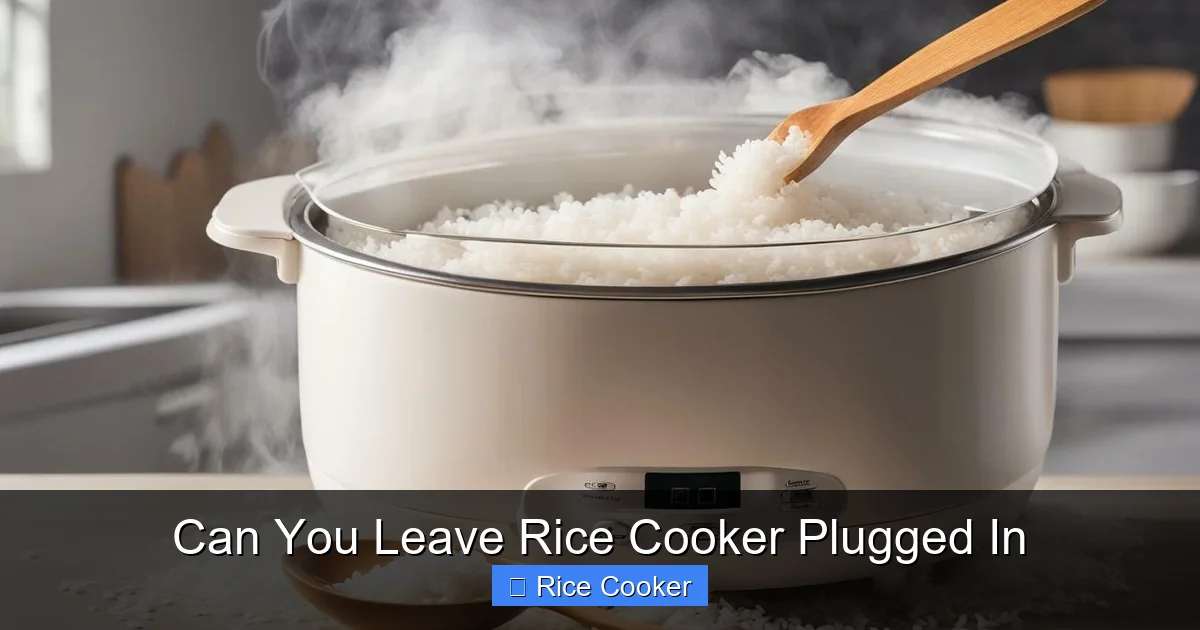
Rice cookers operate using a simple yet effective mechanism: an internal heating element and a thermostat. When you add water and rice, the unit heats the mixture until it boils. Once the water evaporates, the temperature rises, triggering the thermostat to switch off the heat. Many modern models then enter a “keep warm” mode, maintaining the rice at a safe serving temperature without overcooking.
Visual guide about Can You Leave Rice Cooker Plugged In
Image source: ricearray.org
This cycle usually takes between 20 to 45 minutes, depending on the type of rice and the capacity of your cooker. Afterward, most models automatically cut power—no manual intervention needed. This built-in auto-shutoff feature is one reason many people assume it’s safe to leave the rice cooker plugged in.
Types of Rice Cookers and Their Features
Not all rice cookers are created equal. There are several types, each with different capabilities and safety features:
- Basic Electric Rice Cookers: Simple models with one-button operation. They typically have auto-off and keep-warm functions.
- Fuzzy Logic Rice Cookers: Advanced models that adjust heating patterns based on rice type (white, brown, jasmine, etc.). These often include timers and multiple cooking modes.
- Multi-Cookers: Devices that function as rice cookers, slow cookers, steamers, and sometimes air fryers. These tend to be more complex but offer versatility.
- Induction Rice Cookers: High-end units using electromagnetic fields for precise temperature control. Often found in professional or premium home kitchens.
While all these models share the basic principle of auto-shutoff, newer ones generally include better insulation, surge protection, and energy-saving modes. That said, the age and quality of your specific unit matter greatly when deciding whether to leave it plugged in.
Safety First: Is It Safe to Leave Your Rice Cooker Plugged In?
Built-In Safety Mechanisms
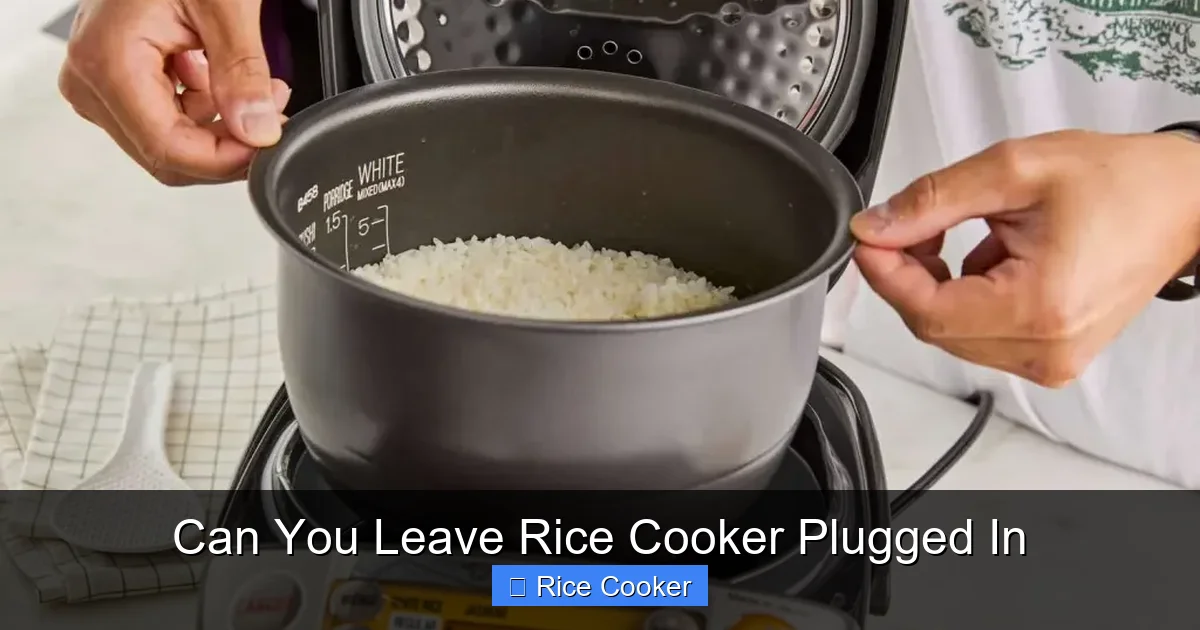
Most modern rice cookers are equipped with several safety features designed to prevent accidents. The primary one is the automatic shut-off. Once the rice is cooked and the water has evaporated, the internal sensor detects the change in temperature and turns off the heating element. Some models also have thermal fuses that break the circuit if overheating occurs—acting as a backup safety measure.
Visual guide about Can You Leave Rice Cooker Plugged In
Image source: weknowrice.com
Additionally, many units come with non-stick inner pots that reduce the risk of burning or smoking. The outer casing is typically made of heat-resistant plastic or metal, further minimizing hazards. These design elements help ensure that, under normal conditions, leaving your rice cooker plugged in won’t cause immediate danger.
When Safety Becomes a Concern
Despite these safeguards, risks still exist—especially with older or poorly maintained models. Here are some scenarios where leaving your rice cooker plugged in could be problematic:
- Aging Cords and Wires: Over time, the cord or plug may fray or become brittle. If the insulation breaks, exposed wires could lead to short circuits or even fires.
- Faulty Thermostats: If the temperature sensor fails, the cooker might keep heating indefinitely, potentially causing smoke or fire.
- Power Surges: During storms or grid fluctuations, a surge can damage the internal circuitry, increasing the chance of malfunction.
- Loose Connections: A wobbly plug or dirty outlet increases the risk of arcing, which can spark and ignite nearby materials.
If your rice cooker shows signs of wear—such as unusual smells, discoloration, or inconsistent performance—it’s time to inspect it or replace it. Never ignore warning signs.
Energy Consumption: Does Leaving It Plugged In Waste Electricity?
The Standby Power Draw
Even when not actively cooking, many appliances consume small amounts of electricity in what’s known as “standby” or “vampire” power. Rice cookers fall into this category—though the amount varies by model. On average, a rice cooker draws between 1 and 5 watts when idle.
To put this into perspective:
- A 3-watt rice cooker left plugged in for a year consumes about 26 kWh of electricity.
- At the national average rate of $0.13 per kWh, that’s roughly $3.40 annually.
While this might seem trivial, multiply it across multiple appliances and households, and the savings add up. Plus, every bit of wasted energy contributes to higher carbon emissions.
Comparing Energy Use Across Appliances
Here’s how rice cookers stack up against other common kitchen gadgets in terms of standby power:
| Appliance | Average Standby Power (Watts) |
|---|---|
| Microwave (with clock) | 3–8 |
| Coffee Maker (digital) | 2–5 |
| Electric Kettle (auto-off) | 1–3 |
| Rice Cooker (basic model) | 1–5 |
As you can see, rice cookers are relatively low consumers compared to some digital devices. However, if you use your rice cooker frequently and leave it plugged in all day, the cumulative effect becomes noticeable.
Best Practices for Using Your Rice Cooker Safely
Always Unplug When Not in Use
For maximum safety and efficiency, experts recommend unplugging your rice cooker when you’re not actively cooking. This eliminates any risk from electrical faults and stops unnecessary energy drain. Think of it like turning off lights when leaving a room—simple habits make a big difference.
Use a Timer or Smart Plug
If you love having hot rice ready at a specific time (say, for breakfast), consider investing in a programmable timer or a smart plug. These devices let you schedule when your rice cooker turns on and off. For example, you could set it to start cooking at 6:30 AM and shut off automatically at 7:00 AM, ensuring fresh, hot rice without leaving the unit plugged in overnight.
Keep the Area Around the Cooker Clear
Never place flammable items—like paper towels, wooden utensils, or curtains—near your rice cooker. Even though they’re designed to stay cool, unexpected sparks or overheating could pose a fire hazard. Maintain at least six inches of clearance around the appliance.
Clean Regularly
Dust buildup inside or outside the rice cooker can interfere with airflow and sensors, potentially affecting performance and safety. Wipe the exterior weekly and clean the inner pot and lid monthly with mild soap and water. Avoid submerging the base in water—always unplug and dry thoroughly before cleaning.
Inspect for Damage
Check the cord, plug, and housing periodically for cracks, burns, or loose parts. If you notice anything unusual, stop using the appliance immediately and consult the manufacturer or a technician.
What About Keep Warm Mode?
How Long Is Too Long?
Many rice cookers offer a “keep warm” setting that maintains food at a safe temperature for several hours. While convenient, this mode isn’t intended for long-term storage. Bacteria can begin to grow in rice after two hours at room temperature, even if it stays above 140°F (60°C).
For optimal food safety:
- Avoid keeping rice in keep-warm mode for more than 2–3 hours.
- Refrigerate leftover rice within 2 hours of cooking.
- Reheat thoroughly before consuming.
If you rely on keep-warm mode daily, consider switching it off after cooking and reheating the rice later. This saves energy and reduces bacterial growth risk.
Does Keep Warm Use More Power?
Yes—keep warm mode does consume more energy than standby. A typical rice cooker in keep warm uses about 5–15 watts, depending on the model. While still relatively low, using it only when necessary helps conserve energy.
Environmental Impact and Sustainability
Reducing Your Carbon Footprint
Every kilowatt-hour saved matters when it comes to environmental sustainability. By unplugging your rice cooker when not in use, you contribute to lower greenhouse gas emissions, especially if your electricity comes from fossil fuels. Simple actions like this align with broader efforts toward energy conservation and climate action.
Choosing Eco-Friendly Models
When shopping for a new rice cooker, look for energy-efficient certifications such as ENERGY STAR. These labels indicate that the product meets strict energy performance standards set by government agencies. Though rice cookers aren’t always included in ENERGY STAR programs, some manufacturers voluntarily comply, offering models with improved insulation and smarter power management.
Other eco-conscious choices include:
- Buying from brands committed to sustainable manufacturing.
- Opting for durable, repairable designs instead of disposable gadgets.
- Recycling old appliances responsibly through e-waste programs.
Common Misconceptions About Rice Cookers
Myth: All Rice Cookers Are the Same
This couldn’t be further from the truth. Basic models lack advanced features like timers or precise temperature controls, while high-end units offer multi-functionality and superior safety mechanisms. Always read reviews and specifications before purchasing.
Myth: It’s Fine to Leave Any Model Plugged In Forever
Even the newest rice cooker isn’t immune to wear and tear. Electrical components degrade over time, and no device lasts forever without risk. Regular maintenance and cautious usage are essential.
Myth: Keep Warm Mode Prevents Spoilage
While keep warm keeps food hot, it doesn’t sterilize it. Rice can harbor spores from bacteria like Bacillus cereus, which survive boiling and multiply slowly in warm environments. Proper refrigeration is key to preventing foodborne illness.
Real-Life Scenarios: When to Leave It Plugged In
Scenario 1: Busy Parent Who Prepares Meals Ahead
Sarah uses her rice cooker to prepare dinner nightly. She sets it to cook at 5:00 PM and leaves it plugged in until 6:00 PM when she serves dinner. Afterward, she unplugs it. This routine works well because she monitors usage closely and avoids relying on keep-warm mode.
Scenario 2: College Student Living in Dorm
Jake lives in a dorm where outlets are limited. He owns a small rice cooker and keeps it plugged in most of the time. To reduce risk, he uses a smart plug to limit usage to meal times and never leaves it in keep-warm overnight. He also checks the cord monthly for damage.
Scenario 3: Restaurant Owner Using Multiple Units
Maria runs a small eatery and uses three rice cookers throughout the day. She unplugs them after each service and stores them properly. This habit prevents overheating, saves energy, and extends the lifespan of her equipment.
Final Thoughts: Balance Convenience and Caution
So, can you leave your rice cooker plugged in? Technically, yes—but practically speaking, it’s better not to. Modern models are safe, energy-efficient, and reliable, yet they still benefit from responsible use. Unplugging when not in use protects your home, saves money, and supports environmental goals.
Remember: convenience shouldn’t compromise safety. Use timers, inspect cords, clean regularly, and treat your rice cooker like any other kitchen appliance. With these habits, you’ll enjoy perfectly cooked rice—every time—without worry.
Frequently Asked Questions
Is it dangerous to leave my rice cooker plugged in all the time?
It’s generally not dangerous if your rice cooker is modern and in good condition, since most have auto-shutoff and safety features. However, leaving it plugged in constantly wastes energy and increases the risk of fire over time due to wear and potential surges.
Do rice cookers use much electricity when left plugged in?
No, rice cookers consume very little power in standby mode—typically 1 to 5 watts. Over a year, this adds up to less than $4 in electricity costs, but unplugging saves energy and reduces your carbon footprint.
Should I unplug my rice cooker after every use?
Yes, for safety and efficiency. Unplugging prevents unnecessary energy use and protects against electrical faults, surges, or aging components. It’s a simple habit that makes a big difference.
Can a power surge damage my rice cooker?
Yes, sudden voltage spikes during storms or grid issues can damage internal circuits. Unplugging during severe weather or using a surge protector helps safeguard your appliance.
How long can I safely use the keep warm setting?
Keep warm mode is best used for up to 2–3 hours. Beyond that, bacteria may grow in stored rice. For longer storage, refrigerate within 2 hours of cooking.
Are smart plugs a good solution for managing my rice cooker?
Absolutely. Smart plugs let you schedule when your rice cooker turns on and off, adding convenience and energy savings without sacrificing safety.