
Can you leave the rice cooker on warm all day? Yes, but only if it has a reliable keep-warm function. Most modern rice cookers are designed to maintain temperature safely for hours after cooking, making them convenient for busy households. However, prolonged exposure to heat can affect texture and flavor over time. Always check your model’s manual—some older units may not handle extended warm cycles well. Using the warm setting wisely ensures tasty rice and peace of mind.
Key Takeaways
- Safety First: Rice cookers with certified keep-warm settings are generally safe to leave on all day without burning or electrical hazards.
- Food Quality Matters: While safe, leaving rice on warm too long can dry out grains and alter taste due to evaporation and starch changes.
- Energy Efficiency: Modern models consume minimal power during warm mode, but leaving it on unnecessarily increases electricity use.
- Model Differences: Not all rice cookers are built the same—some have advanced sensors and better insulation than others.
- Best Practices: Limit warm settings to 12–24 hours max, especially in hot climates or during summer months.
- Cleaning Reminder: Always clean inner pots and warming plates regularly to prevent bacterial growth from residual moisture.
- Alternative Solutions: For meals eaten later, consider reheating rice properly instead of relying solely on the warm function.
📑 Table of Contents
- Can You Leave the Rice Cooker on Warm All Day?
- How Does the Warm Function Work?
- Safety Concerns: Is It Safe to Leave It On?
- What Happens If You Leave It On Too Long?
- Best Practices for Using the Warm Setting
- Real-Life Scenarios: When Leaving It On Makes Sense
- Signs Your Rice Cooker Isn’t Working Right
- Final Thoughts: Convenience vs. Caution
Can You Leave the Rice Cooker on Warm All Day?
Have you ever come home late, skipped dinner, and found perfectly cooked rice waiting for you—still warm and ready to eat? That’s the magic of the rice cooker’s “warm” function. But here’s the real question: can you leave the rice cooker on warm all day? It sounds convenient, right? Just set it once and let it do the work. But convenience isn’t always synonymous with safety or quality. In this article, we’ll dive deep into what happens when you leave your rice cooker on warm, how it affects your food, and whether it’s truly okay to leave it running for hours—or even days.
Rice cookers are one of those kitchen staples that feel like they were invented yesterday, yet they’ve been around for decades. Their primary job is simple: boil water, cook rice, and then switch to warm mode until someone comes along to serve it up. But behind that humble exterior lies a complex little machine with sensors, heating elements, and sometimes even digital controls. And while most people trust their rice cooker to keep food at a safe temperature, few stop to ask: how long is too long?
In this comprehensive guide, we’ll explore everything from the science behind the warm setting to practical tips for everyday use. Whether you’re feeding a family of five or just yourself, understanding your rice cooker’s limits helps you make smarter choices—without sacrificing flavor or safety.
How Does the Warm Function Work?
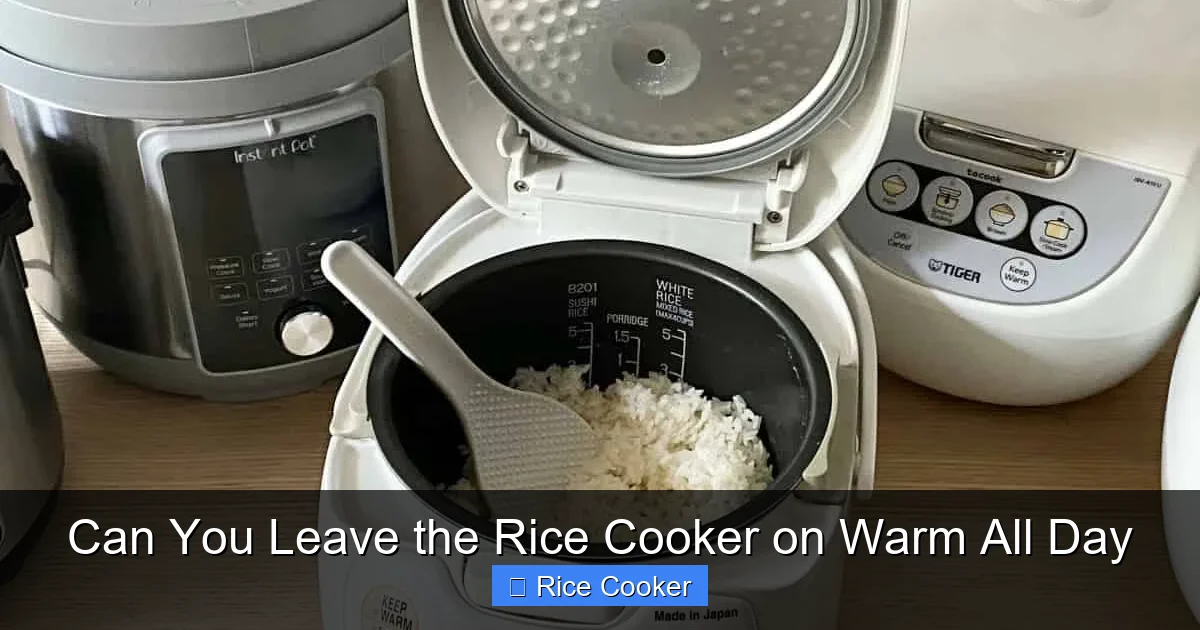
Visual guide about Can You Leave the Rice Cooker on Warm All Day
Image source: archute.com
Before we answer whether you can leave the rice cooker on warm all day, let’s talk about how that warm function actually works. After the rice finishes cooking, the internal sensor detects that the temperature has dropped below boiling point. At this stage, the cooker switches from high heat to low heat—often called “keep warm” or simply “warm.”
This low-heat cycle doesn’t reboil the rice. Instead, it maintains a steady temperature—usually between 165°F and 185°F (74°C to 85°C)—which is enough to prevent cold food but not so hot that it continues cooking. Think of it like a car’s idle mode: the engine runs quietly to stay ready, but it’s not under full load.
Most modern rice cookers also include advanced features like humidity control and insulated chambers to reduce heat loss. Some models even monitor moisture levels to avoid drying out the rice over time. These innovations help extend the safe window for keeping rice warm—but they don’t make it unlimited.
The Science Behind Staying Warm
Heat transfer plays a big role here. When rice sits in a hot environment, moisture evaporates slowly. Over time, this evaporation dries out the grains, changing their texture from fluffy to slightly sticky or hard. Meanwhile, the starch in rice begins to recrystallize (a process called retrogradation), which affects both taste and digestibility.
The ideal keep-warm temperature avoids these issues. If the rice stays within the recommended range and isn’t exposed to drafts or extreme room temperatures, it should remain edible for several hours. But again—this depends heavily on your specific model.
Older vs. Newer Models
Not all rice cookers are created equal. Older models might lack precise temperature regulation, meaning they could overheat or fluctuate wildly. This makes them less reliable for long-term warming. In contrast, newer appliances often feature:
– Dual heating systems
– Microprocessor controls
– Better insulation materials
– Automatic shut-off timers
If you own an older rice cooker without a dedicated “keep warm” setting, leaving it on all day increases risks like dryness, uneven heating, or even smoke if the unit struggles to regulate itself.
Safety Concerns: Is It Safe to Leave It On?
Let’s get straight to the heart of the matter: is it safe to leave the rice cooker on warm all day? The short answer is yes—if your appliance meets certain conditions. Most modern rice cookers are designed with safety mechanisms that prevent overheating and automatically adjust power output during warm mode.
However, safety isn’t automatic. Several factors influence whether leaving your rice cooker on is risk-free:
1. Certification and Standards
Look for appliances labeled as meeting UL (Underwriters Laboratories) or ETL standards. These certifications mean the product has passed rigorous tests for electrical safety, thermal performance, and fire prevention. Uncertified or imported units may cut corners on safety features.
2. Ambient Temperature
Hot kitchens (like those in summer or poorly ventilated spaces) can trap heat, forcing the rice cooker to work harder to maintain the set temperature. This increases energy use and may shorten the safe duration of the warm setting.
3. Frequency of Use
If you’re constantly opening the lid to scoop rice, you introduce cold air and disrupt the internal climate. Each time you open the lid, the cooker must reheat briefly to compensate—wasting energy and potentially affecting consistency.
4. Rice Type and Portion Size
Thicker batches or denser grains (like sushi rice or jasmine) retain moisture differently than lighter varieties. Smaller portions dry out faster because there’s less mass to hold heat and humidity.
5. Manufacturer Guidelines
Always consult your user manual! Some brands explicitly state how long their warm function can run safely. For example, Zojirushi recommends no more than 12 hours, while Cuisinart suggests limiting it to 24 hours. Ignoring these warnings voids warranties and risks damage.
In summary, while many rice cookers *can* stay on warm all day without immediate danger, doing so isn’t always ideal for food quality or appliance longevity.
What Happens If You Leave It On Too Long?
Even if your rice cooker is safe to use, leaving it on warm for excessive periods leads to noticeable changes in rice quality. Here’s what to expect:
Dryness and Texture Loss
As mentioned earlier, moisture escapes gradually. After 8–10 hours, rice may start feeling stiff or chewy. By 24 hours, it’s likely past its prime—more like cardboard than comfort food.
Flavor Degradation
Heat accelerates chemical reactions that dull flavors. Salt, spices, or infused liquids (like broth) lose potency. Plus, lingering odors from previous batches can mix into new ones.
Starch Recrystallization
This process turns soft, tender grains into rigid structures. It’s why leftover rice sometimes feels gummy or chalky—even if it looked fine before.
Bacterial Growth Risks
While the warm setting keeps rice above the danger zone (40°F–140°F), bacteria still multiply slowly. Prolonged exposure increases contamination chances, especially if the rice was already borderline fresh.
Energy Waste
Modern rice cookers use about 50 watts in warm mode—that’s roughly the same as a lightbulb. Leaving it on for 12+ hours adds up: 0.6 kWh per day. Multiply that by 365 days, and you’re spending extra money on electricity.
Best Practices for Using the Warm Setting
Now that we’ve covered the “what ifs,” let’s talk about how to use the warm function responsibly.
Limited Duration
Stick to 12–24 hours maximum. If you know you won’t eat the rice within that timeframe, turn off the warm setting entirely. Better yet, store cooked rice in the refrigerator within two hours of cooking.
Cover It Up
Use a tight-fitting lid or plastic wrap to minimize evaporation. A loose cover lets steam escape, drying out the top layer quickly.
Avoid Opening Frequently
Every time you lift the lid, you lose warmth. Plan ahead so you only need to access the rice once or twice.
Store Leftovers Properly
Refrigerate any uneaten rice within 2 hours. Reheat thoroughly to 165°F before serving. Never rely solely on the warm function for leftovers.
Clean Regularly
Residue buildup on the heating plate attracts mold and bacteria. Wipe down the exterior and remove crumbs weekly.
Choose the Right Model
Invest in a high-quality rice cooker with reliable keep-warm technology. Look for brands known for durability and precision—like Zojirushi, Panasonic, or Tiger.
Consider Alternatives
For large families or meal prep, consider using a slow cooker or insulated container. These alternatives offer better temperature control and longer freshness.
Real-Life Scenarios: When Leaving It On Makes Sense
Despite the risks, there are situations where leaving your rice cooker on warm all day is practical—and safe.
Busy Parents
Imagine dropping kids off at school, working all day, and coming home to a hot meal. Having rice ready saves time and reduces takeout expenses. As long as you follow best practices, this setup works wonders.
Meal Prep Enthusiasts
People who cook in bulk love the convenience of having multiple dishes ready at once. Keeping one pot warm while others cool allows flexible eating schedules.
Cultural Traditions
In many Asian cultures, rice is served continuously throughout the day. Families often leave rice warm overnight so it’s ready for breakfast or late snacks.
Of course, each scenario requires awareness. Don’t assume “convenience equals safety.” Always weigh benefits against potential downsides.
Signs Your Rice Cooker Isn’t Working Right
Sometimes, your appliance itself signals trouble. Watch out for these red flags:
– **Burning smells**: Indicates overheating or burnt residue.
– **Uneven heating**: Cold spots suggest faulty sensors or worn heating elements.
– **Frequent cycling**: Constant switching between cook and warm modes means it can’t stabilize.
– **Crackling sounds**: Electrical issues that demand immediate attention.
If you notice any of these, unplug the unit immediately and inspect it. Continuing to use a damaged rice cooker risks fire or injury.
Final Thoughts: Convenience vs. Caution
So, back to our original question: can you leave the rice cooker on warm all day? The honest answer is: it depends. With proper equipment, mindful usage, and respect for timing limits, yes—you absolutely can. But don’t treat it like a magic solution. Rice cookers aren’t meant to replace refrigeration or reheating routines.
Think of the warm function as a helpful bridge—not a permanent destination. Use it wisely, clean it often, and always prioritize freshness over convenience. After all, nobody enjoys eating stale, dried-out rice—even if it’s technically “safe.”
By following these guidelines, you’ll enjoy better-tasting rice, save energy, protect your appliance, and avoid unnecessary health risks. Happy cooking!
Frequently Asked Questions
Is it safe to leave my rice cooker on warm all day?
Yes, if your rice cooker has a certified keep-warm function and follows manufacturer guidelines. Modern models are designed to prevent overheating and maintain safe temperatures. However, prolonged use affects food quality and increases energy consumption.
How long can rice stay on warm in a rice cooker?
Most rice cookers safely keep rice warm for up to 12–24 hours. Beyond that, moisture loss, texture changes, and bacterial growth become significant concerns. Always store leftovers in the fridge within 2 hours of cooking.
Will leaving the rice cooker on damage it?
Rarely, if the appliance is functioning properly. Extended warm cycles may wear out heating elements over time, but modern designs include safeguards. Still, following recommended usage times helps prolong the life of your rice cooker.
Why does rice get hard when left on warm too long?
Moisture evaporates slowly, drying out the grains. Starch recrystallization also occurs, turning soft rice into stiff, chewy pieces. Using a lid and minimizing lid openings helps preserve texture.
Can I leave the rice cooker on overnight?
It’s possible, but not ideal. Overnight warming (8–12 hours) is acceptable for short periods, but rice starts losing quality after 12 hours. For longer storage, refrigerate instead.
Do all rice cookers have the same warm function?
No. Older models may lack precise temperature control, while newer ones feature advanced sensors and insulation. Always check your manual for specific recommendations based on your model.