
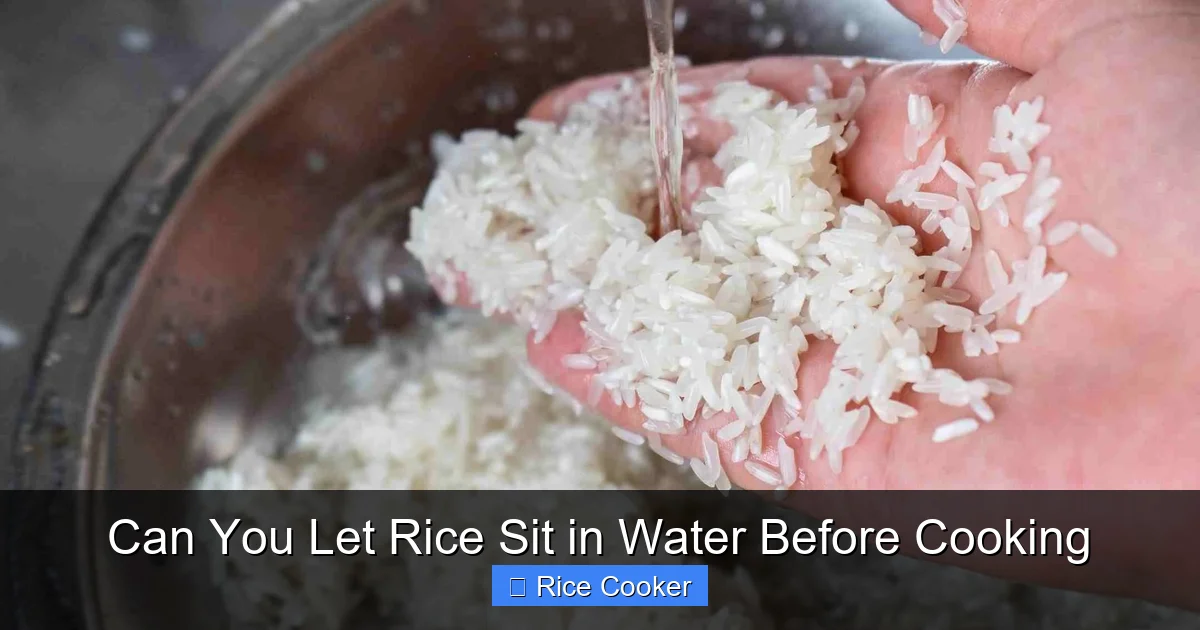
Can you let rice sit in water before cooking? Yes—soaking rice can improve texture, reduce cook time, and help it absorb flavors evenly. Whether you’re using a pot or rice cooker, this simple step makes a noticeable difference.
Key Takeaways
- Soaking rice softens the grains, leading to fluffier, more uniform results when cooked.
- It reduces cooking time by pre-hydrating the starch, which speeds up absorption.
- Different rice types benefit differently—jasmine, basmati, and brown rice respond well; sushi rice less so.
- You don’t need fancy equipment; just clean water and a bowl or sink work fine.
- Soaking also helps remove excess starch, reducing stickiness in certain varieties.
- For best results, drain and rinse after soaking to avoid mushy rice.
- A rice cooker handles soaked rice perfectly, maintaining consistent heat and timing.
📑 Table of Contents
- Can You Let Rice Sit in Water Before Cooking?
- The Science Behind Soaking Rice
- Benefits of Soaking Rice
- Which Types of Rice Benefit Most from Soaking?
- How Long Should You Soak Rice?
- Step-by-Step Guide: How to Soak Rice Properly
- Soaking Rice in a Rice Cooker: Is It Possible?
- Common Mistakes to Avoid
- Alternatives to Traditional Soaking
- Does Soaking Affect Flavor?
- Food Safety Considerations
- Final Thoughts: Should You Always Soak Rice?
Can You Let Rice Sit in Water Before Cooking?
Have you ever wondered if letting rice soak in water before cooking could make a real difference in your meals? Maybe your rice comes out too sticky, undercooked in the center, or simply lacks that perfect fluffy texture every great dish should have. The answer might be simpler than you think—yes, you can let rice sit in water before cooking, and doing so may just transform your results.
Whether you’re using a traditional stove-top pot, an electric rice cooker, or even a pressure cooker, soaking rice is a time-tested technique that many home cooks overlook. While it’s not always necessary for every type of rice, understanding when and why to soak can elevate your cooking game. In this article, we’ll explore everything you need to know about letting rice sit in water—how long, what kind works best, and how to do it without making a mess.
The Science Behind Soaking Rice
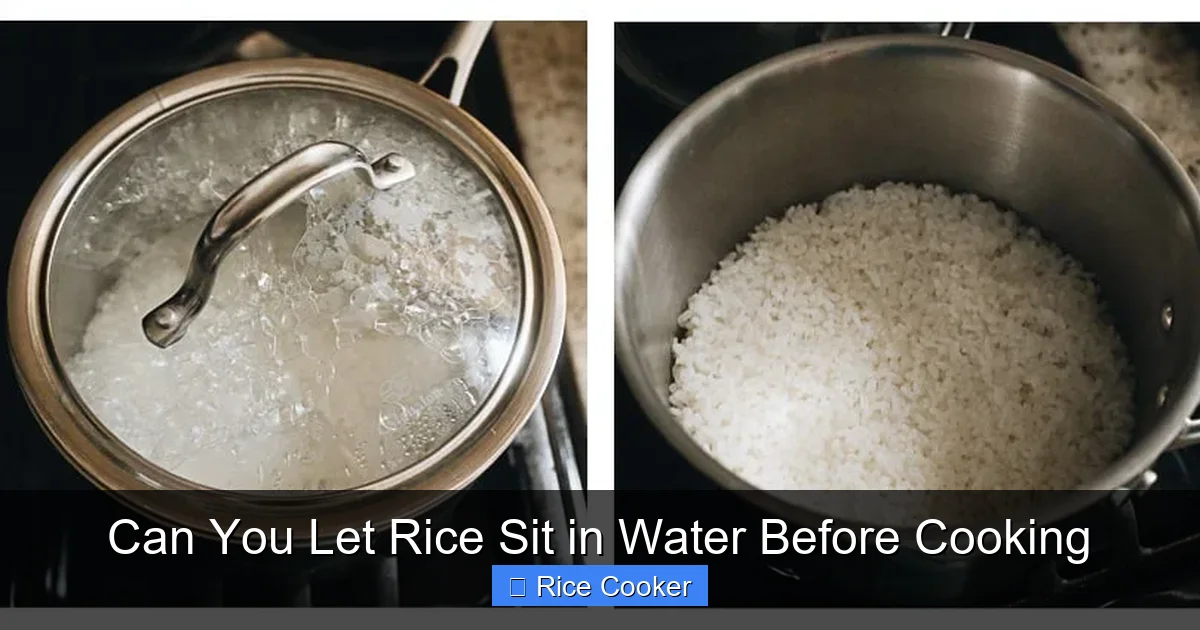
Before diving into tips and techniques, it helps to understand why soaking works. Rice contains starches—mainly amylose and amylopectin—that absorb water during the cooking process. When these starches hydrate, they begin to swell and soften. If you skip the soak, the outer layers of the grain may absorb water quickly while the inside remains hard, leading to uneven texture.
Visual guide about Can You Let Rice Sit in Water Before Cooking
Image source: omnivorescookbook.com
How Water Penetrates the Grain
Rice grains are like tiny sponges. When submerged, water slowly seeps into the outer layer (the bran and germ), allowing the endosperm (the starchy core) to plump up gradually. This slow, steady absorption prevents cracking and ensures each kernel cooks uniformly. Think of soaking as giving your rice a gentle head start before it hits the heat.
Impact on Starch Structure
Soaking also affects the starch structure. In some rice varieties—like jasmine or basmati—excess surface starch contributes to stickiness. By sitting in water, this starch dissolves slightly and can be rinsed away. This is especially helpful if you prefer less gluey rice. On the flip side, short-grain rice (like sushi rice) has more amylopectin, which creates stickiness intentionally—so soaking it too long might undo its intended texture.
Benefits of Soaking Rice
Now that we know the science, let’s talk practical benefits. Soaking isn’t just about tradition—it delivers measurable improvements in both flavor and texture.
Visual guide about Can You Let Rice Sit in Water Before Cooking
Image source: m.media-amazon.com
1. Fluffier, More Consistent Texture
One of the most common complaints about cooked rice is inconsistency: chewy centers, mushy edges, or dry clumps. Soaking eliminates much of this variation. Because all parts of the grain hydrate at roughly the same rate, they expand and cook together. The result? Every bite tastes and feels the same.
Imagine serving a family dinner where half the rice is tender and light while the other half is still firm—awkward, right? With a quick soak, you avoid that stress entirely.
2. Faster Cooking Times
Pre-soaked rice needs less active cooking time. Why? It’s already partway through hydration. For example, white basmati rice typically takes 15–18 minutes to cook from dry, but only 10–12 minutes if soaked for 30 minutes first. That’s a meaningful time savings, especially when you’re juggling multiple dishes.
This is particularly useful in busy kitchens or when using a rice cooker with preset timers—you can add soaked rice directly and trust it will finish evenly.
3. Reduced Stickiness (When Desired)
If you’ve ever struggled with clumping rice stuck to the pot, soaking might be your solution. As mentioned earlier, surface starches dissolve in water during soaking. Afterward, a quick rinse removes them, leaving behind cleaner-tasting grains. Just be careful not to overdo it—rinsing too much can wash away nutrients and natural flavor.
4. Better Nutrient Retention
Contrary to popular belief, soaking doesn’t destroy nutrients. In fact, it can enhance bioavailability. Some vitamins and minerals become easier for your body to absorb after hydration. However, prolonged soaking (over 6 hours) can leach out water-soluble B vitamins, so keep it reasonable.
5. Improved Digestibility
Soaking breaks down phytic acid—a compound found in whole grains that can inhibit mineral absorption. While white rice has less phytic acid to begin with, soaking still offers mild digestive benefits by softening the grain further.
Which Types of Rice Benefit Most from Soaking?
Not all rice responds equally to soaking. Here’s a breakdown by variety:
Long-Grain Varieties: Jasmine, Basmati, American Long Grain
These are your top candidates for soaking. Their elongated shape means they have plenty of surface area for water uptake. Jasmine and basmati rice, in particular, develop floral aromas and distinct separation when soaked properly. Many chefs recommend soaking them for at least 30 minutes before cooking to unlock their full potential.
Medium-Grain Rice: Arborio, Calrose
Arborio rice—used in risotto—actually benefits from soaking because it helps control creaminess. Calrose rice, common in California-style sushi, also tolerates short soaks but shouldn’t sit too long or it loses its signature stickiness.
Short-Grain Rice: Sushi Rice, Glutinous Rice
Here’s where caution applies. Short-grain rice relies on stickiness for its purpose (think sushi rolls or mochi). Soaking it beyond 15–20 minutes risks turning it into paste. If you must soak, use cold water and drain immediately after.
Brown Rice
Brown rice benefits significantly from soaking due to its fibrous hull. A 30-minute soak softens the bran layer, reducing cook time and improving tenderness. Brown rice often takes longer to cook than white rice, so this step pays off big time.
Instant and Quick-Cook Rice
Most instant rice is pre-cooked, then dehydrated. Soaking won’t help—and might even ruin the texture. Same goes for quick-cook varieties designed to be ready in minutes. Skip soaking here unless the package specifically recommends it.
How Long Should You Soak Rice?
The ideal soaking time varies by rice type, but here’s a general guide:
- White long-grain (basmati, jasmine): 30–60 minutes
- Brown rice: 30–60 minutes (sometimes up to 2 hours for very hard types)
- Medium-grain (calrose, arborio): 15–30 minutes
- Short-grain (sushi rice): 10–20 minutes maximum
- Instant/quick-cook: Not recommended
For beginners, start with 30 minutes for long-grain white rice. You’ll notice a difference without risking overdoing it.
Pro tip: Always use clean, cold water. Warm or hot water can activate enzymes that cause premature fermentation or spoilage—especially in humid climates.
Step-by-Step Guide: How to Soak Rice Properly
Ready to try it yourself? Follow these simple steps for foolproof results:
Step 1: Measure and Rinse
Start by measuring your rice. Use a dry measuring cup—wet rice expands volume and leads to inaccurate ratios. Place the rice in a fine-mesh strainer and rinse under cold running water until the water runs clear. This removes surface starch and dust without affecting flavor.
Step 2: Transfer to a Bowl
Place the rinsed rice into a large, non-reactive bowl or container. Glass, ceramic, or food-grade plastic work best—avoid metal, which can react with acids in some rice.
Step 3: Add Water
Cover the rice with clean, cold water. The ratio depends on your rice type and desired outcome:
- For fluffy white rice: Use twice the volume of water (e.g., 2 cups rice : 4 cups water)
- For sticky sushi rice: Use 1.1–1.2 times water
- For brown rice: 1.5 times water (due to denser texture)
Step 4: Let It Sit
Cover the bowl loosely with a lid or plastic wrap. Store at room temperature if soaking less than 2 hours; refrigerate if longer. Avoid leaving rice soaking overnight—this increases bacterial growth risk.
Step 5: Drain and Proceed
After soaking, drain the rice thoroughly using your strainer. Give it one final rinse if you want to remove more starch. Then proceed with cooking—whether in a pot or rice cooker.
Soaking Rice in a Rice Cooker: Is It Possible?
Many people assume you must soak rice separately, but modern rice cookers make this easy. Here’s how:
Method A: Pre-Soak Offline
This is the safest approach. Soak rice in a bowl as described above, then transfer it along with any residual soaking water (don’t rinse yet!) into the rice cooker insert. Add extra water if needed to match your usual ratio. Press “Cook” and let the machine do the rest.
Method B: Soak Inside the Cooker (Advanced)
Some rice cookers have a built-in soaking function or allow you to set a timer. If yours does, add rinsed rice and water directly to the inner pot, cover, and set for 30 minutes on “Keep Warm” or “Timer.” Then switch to “Cook.” Be cautious—leaving rice unattended for long periods isn’t ideal.
Tips for Rice Cooker Users
- Always use the correct water-to-rice ratio—soaking changes absorption rates slightly.
- Don’t overfill the inner pot; leave space for expansion.
- Clean the heating plate after each use to prevent residue buildup.
Common Mistakes to Avoid
Even experienced cooks slip up sometimes. Watch out for these pitfalls:
Mistake 1: Soaking Too Long
More isn’t always better. Over-soaking (especially in warm environments) invites mold or sourness. Stick to the timeframes above.
Mistake 2: Using Hot Water
Hot water can partially cook the rice or encourage bacterial growth. Cold water is safest.
Mistake 3: Skipping the Final Rinse
If you’re aiming for less stickiness, don’t forget to rinse after soaking. Otherwise, you’ll reintroduce dissolved starch back into the grain.
Mistake 4: Ignoring Rice Type Differences
Treating all rice the same way leads to disappointment. Adjust soaking time based on grain length and purpose.
Mistake 5: Leaving Soaked Rice Unrefrigerated
Room-temperature soaking beyond 2 hours increases food safety risks. When in doubt, refrigerate.
Alternatives to Traditional Soaking
What if you don’t have time for a soak? Try these shortcuts:
Quick Soak (10 Minutes)
For a minimal boost, submerge rinsed rice in boiling water for 10 minutes, then drain. This mimics full soaking without waiting.
Pulse Method
Add cold water and give the rice a few pulses in a blender or food processor. This agitates the surface, encouraging faster water uptake—though it won’t replace true soaking.
Overnight Hydration (With Caution)
Some cultures ferment rice overnight (like in Korean bibimbap prep). If you try this, use a sealed container in the fridge and cook within 24 hours.
Does Soaking Affect Flavor?
Surprisingly, yes—but not how you might expect. Soaking allows rice to absorb subtle flavors from the water, especially if it’s lightly salted or scented (e.g., with lemon zest or bay leaves). Conversely, plain water keeps the flavor neutral, letting the rice’s natural taste shine.
Note: Don’t soak rice in flavored broths or sauces unless you want those flavors to dominate. For plain white rice, clean water is best.
Food Safety Considerations
Soaking introduces a small food safety concern: bacteria thrive in moist, room-temperature environments. To stay safe:
- Soak rice no longer than 2 hours at room temperature.
- Refrigerate if soaking beyond that.
- Never leave soaked rice out overnight.
- Cook immediately after draining—don’t store soaked rice for later use.
These precautions apply especially in tropical or humid climates where bacterial growth accelerates.
Final Thoughts: Should You Always Soak Rice?
Let’s cut to the chase: soaking isn’t mandatory for every dish, but it’s worth trying if your rice hasn’t been hitting the mark. If you’re making sushi, risotto, or fluffy pilafs, the payoff is clear. For everyday meals where convenience trumps perfection, skipping the soak is totally fine.
The key is knowing your rice. Experiment once or twice, adjust timing based on results, and soon you’ll find your sweet spot. And remember—your rice cooker is your ally. Whether you soak ahead or not, it’ll handle the rest with precision.
In the end, cooking rice well is about balance: technique, patience, and a little curiosity. So go ahead—give that bowl of rice a gentle bath. You might just discover your new favorite hack.
Frequently Asked Questions
Can I soak rice in warm water instead of cold?
No, warm or hot water can activate enzymes and increase bacterial growth. Always use cold, clean water for soaking rice to ensure safety and optimal texture.
Do I need to soak brown rice before cooking?
Yes, brown rice benefits greatly from soaking because its bran layer is harder to penetrate. A 30–60 minute soak reduces cook time and improves tenderness.
Can I reuse the soaking water for cooking?
Generally, no. While some residual flavor may remain, reusing soaking water can reintroduce excess starch or contaminants. It’s safer to discard it and add fresh water during cooking.
How do I know if my rice is soaked enough?
After soaking, the rice should feel slightly softer to the touch and appear translucent around the edges. If it’s still very firm, extend soaking time by 10–15 minutes.
Will soaking make my rice mushy?
Only if overdone—especially with short-grain rice. Stick to recommended times and always drain thoroughly before cooking. Proper technique prevents mushiness.
Can I freeze soaked rice for later?
No, never freeze rice that has been soaked and drained. Cook it immediately after soaking to avoid foodborne illness risks. Fresh cooking is essential.