
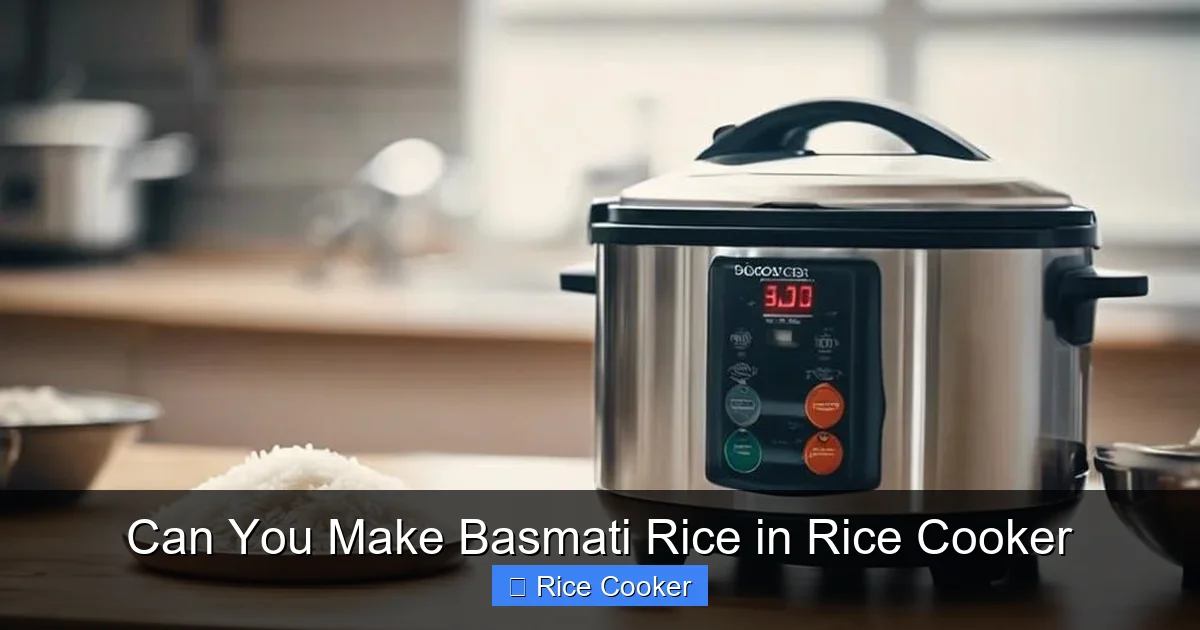
Making basmati rice in a rice cooker is not only possible—it’s incredibly easy and yields delicious results every time. With the right ratio of water to rice and a few simple tricks, your rice cooker becomes a powerful tool for creating light, aromatic, and fluffy grains. Whether you’re a beginner or a seasoned cook, this guide will help you master the art of perfect basmati rice without any guesswork.
Key Takeaways
- Yes, you can cook basmati rice in a rice cooker: Most modern rice cookers are designed to handle long-grain varieties like basmati, making the process simple and foolproof.
- Use the correct water-to-rice ratio: The ideal ratio is typically 1:1.5 (one cup of uncooked rice to 1.5 cups of water), but this can vary slightly depending on your cooker model.
- Rinse the rice before cooking: Rinsing removes excess starch and prevents clumping, ensuring each grain stays separate and fluffy.
- Let it rest after cooking: Allow the rice to sit for 5–10 minutes with the lid on to let steam distribute evenly and finish cooking gently.
- Fluff with a fork: Avoid using a spoon or spatula that presses down—use a gentle fluffing motion to maintain texture.
- Experiment with flavors: Add bay leaves, cardamom pods, or a splash of ghee for authentic Indian-style basmati rice.
- Clean your cooker properly: Always remove the inner pot and clean it after use to maintain performance and prevent residue buildup.
📑 Table of Contents
- Can You Make Basmati Rice in a Rice Cooker? Absolutely!
- Understanding Basmati Rice and Its Unique Qualities
- Choosing the Right Rice Cooker for Basmati Rice
- The Step-by-Step Guide to Cooking Perfect Basmati Rice
- Common Mistakes and How to Avoid Them
- Tips for Elevating Your Basmati Rice
- Troubleshooting: What If Your Rice Comes Out Wrong?
- Frequently Asked Questions About Making Basmati Rice in a Rice Cooker
Can You Make Basmati Rice in a Rice Cooker? Absolutely!
You’ve probably heard that certain types of rice—especially delicate or aromatic ones like basmati—require special care when cooking. Some people swear by stovetop methods or pressure cookers, while others claim their rice cooker just doesn’t deliver the same results. But here’s the truth: you absolutely can make perfect basmati rice in a rice cooker, and it might just become your new go-to method.
A good rice cooker is more than just a kitchen gadget—it’s a precision cooking device that uses temperature control and timing to do the work for you. When set up correctly, it can produce restaurant-quality basmati rice with minimal effort. Whether you’re preparing a simple weekday dinner or hosting an elegant meal, knowing how to use your rice cooker for basmati rice opens up a world of flavor and convenience.
In this complete guide, we’ll walk you through everything you need to know—from choosing the right cooker to mastering the perfect technique. We’ll also share pro tips, troubleshooting advice, and even some creative twists to elevate your basmati rice game. So grab your measuring cup, fire up that rice cooker, and let’s get cooking!
Understanding Basmati Rice and Its Unique Qualities
What Makes Basmati Rice Special?
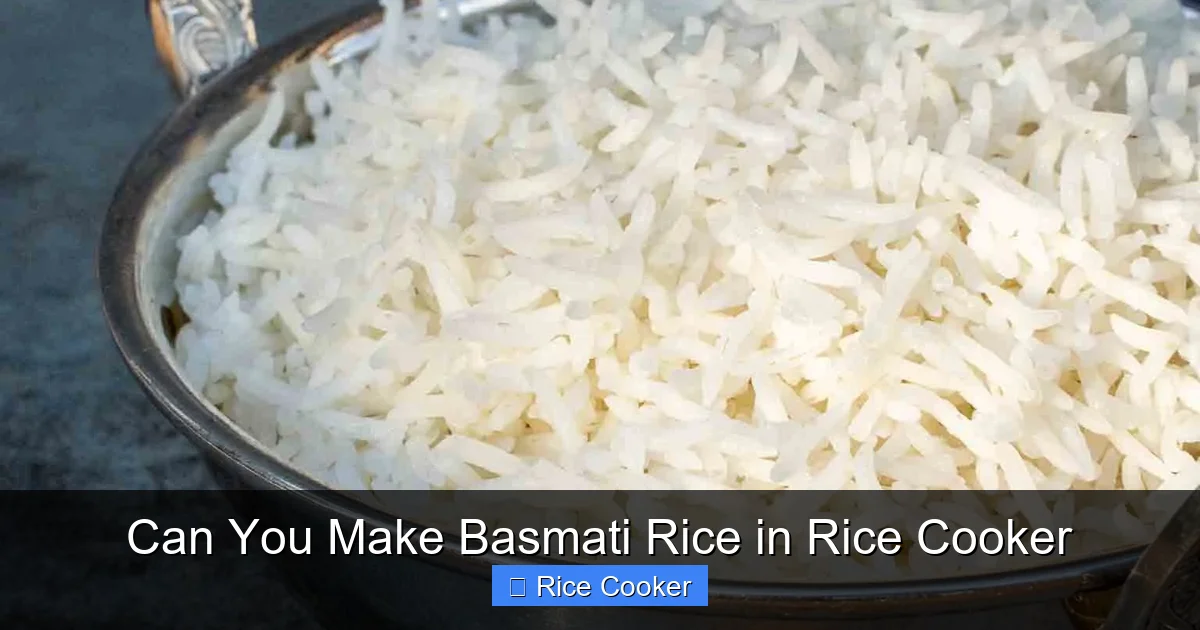
Basmati rice isn’t just another grain—it’s a long-grain variety native to the Indian subcontinent, prized for its slender shape, nutty aroma, and ability to remain fluffy and separate after cooking. What sets it apart from other types, like jasmine or regular white rice, is its distinct fragrance and elongation during the cooking process. When properly prepared, each grain expands up to two times its original size without breaking.
Visual guide about Can You Make Basmati Rice in Rice Cooker
Image source: teaforturmeric.com
This unique quality makes basmati ideal for dishes like biryanis, pilafs, and fragrant curries. However, because of its delicate structure and high starch content, it requires careful handling during preparation. Overcooking or using too much water can lead to mushy, sticky grains—something a rice cooker can help avoid if used correctly.
Why Choose a Rice Cooker for Basmati?
While traditional methods involve soaking the rice overnight and carefully monitoring heat on the stovetop, a rice cooker simplifies the entire process. Modern rice cookers come with multiple settings—including specific programs for brown rice, sushi rice, and even quick-cook modes—that can be adapted for basmati. Many models also feature fuzzy logic technology, which automatically adjusts heating cycles based on moisture levels, ensuring consistent results every time.
Plus, using a rice cooker frees up your stove, allows for multitasking, and reduces the risk of burning or undercooking. It’s especially helpful for beginners who may find stovetop cooking intimidating. With just a few steps, you can enjoy perfectly cooked basmati rice without constant attention.
Choosing the Right Rice Cooker for Basmati Rice
Features to Look For
Not all rice cookers are created equal, especially when it comes to handling delicate grains like basmati. Here are key features to consider:
Visual guide about Can You Make Basmati Rice in Rice Cooker
Image source: hungrylankan.com
- Fuzzy Logic Technology: This smart system monitors internal temperature and adjusts power accordingly, preventing overcooking and ensuring even absorption.
- Multiple Cooking Settings: Look for models with customizable timers, warm functions, and specialized modes (e.g., “quick cook” or “porridge”) that can be repurposed for basmati.
- Non-Stick Inner Pot: A smooth, easy-to-clean surface prevents rice from sticking and makes serving and cleaning a breeze.
- Capacity Size: Choose a size that matches your household needs—4–6 cups of uncooked rice is usually sufficient for families of four.
Top Rice Cooker Models for Basmati
Some brands stand out for their reliability and performance with long-grain rice. Consider models from Zojirushi, Cuckoo, Panasonic, or Instant Pot. These companies offer advanced sensors and durable construction that cater well to aromatic rice varieties. Reading customer reviews and checking for user feedback on basmati compatibility can also help you make an informed decision.
The Step-by-Step Guide to Cooking Perfect Basmati Rice
Ingredients and Tools You’ll Need
Cooking basmati rice in a rice cooker requires minimal ingredients and tools:
- 1 cup basmati rice (uncooked)
- 1.5 cups water (or broth for extra flavor)
- Pinch of salt (optional)
- Clean rice cooker with inner pot
- Fine-mesh strainer or colander
- Measuring cups and spoons
- Fork or rice paddle
Preparing the Rice
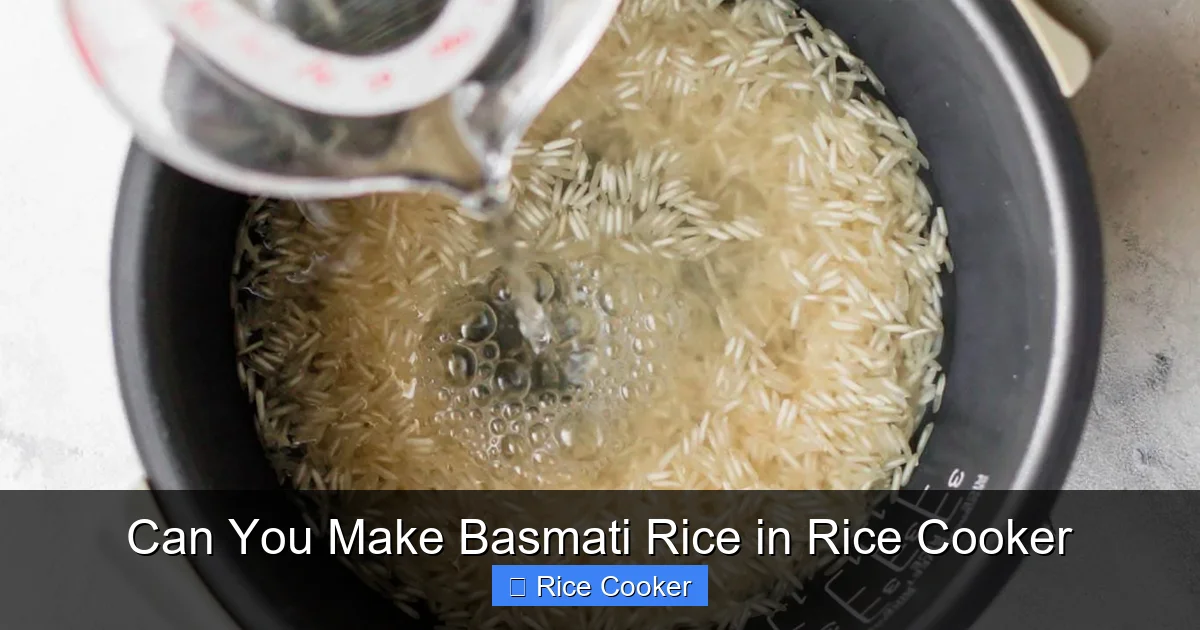
Before adding water, always rinse your basmati rice thoroughly. Place it in a fine-mesh strainer and run cool water over it until the water runs clear. This removes surface starch that can cause clumping. Gently swirl the rice with your fingers to avoid damaging the grains.
After rinsing, let the rice drain completely. Some recipes suggest soaking basmati for 20–30 minutes to improve texture, but this is optional—especially if you’re short on time. If you do soak it, simply drain again before proceeding.
Setting Up Your Rice Cooker
Place the rinsed (and drained) rice into the inner pot of your rice cooker. Add water according to the standard ratio: 1 cup rice to 1.5 cups water. If your cooker has a “white rice” setting, select it. Otherwise, choose the default or “normal” mode. Adding a pinch of salt enhances flavor slightly, though it’s not essential.
Close the lid securely and press the start button. Most rice cookers will take about 15–20 minutes to complete the cycle, depending on the model and amount of rice. You’ll hear a beep when done.
Finishing Touches
Once the cycle ends, do not open the lid immediately. Let the rice rest for 5–10 minutes with the lid closed. This allows residual steam to finish cooking the grains evenly and makes fluffing easier. After resting, lift the lid, then gently fluff the rice with a fork or rice paddle—never press down, as this compacts the grains.
Common Mistakes and How to Avoid Them
Mistake #1: Not Rinsing the Rice
Skipping the rinse step leads to gummy, sticky rice. Always rinse until the water clears to remove excess starch.
Mistake #2: Using Too Much Water
Too much water causes mushiness. Stick to the 1:1.5 ratio unless your cooker manual specifies otherwise.
Mistake #3: Opening the Lid During Cooking
Opening the lid releases steam, disrupting the cooking process. Wait until the cycle completes.
Mistake #4: Pressing Instead of Fluffing
Pushing down on the rice collapses the fluffy structure. Use a gentle lifting motion with a fork.
Mistake #5: Ignoring Manufacturer Instructions
Always check your rice cooker’s manual for recommended ratios and settings. Some models may require slight adjustments for basmati.
Tips for Elevating Your Basmati Rice
Add Flavor Infusions
For a richer taste, replace plain water with chicken or vegetable broth. You can also add aromatics like a whole bay leaf, a crushed cardamom pod, or a teaspoon of ghee (clarified butter) before cooking. These infusions subtly enhance the natural fragrance of basmati without overwhelming it.
Try Saffron or Turmeric for Color and Taste
Soak a few strands of saffron in warm milk for 10 minutes, then add the liquid to the water before cooking. Alternatively, a pinch of turmeric gives the rice a golden hue and earthy note—perfect for South Asian-inspired meals.
Make Fried Rice Efficiently
Once your basmati rice is cooked and cooled, you can easily turn it into fried rice. Heat oil in a pan, add vegetables and protein, then stir in the cooled rice and soy sauce. The fluffy texture holds up beautifully in stir-fries.
Store Leftovers Properly
Cool cooked rice quickly, cover it, and refrigerate within two hours. Reheat gently on the stove or in the microwave with a splash of water to restore moisture.
Troubleshooting: What If Your Rice Comes Out Wrong?
Problem: Rice Is Too Dry
If your rice is dry or chalky, you likely used too little water or the cooker didn’t retain enough steam. In future batches, increase the water slightly (try 1:1.6 ratio) and ensure the lid fits snugly.
Problem: Rice Is Mushy or Sticky
This usually means too much water or overcooking. Reduce water next time and avoid opening the lid during cooking. Also, make sure not to rinse too vigorously, which can damage the grain’s outer layer.
Problem: Rice Doesn’t Fluff
If the grains are stuck together, it could be due to insufficient rinsing or poor-quality rice. Try using a higher-grade basmati and double-check your rinse technique.
Problem: Cooker Smells After Cooking
Old residue in the inner pot can cause odors. Clean the pot thoroughly after each use with warm, soapy water and a soft brush. Avoid abrasive scrubbers that can damage the non-stick coating.
Frequently Asked Questions About Making Basmati Rice in a Rice Cooker
Can I use brown basmati rice in my rice cooker?
Yes, but brown basmati requires more water and longer cooking time—typically a 1:2 ratio and 40–50 minutes on the “brown rice” setting. Soak it beforehand for best results.
Do I need to soak basmati rice before cooking in a rice cooker?
Not necessarily. While soaking improves texture, many people skip it when using a rice cooker due to its precise timing and temperature control.
How do I prevent my basmati rice from becoming sticky?
Always rinse thoroughly, use the correct water ratio, and avoid pressing the rice after cooking. Letting it rest also helps separate the grains.
Can I cook basmati rice in a slow cooker instead?
It’s possible, but not recommended. Slow cookers lack the precise temperature control needed for long-grain rice, often resulting in uneven or mushy outcomes.
What’s the difference between basmati and jasmine rice?
Both are long-grain aromatic rices, but basmati has a drier, more subtle scent and works better in savory dishes, while jasmine is sweeter and ideal for Thai cuisine.
Can I make vegetarian biryani in a rice cooker?
Absolutely! Layer cooked basmati rice with marinated vegetables or paneer, spices, and herbs. Use the “keep warm” function afterward to blend flavors.
Frequently Asked Questions
Can I use brown basmati rice in my rice cooker?
Yes, but brown basmati requires more water and longer cooking time—typically a 1:2 ratio and 40–50 minutes on the “brown rice” setting. Soak it beforehand for best results.
Do I need to soak basmati rice before cooking in a rice cooker?
Not necessarily. While soaking improves texture, many people skip it when using a rice cooker due to its precise timing and temperature control.
How do I prevent my basmati rice from becoming sticky?
Always rinse thoroughly, use the correct water ratio, and avoid pressing the rice after cooking. Letting it rest also helps separate the grains.
Can I cook basmati rice in a slow cooker instead?
It’s possible, but not recommended. Slow cookers lack the precise temperature control needed for long-grain rice, often resulting in uneven or mushy outcomes.
What’s the difference between basmati and jasmine rice?
Both are long-grain aromatic rices, but basmati has a drier, more subtle scent and works better in savory dishes, while jasmine is sweeter and ideal for Thai cuisine.
Can I make vegetarian biryani in a rice cooker?
Absolutely! Layer cooked basmati rice with marinated vegetables or paneer, spices, and herbs. Use the “keep warm” function afterward to blend flavors.