
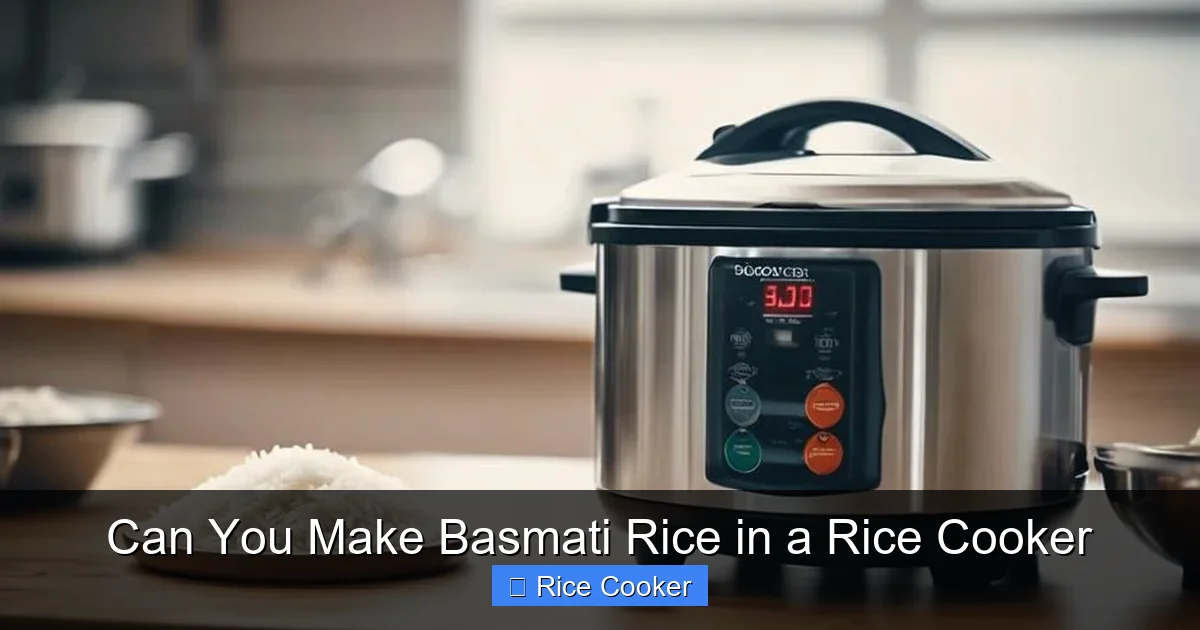
Can you make basmati rice in a rice cooker? Absolutely! With the right water-to-rice ratio and a few simple steps, your rice cooker can produce perfectly fluffy, aromatic basmati rice every time. Whether you’re a beginner or a seasoned cook, this easy method saves time and ensures consistent results—no stovetop monitoring required.
Key Takeaways
- Yes, it’s possible: A standard rice cooker works great for cooking basmati rice with minimal effort.
- Use the right ratio: The ideal water-to-rice ratio is 1:1.5 (one cup rice to one and a half cups water) for most rice cookers.
- Rinse before cooking: Rinsing removes excess starch and prevents clumping, giving you fluffier grains.
- Soak improves texture: Soaking basmati rice for 20–30 minutes before cooking enhances softness and reduces cooking time.
- Seasonings are optional: Add salt, butter, or ghee at the end for extra flavor without affecting the cooker’s function.
- Let it rest: After cooking, let the rice sit for 5–10 minutes to finish steaming and separate the grains.
Key Takeaways
- Understanding can you make basmati rice in a rice cooker: Provides essential knowledge
Quick Answers to Common Questions
Can you cook basmati rice in any rice cooker?
Yes, most standard rice cookers can handle basmati rice just fine. Just adjust the water ratio slightly if needed.
How much water do I use for basmati rice in a rice cooker?
Use 1.5 cups of water for every 1 cup of uncooked basmati rice for best results.
Do I need to soak basmati rice before cooking?
Soaking is optional but recommended—it improves texture and shortens cooking time.
Can I add flavorings like salt or butter directly in the rice cooker?
Absolutely. Add salt with the water, and melt butter separately before mixing it in.
How long does it take to cook basmati rice in a rice cooker?
About 15–20 minutes of active cooking time, plus 5–10 minutes of resting after the cycle ends.
📑 Table of Contents
- Can You Make Basmati Rice in a Rice Cooker? Yes—And It’s Easier Than You Think!
- The Science Behind Perfect Basmati Rice
- What You’ll Need to Cook Basmati Rice in a Rice Cooker
- Step-by-Step Guide: How to Cook Basmati Rice in a Rice Cooker
- Troubleshooting Common Issues
- Advanced Tips for Elevated Basmati
- Storing and Reheating Leftover Basmati
- Why Choose a Rice Cooker Over the Stovetop?
- Final Thoughts: Mastering Basmati in Minutes
Can You Make Basmati Rice in a Rice Cooker? Yes—And It’s Easier Than You Think!
If you love the fragrant, long-grain texture of basmati rice but dread the hassle of watching it on the stovetop, you’re not alone. Many home cooks assume that only certain types of rice—like jasmine or sushi rice—are suitable for rice cookers. But here’s the good news: basmati rice works beautifully in a rice cooker, delivering restaurant-quality results with zero babysitting. In fact, using a rice cooker might even give you more consistent results than traditional methods, thanks to its precise temperature control and automatic shut-off feature.
Whether you’re preparing a weeknight dinner, hosting guests, or just craving a warm bowl of saffron-infused goodness, mastering basmati rice in a rice cooker is a game-changer. This guide will walk you through everything you need to know—from prep to plating—so you can enjoy perfectly cooked, fluffy basmati every single time. No guesswork, no burnt bottoms, just golden, aromatic perfection.
The Science Behind Perfect Basmati Rice
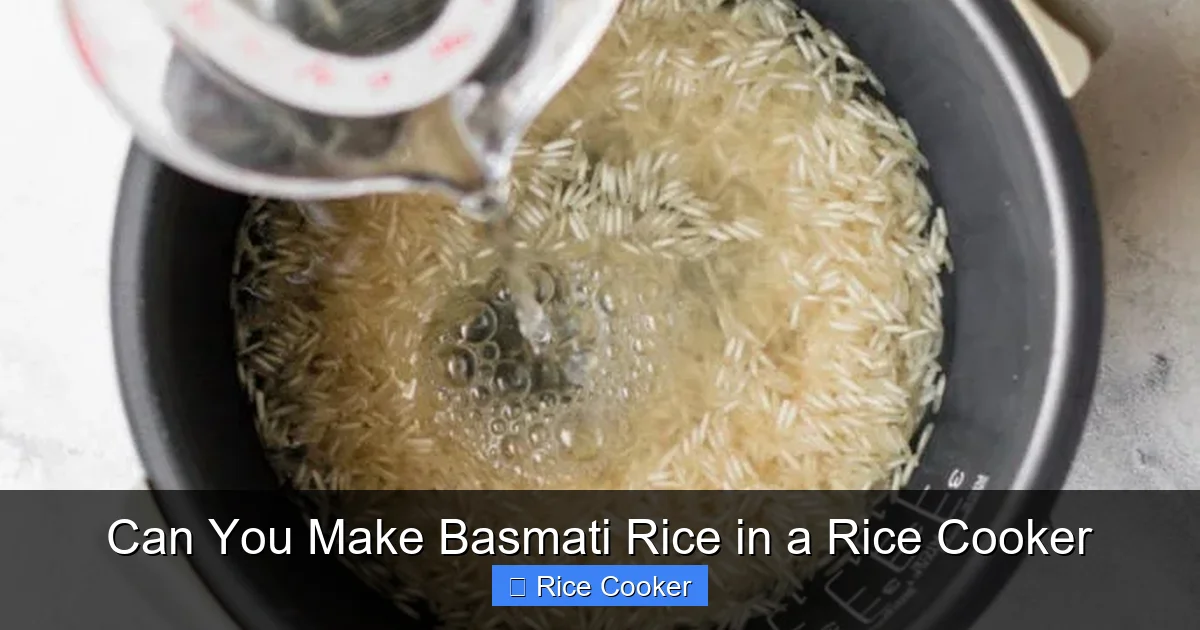
Visual guide about Can You Make Basmati Rice in a Rice Cooker
Image source: teaforturmeric.com
Before we dive into the how-to, let’s talk about why basmati rice behaves the way it does—and how a rice cooker helps (or sometimes hurts) the process.
Basmati rice is prized for its distinct aroma, delicate texture, and ability to stay separate after cooking. Unlike short-grain rice, which becomes sticky due to high amylopectin content, basmati contains more amylose, which gives it that signature light and airy feel. However, this same property means it can dry out quickly if overcooked or under-rinsed.
A rice cooker simplifies the cooking process by maintaining a steady simmer once boiling begins. Most modern models use fuzzy logic or AI technology to detect when the water has been absorbed and automatically switch to “warm” mode. This prevents overcooking—something that’s hard to achieve on the stove unless you’re actively watching.
But here’s the catch: not all rice cookers are created equal. Some are better suited for specific rice varieties. For example, Japanese-style rice cookers (like those from Zojirushi or Panasonic) often have dedicated settings for brown rice or sushi-grade varieties, but they also work wonderfully with basmati. Meanwhile, basic white rice settings on Western brands (such as Instant Pot or Aroma) can still yield excellent results when adjusted properly.
What You’ll Need to Cook Basmati Rice in a Rice Cooker
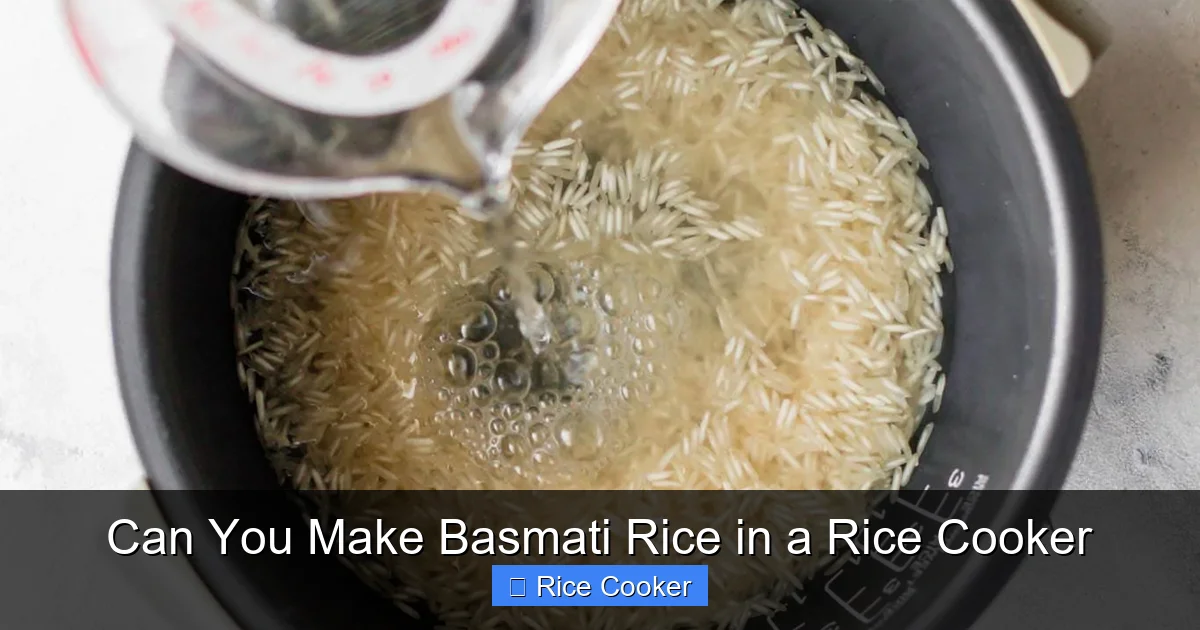
Visual guide about Can You Make Basmati Rice in a Rice Cooker
Image source: teaforturmeric.com
Getting started is simple. Here’s what you should gather:
– **High-quality basmati rice**: Look for aged basmati (not parboiled), which offers the best flavor and texture.
– **Clean rice cooker**: Ensure your appliance is clean and functional.
– **Measuring cups**: Use standard US measuring cups; volume matters more than weight.
– **Fine-mesh strainer**: Essential for rinsing.
– **Optional add-ins**: Salt, butter, ghee, cardamom pods, or saffron for enhanced flavor.
Choosing the Right Basmati Rice
Not all basmati is created equal. Long-term aging improves aroma and reduces stickiness. Indian and Pakistani markets often carry premium aged basmati, but you can find great options at well-stocked grocery stores or online retailers like Amazon. Brands such as Royal, Daawat, and Tilda are reliable choices.
Avoid pre-cooked or instant basmati unless you’re in a pinch—they won’t respond well to standard cooking cycles.
Understanding Your Rice Cooker Model
Different models may require slight adjustments:
– **Basic rice cookers**: Use manual settings only; monitor closely during first few attempts.
– **Fuzzy logic models**: Often auto-adjust timing based on detected moisture levels—great for beginners.
– **Multi-function pressure cookers (e.g., Instant Pot)**: Can mimic rice cooker functions but may need higher heat and shorter times.
Check your user manual for guidance, especially if your machine has multiple settings (brown rice, quick cook, etc.).
Step-by-Step Guide: How to Cook Basmati Rice in a Rice Cooker
Follow these steps for foolproof results every time.
Step 1: Measure and Rinse the Rice
Start by measuring your desired amount of basmati rice. A general rule is 1 cup uncooked rice feeds about 3 people. Place the rice in a fine-mesh strainer and rinse under cold running water for 1–2 minutes until the water runs clear. This removes surface starch that causes clumping.
Pro tip: Don’t skip rinsing! Even experienced chefs swear by it for achieving separation.
Step 2: Soak (Optional but Recommended)
Soaking softens the grain and shortens cooking time while preventing mushiness. Place rinsed rice in a bowl, cover with room-temperature water, and let it soak for 20–30 minutes. Drain thoroughly before adding to the cooker.
Note: If you’re short on time, you can skip soaking—just increase cooking time slightly.
Step 3: Add Water and Seasonings
For most rice cookers, use a 1:1.5 ratio of rice to water. That means:
– 1 cup rice → 1.5 cups water
– 2 cups rice → 3 cups water
If using salt, add ½ teaspoon per cup of rice. Butter or ghee (¼ cup per 2 cups rice) adds richness and helps prevent drying.
Pour everything into the inner pot of your rice cooker. Stir gently once to distribute seasonings.
Step 4: Start Cooking
Close the lid and select the “White Rice” or “Regular” setting. Press start. The cooker will bring the water to a boil, then reduce heat and maintain a simmer.
Total active time is usually 15–20 minutes, but total cycle (including warming phase) can be up to 45 minutes.
Step 5: Let It Rest
Once the cycle ends, do not open the lid immediately. Allow the rice to sit, covered, for 5–10 minutes. This lets residual steam finish cooking the center and separates the grains naturally.
Step 6: Fluff and Serve
After resting, gently fluff the rice with a fork. Avoid stirring too vigorously—this breaks the grains and leads to a gummy texture.
Serve immediately for best results.
Troubleshooting Common Issues
Even with perfect technique, mistakes happen. Here’s how to fix them.
Problem: Rice Is Too Dry or Crunchy
This usually means insufficient water or interrupted cooking. Next time, add an extra ¼ cup water and ensure your rice cooker reaches full capacity before starting. Also, verify that the heating element isn’t damaged.
Problem: Rice Sticks Together
Over-rinsing or lack of rinsing can cause this. Always rinse until water runs clear. Also, avoid opening the lid during cooking—it releases steam and disrupts temperature stability.
Problem: Rice Is Mushy or Sticky
Too much water or over-soaking leads to mushiness. Stick to the 1:1.5 ratio and limit soaking to 30 minutes max. If using a multi-functional device like an Instant Pot, reduce water by 1–2 tablespoons.
Problem: Lack of Aroma
Old or low-quality rice loses fragrance easily. Store basmati in an airtight container away from light and heat. Consider adding a pinch of saffron or a few cardamom pods to the water for extra scent.
Advanced Tips for Elevated Basmati
Want to take your basmati from everyday side dish to gourmet main event? Try these techniques.
Infuse with Spices Before Cooking
Instead of just adding salt, simmer 2–3 whole black peppercorns, 2 cardamom pods, and a cinnamon stick in the water for 5 minutes before adding rice. Strain before proceeding.
Toast the Rice First
In some recipes (especially Persian or Middle Eastern dishes), lightly toasting basmati in ghee before adding water deepens flavor. Do this in a skillet over medium heat for 2–3 minutes, then transfer to the rice cooker.
Use Broth Instead of Water
Replace half the water with vegetable, chicken, or beef broth for richer flavor. Add a bay leaf or two cloves for depth.
Add Saffron Infusion
Crush a pinch of saffron threads in warm milk or water, let steep 10 minutes, then stir into the cooking liquid. The result? A luxurious golden hue and floral notes.
Storing and Reheating Leftover Basmati
Leftovers are easy—if handled correctly.
Cool Completely Before Storing
Spread cooked rice on a baking sheet to cool rapidly. Never leave it sitting at room temperature for more than 2 hours to avoid bacterial growth.
Store in Airtight Containers
Keep in the refrigerator for up to 5 days or freeze for up to 3 months. Label containers with dates.
Reheat Properly
Steam reheating preserves texture. Place rice in a microwave-safe bowl, cover with damp paper towel, and heat in 30-second intervals. Alternatively, toss frozen portions into a saucepan with a splash of water over low heat, stirring occasionally.
Avoid microwaving without covering—it dries out the rice.
Why Choose a Rice Cooker Over the Stovetop?
While traditional methods have their charm, rice cookers offer unmatched convenience and consistency.
– **No constant attention needed**—set it and forget it.
– **Consistent results**—same outcome every time.
– **Energy efficient**—uses less power than keeping a pot on the stove.
– **Easy cleanup**—non-stick inner pots are dishwasher safe.
Of course, purists argue that stovetop basmati develops superior texture due to direct flame control. But for busy households, meal prep, or anyone who values simplicity, a rice cooker wins hands down.
Final Thoughts: Mastering Basmati in Minutes
Cooking basmati rice in a rice cooker isn’t just possible—it’s revolutionary. With the right technique, even novice cooks can achieve fluffy, fragrant results that rival professional kitchens. Remember: rinse well, measure accurately, and don’t rush the resting phase. And if you want to elevate your dish further, experiment with spices, broths, or toasted grains.
The next time you’re planning a curry night, biryani feast, or simply want a comforting side, reach for your rice cooker instead of the stove. You’ll thank yourself later—and so will everyone at the table.
Frequently Asked Questions
Is basmati rice better cooked in a rice cooker or on the stove?
Both methods work well, but a rice cooker provides more consistent results with less effort. Stovetop allows finer control for advanced users.
Can I cook brown basmati rice in a rice cooker?
Yes, though it takes longer (around 45–50 minutes). Use 1:2 water ratio and select the brown rice setting if available.
Why is my basmati rice sticky even after rinsing?
It could be due to old rice, incorrect water ratio, or overcooking. Try reducing water slightly and ensure thorough rinsing.
Can I use a pressure cooker instead of a rice cooker?
Yes, especially models like the Instant Pot. Follow manufacturer guidelines and reduce water by 1–2 tablespoons.
How do I prevent basmati rice from drying out in the rice cooker?
Avoid opening the lid during cooking and always let it rest covered for 5–10 minutes after the cycle ends.
Can I cook basmati rice with added vegetables or meat?
Not recommended in a standard rice cooker. For pilafs or biryanis, use a stovetop method or check if your model supports multi-cook functions.