
You absolutely can make beans in a rice cooker—no soaking required for most varieties, and the process is faster than traditional boiling. Whether you’re preparing black beans for tacos or lentils for soups, your rice cooker can handle it with minimal effort. This method saves time, energy, and delivers consistently tender results.
Key Takeaways
- Yes, you can cook beans in a rice cooker – it’s a convenient and hands-off way to prepare dried legumes without constant monitoring.
- No soaking is needed for most beans when using the high-pressure or extended cooking setting on modern rice cookers.
- Different bean types require different settings – black beans, kidney beans, lentils, and chickpeas each have optimal cooking times and water ratios.
- Using a pressure cooker function significantly reduces cooking time compared to stovetop methods.
- Always rinse and sort beans before cooking to remove debris and damaged beans that may not cook evenly.
- Cooking beans in a rice cooker helps retain nutrients better than boiling due to shorter cooking times and minimal water exposure.
- Storing leftover cooked beans is easy – they keep in the fridge for up to a week or freeze for months.
📑 Table of Contents
- Can You Make Beans in a Rice Cooker? Absolutely — And It’s a Game-Changer!
- The Basics: How Beans Work in a Rice Cooker
- Step-by-Step Guide: Making Beans in Your Rice Cooker
- Best Beans to Cook in a Rice Cooker
- Troubleshooting Common Issues
- Tips for Perfect Bean Results Every Time
- Nutritional Benefits of Cooking Beans This Way
- Creative Ways to Use Your Cooked Beans
- Environmental and Cost Benefits
- Final Thoughts: Why This Method Will Change Your Life
Can You Make Beans in a Rice Cooker? Absolutely — And It’s a Game-Changer!
If you’ve ever stared at a pot of boiling beans, wondering why they’re taking so long or if you forgot to soak them, you’re not alone. Cooking beans the old-fashioned way—on the stove—can be time-consuming, especially when you’re short on prep time. But what if I told you that your trusty rice cooker might just be the secret weapon you’ve been missing? Yes, you read that right: you can make beans in a rice cooker, and it’s easier, more consistent, and requires almost zero supervision.
Modern rice cookers aren’t just for white or brown rice anymore. Many come with specialized modes like “slow cook,” “pressure cook,” or even “bean” settings. These features are designed to handle tough, dry legumes with precision. In this complete guide, we’ll walk you through everything you need to know about cooking beans in your rice cooker—from choosing the right type of beans to mastering the perfect texture. Whether you’re a busy parent, a meal-prep enthusiast, or someone who just loves beans but hates the hassle, this method will revolutionize your kitchen routine.
The Basics: How Beans Work in a Rice Cooker
Before diving into recipes, let’s talk about why this method works so well. Beans are essentially seeds, and like many seeds, they contain complex carbohydrates and proteins that need heat and moisture to break down. When cooked properly, these compounds soften and become digestible. Traditionally, people soak beans overnight (or use a quick-soak method) to reduce cooking time and improve texture. But here’s the good news: most rice cookers can cook beans from dry without soaking.

Visual guide about Can You Make Beans in Rice Cooker
Image source: i.pinimg.com
Why No Soaking Is Possible
Many modern rice cookers, especially those with pressure-cooking functions, reach temperatures above 212°F (100°C), which helps soften the bean skins quickly. The sealed environment also traps steam, allowing the beans to absorb moisture efficiently. This means even if you skip soaking, your beans will still turn out tender—just maybe a little longer than soaked ones.
Types of Rice Cookers That Work Best
Not all rice cookers are created equal. For best results, look for models with:
- Pressure cooking capability – ideal for speeding up the process
- Multiple preset programs – like “beans,” “porridge,” or “slow cook”
- Keep-warm function – perfect for holding beans until serving
If your rice cooker doesn’t have a dedicated bean setting, don’t worry. Most standard rice cookers can still handle beans—you’ll just need to adjust the water ratio and cooking time slightly.
Step-by-Step Guide: Making Beans in Your Rice Cooker
Ready to try it yourself? Follow this simple process for foolproof results every time.
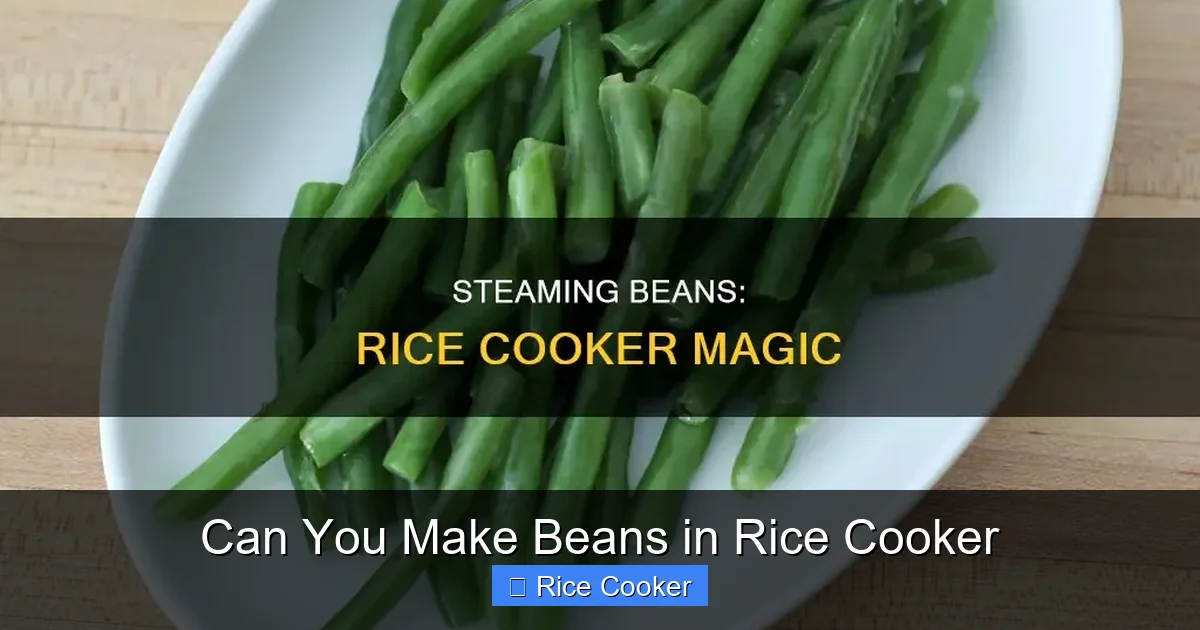
Visual guide about Can You Make Beans in Rice Cooker
Image source: cycookery.com
Gather Your Ingredients
Start with dried beans. Popular choices include black beans, pinto beans, kidney beans, chickpeas (garbanzo beans), and lentils. Make sure they’re clean and free of stones or debris.
Prep the Beans
- Rinse thoroughly under cold water in a colander.
- Sort through them – discard any shriveled, discolored, or foreign objects.
- Optional but recommended: Soak for 4–8 hours if you want faster cooking or softer texture. If skipping soaking, add extra water.
Measure Water and Add Beans
The key to success is the water-to-bean ratio. A general rule is:
- 1 cup dried beans = 2–3 cups water
- For pressure cookers: Use 1.5 cups water per cup of beans
- For regular rice cookers: Use 2.5–3 cups water per cup of beans
Too little water risks burning; too much makes bland beans. Start with the lower end and adjust next time based on results.
Choose the Right Setting
- Pressure cook mode: 20–30 minutes for most beans
- Slow cook or porridge setting: 60–90 minutes
- Manual/regular rice cooker: 45–75 minutes, depending on bean type
Cook and Test
Once the cycle ends, let the pressure release naturally for 10–15 minutes before opening. Open the lid carefully—steam will escape. Test a bean: it should be tender but not mushy. If still firm, close the lid and cook for another 5–10 minutes.
Best Beans to Cook in a Rice Cooker
Some beans work better than others in this setup. Here’s a breakdown by type:
Black Beans
These are crowd favorites for tacos, burritos, and soups. They hold their shape well during cooking. Use 2.5 cups water per cup of beans. Cook for 25–30 minutes in pressure mode or 60 minutes in slow cook.
Pinto Beans
Common in Mexican cuisine, pinto beans can get a bit creamy. To avoid mushiness, don’t overcook. Try 2 cups water per cup of beans and check after 20 minutes.
Kidney Beans
Great for chili and salads. Red kidney beans require longer cooking (30+ minutes) because of their dense structure. Always ensure they’re fully cooked—especially important since raw kidney beans are toxic.
Chickpeas (Garbanzo Beans)
Perfect for hummus or curries. They take longer than other beans—up to 45 minutes in pressure mode. Soak first if possible for creamier results.
Lentils
These cook fastest—only 15–20 minutes in pressure mode. Note: Split or French green lentils hold their shape; red/puy lentils break down easily.
White Beans (Cannellini or Navy)
Excellent in pasta dishes or dips. They’re delicate, so monitor closely. Use 2 cups water per cup of beans and stop cooking as soon as they’re tender.
Troubleshooting Common Issues
Even with the best technique, things can go wrong. Here’s how to fix common problems:
Beans Are Too Hard
This usually means insufficient cooking time or too little water. Next time, increase water by half a cup and extend cooking by 10 minutes. Also, avoid opening the lid frequently during cooking—it releases heat and slows the process.
Beans Are Mushy
Overcooked! Mushy beans happen when the cooker runs too long or the heat is too high. For future batches, reduce cooking time by 5–10 minutes and test earlier. Also, draining excess liquid after cooking helps firm them up.
Water Evaporates Completely
Check your water level again. Some rice cookers have a minimum fill line—don’t ignore it. If beans stick to the bottom, add a splash of water and continue cooking gently.
Beans Don’t Hold Shape
Thin-skinned beans like lentils or split peas break apart easily. Use whole beans instead, or cook at lower heat for longer. Also, avoid stirring during cooking—gentle heat preserves integrity.
Tips for Perfect Bean Results Every Time
Want to take your bean game to the next level? Try these pro tips:
- Add salt at the end – adding salt early can toughen bean skins. Wait until the final 5 minutes.
- Use filtered water – tap water can affect flavor and texture.
- Season while cooking – toss in garlic cloves, onion halves, or bay leaves for extra flavor without needing to simmer separately.
- Drain and rinse after cooking – removes excess starch and prevents sticking.
- Store properly – cooled beans last 4–5 days in the fridge or 3–6 months in the freezer.
Nutritional Benefits of Cooking Beans This Way
Cooking beans in a rice cooker isn’t just convenient—it’s also healthier. Because the process uses less water and shorter cooking times (especially with pressure), more nutrients are preserved. Studies show that pressure cooking retains higher levels of antioxidants and B vitamins compared to boiling. Plus, no added fats mean your beans stay low-calorie and heart-healthy.
Beans are packed with protein, fiber, iron, folate, and potassium. One cup of cooked black beans provides about 15 grams of protein and 15 grams of fiber—more than half your daily needs in one serving! Using a rice cooker makes it easy to include them in balanced meals without extra effort.
Creative Ways to Use Your Cooked Beans
Once you’ve mastered the basics, the possibilities are endless:
- Black Bean Tacos – warm tortillas with sautéed onions, cilantro, lime, and mashed black beans.
- Chickpea Curry – simmer garbanzos with coconut milk, tomatoes, and spices.
- Lentil Soup – blend cooked lentils with carrots, celery, and broth for a creamy base.
- Hummus – puree chickpeas with tahini, lemon, and garlic for homemade dip.
- Bean Salad – mix kidney beans, corn, bell peppers, and vinaigrette for a summer side dish.
Having pre-cooked beans on hand means instant meals—no last-minute panic when dinner guests arrive!
Environmental and Cost Benefits
Making beans at home in your rice cooker isn’t just practical—it’s eco-friendly. Buying dried beans is cheaper than canned versions (even with BPA-free cans). Plus, you reduce plastic waste. One pound of dried beans equals about four cans, saving money and packaging.
Energy-wise, rice cookers are efficient. Most use less power than ovens or stovetops, and since they’re programmable, you can set them and forget them—ideal for overnight cooking with minimal electricity use.
Final Thoughts: Why This Method Will Change Your Life
Cooking beans in a rice cooker is more than a kitchen hack—it’s a lifestyle upgrade. It frees up your time, reduces stress, and guarantees delicious, nutritious meals every single time. No more babysitting pots, no more waiting for soaking, no more burnt beans on the stove.
Whether you’re feeding a family, meal-prepping for the week, or simply craving a hearty bowl of black bean stew, this method puts powerful tools at your fingertips. And the best part? Once you master it, you’ll wonder how you ever lived without it.
So go ahead—grab those dried beans, fire up your rice cooker, and discover the joy of effortless cooking. Your future self (and taste buds) will thank you.
Frequently Asked Questions
Do I need to soak beans before cooking them in a rice cooker?
Not necessarily. Many modern rice cookers, especially those with pressure cooking, can cook beans from dry without soaking. However, soaking reduces cooking time and improves tenderness slightly. If you’re short on time, skip soaking—just add extra water and cook longer.
What’s the best rice cooker setting for cooking beans?
The ideal setting depends on your model. Look for “pressure cook,” “bean,” or “slow cook” modes. Pressure cookers reduce cooking time to 20–30 minutes, while slow cookers take 60–90 minutes. If you only have a basic rice cooker, use the manual setting with extra water and check periodically.
How do I prevent my beans from getting mushy in the rice cooker?
Overcooking is the main cause of mushy beans. Avoid opening the lid during cooking, use the correct water ratio (about 2.5–3 cups per cup of beans), and test for doneness before the timer goes off. Drain excess liquid afterward to firm up the texture.
Can I cook different types of beans together in the same batch?
It’s not recommended. Different beans cook at different speeds—lentils are fast, while chickpeas are slow. Cooking them together risks some being underdone or overcooked. Prepare them separately for best results.
How long do cooked beans last in the refrigerator or freezer?
Cooked beans stay fresh in the fridge for 4–5 days. For longer storage, freeze them in portion-sized containers or freezer bags for up to 6 months. Thaw overnight in the fridge before using.
Are there any safety concerns when cooking beans in a rice cooker?
Raw kidney beans contain toxins called lectins, which can cause food poisoning if not cooked thoroughly. Always ensure beans reach full boil and cook for at least 30 minutes. Other beans are safe as long as they’re fully cooked—check for firmness before eating.