

Making bulgur in a rice cooker is not only possible but also incredibly convenient. With the right water-to-grain ratio and a few simple steps, you can enjoy fluffy, tender bulgur without the need for constant stirring or watching on the stove. This method simplifies meal prep and works great for busy weeknights or batch cooking.
Key Takeaways
- Bulgur can be cooked in a rice cooker: Yes, it’s absolutely possible with the right technique and timing.
- Use the correct water-to-bulgur ratio: Generally, 2:1 (water to bulgur) works well for most rice cookers.
- Rinse bulgur before cooking: Rinsing removes excess starch and prevents gumming in the pot.
- Cooking time varies by size: Fine bulgur cooks faster than medium or coarse—adjust accordingly.
- Let it rest after cooking: A 5–10 minute rest allows steam to distribute evenly for fluffier results.
- Versatile uses post-cooking: Use as a base for salads, pilafs, stuffing, or side dishes.
- Clean-up is easy: Most rice cookers have non-stick inner pots that make cleaning a breeze.
📑 Table of Contents
- Can You Make Bulgur in a Rice Cooker?
- The Basics of Cooking Bulgur
- Step-by-Step Guide: How to Make Bulgur in a Rice Cooker
- Tips for Perfect Bulgur Every Time
- Troubleshooting Common Issues
- Cooking Bulgur in Different Rice Cooker Models
- Cooking Times by Bulgur Type
- Creative Ways to Use Cooked Bulgur
- Health Benefits of Bulgur
- Final Thoughts: Why You Should Try This Method
Can You Make Bulgur in a Rice Cooker?
If you’re someone who loves the texture and nutrition of bulgur—whether you’re making tabbouleh, kibbeh, or a hearty side dish—you might be wondering if there’s an easier way to cook it. Enter the humble rice cooker. That trusty kitchen appliance you probably already use for oats, quinoa, or white rice? It turns out it can do so much more. In fact, cooking bulgur in a rice cooker is not only possible but also one of the simplest, most hands-off methods available.
Bulgur is a whole grain made from parboiled wheat, which means it’s pre-cooked and dried before being ground into various sizes—fine, medium, or coarse. Because it’s partially cooked already, bulgur requires less time in water compared to other grains like barley or brown rice. And since rice cookers are designed to automate the cooking process with consistent heat and moisture, they’re a natural fit for this versatile ingredient.
In this article, we’ll walk you through everything you need to know about making perfect bulgur in your rice cooker—from choosing the right type of bulgur to troubleshooting common issues and creative ways to serve your results. Whether you’re a beginner or a seasoned home cook, you’ll find practical tips and clear instructions to elevate your bulgur game.
The Basics of Cooking Bulgur
What Is Bulgur?
Bulgur is essentially cracked wheat that has been steamed and dried. The process makes it quick-cooking while retaining its nutritional value—it’s high in fiber, protein, and essential minerals like iron and magnesium. Unlike refined grains, bulgur keeps its bran and germ intact, meaning it offers more nutrients and a satisfying chewiness when cooked properly.

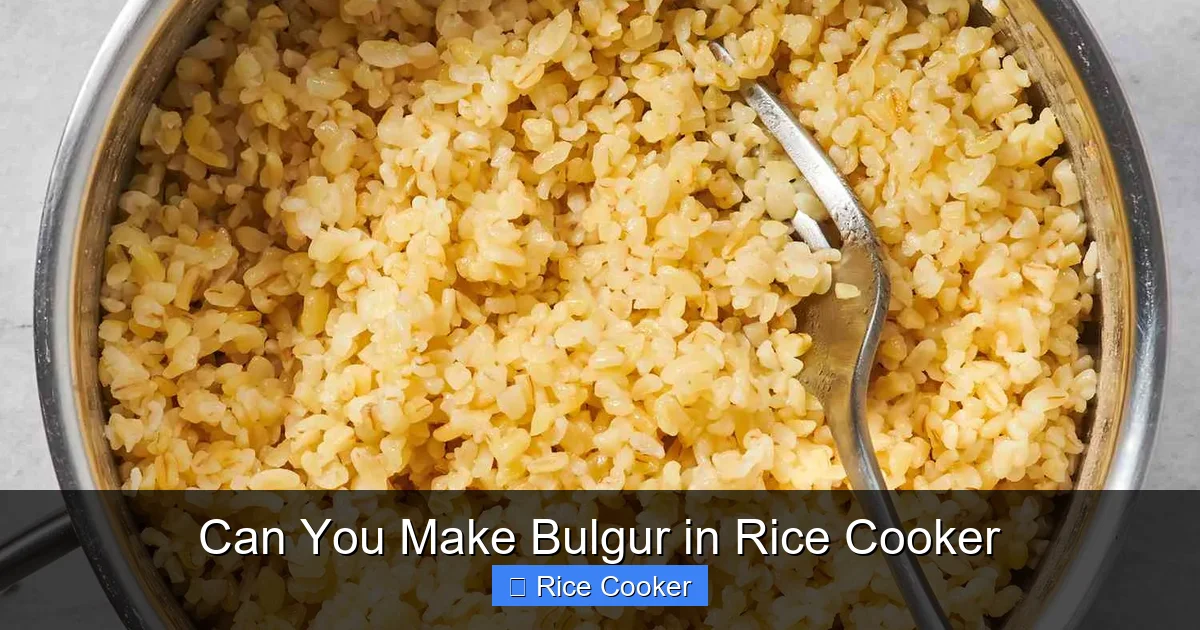
Visual guide about Can You Make Bulgur in Rice Cooker
Image source: foodhero.org
There are three main grades of bulgur based on particle size:
- Fine bulgur: Smallest pieces, cooks fastest, ideal for tabbouleh.
- Medium bulgur: Balanced texture, good for pilafs and stuffing.
- Coarse bulgur:
Each grade will affect both cooking time and final texture, so choose based on your recipe needs.
Why Use a Rice Cooker?
Rice cookers offer several advantages when cooking bulgur:
- No constant monitoring: Once you add water and press start, you don’t have to stir or watch.
- Consistent results: Automated temperature control ensures even cooking.
- Easy clean-up: Non-stick inner pots mean minimal scrubbing.
- Batch-friendly: Perfect for meal prep or large gatherings.
Plus, many modern rice cookers come with settings like “brown rice” or “quick cook,” which can be useful depending on your bulgur type.
Step-by-Step Guide: How to Make Bulgur in a Rice Cooker
Gather Your Ingredients and Tools
Before you begin, make sure you have:
Visual guide about Can You Make Bulgur in Rice Cooker
Image source: eatingwell.com
- 1 cup bulgur (medium recommended for beginners)
- 2 cups water (or broth for added flavor)
- A fine-mesh strainer
- Your rice cooker with measuring cup included
- A fork or spoon for fluffing
Optional additions include a pinch of salt, olive oil, or herbs for extra flavor.
Prep the Bulgur
Start by rinsing the bulgur under cold running water using a strainer. This step is crucial because it removes excess starch that can cause the grains to clump together during cooking. Rinsed bulgur also tends to fluff up better and taste less pasty.
Dry the rinsed bulgur thoroughly—this helps prevent soggy results later on.
Add to the Rice Cooker
Place the measured bulgur into the inner pot of your rice cooker. Then add the water (and any optional seasonings). Give it a gentle stir to ensure even distribution.
Close the lid and select the appropriate setting. If your rice cooker has a “white rice” or “regular” setting, that’s usually best. Avoid “quick cook” unless you’re using fine bulgur—it may overcook coarser varieties.
Cook and Rest
Press start and let the machine do its magic. Total cooking time typically ranges from 12 to 18 minutes, depending on the bulgur size and your specific model.
Once the cycle ends, let the bulgur sit, covered, for 5–10 minutes. This resting period allows residual steam to finish cooking the grains evenly and makes them easier to fluff.
Fluff and Serve
Carefully open the lid and use a fork to gently separate any clumps. Fluffing releases trapped steam and gives the bulgur its light, airy texture. Taste and adjust seasoning if needed—bulgur absorbs flavors beautifully once cooked.
Tips for Perfect Bulgur Every Time
Master the Water Ratio
The golden rule for bulgur is a 2:1 water-to-grain ratio. One cup of bulgur + two cups of liquid = fluffy, tender results. However, if you prefer softer or creamier bulgur, you can increase the water slightly (up to 2.5 cups per 1 cup bulgur), though this may require adjusting cooking time.
Using broth instead of plain water enhances flavor, especially in savory dishes like Middle Eastern-style pilafs or grain bowls.
Don’t Skip the Rinse
Even though bulgur is pre-cooked, skipping the rinse leads to gummy, sticky results. Think of it like cooking pasta—rinsing stops the cooking process and prevents sticking. Same principle applies here.
Adjust for Texture Preferences
If you like your bulgur firmer, use less water. For a porridge-like consistency, go heavier on the liquid. Experiment to find what suits your palate.
Season While Cooking
Add a teaspoon of olive oil or a dash of cumin, garlic powder, or lemon zest to the water before cooking. These infuse subtle flavors deep into the grain without needing extra prep work later.
Store Leftovers Properly
Cooked bulgur lasts up to 5 days in the refrigerator when stored in an airtight container. Reheat gently in the microwave with a splash of water to revive moisture. Or toss it into soups, stews, or salads straight from the fridge.
Troubleshooting Common Issues
Too Dry or Undercooked?
If your bulgur comes out hard or chalky, it likely didn’t get enough water or wasn’t given enough time. Try increasing the water ratio next time and extend resting time. Also, check that your rice cooker maintains heat throughout the cycle—older models may cool down too quickly.
Grains Stuck Together?
This usually happens when bulgur isn’t rinsed or when too much water evaporates. Always rinse thoroughly, and avoid opening the lid during cooking. If clumps form after fluffing, try breaking them apart with a fork while still warm.
Water Absorbed Too Fast?
In humid climates or with certain rice cooker designs, evaporation can be faster. Cover the pot loosely with a towel or parchment paper if the lid isn’t sealed tightly. Alternatively, reduce water slightly and monitor closely toward the end of cooking.
Burnt or Overcooked Bulgur?
This rarely happens with bulgur since it cooks quickly, but if your rice cooker runs hot or has a faulty heating element, it could scorch the bottom. Stir occasionally during the last few minutes of cooking to prevent sticking, or transfer to a baking sheet to finish drying if needed.
Cooking Bulgur in Different Rice Cooker Models
Basic Rice Cookers
Most standard rice cookers work just fine with bulgur. Just follow the 2:1 ratio and let the appliance handle the rest. No special settings required!
Multi-Cooker/Programmable Models
If your rice cooker has multiple functions (like slow cook, steam, or sauté), you can use the “brown rice” or “quick cook” mode for finer bulgur. Just keep an eye on it the first time to avoid overcooking.
Induction Heating Systems
These advanced models maintain precise temperatures, which can help achieve uniform results. They’re especially helpful for larger batches or delicate textures.
Non-Stick vs. Stainless Steel Pots
Non-stick surfaces make cleanup easier and reduce the chance of burnt residue. Stainless steel pans distribute heat more evenly but may require occasional stirring to prevent sticking.
Cooking Times by Bulgur Type
Here’s a quick reference guide for cooking times in a rice cooker:
| Bulgur Type | Water Ratio | Estimated Cook Time |
|---|---|---|
| Fine | 2:1 | 12–14 minutes |
| Medium | 2:1 | 15–17 minutes |
| Coarse | 2.5:1 | 18–20 minutes |
Remember, always consult your rice cooker manual for exact timings, as models vary.
Creative Ways to Use Cooked Bulgur
Tabbouleh Salad
Combine cooled bulgur with chopped parsley, tomatoes, cucumber, mint, lemon juice, and olive oil. A classic Mediterranean staple!
Vegetable Pilaf
Sauté onions and bell peppers in olive oil, then mix with cooked bulgur and vegetable broth. Simmer briefly to blend flavors.
Stuffed Peppers or Tomatoes
Fill halved peppers with a mixture of bulgur, ground meat (optional), onions, and spices. Bake until tender.
Breakfast Porridge
Make a warm, savory breakfast by cooking bulgur with milk, cinnamon, and a touch of honey. Top with nuts and fruit.
Mushroom Gravy Bowl
Top fluffy bulgur with creamy mushroom gravy and steamed greens for a comforting vegan dinner.
Grain Bowls
Layer bulgur with roasted vegetables, tahini dressing, and feta for a colorful, nutrient-packed meal.
Health Benefits of Bulgur
Beyond its delicious taste, bulgur packs serious nutritional punch:
- High in fiber: Supports digestive health and keeps you full longer.
- Rich in protein: Makes it a great choice for vegetarians and vegans.
- Low glycemic index: Helps regulate blood sugar levels.
- Contains B vitamins: Important for energy metabolism and brain function.
- Gluten-free? No—but certified gluten-containing options exist for those with sensitivities.
Always check labels if you’re avoiding gluten, as some brands may process bulgur in facilities that handle wheat.
Final Thoughts: Why You Should Try This Method
Cooking bulgur in a rice cooker is a game-changer for anyone looking to simplify healthy eating. It’s hands-off, consistent, and adaptable to countless recipes. Whether you’re meal-prepping for the week or whipping up a last-minute side dish, this method saves time without sacrificing flavor or texture.
And let’s be honest—who doesn’t love coming home to a fully cooked, fragrant grain waiting in the pot? Plus, once you master this technique, you’ll likely expand your repertoire to include other grains like farro, freekeh, or even lentils in your rice cooker.
So next time you reach for bulgur, skip the stove and give your rice cooker a try. With just a few minutes of prep and zero stress during cooking, you’ll wonder why you ever bothered with the old way.
Frequently Asked Questions
Can I use any type of bulgur in my rice cooker?
Yes, fine, medium, or coarse bulgur all work in a rice cooker. Adjust water ratios slightly—coarser types may need more liquid and longer cooking times. Medium bulgur is often easiest for beginners.
Do I need to soak bulgur before cooking it in a rice cooker?
No soaking is necessary. Bulgur is parboiled and ready to cook directly. Rinsing is sufficient to remove excess starch and prevent clumping.
How long does bulgur take to cook in a rice cooker?
Typically 12–20 minutes, depending on the bulgur size. Fine bulgur cooks fastest (12–14 min), while coarse takes longer (18–20 min). Always allow a 5–10 minute rest after cooking.
Can I cook flavored bulgur in a rice cooker?
Absolutely! Add herbs, spices, or broth to the water before cooking. Garlic powder, cumin, lemon zest, or chicken stock all infuse great flavor into the grains.
Will bulgur stick to my rice cooker pot?
Proper rinsing and using the right water ratio minimize sticking. If using a non-stick pot, it should be fine. Avoid opening the lid during cooking to retain steam.
Can I reheat leftover bulgur in the rice cooker?
Not recommended. Instead, reheat in the microwave with a splash of water or warm in a skillet with a little oil or broth to restore moisture.