
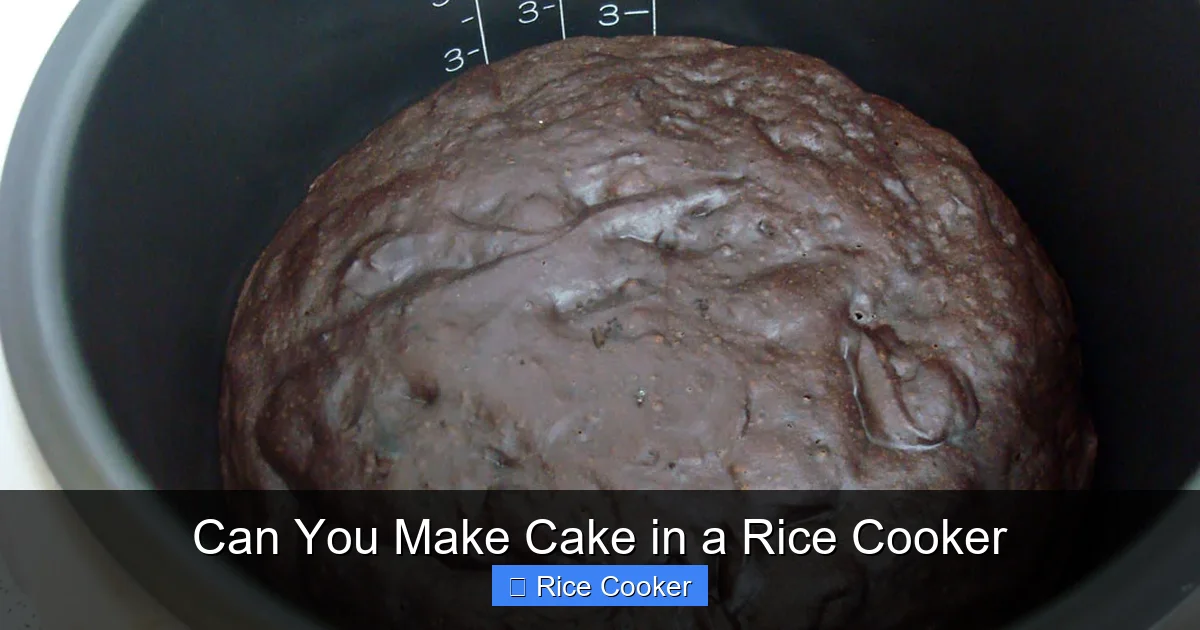
Can you make cake in a rice cooker? Absolutely — and it’s easier than you think! With the right ingredients and a little know-how, your rice cooker can bake fluffy cakes that rival store-bought versions. No oven? No problem. This versatile kitchen tool opens up a world of dessert possibilities, from classic vanilla to chocolate delights, all using minimal equipment.
Key Takeaways
- Yes, you can make cake in a rice cooker: It’s a simple, effective method that doesn’t require an oven, making it perfect for small kitchens or when baking equipment is limited.
- Works with most rice cooker models: Standard white rice cookers with a steaming function are ideal; avoid models without a keep-warm setting.
- Basic ingredients are all you need: Flour, sugar, eggs, milk, oil, and a leavening agent like baking powder are the foundation of most rice cooker cakes.
- Proper prep ensures success: Greasing the bowl, using parchment paper, and mixing ingredients gently help prevent sticking and achieve a light texture.
- Timing and temperature matter: Cooking times vary by recipe, but most cakes take 30–45 minutes on the “cook” setting with careful monitoring.
- Creative variations are endless: Add fruit, nuts, cocoa, or spices to customize your cake flavor — the rice cooker adapts beautifully.
- Cleaning is quick and easy: Non-stick inner bowls make cleanup simple, and most components are dishwasher-safe.
📑 Table of Contents
- Can You Make Cake in a Rice Cooker? The Surprising Truth
- The Science Behind Rice Cooker Baking
- Essential Ingredients and Equipment
- Step-by-Step Guide: Making Your First Rice Cooker Cake
- Popular Rice Cooker Cake Recipes
- Tips for Perfect Rice Cooker Cakes Every Time
- Troubleshooting Common Issues
- Beyond Cake: Other Desserts You Can Make
- Environmental and Economic Benefits
- Conclusion: Embrace the Magic of Rice Cooker Baking
Can You Make Cake in a Rice Cooker? The Surprising Truth
Have you ever stood in your kitchen, craving a warm slice of homemade cake, only to realize your oven is out of order or too far away? Or maybe you’re living in a tiny apartment where counter space is at a premium, and you just don’t have room for another bulky appliance? Enter the humble rice cooker — a kitchen staple that many of us use daily for steaming rice but rarely think of as a multi-tasking baking machine.
Surprisingly, yes, you absolutely can make cake in a rice cooker. In fact, this clever kitchen hack has been gaining popularity among home bakers who want to whip up desserts quickly, without the hassle of preheating ovens or dealing with complicated equipment. Whether you’re a busy parent, a college student, or someone who simply loves experimenting in the kitchen, using a rice cooker to bake cake opens up a whole new realm of culinary possibilities. And the best part? You probably already own one.
In this comprehensive guide, we’ll walk you through everything you need to know about making cake in a rice cooker — from understanding how the appliance works to mastering the perfect batter, selecting the right recipes, and troubleshooting common issues. By the end, you’ll be confident enough to turn your rice cooker into your secret weapon for delicious, oven-free desserts.
The Science Behind Rice Cooker Baking
How Heat Transfer Works in a Rice Cooker
At first glance, it might seem strange to bake a cake in a device designed primarily for cooking grains. But rice cookers actually function similarly to ovens in one key way: they generate dry heat to cook food. When you add water to the inner pot and close the lid, the heating element warms the bottom, which then heats the water and creates steam. This steam circulates inside the cooker, transferring heat evenly to whatever is inside.
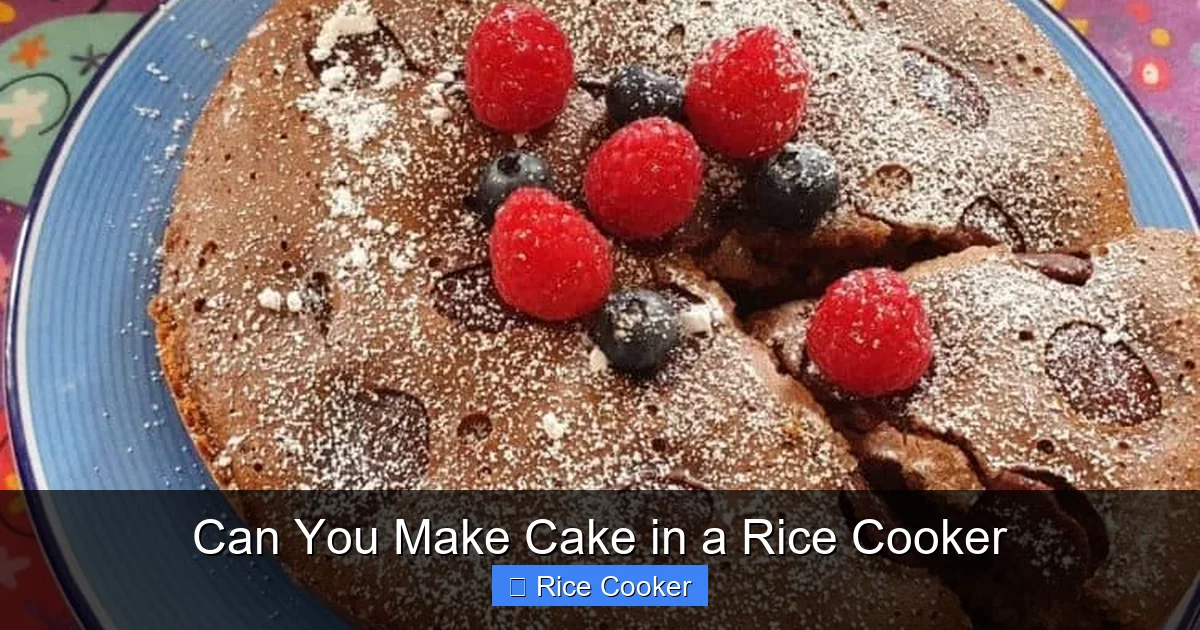
Visual guide about Can You Make Cake in a Rice Cooker
Image source: cookingmummy.com
For cake-making, this means the batter absorbs moisture and heat gradually, allowing the proteins in the flour to set and the leavening agents (like baking powder) to release gas, creating air pockets that give the cake its light, fluffy texture. Unlike stovetop cooking, the enclosed environment of a rice cooker prevents rapid moisture loss, helping maintain moisture in the cake while still allowing it to rise and bake properly.
Why Rice Cookers Are Ideal for Baking
Rice cookers offer several advantages for baking cakes:
- Even heat distribution: The consistent heat helps cakes bake uniformly without hot spots.
- No need for preheating: Unlike ovens, rice cookers heat up quickly and maintain temperature automatically.
- Energy-efficient: They use less electricity than ovens, making them a greener choice.
- Compact and convenient: Perfect for small kitchens, dorm rooms, or RVs where space is limited.
- Easy monitoring: Most models have clear windows or simple controls so you can check progress without opening the lid too often.
However, not all rice cookers are created equal. For best results, choose a model with a non-stick inner pot, a secure lid seal, and a “keep-warm” function. Models with multiple settings (like “cake” or “steam”) can also be helpful, though basic white rice cookers work just fine with a bit of adjustment.
Essential Ingredients and Equipment
What You’ll Need to Start Baking
Making cake in a rice cooker requires minimal ingredients and tools. Here’s what you should gather before you begin:
Visual guide about Can You Make Cake in a Rice Cooker
Image source: insanelygoodrecipes.com
- All-purpose flour: Provides structure to the cake. Sifted flour helps avoid lumps.
- Sugar: Adds sweetness and tenderness. Granulated sugar works best.
- Eggs: Bind the ingredients and contribute to richness.
- Milk or buttermilk: Adds moisture and helps tenderize the crumb.
- Vegetable or melted butter oil: Keeps the cake moist and adds flavor.
- Baking powder: Leavening agent that helps the cake rise.
- Vanilla extract: Enhances flavor (optional but recommended).
- Salt: Balances sweetness and improves texture.
Specialized Tools and Tips
While you don’t need fancy equipment, a few extras can make the process smoother:
- Non-stick rice cooker bowl: Essential to prevent sticking. If your bowl isn’t non-stick, grease it generously.
- Parchment paper: Line the bottom and sides for easy removal.
- Mixing bowls and whisk: For combining wet and dry ingredients separately.
- Measuring cups and spoons: Accuracy matters in baking!
- Cooling rack: To cool the cake completely after baking.
- 1 ½ cups flour
- 1 cup sugar
- 1 tsp baking powder
- ¼ tsp salt
- 2 eggs
- ¾ cup milk
- ½ cup vegetable oil
- 1 tsp vanilla extract
- 1 ½ cups flour
- ¾ cup sugar
- ½ cup cocoa powder
- 1 ½ tsp baking powder
- ½ tsp salt
- 2 eggs
- 1 cup milk
- ⅓ cup melted butter
- 1 tsp vanilla
- 1 ½ cups flour
- ¾ cup sugar
- 1 tsp baking powder
- ½ tsp cinnamon
- 2 eggs
- 1 mashed banana
- ½ cup milk
- ¼ cup oil
- ½ cup chopped nuts
- Standard cake ingredients (use any recipe above)
- ¼ cup rainbow sprinkles (add after mixing wet and dry)
- A thick, sturdy inner pot
- A tight-sealing lid
- An automatic shut-off feature
- A non-stick surface
- Pudding: Mix instant pudding with milk, pour into the bowl, and cook on “warm” for 10–15 minutes.
- Cheesecake: Use a no-bake recipe layered with graham cracker crust and cream cheese filling.
- Muffins: Pour batter into muffin liners and bake in batches (you may need to do two rounds).
- Brownies: Chocolate brownie mix works great — bake for 35–40 minutes.
- Pancakes: Pour pancake batter directly into the bowl for a single large pancake.
Tip: Always use room-temperature ingredients for better mixing and a more uniform texture.
Step-by-Step Guide: Making Your First Rice Cooker Cake
Preparing the Rice Cooker Bowl
Before you start mixing, prepare your rice cooker bowl. Even if it’s non-stick, greasing it with butter or oil prevents the cake from sticking. Use a pastry brush or paper towel dipped in butter. For extra insurance, line the bottom and sides with parchment paper cut to size. This makes removing the cake much easier.
Mixing the Batter
Start by whisking together the dry ingredients — flour, sugar, baking powder, and salt — in one bowl. In another bowl, beat the eggs, then slowly mix in the milk, oil, and vanilla extract until smooth. Gradually add the wet ingredients to the dry, stirring gently with a spatula or wooden spoon. Avoid overmixing, as this can make the cake dense. A few lumps are okay — smooth batter isn’t necessary.
Pouring and Baking
Pour the batter into the prepared bowl and smooth the top. Place the bowl in the rice cooker. Do not fill the cooker more than halfway with water — typically, about 1 inch of water in the base is sufficient. Close the lid and turn the cooker on. Most rice cookers will switch to “keep-warm” after the cooking cycle, but for cake, you’ll want to let it run through once fully cooked.
Cooking time varies by model and recipe, but plan for 30 to 45 minutes. After the cycle ends, open the lid carefully — steam will escape. Use a toothpick or skewer to test if the cake is done: insert it into the center; if it comes out clean, it’s ready. If not, close the lid and let it continue cooking for 5–10 more minutes.
Cooling and Serving
Once baked, remove the bowl from the cooker using oven mitts. Let the cake cool for 10 minutes in the bowl, then gently loosen the edges with a knife and flip it onto a cooling rack. Allow it to cool completely before slicing or decorating. Slicing when warm can cause the cake to fall apart.
Popular Rice Cooker Cake Recipes
Classic Vanilla Cake
This timeless recipe is perfect for beginners. It uses basic pantry staples and delivers a soft, tender crumb.
Follow the mixing instructions above. Bake for 35–40 minutes. Serve plain, with powdered sugar, or topped with fresh berries.
Chocolate Rice Cooker Cake
Add cocoa powder to the dry ingredients for a rich, chocolaty treat. This version is especially popular because it tastes just like a bakery cake.
This cake bakes slightly faster — around 30–35 minutes — due to the density of the chocolate. Dust with icing sugar or serve with whipped cream.
Banana Nut Cake
Mash ripe bananas into the wet ingredients for natural sweetness and moisture. Add chopped walnuts or pecans for crunch.
Bake for 35 minutes. This cake is naturally sweet and pairs well with a drizzle of honey.
Funfetti Cake
Perfect for birthdays or celebrations, this cake includes colorful sprinkles mixed into the batter.
Stir in the sprinkles gently at the end to distribute them evenly. Bake as usual.
Tips for Perfect Rice Cooker Cakes Every Time
Choose the Right Rice Cooker
Not all rice cookers are suitable for baking. Look for models with:
Avoid plastic-lid models or those with weak heating elements. Top brands like Zojirushi, Panasonic, and Instant Pot rice cookers are reliable choices.
Don’t Overfill the Water
Too much water can dilute the heat and result in a soggy cake. Stick to about 1 inch of water in the base. Too little water risks burning the cake or damaging the cooker.
Use Room-Temperature Ingredients
Cold eggs or milk can cause the batter to curdle. Let everything come to room temperature before mixing for best results.
Monitor the Cake Closely
Every rice cooker heats differently. Check the cake after 30 minutes and continue testing with a toothpick. Overbaking leads to dryness; underbaking results in a gummy center.
Let It Cool Before Removing
Rushing to remove the cake can cause it to break. Wait 10 minutes after turning off the cooker before attempting to lift the bowl.
Experiment with Flavors
Try adding lemon zest, almond extract, crushed cookies, or even coffee grounds to enhance flavor. The rice cooker handles variations well.
Troubleshooting Common Issues
My Cake Sticks to the Bowl
This usually happens when the bowl isn’t greased or lined properly. Always use butter or oil, and consider parchment paper for easy release. Also, ensure the bowl is truly non-stick — some older models may wear out over time.
The Cake Is Too Dense or Dry
Dense cakes often result from overmixing or too much flour. Dry cakes can come from overbaking or too little liquid. Measure flour accurately (spoon and level), and avoid beating the batter too vigorously.
The Cake Doesn’t Rise
If your cake is flat, you might have used expired baking powder or not mixed it in thoroughly. Fresh leavening agents are crucial. Also, ensure the eggs were beaten well to incorporate air.
Steam Builds Up Too Much
If steam escapes excessively during baking, the lid may not seal properly. Try placing a kitchen towel over the lid seam to trap steam, or check if the lid gasket is intact.
The Rice Cooker Won’t Start
Make sure the bowl is seated correctly in the base. Some models won’t activate unless the pot is properly aligned. Also, check that the power cord is securely plugged in.
Beyond Cake: Other Desserts You Can Make
Once you master cake, the possibilities expand. A rice cooker is surprisingly versatile for desserts:
These recipes follow similar principles: proper mixing, adequate water levels, and careful timing.
Environmental and Economic Benefits
Using a rice cooker for baking isn’t just convenient — it’s smart. These appliances consume significantly less energy than ovens, reducing your carbon footprint. They also save money on utilities and are built to last for years with proper care. Plus, you’re reusing an appliance you likely already own, reducing waste.
In countries where rice is a staple food, rice cookers are household essentials — making them ideal for baking local desserts like mochi cakes, sweet glutinous rice treats, or even traditional fruit-based puddings. This dual functionality makes them invaluable in diverse cuisines.
Conclusion: Embrace the Magic of Rice Cooker Baking
So, can you make cake in a rice cooker? Without a doubt — yes. It’s a simple, innovative way to enjoy homemade desserts without the need for an oven or expensive equipment. Whether you’re whipping up a quick birthday cake for a child, satisfying a late-night sweet tooth, or impressing guests with your culinary creativity, the rice cooker delivers consistent, delicious results.
With the right technique, a little patience, and a willingness to experiment, you’ll soon find yourself relying on your rice cooker not just for rice, but for a wide variety of meals and treats. From classic vanilla to decadent chocolate, and even creative twists like fruit swirls and spice blends, the possibilities are endless.
Next time you’re craving cake, skip the delivery app and reach for your rice cooker instead. You might just discover your new favorite kitchen trick — and create memories (and delicious desserts) along the way.
Frequently Asked Questions
Can you really make cake in a rice cooker?
Yes, you can make cake in a rice cooker! It works by using steam and dry heat to bake a moist, fluffy cake without needing an oven. Many people use this method successfully with standard recipes.
What kind of rice cooker should I use for baking cake?
Use a standard white rice cooker with a non-stick inner pot and a secure lid. Models with a keep-warm function work best. Avoid plastic-lid or low-quality cookers that may warp or leak steam.
Do I need special ingredients to make cake in a rice cooker?
No, you don’t need anything special. Basic ingredients like flour, sugar, eggs, milk, oil, baking powder, and vanilla work perfectly. Just make sure your leavening agents are fresh.
How long does it take to bake a cake in a rice cooker?
Most cakes take between 30 to 45 minutes. Cooking time depends on the recipe, ingredient volume, and your specific rice cooker model. Always check with a toothpick for doneness.
Can I make layered or frosted cakes in a rice cooker?
Yes! Once you bake the cake, you can cool it, slice it, and frost it like any other cake. The rice cooker only bakes the base — decoration and layering happen afterward.
Is it safe to bake in a rice cooker?
Yes, it’s safe as long as you follow instructions and use a quality appliance. Ensure proper water levels, don’t overfill, and allow the cooker to cool before handling. Always supervise the baking process.