
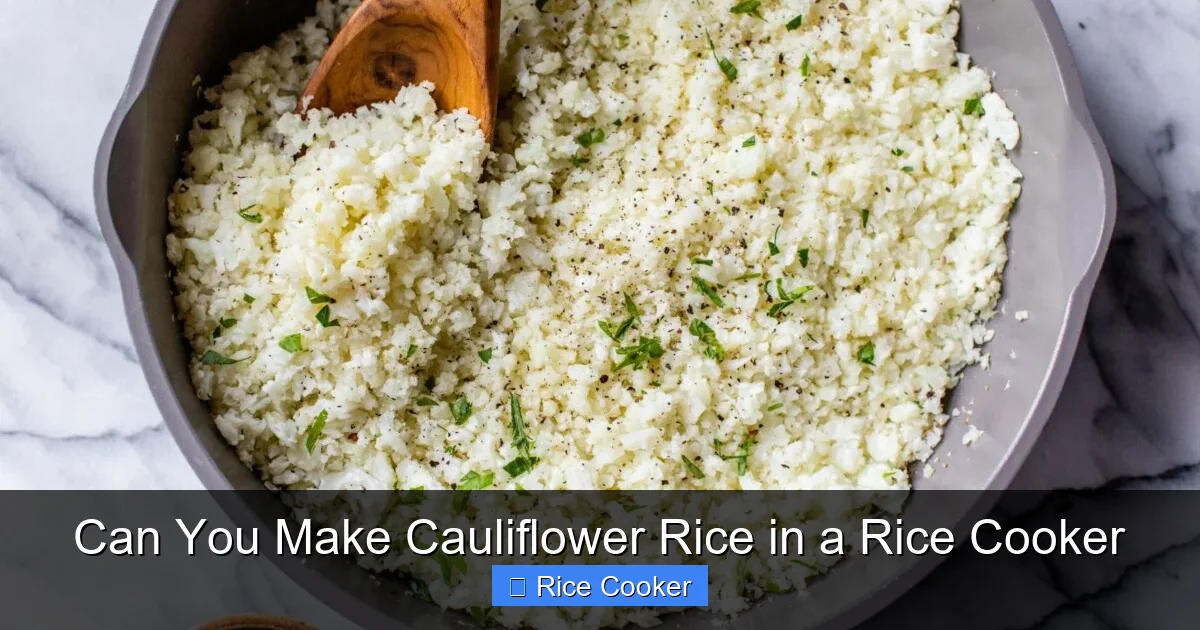
Can you make cauliflower rice in a rice cooker? Absolutely! This simple method saves time and yields fluffy, healthy results. With just a few ingredients and your rice cooker, you’ll have nutritious, low-carb meals ready in minutes.
Key Takeaways
- Yes, it’s possible: A rice cooker works great for making cauliflower rice with the right prep.
- No extra liquid needed: Cauliflower releases moisture as it cooks, so skip the water unless specified.
- Texture matters: Pulse or chop finely for best results to avoid mushy or uneven pieces.
- Salt and seasoning enhance taste: Lightly salt before cooking improves flavor without excess sodium.
- Storage is easy: Store in an airtight container in the fridge for up to 5 days or freeze for 3 months.
- Ideal for meal prep: Cook large batches and use in stir-fries, salads, or as a side dish.
📑 Table of Contents
- Can You Make Cauliflower Rice in a Rice Cooker?
- Why Choose Cauliflower Rice?
- What You’ll Need to Make Cauliflower Rice in a Rice Cooker
- Step-by-Step Guide: How to Make Cauliflower Rice in a Rice Cooker
- Tips for Perfect Cauliflower Rice Every Time
- Creative Ways to Use Cauliflower Rice
- Common Mistakes to Avoid
- How Long Does It Take?
- Storage and Reheating Tips
- Is Cauliflower Rice Healthy?
- Final Thoughts
Can You Make Cauliflower Rice in a Rice Cooker?
Let’s be honest—rice is delicious. But if you’re watching your carbs or trying to eat more veggies, that bowl of white or brown rice might not be on the menu. Enter: cauliflower rice. It looks like rice, cooks like rice, and tastes surprisingly similar—without the starchy punch. And guess what? You can make it in a rice cooker. Yes, really. No special gadgets, no complicated steps. Just your trusty rice cooker, a head of cauliflower, and a little kitchen know-how.
If you’ve ever wondered whether you can make cauliflower rice in a rice cooker, the answer is a confident yes. In fact, using a rice cooker is one of the easiest and most consistent ways to prepare cauliflower rice. Whether you’re following a keto diet, managing blood sugar, or just looking to add more vegetables to your meals, this method delivers a fluffy, flavorful result every time. Plus, it’s hands-off—perfect for busy mornings or meal prep Sundays.
Why Choose Cauliflower Rice?
Cauliflower rice has become a pantry staple for good reason. It’s low in calories, high in fiber, and packed with nutrients like vitamin C and folate. One cup of raw cauliflower contains only about 25 calories and nearly 3 grams of fiber. Compare that to a single cup of cooked white rice, which packs around 200 calories and less than 1 gram of fiber. For those counting macros or reducing refined carbs, cauliflower rice is a game-changer.
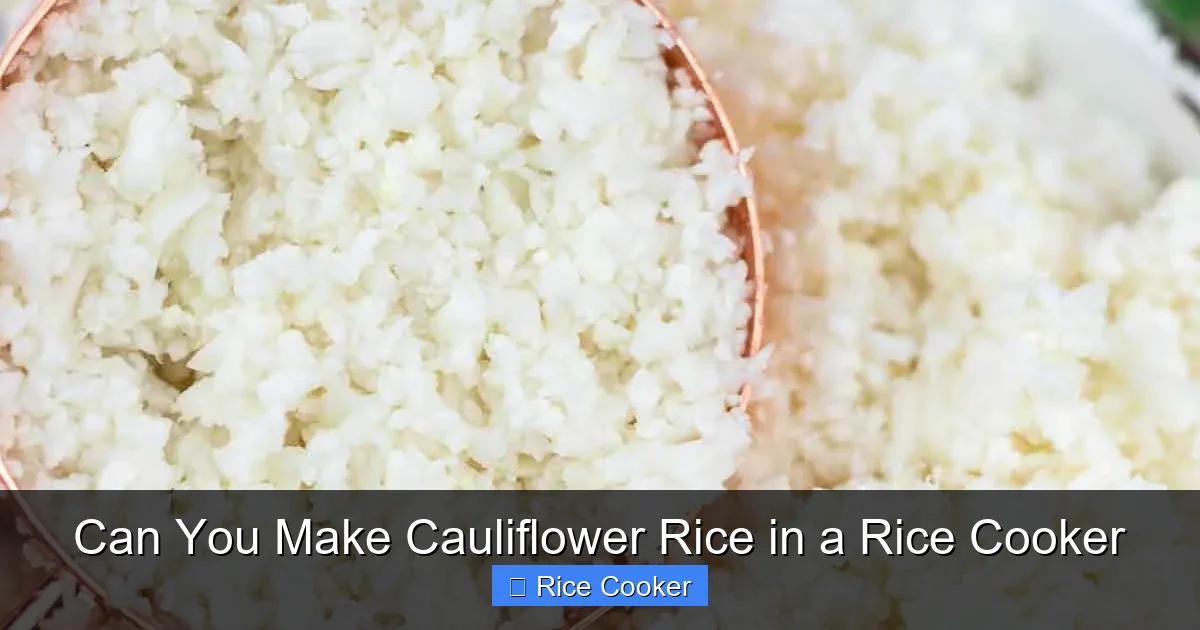
Visual guide about Can You Make Cauliflower Rice in a Rice Cooker
Image source: bestcleaneating.com
But beyond health benefits, cauliflower rice is incredibly versatile. Use it in place of rice in fried rice, mix it into stir-fries, toss it with sauces for a grain-free bowl, or even blend it into meatballs or burgers. It also soaks up flavors beautifully, making it ideal for adding depth to dishes without overloading them with salt or fat.
The Science Behind Cauliflower “Ricing”
So why does cauliflower work so well as a rice substitute? It’s all in the structure. Cauliflower florets are made up of small, dense clusters of vegetable tissue. When they’re chopped or pulsed in a food processor, these clusters break down into tiny, rice-like pieces. The texture mimics grains when cooked, especially when done quickly and without overcooking.
Unlike traditional rice, cauliflower doesn’t absorb much liquid—in fact, it releases moisture as it cooks. This means you don’t need to add water to the rice cooker (unless your model requires it). Instead, the steam created during cooking helps tenderize the florets while keeping them light and slightly al dente. The result? A satisfying bite that holds together but isn’t gummy or soggy.
What You’ll Need to Make Cauliflower Rice in a Rice Cooker
Making cauliflower rice in a rice cooker is shockingly simple. Here’s what you’ll need:
Visual guide about Can You Make Cauliflower Rice in a Rice Cooker
Image source: storables.com
- A head of fresh cauliflower (about 1–1.5 pounds, or 4–6 cups of riced cauliflower)
- A sharp knife and cutting board (or a food processor with a pulse function)
- A rice cooker (any standard model will work)
- A fine-mesh strainer (optional, for removing excess moisture)
- Seasonings of your choice (salt, garlic powder, turmeric, herbs, etc.)
You don’t need any fancy attachments or extra tools. Even if you’re using a basic rice cooker without a steaming basket, you can still make perfect cauliflower rice. Just make sure the inner pot is clean and dry before adding the cauliflower.
Choosing the Right Cauliflower
Not all cauliflowers are created equal—at least not when it comes to ricing. Look for heads that are firm, compact, and free of brown spots or soft areas. Small to medium florets tend to work better than giant ones because they break down more evenly. Organic isn’t necessary, but if you prefer it, go for it—just make sure it’s fresh.
Also, consider the color. While white cauliflower is most common, purple and green varieties also work well. They may offer slightly different flavors and antioxidants, but the cooking process remains the same. Just remember: the smaller the floret, the finer your rice will be.
Step-by-Step Guide: How to Make Cauliflower Rice in a Rice Cooker
Ready to turn your cauliflower into fluffy, rice-like goodness? Follow these easy steps:
Step 1: Prep the Cauliflower
Start by removing the leaves and stem from the cauliflower head. Cut off the thick core at the bottom—it’s tough and shouldn’t be used for ricing. Then, separate the florets into small pieces, about ¼ inch wide. Don’t worry about uniformity; even if some pieces are larger, they’ll soften during cooking.
For fastest prep, use a food processor. Pulse the florets until they resemble coarse rice grains. Aim for consistency—no big chunks, no dust. If you don’t have a food processor, chop manually with a sharp knife. It takes a bit more effort, but it’s totally doable.
Step 2: Season Lightly
Once your cauliflower is riced, spread it evenly in a bowl. Sprinkle lightly with salt and any other seasonings you like—garlic powder, onion powder, black pepper, or even a pinch of turmeric for color and earthiness. Toss gently to coat. Avoid heavy sauces or oils here; you want the rice cooker to do the work, not steam the cauliflower in grease.
Step 3: Add to the Rice Cooker
Open your rice cooker and place the inner pot inside. Add the seasoned cauliflower rice directly into the pot. Do not rinse it first—this removes natural sugars that help with browning and texture. Also, avoid adding oil unless your recipe specifically calls for it (e.g., for crispy cauliflower rice).
Now, here’s a pro tip: don’t press down the cauliflower. Let it sit loosely so steam can circulate freely. Overpacking traps moisture and leads to mushiness.
Step 4: Cook Without Water
Most rice cookers require liquid for cooking, but cauliflower is different. Since it releases its own moisture, you typically don’t need to add water. However, if your rice cooker manual specifies adding ½ cup water for “vegetable mode” or similar, you can include that—but it’s often unnecessary.
Close the lid and select the normal “white rice” setting. Some advanced models have a “steam” or “veggie” button—use those if available. The cooking time usually ranges from 8 to 12 minutes. After the cycle ends, let it rest for 2–3 minutes before opening the lid. This allows residual heat to finish cooking gently without drying out the rice.
Step 5: Fluff and Serve
Once the timer goes off, open the lid carefully (watch out for steam!) and fluff the cauliflower rice with a fork. It should look light, slightly golden, and tender but not mushy. Taste and adjust seasoning if needed—sometimes a pinch more salt makes all the difference.
Serve immediately as a side dish, mix into curries, or use as a base for bowls. Leftovers store well in the refrigerator for up to 5 days or can be frozen for 3 months.
Tips for Perfect Cauliflower Rice Every Time
Even though making cauliflower rice in a rice cooker is straightforward, a few tricks will elevate your results:
Use Fresh, Not Frozen
Frozen cauliflower rice can work, but it often becomes waterlogged and loses texture. Fresh is best because it retains structure and cooks more evenly. If you must use frozen, thaw completely and squeeze out excess moisture before cooking.
Don’t Overprocess
When pulsing in a food processor, stop halfway through and check consistency. Overprocessing turns cauliflower into mush. You want visible, distinct grains, not paste.
Season Before Cooking
Add salt and spices before placing the cauliflower in the rice cooker. This ensures even flavor distribution. Avoid adding butter or oil unless you’re going for a richer version—they can burn in the hot cooker.
Fluff Immediately After Cooking
Resist the urge to leave cauliflower rice sitting after cooking. Steam continues inside the closed lid, which can make it soggy. Fluff right away to maintain texture.
Reheat Gently
To reheat leftovers, microwave with a damp paper towel or steam briefly in a saucepan. Avoid boiling, which breaks down the texture.
Creative Ways to Use Cauliflower Rice
Once you master making cauliflower rice in a rice cooker, the possibilities are endless. Here are some delicious ideas:
Cauliflower Fried Rice
Stir-fry your cauliflower rice with scrambled eggs, shrimp, carrots, peas, and soy sauce. Add ginger and garlic for extra flavor. Serve with a lime wedge and cilantro.
Mediterranean Bowls
Top cooked cauliflower rice with roasted chickpeas, cucumber, cherry tomatoes, feta cheese, and olives. Drizzle with olive oil and lemon juice.
Low-Carb Sushi Rolls
Use cooled cauliflower rice as a wrap substitute for sushi. Layer avocado, crab sticks, and cucumber inside nori sheets, then roll tightly.
Keto “Rice” Pilaf
Sauté cauliflower rice with onions, bell peppers, and raisins. Season with cinnamon and cardamom for a Middle Eastern twist.
Breakfast Hash
Combine cauliflower rice with diced potatoes, sausage, and peppers. Cook until crispy and serve with fried egg on top.
Common Mistakes to Avoid
While making cauliflower rice in a rice cooker is easy, beginners sometimes run into issues. Here’s how to dodge common pitfalls:
Mistake #1: Adding Too Much Liquid
Since cauliflower releases moisture, adding water can lead to soggy rice. Only add liquid if your rice cooker requires it—and even then, start with half the amount called for in rice recipes.
Mistake #2: Overcooking
Cauliflower cooks faster than rice. Once the cycle ends, check for doneness. Overcooking turns it into porridge. Err on the side of underdone—it finishes cooking with residual heat.
Mistake #3: Skipping Salt
Cauliflower is mild-tasting. Without salt, it can be bland. Always season before cooking, even lightly.
Mistake #4: Using Old or Wet Cauliflower
Dull, limp cauliflower won’t crisp up well. Choose bright-white (or vibrant-colored) heads with tight florets. If it feels soft or smells off, skip it.
Mistake #5: Not Fluffing
Skipping the fluffing step results in clumpy, unappetizing rice. Use a fork to separate grains immediately after cooking.
How Long Does It Take?
Prep time: 10 minutes
Cook time: 10–12 minutes
Total: About 20–25 minutes
This includes chopping, seasoning, and resting. If you’re using frozen cauliflower, add 5 extra minutes for thawing.
Storage and Reheating Tips
Store leftover cauliflower rice in an airtight container in the refrigerator for up to 5 days. Label with the date to keep track. For longer storage, freeze in portion-sized bags for up to 3 months. Thaw overnight in the fridge or reheat directly from frozen (add a splash of water to prevent drying).
To reheat, microwave with a damp paper towel or steam in a covered pan over low heat. Stir occasionally to ensure even warming.
Is Cauliflower Rice Healthy?
Absolutely. One cup of raw cauliflower provides just 25 calories, 3 grams of fiber, and over 70% of your daily vitamin C needs. It’s also rich in antioxidants and supports gut health thanks to its prebiotic fibers. Compared to refined grains, it’s a far superior carb source—especially for people managing diabetes, weight, or digestive issues.
Just be mindful of portion sizes if you’re sensitive to cruciferous vegetables. Some people experience bloating or gas when eating large amounts of raw or undercooked cauliflower. Cooking helps reduce these effects.
Final Thoughts
Making cauliflower rice in a rice cooker is not only possible—it’s one of the simplest, most effective ways to enjoy a nutritious, low-carb alternative to traditional rice. With minimal prep and zero special equipment, you can whip up a batch in under 30 minutes. Whether you’re dieting, saving time, or just curious about plant-based swaps, this method delivers consistent, tasty results.
The beauty of cauliflower rice lies in its adaptability. It fits into almost any meal plan, pairs well with bold flavors, and supports long-term health goals. And now, thanks to your rice cooker, it’s never been easier to make.
So next time you’re staring at a bag of rice wondering what to cook, reach for the cauliflower instead. Your body (and waistline) will thank you.
Frequently Asked Questions
Do I need to add water when making cauliflower rice in a rice cooker?
Usually, no. Cauliflower releases its own moisture during cooking, so adding water can make it soggy. Only add a small amount (like ½ cup) if your rice cooker requires liquid or if the cauliflower seems very dry.
Can I use frozen cauliflower rice in a rice cooker?
Yes, but it’s not ideal. Frozen cauliflower tends to become waterlogged and loses texture. If using it, thaw completely and squeeze out excess moisture before cooking to avoid mushiness.
Why is my cauliflower rice mushy?
Mushiness happens when cauliflower is overcooked or overpacked in the rice cooker. Make sure to fluff it gently and avoid pressing down. Also, don’t add too much liquid—let the cauliflower release its own steam.
How do I prevent burning in the rice cooker?
Don’t add oil or butter unless your recipe specifically calls for it. These can burn in the hot cooker. Stick to dry cooking methods and ensure the cauliflower isn’t stuck to the bottom by using a non-stick pot.
Can I make large batches ahead of time?
Absolutely. Cook extra cauliflower rice and store it in the fridge for up to 5 days or freeze for 3 months. Reheat gently to preserve texture.
Is cauliflower rice suitable for gluten-free diets?
Yes! Cauliflower rice is naturally gluten-free, making it a safe and delicious option for those avoiding gluten. Just double-check any seasonings or sauces you add for hidden gluten.