
You don’t need an oven to bake a cake—your rice cooker can do it too! With the right ingredients and technique, you can create soft, fluffy cakes that rival store-bought versions. Whether you’re craving chocolate, vanilla, or fruit flavors, this simple method delivers delicious results fast.
Have you ever wanted to whip up a sweet treat but realized your oven is already full—or maybe you just don’t want to turn on the heat during summer? Enter: the humble rice cooker. Yes, that trusty kitchen gadget you use for steaming rice, cooking oats, or making soups can actually do double duty as a baking powerhouse. Can you make cake in rice cooker? Absolutely! In fact, many home cooks swear by this method for its speed, simplicity, and surprisingly tender results.
Using a rice cooker to bake cake isn’t just a clever trick—it’s a game-changer for anyone short on time or space. Whether you’re hosting a last-minute dessert or treating yourself after a long day, this no-oven approach lets you enjoy homemade cake with minimal effort. Plus, since the rice cooker handles both mixing and baking, you save time and reduce cleanup. Let’s dive into why this method works so well and how you can get started today.
Key Takeaways
- Rice cookers work great for baking cakes: Their consistent heat and steam function create perfect texture without an oven.
- No special equipment needed: Use common pantry ingredients like flour, sugar, eggs, and oil to make basic cake batter.
- Versatile recipe options: From classic vanilla to rich chocolate or fruity bundt cakes, the possibilities are endless.
- Easy cleanup and compact size: Baking in a rice cooker means fewer dishes and no hot oven to clean afterward.
- Perfect for beginners: Minimal steps and foolproof instructions make rice cooker cakes ideal for first-time bakers.
- Saves time and energy: Skip preheating an oven—just mix, pour, press start, and enjoy in under an hour.
- Great for small servings: Great for single portions or small gatherings without wasting leftovers.
📑 Table of Contents
Why Choose a Rice Cooker for Cake?
Before we jump into recipes, let’s talk about why rice cookers are such excellent cake-making tools. First and foremost, they provide even, gentle heating that mimics the effect of a slow oven bake. Unlike stovetops or microwaves, which can cook unevenly or dry out batter, rice cookers maintain steady temperatures through their internal sensors and automatic switching between “cook” and “warm” modes. This helps prevent overbrowning while ensuring the center cooks through.
Another big advantage is moisture retention. The sealed environment keeps steam circulating inside, which prevents cracking and keeps your cake soft and moist. Think of it like bundling up in a cozy blanket—everything stays warm and tender. And because most modern rice cookers come with non-stick inner pots, removing your finished cake becomes a breeze.
Plus, rice cookers are compact and energy-efficient. You don’t need to crank up your oven for 45 minutes; instead, you can set it and forget it while multitasking around the house. That makes them especially handy for apartment dwellers or those with limited kitchen space.
The Science Behind Rice Cooker Cakes
So how does baking actually work inside a rice cooker? It all comes down to heat transfer and timing. When you pour cake batter into the inner pot, the metal conducts heat evenly across the bottom and sides. As the batter begins to set, steam builds up due to trapped moisture—this is exactly what you want for a light, fluffy crumb.
Most rice cookers follow a cycle: first, they heat rapidly (the “cook” phase), then switch to low heat (“warm” mode) once boiling point is reached. For cakes, this mimics the gentle rise and set process of traditional baking. The key is allowing enough time for the structure to firm up without overcooking.
It’s also worth noting that rice cookers lack rising agents like convection fans found in ovens. But fear not—this actually benefits cake texture! Without forced airflow, air bubbles expand more slowly and evenly, leading to a denser yet tender result. Many people find rice cooker cakes have a softer mouthfeel compared to oven-baked versions.
Essential Tools and Ingredients
To get started, you won’t need anything fancy. A standard 1.8–3-cup capacity rice cooker works perfectly for single-layer cakes. Make sure your inner pot is clean and free of residue—old rice starch can affect taste and sticking.
For ingredients, stick to basics:
- All-purpose flour
- Granulated sugar
- Eggs (room temperature)
- Baking powder or baking soda (for lift)
- Milk or water
- Vinegar or lemon juice (to activate leaveners)
- Vanilla extract
- Oil or melted butter
Optional add-ins include cocoa powder, fruit puree, nuts, or chocolate chips. Avoid recipes with too much liquid or thick batters—they can overflow during cooking.
Pro tip: Grease your rice cooker pot lightly with butter or oil before adding batter. This prevents sticking and gives your cake a golden base. Some people even line the bottom with parchment paper for extra insurance.
Step-by-Step Guide to Making Cake in Your Rice Cooker
Ready to bake? Follow these simple steps:
Prepare the Rice Cooker
Start by cleaning the inner pot thoroughly. If your model has a removable lid, wash that too. Lightly grease the bottom and sides with butter or non-stick spray. Don’t skip this—rice cooker pots aren’t always fully non-stick like cake pans.
Mix Dry Ingredients
In a large bowl, whisk together 1 cup flour, ¾ cup sugar, 1 tsp baking powder, and a pinch of salt. Sift if possible to avoid lumps.
Combine Wet Ingredients
Separately, beat 2 room-temperature eggs. Add ½ cup milk, ¼ cup oil, 1 tsp vanilla, and 1 tbsp vinegar or lemon juice. Whisk until smooth.
Pour and Mix
Gradually stir wet mixture into dry ingredients until just combined. Overmixing leads to tough cakes—stop when no streaks remain.
Transfer Batter
Pour into prepared rice cooker pot. Smooth the top with a spatula. Tap gently on the counter a few times to release air bubbles.
Set Cooking Mode
Close the lid securely. Press “Cook”—do not use “Keep Warm” initially. Most rice cookers will run for about 20–30 minutes total. After the cycle ends, let it rest for 5–10 minutes before opening. The cake needs time to set!
Test for Doneness
Insert a toothpick into the center. If it comes out clean or with a few moist crumbs (not wet batter), your cake is done. If still sticky, close the lid and let it cook another 2–3 minutes.
Cool and Serve
Use oven mitts to remove the pot. Run a knife around edges, then invert onto a plate. Let cool slightly before slicing.
Troubleshooting Common Issues
Even experienced bakers hit snags now and then. Here’s how to fix them:
My cake stuck to the pot!
This usually means insufficient greasing or overbaking. Always grease generously and test doneness early. If it’s stubborn, let it cool completely—sometimes it releases easier when chilled.
The cake sank in the middle!
Overmixing or using cold eggs can cause collapse. Stick to room-temp ingredients and mix only until blended. Also, avoid opening the lid too often during baking.
It came out dry or dense!
Too much flour or not enough leavening can do it. Measure accurately using level cups/spoons. Double-check expiration dates on baking powder—expired stuff won’t rise properly.
Steam escaped from the lid!
Ensure the lid fits snugly. Some models require you to press down gently to seal. If yours leaks, try placing a damp cloth between lid and body to trap steam better.
How do I know when it’s ready?
Timing varies by machine. Start checking at 20 minutes. The best indicator is the toothpick test. Also, the cake should spring back when lightly touched.
Creative Recipe Variations
Once you master the basics, the fun begins! Try these flavor twists:
Classic Vanilla Bundt
Add 1 tsp almond extract to the wet ingredients. Bake for 25–30 minutes. Dust with powdered sugar when cooled.
Chocolate Lovers’ Dream
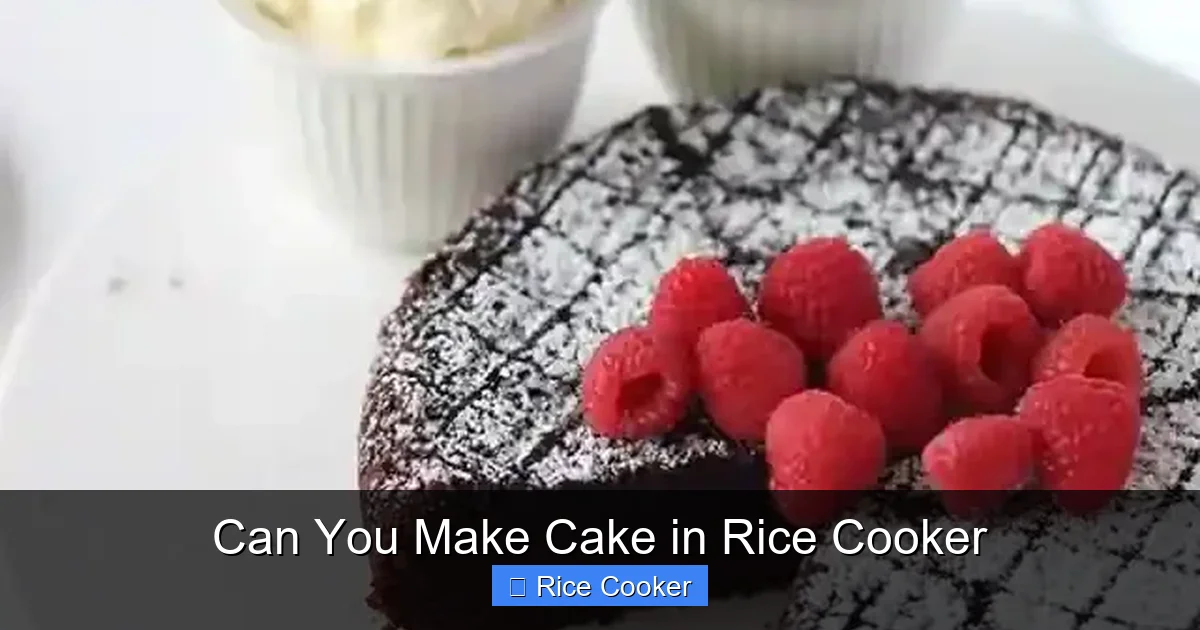
Replace half the flour with unsweetened cocoa powder. Increase sugar slightly (to 1 cup). Add ½ cup mini chocolate chips. Cook for 28–30 minutes.
Fruit Swirl Surprise
Blend ½ cup berries into part of the batter. Pour plain batter first, then swirl in fruit mixture using a skewer.
Banana Nut Bread Style
Mash 2 ripe bananas into the wet mix. Add ½ cup chopped walnuts. Reduce milk to ¼ cup. Bake for 26–28 minutes.
Lemon Drizzle Option
After baking, poke holes in cake and drizzle with simple syrup (equal parts sugar and lemon juice boiled together). Top with fresh berries.
Remember: adjust cooking times slightly based on your rice cooker model. Newer digital ones may be more precise than older manual types.
Storage and Leftovers
Fresh cake tastes amazing, but what if you’ve got leftovers? Store in an airtight container at room temp for up to 2 days, or refrigerate for up to 5 days. Reheat individual slices in the microwave for 10–15 seconds to restore softness.
Freezing is also possible! Wrap slices tightly in plastic wrap, then foil. Thaw overnight in fridge before serving. Note: frosting doesn’t freeze as well—best to add after thawing.
Avoid storing near strong-smelling foods (like onions or fish), since rice cooker pots absorb odors easily.
Frequently Asked Questions
Can I use any type of rice cooker?
Yes! Both basic white rice cookers and newer fuzzy logic models work fine. Just follow the same steps—grease, mix, pour, cook, wait.

Visual guide about Can You Make Cake in Rice Cooker
Image source: i.pinimg.com
Visual guide about Can You Make Cake in Rice Cooker
Image source: images.slurrp.com
Do I need to preheat the rice cooker?
Nope. Unlike ovens, rice cookers heat up quickly from cold. Just add batter and press “Cook” immediately.
What if my cake browns too quickly?
Cover loosely with aluminum foil halfway through cooking. This shields the top while letting steam escape.
Can I make layered cakes?
Technically yes, but it’s tricky due to size limits. Stick to single-layer designs unless you have a large-capacity model.
Is rice cooker cake healthier than store-bought?
It depends on ingredients! Homemade allows control over sugar, fat, and additives. But portion size matters—just because it’s homemade doesn’t mean it’s automatically better.
Can I add frosting or icing?
Definitely! Cool completely first. Spread or pipe on your favorite frosting once cake reaches room temperature.
Frequently Asked Questions
Can I use a rice cooker to make cake without an oven?
Absolutely! Rice cookers generate enough heat and steam to bake a fully risen cake without needing an oven. The process mimics low-and-slow oven baking.
What kind of rice cooker works best for baking cake?
Any standard 1.8–3-cup rice cooker with a non-stick inner pot works well. Models with fuzzy logic or multiple settings offer more consistency but aren’t required.
How long does it take to bake cake in a rice cooker?
Usually 20–30 minutes. Exact time depends on your recipe and machine. Always check with a toothpick before assuming it’s done.
Can I make chocolate cake in a rice cooker?
Yes! Simply replace some flour with cocoa powder and adjust sweetness as needed. Chocolate cakes may take slightly longer to cook through.
Do I need to grease the rice cooker pot?
Yes! Even non-stick pots benefit from light greasing. Butter, oil, or non-stick spray all work. This prevents sticking and ensures easy removal.
Why did my rice cooker cake sink in the middle?
This often happens from overmixing, cold ingredients, or opening the lid too early. Ensure eggs are room temperature and resist peeking during cooking.