
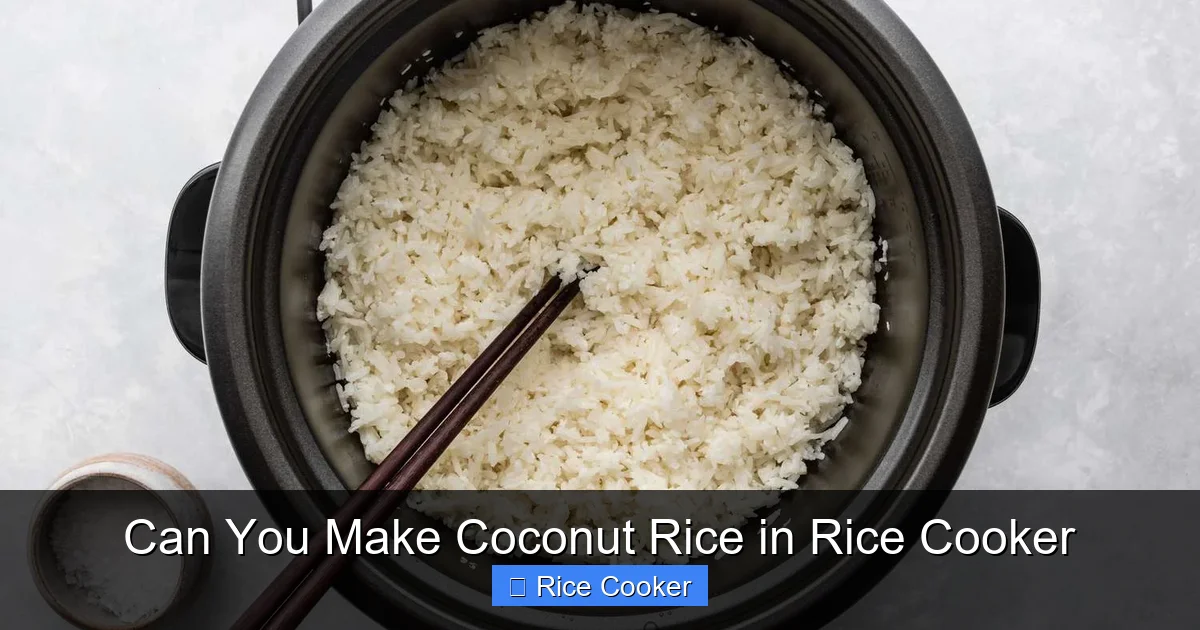
Making coconut rice in a rice cooker is not only possible—it’s easier than you think! With just a few simple ingredients like jasmine rice and coconut milk, you can create a fragrant, creamy dish in under 30 minutes. This method delivers consistent results every time, thanks to your rice cooker’s precise cooking control.
Key Takeaways
- Yes, you can make coconut rice in a rice cooker: It’s a foolproof way to achieve perfectly cooked, fluffy rice every time.
- Minimal ingredients are needed: Typically just rice, coconut milk, water, salt, and sometimes sugar or lime juice for flavor.
- Texture and aroma are enhanced: The rice cooker traps steam, giving the rice a rich, creamy texture and a subtle coconut fragrance.
- Customization is easy: Add herbs, spices, or even diced vegetables to turn it into a complete meal.
- Cleanup is simple: Most rice cookers have non-stick inner pots, making washing up a breeze.
- It pairs well with many cuisines: Ideal with Thai curries, grilled meats, or stir-fried vegetables.
- Saves time and effort: No constant stirring or watching required—just set it and forget it.
📑 Table of Contents
- Can You Make Coconut Rice in Rice Cooker?
- The Basics of Coconut Rice
- Step-by-Step Guide to Making Coconut Rice in Your Rice Cooker
- Tips for Perfect Coconut Rice Every Time
- Creative Ways to Serve and Enjoy Coconut Rice
- Cleaning and Maintaining Your Rice Cooker
- Frequently Asked Questions About Coconut Rice in a Rice Cooker
- Conclusion
Can You Make Coconut Rice in Rice Cooker?
Imagine this: it’s a quiet Tuesday evening, and you’re craving something warm, comforting, and slightly exotic. Maybe you’ve got some leftover curry from last night, or perhaps you’re hosting a small dinner party and want to impress without spending hours in the kitchen. Enter coconut rice—a dish that brings a tropical flair to any table, with its creamy texture and delicate coconut aroma. But here’s the best part: you don’t need a special appliance or complicated steps. With just your trusty rice cooker, you can make restaurant-quality coconut rice in under 30 minutes.
You might be wondering—can you really make coconut rice in a rice cooker? The short answer is yes, absolutely. In fact, using a rice cooker might be the easiest and most reliable method out there. Unlike stovetop cooking, where you have to keep an eye on the rice to avoid burning or sticking, a rice cooker does all the work for you. It measures the right amount of liquid, maintains consistent heat, and shuts off automatically when the job is done. That means no more guessing games or constant stirring. Plus, the result? Fluffy, aromatic grains every single time.
Coconut rice isn’t just a side dish—it’s a flavor experience. Whether you’re serving it with Thai green curry, grilled chicken, or even a vegetarian stir-fry, it adds richness and depth that elevates the whole meal. And because rice cookers are so versatile, you can easily adapt the recipe to suit your taste. Want it sweeter? Add a touch of sugar. Prefer a tangy kick? A splash of lime juice works wonders. The beauty of this method lies in its simplicity and flexibility.
The Basics of Coconut Rice
Before we dive into the how-to, let’s talk about what makes coconut rice so special. At its core, it’s simply rice cooked in coconut milk instead of water. But that one ingredient swap changes everything—texture, aroma, and flavor. Traditional coconut rice often uses long-grain varieties like jasmine or basmati, which stay separate and fluffy even after absorbing the rich coconut cream. The fat in the coconut milk coats each grain, giving it a velvety mouthfeel and a subtle sweetness that balances savory dishes perfectly.
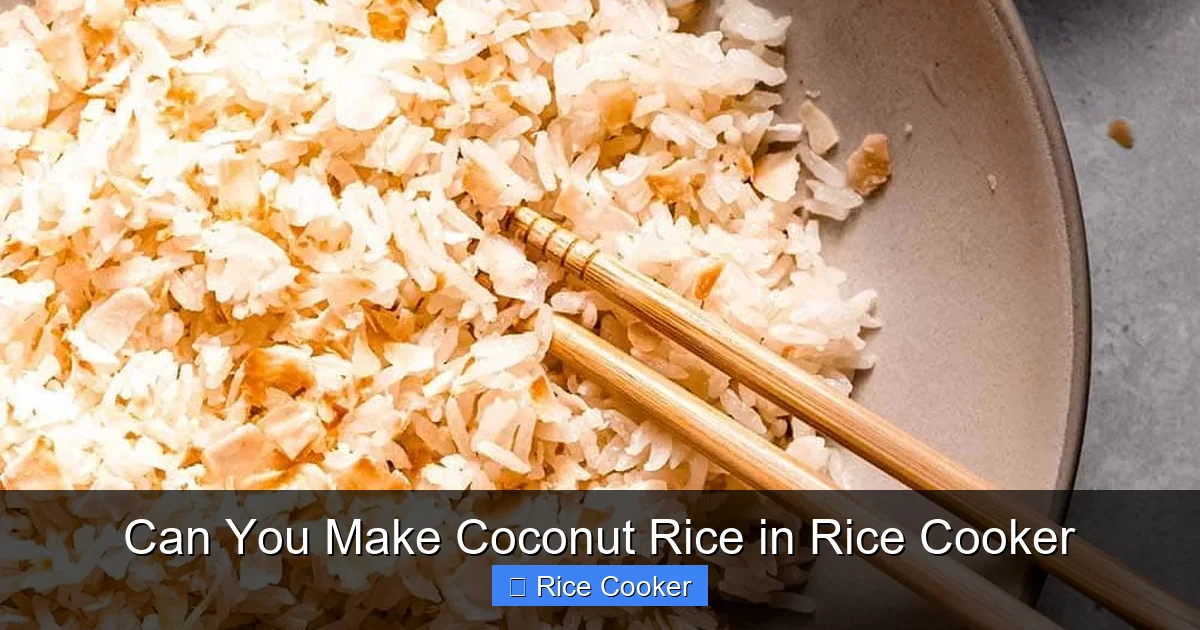
Visual guide about Can You Make Coconut Rice in Rice Cooker
Image source: platingsandpairings.com
Why Use Coconut Milk?
Coconut milk is the star of the show here. There are two main types: thick (full-fat) and thin (light). For coconut rice, you’ll want the thick kind—it provides enough fat to infuse the rice with flavor and keeps it moist. Thin coconut milk won’t give you that creamy richness, and too much water can dilute the taste. If you only have light coconut milk on hand, you can mix it with water in a 1:1 ratio, but the result will be less intense.
Choosing the Right Rice
Not all rice is created equal when it comes to coconut rice. Jasmine rice is the classic choice because it has a natural floral aroma and sticks together just enough to hold its shape while remaining light. Basmati is another great option—it’s less sticky and pairs beautifully with spicy curries. Avoid instant or short-grain rice like sushi or arborio, as they tend to become mushy when cooked in coconut milk.
Essential Ingredients
- Rice: 1 cup long-grain (jasmine recommended)
- Coconut milk: ¾ to 1 cup (use thick, canned full-fat)
- Water: ½ cup (adjust based on rice type and desired consistency)
- Salt: Pinch (to enhance flavor)
- Optional: Sugar, lime zest, pandan leaves, or cardamom for extra flavor
Step-by-Step Guide to Making Coconut Rice in Your Rice Cooker
Now that you know the basics, let’s walk through the process. Don’t worry—it’s simpler than it sounds. In fact, once you try it, you’ll wonder why you ever cooked rice any other way.
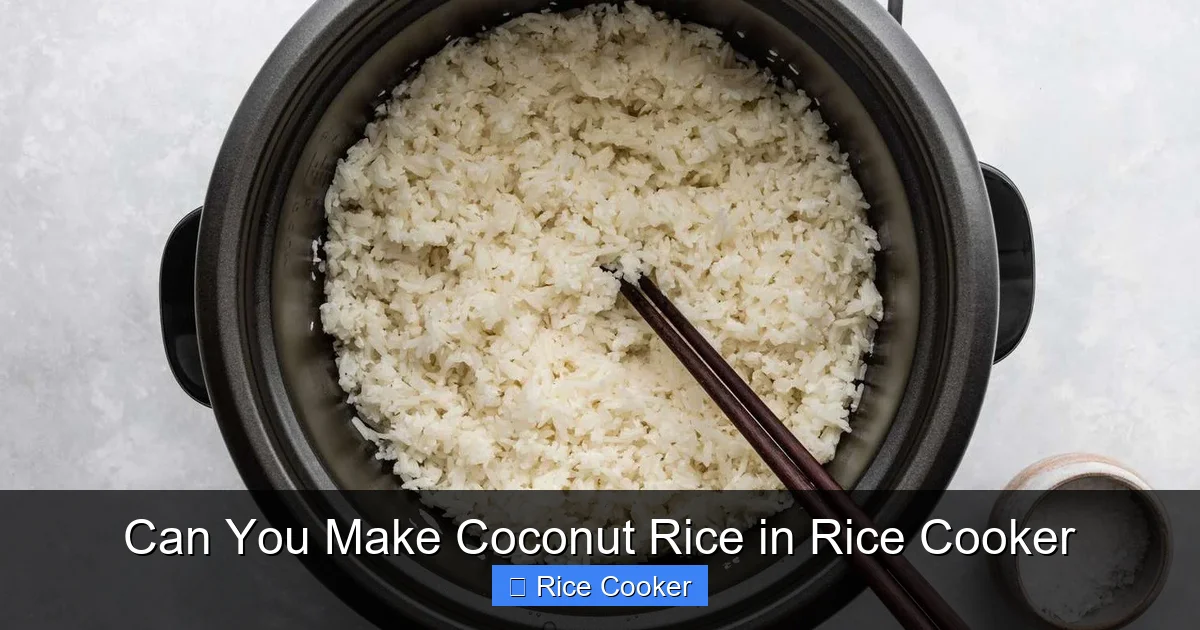
Visual guide about Can You Make Coconut Rice in Rice Cooker
Image source: cafesiam.com.hk
1. Rinse the Rice
Start by rinsing your rice under cold water until the water runs clear. This removes excess starch, which prevents the grains from clumping. Place the rinsed rice in the inner pot of your rice cooker and give it a quick stir to ensure even distribution.
2. Add Coconut Milk and Water
Measure out your coconut milk and water. For most rice cookers, a ratio of 1:1 (rice to liquid) works well, but since coconut milk is denser than water, you may only need half as much. A good starting point is ¾ cup coconut milk + ½ cup water for 1 cup of rice. Always err on the side of slightly less liquid—you can always add more if needed, but too much will make the rice soggy.
3. Season and Stir
Add a pinch of salt (and optional sugar or spice), then gently stir everything together. Be careful not to mash the rice—just mix lightly so the flavors blend evenly.
4. Start Cooking
Close the lid and press the “Cook” button. Most modern rice cookers have a specific mode for brown rice or porridge, but regular white rice works fine here. If yours has a “Coconut” setting, use that—but it’s not necessary. Let the machine do its thing. Once it switches to “Keep Warm,” your rice is ready in about 20–25 minutes.
5. Let It Rest
This step is crucial! Turn off the rice cooker and let the rice sit, covered, for 5–10 minutes. This allows the grains to absorb any remaining liquid and ensures maximum fluffiness. After resting, fluff the rice with a fork before serving.
Troubleshooting Common Issues
- Rice is too dry: Add 1–2 tablespoons of hot water, cover, and let sit for 5 minutes.
- Rice is too wet: Scoop out some extra rice, cover, and let steam dry for 5–10 minutes.
- Rice is gummy: Too much liquid or overcooking. Next time, reduce water slightly and avoid opening the lid during cooking.
- Not enough coconut flavor: Use more coconut milk or add a splash of coconut extract after cooking.
Tips for Perfect Coconut Rice Every Time
Even though rice cookers simplify cooking, a few smart tricks can take your coconut rice from good to exceptional. These tips come straight from home cooks who’ve mastered the art.
Use Freshly Opened Coconut Milk
Always shake the can well before opening—the cream rises to the top and needs to be mixed back in for consistent flavor and texture. If you notice separation, stir vigorously before measuring.
Toast the Rice First (Optional)
For deeper flavor, toast the rinsed rice in a dry pan for 2–3 minutes before adding liquids. This enhances nuttiness and helps prevent sticking. Just be sure to transfer it to the rice cooker immediately—no need to cook it through.
Experiment with Aromatics
Pandan leaves (available in Asian markets or online) lend a sweet, floral note that complements coconut beautifully. Tie 2–3 leaves in cheesecloth and add them to the cooker. Similarly, a pinch of cardamom or a slice of fresh ginger boosts complexity without overwhelming the dish.
Adjust Sweetness to Taste
Some people love a hint of sweetness in their coconut rice—especially when served with spicy food. Start with 1 teaspoon of sugar per cup of rice, and adjust to your preference. Brown sugar adds a richer taste than white.
Make It Ahead
Coconut rice stores well! Refrigerate in an airtight container for up to 3 days. Reheat in the microwave with a splash of water to restore moisture, or warm it in a saucepan over low heat while stirring occasionally.
Creative Ways to Serve and Enjoy Coconut Rice
Once your rice cooker has worked its magic, the real fun begins: figuring out how to serve it. Coconut rice is incredibly versatile—it shines as a side dish, a base for bowls, or even as a dessert alternative.
Pairings That Work Wonders
- Thai Green Curry: The creamy base of the curry melds perfectly with the mild sweetness of the rice.
- Grilled Fish or Shrimp: Light and flaky seafood gets elevated by the rich texture of coconut rice.
- Veggie Stir-Fry: Adds a satisfying contrast between crispy vegetables and soft grains.
- Mango Sticky Rice (Dessert Version): Swap sugar for mashed ripe mango and serve chilled for a tropical treat.
Bowl Ideas
Turn your coconut rice into a hearty bowl by topping it with roasted sweet potatoes, black beans, avocado, and a drizzle of peanut sauce. It’s a balanced, plant-based meal that feels gourmet but takes only minutes to assemble.
Global Twists
- Indian Coconut Chutney Rice: Mix cooked rice with chopped cilantro, grated coconut, and a squeeze of lemon.
- Japanese Coconut Gohan: Add diced mushrooms and carrots to the rice cooker along with the rice for a one-pot meal.
- Mexican Coconut Rice Salad: Cool the rice, toss with corn, cherry tomatoes, lime juice, and cotija cheese.
Cleaning and Maintaining Your Rice Cooker
One of the biggest perks of using a rice cooker is how easy it is to clean. Most models come with removable, non-stick inner pots that go straight into the dishwasher (check your manual first). Just rinse off any stuck-on bits while still warm—never scrape aggressively, as this can damage the coating.
After each use, wipe the exterior with a damp cloth and store the inner pot upside down to prevent dust buildup. Regular maintenance ensures your rice cooker lasts for years and continues to deliver perfect results.
Frequently Asked Questions About Coconut Rice in a Rice Cooker
How long does it take to make coconut rice in a rice cooker?
About 20–25 minutes for cooking, plus 5–10 minutes of resting. Total time: under 30 minutes. The exact duration depends on your rice cooker model and rice variety.
Can I use brown rice instead of white rice?
Yes, but it will take longer to cook—usually 45–50 minutes. Brown rice also absorbs more liquid, so increase water slightly and consider soaking it beforehand.
Do I need to drain canned coconut milk?
Nope. Full-fat canned coconut milk already includes both water and cream—just measure it directly from the can after shaking well.
Can I make coconut rice without dairy?
Absolutely! Coconut milk is naturally dairy-free, making this dish ideal for vegans or those avoiding lactose.
Is coconut rice healthy?
Moderately. It’s higher in calories and fat due to coconut milk, but it provides fiber, carbs, and small amounts of protein. Pair it with lean proteins and veggies for a balanced meal.
Can I freeze coconut rice?
Yes! Portion it into freezer-safe containers and store for up to 2 months. Thaw overnight in the fridge and reheat gently.
Conclusion
So, can you make coconut rice in a rice cooker? Without a doubt—yes, and it might just become your new favorite way to cook rice. This method combines convenience, consistency, and incredible flavor in one compact appliance. Whether you’re feeding a family, prepping for a dinner party, or just craving something comforting, this dish delivers every time.
What sets this approach apart is its simplicity. No special skills, no fancy equipment beyond what you likely already own. Just rice, coconut milk, water, and a pinch of salt—plus a little creativity if you feel like experimenting. And because rice cookers handle everything automatically, you get restaurant-quality results without the stress.
Next time you’re looking for a quick, flavorful side or a complete meal, reach for your rice cooker and give coconut rice a try. You’ll be amazed at how such a small change—using coconut milk instead of water—can transform ordinary grains into something truly extraordinary. Happy cooking!
Frequently Asked Questions
How long does it take to make coconut rice in a rice cooker?
About 20–25 minutes for cooking, plus 5–10 minutes of resting. Total time: under 30 minutes. The exact duration depends on your rice cooker model and rice variety.
Can I use brown rice instead of white rice?
Yes, but it will take longer to cook—usually 45–50 minutes. Brown rice also absorbs more liquid, so increase water slightly and consider soaking it beforehand.
Do I need to drain canned coconut milk?
Nope. Full-fat canned coconut milk already includes both water and cream—just measure it directly from the can after shaking well.
Can I make coconut rice without dairy?
Absolutely! Coconut milk is naturally dairy-free, making this dish ideal for vegans or those avoiding lactose.
Is coconut rice healthy?
Moderately. It’s higher in calories and fat due to coconut milk, but it provides fiber, carbs, and small amounts of protein. Pair it with lean proteins and veggies for a balanced meal.
Can I freeze coconut rice?
Yes! Portion it into freezer-safe containers and store for up to 2 months. Thaw overnight in the fridge and reheat gently.