
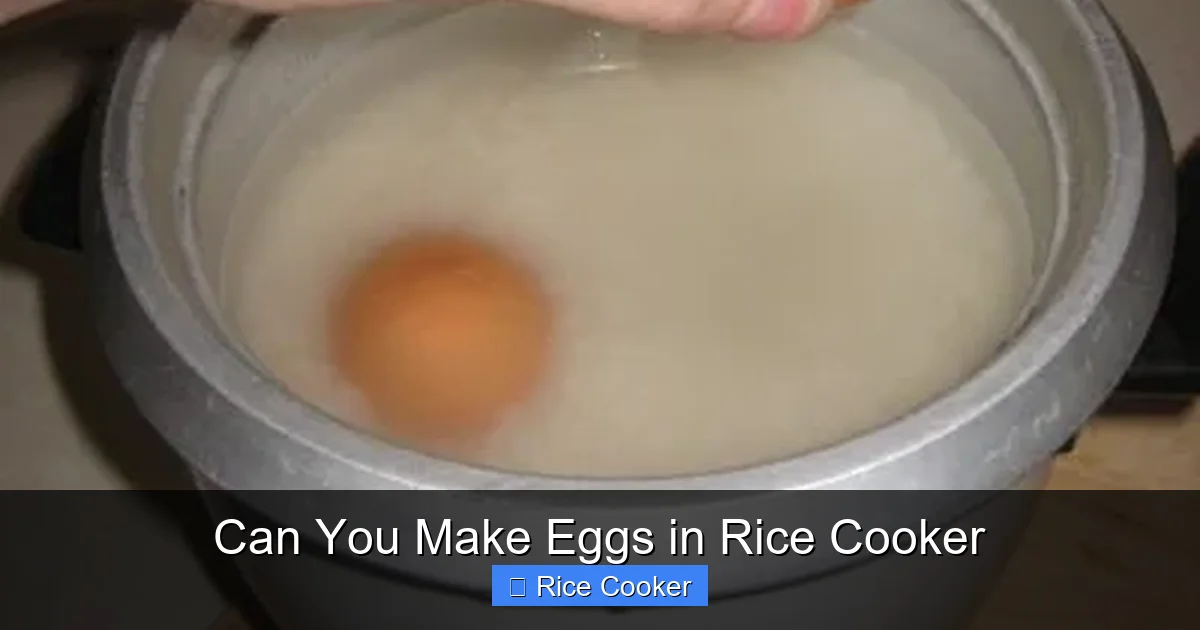
You can definitely make eggs in a rice cooker, and it’s easier than you think! This versatile kitchen gadget isn’t just for grains—it’s a secret weapon for quick, hands-off egg dishes like fluffy scrambled eggs, soft-boiled eggs, and even fluffy omelets. With the right technique and a little prep, you’ll be whipping up restaurant-quality breakfasts with zero babysitting.
Key Takeaways
- Yes, eggs work great in a rice cooker. With proper timing and setup, you can cook eggs perfectly without watching the stove.
- Scrambled eggs are the easiest option. Whisk eggs with milk or cream, pour into a greased insert, and cook on the “Keep Warm” setting for fluffy results.
- Soft-boiled eggs are simple too. Add water to the inner pot, place an egg in a ramekin, and cook for about 6–8 minutes until the yolk is creamy.
- Omelets require a bit more attention. Use a heat-safe dish inside the rice cooker and monitor closely to avoid overcooking.
- Cooking times vary by model. Always check your manual and adjust based on whether your rice cooker has a timer or not.
- Cleanup is a breeze. Use silicone liners or parchment paper to prevent sticking and make washing up fast.
- Experiment with flavors. Add cheese, herbs, spinach, or diced vegetables for elevated breakfast bowls.
📑 Table of Contents
- Can You Make Eggs in a Rice Cooker? Absolutely—and It’s Genius!
- The Science Behind Cooking Eggs in a Rice Cooker
- Best Types of Eggs You Can Make in a Rice Cooker
- Step-by-Step Guide: How to Make Perfect Scrambled Eggs in a Rice Cooker
- Advanced Techniques: Beyond Basic Scrambling
- Common Mistakes and How to Avoid Them
- Creative Flavor Twists: Elevate Your Breakfast
- Cleaning and Maintenance Tips
- Frequently Asked Questions About Making Eggs in a Rice Cooker
- Final Thoughts: Why Every Kitchen Needs This Hack
Can You Make Eggs in a Rice Cooker? Absolutely—and It’s Genius!
Have you ever stood over a hot stovetop, stirring eggs while trying to fry bacon and toast bread all at once? If so, you know how stressful breakfast prep can get. But what if I told you there’s a way to skip the constant stirring, the risk of overcooking, and the messy cleanup? Enter the humble rice cooker—your new best friend for breakfast (and beyond)!
Yes, you read that right: you can make eggs in a rice cooker. And no, this isn’t some experimental culinary hack—it’s a practical, efficient method that works surprisingly well. Whether you’re scrambling, boiling, or even baking eggs, your rice cooker can do it all with minimal effort. In fact, many people don’t realize how versatile their appliance truly is. From fluffy oatmeal to steamed dumplings, the rice cooker is quietly becoming the ultimate multitasker in modern kitchens.
In this article, we’ll walk through everything you need to know about making eggs in a rice cooker—from basic scrambled eggs to more advanced recipes like soufflé-style omelets and poached egg cups. We’ll cover safety tips, timing tricks, ingredient hacks, and even how to clean up afterward. By the end, you’ll be ready to ditch the pan and embrace your rice cooker like a pro.
The Science Behind Cooking Eggs in a Rice Cooker
Before diving into recipes, let’s talk about why this method works so well. Rice cookers operate using consistent low-and-slow heat, which mimics gentle steaming rather than direct flame. This indirect heat prevents eggs from curdling or rubberizing—something that often happens when you rush them on the stovetop.
Visual guide about Can You Make Eggs in Rice Cooker
Image source: adayinthekitchen.com
How Heat Transfer Affects Egg Texture
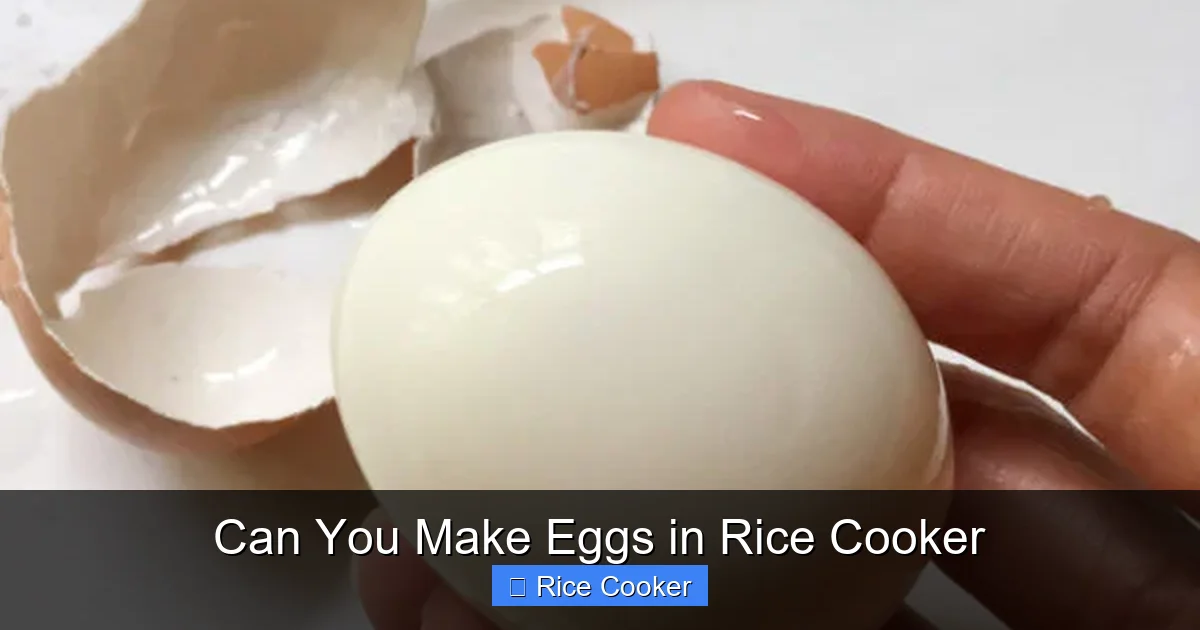
Eggs are made mostly of protein, and proteins denature (unfold) when exposed to heat. Too much heat too quickly causes them to clump together into a tough, rubbery mess. But in a rice cooker, the steady, moist heat allows proteins to gently coagulate, resulting in tender, creamy textures. Think of it like cooking an egg over a simmering pot versus blasting it with high heat—the difference is night and day.
Moisture Is Key
Rice cookers naturally produce steam, especially if you add a small amount of water or broth. That moisture helps keep eggs moist and prevents them from drying out. For dry-heat methods like baking or roasting eggs, you’ll need to control the environment carefully—but for most everyday egg dishes, moisture is your friend.
Timing Matters More Than Temperature
Unlike traditional cooking, where temperature is king, rice cookers rely heavily on timing. Since they don’t get hotter than “warm,” the magic lies in how long you let the eggs sit. Overcooking is the #1 enemy here—so set a timer and resist the urge to peek too often.
Best Types of Eggs You Can Make in a Rice Cooker
Not every egg dish translates equally well to your rice cooker, but several classics shine. Here’s a breakdown of the most successful options:
Visual guide about Can You Make Eggs in Rice Cooker
Image source: ricearray.org
1. Fluffy Scrambled Eggs
This is probably the easiest and most popular way to use your rice cooker for eggs. All you need is whisked eggs, a splash of milk or cream, salt, pepper, and a little butter or oil. Pour the mixture into a greased ceramic insert, close the lid, and select the “Keep Warm” setting. Let it sit for 5–7 minutes, then fluff with a fork. The result? Light, airy, restaurant-quality scrambled eggs with no babysitting required.
2. Soft-Boiled Eggs
If you love runny yolks but hate waiting for water to boil, try this method. Fill the inner pot with about 1 inch of water, bring to a simmer, gently crack one egg into a small ramekin or heat-safe cup, and slide it into the water. Cover and cook for 6–8 minutes depending on how soft you like your yolk. No need to stir—just watch the clock!
3. Poached Egg Cups
Want perfectly shaped poached eggs without the swirling water bath? Line a muffin tin with parchment paper cups, fill each with beaten egg, sprinkle with salt and herbs, and bake in your rice cooker for 8–10 minutes at “Cook” mode (use the rice setting if available). The result is tender, custardy eggs ideal for brunch boards or avocado toast.
4. Omelets and Frittatas
While trickier due to browning needs, you can make mini frittatas in a rice cooker. Whisk eggs with diced veggies, cheese, and seasonings, pour into ramekins, and cook on “Cook” mode for 10–12 minutes. Just remember: no direct high heat means less Maillard reaction, so expect softer edges instead of crispy ones.
5. Baked Eggs in Ramekins
Perfect for meal prep! Crack eggs into individual ramekins, top with spinach, cherry tomatoes, feta, or anything else you fancy, and cook on “Cook” mode for 8–10 minutes. These stay warm for hours and reheat beautifully.
Step-by-Step Guide: How to Make Perfect Scrambled Eggs in a Rice Cooker
Let’s start simple. Follow these steps for foolproof, fluffy scrambled eggs every time:
- Gather your ingredients: 2–3 large eggs, 1 tbsp milk or cream, pinch of salt, dash of pepper, 1 tsp butter or oil.
- Whisk thoroughly: Beat eggs in a bowl until fully blended—don’t worry about lumps. Add milk/cream for extra creaminess.
- Prepare the insert: Rub the non-stick inner pot with butter or grease lightly. Pour in the egg mixture.
- Close the lid: Turn on your rice cooker and select “Keep Warm” or “Cook” mode (if available). Let it run for 5–7 minutes.
- Fluff immediately: Open the lid, gently fold the eggs with a fork or spatula. Serve hot!
Pro tip: Don’t overmix—just fold gently to maintain airiness. Also, avoid using metal utensils that could scratch the coating.
Advanced Techniques: Beyond Basic Scrambling
Once you’ve mastered the basics, it’s time to level up. Your rice cooker can handle more ambitious egg dishes with a few tweaks.
Baked Egg Cups with Veggies and Cheese
These are great for meal prep or quick lunches. Here’s how:
- Dice onions, bell peppers, mushrooms, and spinach.
- Sauté briefly in a pan or microwave until softened (optional, but adds flavor).
- Layer veggies and shredded cheese in ramekins.
- Pour beaten eggs over the top (about 1/2 cup per ramekin).
- Place in rice cooker insert, cover, and cook on “Cook” mode for 10–12 minutes.
- Top with fresh basil or chives before serving.
Soufflé-Style Omelet (for the adventurous)
Want a light, puffed-up omelet? Try this:
- Whisk 3 eggs with 2 tbsp milk, pinch of nutmeg, and salt.
- Add sautéed mushrooms and Gruyère cheese.
- Pour into a greased ceramic insert lined with parchment.
- Cook on “Cook” mode for 12–15 minutes until risen and golden.
- Serve immediately—it won’t puff again once cooled!
Note: This requires careful timing. If your rice cooker doesn’t have a timer, use an oven mitt to lift the lid and check progress halfway through.
Common Mistakes and How to Avoid Them
Even experienced cooks stumble sometimes. Here are the most common pitfalls and how to fix them:
Mistake #1: Using the Wrong Insert
The problem: Metal pots can warp or scratch. Ceramic inserts are usually safe but may retain heat unevenly.
The solution: Always use the original non-stick insert or line it with parchment paper to prevent sticking.
Mistake #2: Overfilling the Pot
The problem: Too much liquid can dilute flavors or cause overflow.
The solution: Stick to 2–3 eggs per batch unless using ramekins.
Mistake #3: Peeking Too Often
The problem: Opening the lid releases steam and slows cooking.
The solution: Set a timer and only open once at the end.
Mistake #4: Ignoring Model Differences
The problem: Some rice cookers have timers; others don’t.
The solution: Check your manual. If no timer, estimate based on previous rice cooker experiences (e.g., white rice takes ~25 mins, so eggs might take half that time).
Creative Flavor Twists: Elevate Your Breakfast
Eggs are delicious on their own, but adding bold flavors makes them unforgettable. Try these ideas:
- Mexican-style: Add salsa, black beans, corn, cumin, and cilantro.
- Italian-inspired: Mix in sun-dried tomatoes, pesto, and mozzarella.
- Asian fusion: Stir in soy sauce, green onions, sesame oil, and diced ham.
- Sweet option: Top with maple syrup, cinnamon, and sliced bananas for dessert-like eggs.
Remember: since rice cookers don’t brown food, focus on rich sauces and herbs to compensate for lack of caramelization.
Cleaning and Maintenance Tips
One of the biggest advantages of cooking eggs in a rice cooker is how easy it is to clean. Here’s how to keep your appliance sparkling:
- Use parchment or silicone liners to eliminate scrubbing.
- Soak the insert** in warm, soapy water immediately after use.
- Avoid abrasive sponges**—they can damage the non-stick coating.
- Wipe the exterior** with a damp cloth after each use.
- Store the lid upside down** to prevent dust buildup.
For stubborn egg residue, try soaking the insert overnight with vinegar—it loosens stuck-on bits safely.
Frequently Asked Questions About Making Eggs in a Rice Cooker
Do I really need to add water?
Not always. For scrambled eggs or baked eggs in ramekins, water isn’t necessary. But for soft-boiled or poached styles, a small amount of water helps regulate temperature and creates steam. Start with 1 inch and adjust as needed.
Can I use electric pressure cookers instead?
Yes! Many modern rice cookers double as pressure cookers. Just reduce cooking times significantly—eggs can go from raw to done in minutes under pressure. However, texture changes: they become denser and chewier than steam-cooked versions.
Will my eggs taste like rice?
Only if you’re cooking them right next to uncooked rice! To avoid cross-flavor contamination, use a separate insert or clean it thoroughly between uses. Alternatively, cook rice first, then switch modes for eggs.
What if my eggs come out rubbery?
That usually means overcooking. Try reducing time by 1–2 minutes next time. Also, ensure you’re not opening the lid too frequently—each peek drops internal temperature.
Can I cook multiple eggs at once?
Absolutely! Just use ramekins or divide evenly among containers. For scrambled eggs, spread thinly across the insert. For baked eggs, use individual cups for best results.
Is it safe to leave eggs in the “Keep Warm” setting all day?
Generally yes—rice cookers maintain temperatures around 190°F (88°C), which inhibits bacterial growth better than room temp. However, USDA recommends not keeping perishables above 40°F for more than 2 hours total. So while short-term is fine, longer storage should be refrigerated.
Final Thoughts: Why Every Kitchen Needs This Hack
Making eggs in a rice cooker isn’t just a clever trick—it’s a game-changer for busy mornings, meal prep warriors, and anyone who hates cleaning pans. It’s hands-off, energy-efficient, and produces consistently tender results every time. Plus, it opens up a whole world of creative possibilities beyond plain scrambled eggs.
Whether you’re feeding a family, prepping for work, or simply craving something comforting without the fuss, your rice cooker can deliver. So next time you reach for the frying pan, pause—consider whether your appliance might do the job even better. After all, why cook when you can cook smarter?
Now go ahead: grab your whisk, fire up that rice cooker, and treat yourself to the easiest, fluffiest eggs imaginable. Your future self will thank you!
Frequently Asked Questions
Do I really need to add water?
Not always. For scrambled eggs or baked eggs in ramekins, water isn’t necessary. But for soft-boiled or poached styles, a small amount of water helps regulate temperature and creates steam. Start with 1 inch and adjust as needed.
Can I use electric pressure cookers instead?
Yes! Many modern rice cookers double as pressure cookers. Just reduce cooking times significantly—eggs can go from raw to done in minutes under pressure. However, texture changes: they become denser and chewier than steam-cooked versions.
Will my eggs taste like rice?
Only if you’re cooking them right next to uncooked rice! To avoid cross-flavor contamination, use a separate insert or clean it thoroughly between uses. Alternatively, cook rice first, then switch modes for eggs.
What if my eggs come out rubbery?
That usually means overcooking. Try reducing time by 1–2 minutes next time. Also, ensure you’re not opening the lid too frequently—each peek drops internal temperature.
Can I cook multiple eggs at once?
Absolutely! Just use ramekins or divide evenly among containers. For scrambled eggs, spread thinly across the insert. For baked eggs, use individual cups for best results.
Is it safe to leave eggs in the “Keep Warm” setting all day?
Generally yes—rice cookers maintain temperatures around 190°F (88°C), which inhibits bacterial growth better than room temp. However, USDA recommends not keeping perishables above 40°F for more than 2 hours total. So while short-term is fine, longer storage should be refrigerated.