
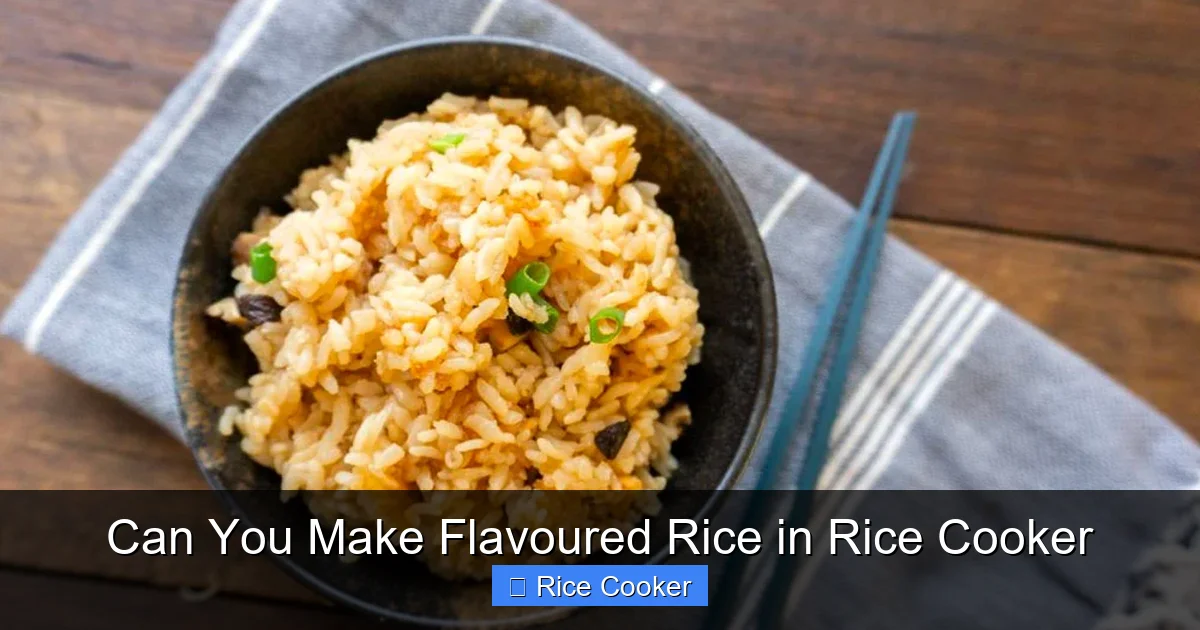
You don’t need a chef’s kitchen to enjoy delicious flavored rice. With just a rice cooker, some basic ingredients, and a little creativity, you can transform plain white or brown rice into bold, aromatic meals. From coconut-infused jasmine rice to savory herb basmati, the possibilities are endless. This guide walks you through everything you need—from simple seasoning hacks to advanced flavor combos—so you can make restaurant-quality rice at home, fast.
Key Takeaways
- Yes, you can make flavoured rice in a rice cooker—it’s simple, hands-off, and delivers consistent results every time.
- Use broth instead of water for deeper flavor, whether it’s chicken, vegetable, or mushroom.
- Add aromatics like garlic, ginger, or onions during sautéing or soaking to infuse subtle but rich taste.
- Try global flavors like turmeric for golden basmati, soy sauce for savory sushi-style rice, or curry powder for Indian-style pilaf.
- Sweet variations are easy too—add a splash of coconut milk, cinnamon stick, or a date for dessert rice.
- Don’t forget finishing touches like lime juice, fresh herbs, or sesame oil to brighten up your dish.
- Clean your rice cooker regularly to maintain performance and prevent off-flavors from buildup.
📑 Table of Contents
- Can You Make Flavoured Rice in Rice Cooker?
- The Science Behind Flavour Infusion in Rice Cookers
- Basic Techniques for Making Flavoured Rice
- Popular Global Flavours You Can Make
- Creative Ingredient Swaps and Flavor Hacks
- Common Mistakes and How to Avoid Them
- Tips for Perfect Every Time
- Special Diets and Dietary Needs
- Cleaning and Maintaining Your Rice Cooker
- Conclusion: Your Rice Cooker Is a Flavor Lab
Can You Make Flavoured Rice in Rice Cooker?
If you’ve ever looked at a pot of plain steamed rice and thought, “It needs more flavor,” you’re not alone. Plain rice is versatile, nutritious, and filling—but it’s also, well, plain. The good news? Your rice cooker isn’t just for making fluffy white grains. With a few clever tricks and ingredients, you can turn your everyday appliance into a flavor powerhouse. Yes, you absolutely can make flavoured rice in rice cooker, and today we’re diving deep into how, why, and what makes it work so well.
Think of your rice cooker as more than a kitchen gadget—it’s a flavor delivery system. Modern rice cookers come with settings like “brown rice,” “quick cook,” even “steam,” which means they’re designed to handle more than just boiling water and waiting. But beyond function, it’s the science of absorption that allows flavor to penetrate every grain. When you add liquids, spices, or aromatics, the heat gently draws them into the rice as it cooks. That’s why using broth instead of water, adding garlic or lemongrass, or simmering with coconut milk creates such rich, complex tastes.
In this complete guide, we’ll explore the easiest ways to elevate your rice from bland to bold—whether you’re craving something savory, sweet, spicy, or somewhere in between. We’ll cover basic techniques, ingredient pairings, recipe ideas, and even troubleshooting tips to ensure your next batch of flavored rice turns out perfectly. So grab your measuring cup, fire up that rice cooker, and let’s get cooking!
The Science Behind Flavour Infusion in Rice Cookers
Before we jump into recipes, it helps to understand how flavour actually gets into rice. Most people assume that flavour comes from the outside—like sprinkling spices on top—but that’s not quite right. Instead, flavour penetrates the grain through a process called absorption. As the rice absorbs liquid (whether water, broth, or coconut milk), it also takes in dissolved flavors from herbs, spices, and aromatics.
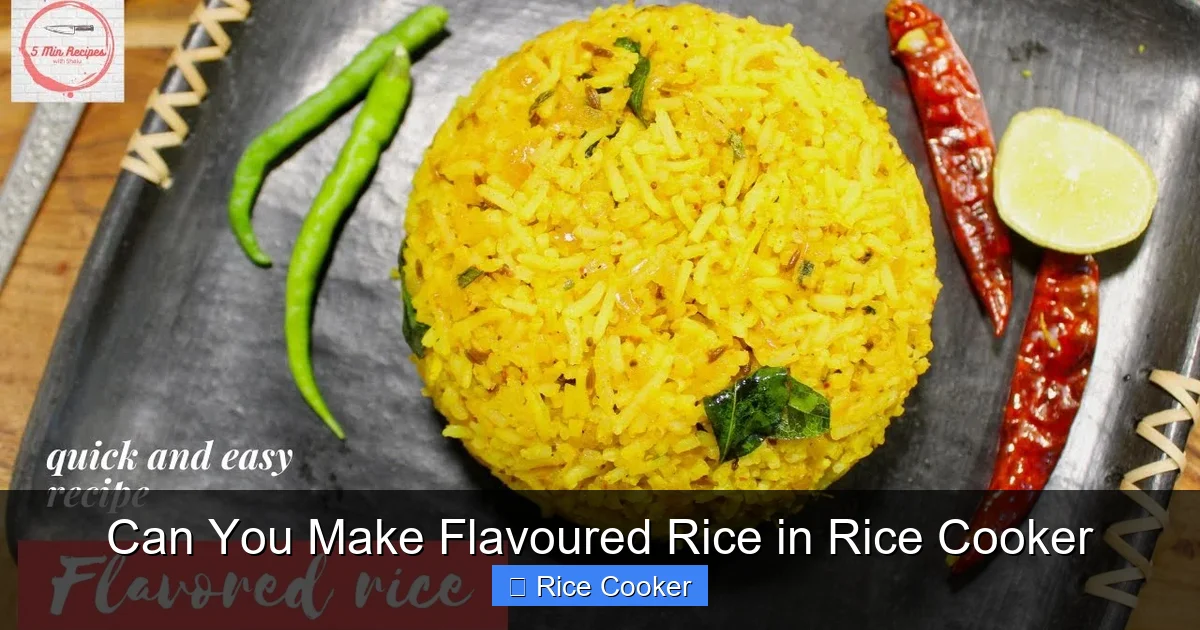
Visual guide about Can You Make Flavoured Rice in Rice Cooker
Image source: i.ytimg.com
How Absorption Works
Rice grains contain starch, and when heated with liquid, the starch gelatinizes, creating small pores that allow flavours to seep in. This is why soaking rice with garlic, onion, or bay leaves overnight can make a big difference. Even if you don’t soak, adding ingredients early in the cooking cycle ensures they have enough time to release their essence into the liquid, which then gets absorbed.
Why Broth Beats Water
One of the simplest yet most effective ways to add flavour is by using broth instead of water. Chicken, beef, or vegetable broth adds umami depth, while miso or tamari broth brings saltiness and complexity. Just keep in mind: broth may be saltier than water, so adjust seasoning after cooking.
The Role of Aromatics
Aromatics—like onions, garlic, ginger, or lemongrass—are flavor nuclei. When sautéed briefly in oil or butter before adding rice and liquid, they release essential oils that intensify taste. Some rice cookers have a “keep warm” function that lets you sauté first; otherwise, do this step on the stove before transferring everything to the cooker.
Cooking Time Matters
Longer cooking times allow more time for flavours to develop. Brown rice, for example, takes longer to absorb liquid and becomes softer, giving more opportunity for taste to permeate. White rice cooks faster but can still be deeply flavoured if prepared correctly.
Basic Techniques for Making Flavoured Rice
Ready to start? Here’s a simple step-by-step method you can use as a template for almost any flavored rice recipe:
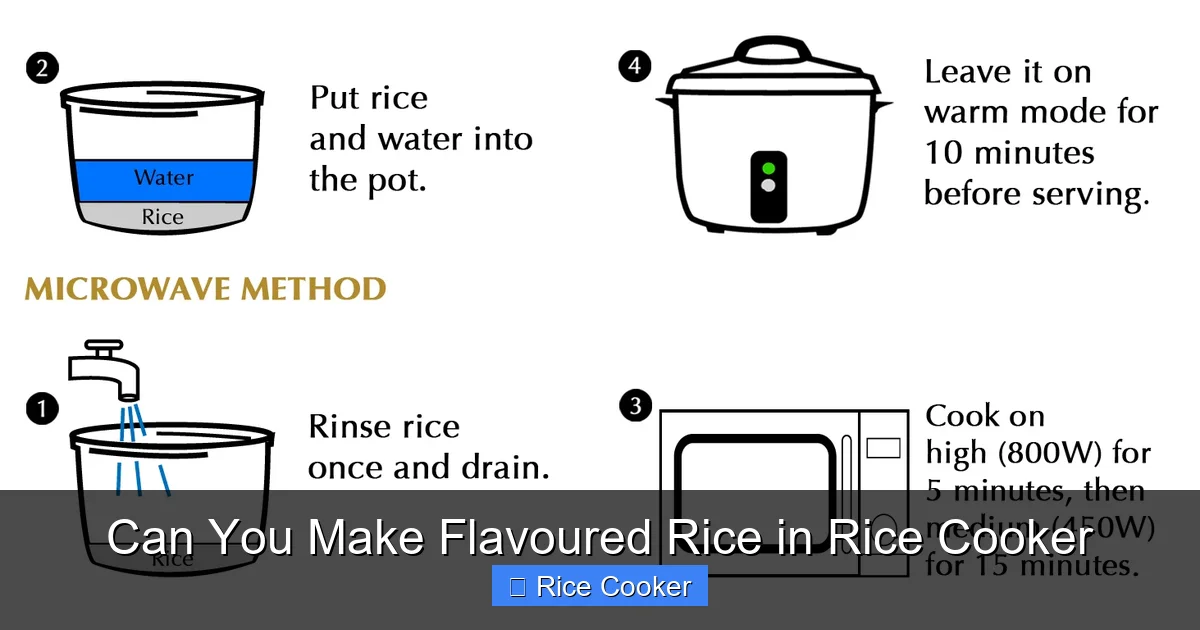
Visual guide about Can You Make Flavoured Rice in Rice Cooker
Image source: familychoice.com.ph
- Measure your rice and rinse it under cold water until the water runs clear (this removes excess starch and prevents gummy rice).
- Add aromatics—chop an onion, mince garlic, or slice ginger and toss them in.
- Use the right liquid: substitute half or all of the water with broth, coconut milk, or even apple cider for sweetness.
- Add a pinch of salt, pepper, or spice like turmeric, cumin, or smoked paprika.
- Place a bay leaf, star anise, or cinnamon stick in for subtle depth.
- Cook on standard setting, then let it rest for 5–10 minutes before fluffing.
This base method works for everything from savory pilafs to fragrant biryanis. Once you master it, you can experiment with different combinations.
Popular Global Flavours You Can Make
Different cultures have perfected the art of flavored rice, and many of those techniques translate beautifully to your rice cooker. Here are five popular styles and how to make them at home:
Indian Biryani-Style Basmati
Biryani is layered rice cooked with spices like cardamom, cloves, and saffron, often with meat or vegetables. While traditional biryani is cooked slowly over low heat (sometimes in a sealed pot), you can approximate its flavor in a rice cooker.
- Use long-grain basmati rice, soaked for 30 minutes.
- Toast whole spices (cumin seeds, coriander seeds) in a pan, grind into powder.
- Cook diced potatoes and onions with spices, then add rice, saffron-infused milk, and vegetable broth.
- Cover and cook until tender. Let rest, then mix gently before serving.
Thai Coconut Jasmine Rice
This creamy, slightly sweet rice pairs perfectly with curries and stir-fries.
- Use 1 cup jasmine rice + ½ cup coconut milk + ½ cup water.
- Add a pinch of salt, a cinnamon stick, and 2 kaffir lime leaves (if available).
- Cook until fluffy, then fluff with a fork and remove spices before serving.
Spanish Arroz con Leche (Rice Pudding)
For a sweet treat, try this comforting dessert version of rice.
- Combine 1 cup white rice, 4 cups whole milk, ½ cup sugar, ¼ tsp vanilla extract, and a cinnamon stick.
- Cook on standard setting, stirring occasionally (or use a slow-cook mode if your machine has one).
- Serve warm with a sprinkle of ground cinnamon.
Mexican Cilantro Lime Rice
A zesty side dish that wakes up tacos, burritos, or grilled meats.
- Replace half the water with chicken broth.
- Add finely chopped cilantro stems, 1 minced jalapeño, and zest of one lime.
- Cook rice, then stir in juice of one lime and chopped fresh cilantro before serving.
Japanese Sushi Rice with Soy Glaze
Perfect for homemade sushi rolls or bento boxes.
- Use short-grain sushi rice, rinsed until water is clear.
- Cook with equal parts rice vinegar, sugar, and soy sauce (mix before adding).
- After cooking, fold in a bit of furikake (Japanese seasoning) or sesame oil.
Creative Ingredient Swaps and Flavor Hacks
Want to take your flavored rice to the next level? Try these ingredient swaps and secret tricks:
- Instead of water, use beer or wine—beer adds maltiness, wine brings acidity and depth.
- Toast spices before adding—dry-toast cumin or mustard seeds in a pan, then grind and mix into your rice.
- Infuse liquids with herbs—simmer thyme, rosemary, or oregano in broth for 10 minutes before using.
- Add a splash of citrus zest—orange, lemon, or grapefruit zest brightens up savory rice.
- Use coffee or tea as liquid—black coffee makes great risotto-style rice, while green tea adds subtle earthiness.
- Mix in grated cheese at the end—parmesan or feta give richness, especially with white rice.
Common Mistakes and How to Avoid Them
Even with the best intentions, things can go wrong. Here’s how to troubleshoot common issues:
Rice Sticks Together
This usually happens when rice is overcooked or not rinsed properly. Always rinse long-grain rice thoroughly, and avoid opening the lid during cooking. If using broth, make sure it’s not too hot when added—cold liquid slows cooking.
Rice Is Too Dry or Mushy
Check the water-to-rice ratio. For flavored rice, use about 1.5 cups liquid per 1 cup rice. If your cooker tends to dry out, add a splash more liquid halfway through (if it has a steam vent).
Flavor Is Weak
Make sure aromatics are finely chopped or crushed. Also, let the rice rest after cooking—this helps flavors distribute evenly. Don’t skip the resting step!
Off-Tasting or Burned Rice
Clean your rice cooker regularly. Mineral deposits from hard water can cause burnt flavors. Use a soft brush and mild detergent to clean the inner pot weekly.
Tips for Perfect Every Time
Want consistent, delicious results? Follow these pro tips:
- Preheat the inner pot—lightly heat it before adding rice. This helps distribute heat evenly.
- Don’t lift the lid—each time you open it, steam escapes, affecting temperature and timing.
- Experiment with soaking—soak rice for 20–30 minutes before cooking for fluffier, more uniform grains.
- Use a timer—many rice cookers have a delay function. Prep everything ahead and start it while you cook dinner.
- Store leftovers properly—cool rice quickly, then refrigerate in an airtight container. Reheat with a splash of water or broth to restore moisture.
Special Diets and Dietary Needs
Flavored rice can be adapted for various dietary preferences:
Vegan and Vegetarian Options
Use vegetable broth, nutritional yeast (for cheesy notes), or marinated tofu. Add mushrooms or spinach for extra flavor and nutrition.
Gluten-Free
Most rice is naturally gluten-free, but always check labels on broths and seasonings. Tamari or coconut aminos work well instead of soy sauce.
Low-Sodium
Make your own low-sodium broth or use unsalted butter and flavor with herbs, citrus, and vinegar instead of salt.
Keto-Friendly
Use cauliflower rice or shirataki rice for low-carb options. Add cream cheese, butter, or heavy cream for richness without carbs.
Dairy-Free
Avoid cream-based recipes. Instead, use coconut milk, almond milk, or oat milk for creamy textures.
Cleaning and Maintaining Your Rice Cooker
A clean rice cooker = better-tasting rice. After each use:
- Unplug and let it cool completely.
- Wash the inner pot with warm, soapy water. Use a non-abrasive sponge.
- Wipe the exterior and lid with a damp cloth.
- Clean the heating plate with a soft brush or toothbrush to remove starch residue.
- Never submerge the main unit in water.
Deep clean monthly with a mixture of baking soda and water to remove odors and mineral buildup.
Conclusion: Your Rice Cooker Is a Flavor Lab
So, can you make flavoured rice in rice cooker? Absolutely. In fact, with the right techniques, you can create dishes that rival your favorite restaurant meals—without the hassle. Whether you’re whipping up a quick weeknight side or preparing a special dinner, your rice cooker is ready for the task. From savory broths and bold spices to sweet coconut desserts, the flavor possibilities are limited only by your imagination.
Remember: the key is consistency. Rinse your rice, use quality liquids, don’t rush the process, and always taste as you go. Once you get comfortable, you’ll find yourself reaching for the cooker more often—not just for rice, but for the joy of creating something delicious from simple ingredients.
Next time you open your rice cooker, think beyond plain white rice. Think garlic-ginger jasmine, turmeric-spiced basmati, or coconut-lime jasmine. Your taste buds will thank you, and so will your busy schedule. Happy cooking!
Frequently Asked Questions
Can I make flavored rice without a rice cooker?
Yes, you can make flavored rice on the stovetop using a pot and lid. Simmer rice with broth, spices, and aromatics, then cover and reduce heat to low. The process is similar, though stovetop cooking gives you more control over timing and texture.
Do I need special rice for flavored rice?
Not necessarily. Long-grain varieties like jasmine or basmati work well because they absorb flavors evenly and stay separate when cooked. Short-grain rice (like sushi rice) is also great for sticky, flavor-packed dishes.
How much liquid should I use for flavored rice?
Generally, use 1.5 to 2 cups of liquid per 1 cup of uncooked rice. Adjust based on the type of rice and desired texture. Broth, coconut milk, or wine count toward this total.
Can I add frozen vegetables to flavored rice?
Yes, but add them during the last 5–7 minutes of cooking. Frozen veggies can make the rice mushy if added too early, since they release water as they thaw.
Is it safe to reuse the same rice cooker pot for different types of rice?
Absolutely. Just clean it thoroughly after each use to prevent cross-contamination of flavors. A clean pot ensures consistent taste and hygiene.
How do I store leftover flavored rice?
Refrigerate in an airtight container for up to 5 days. Reheat with a splash of water or broth to restore moisture. For longer storage, freeze in portions for up to 3 months.