
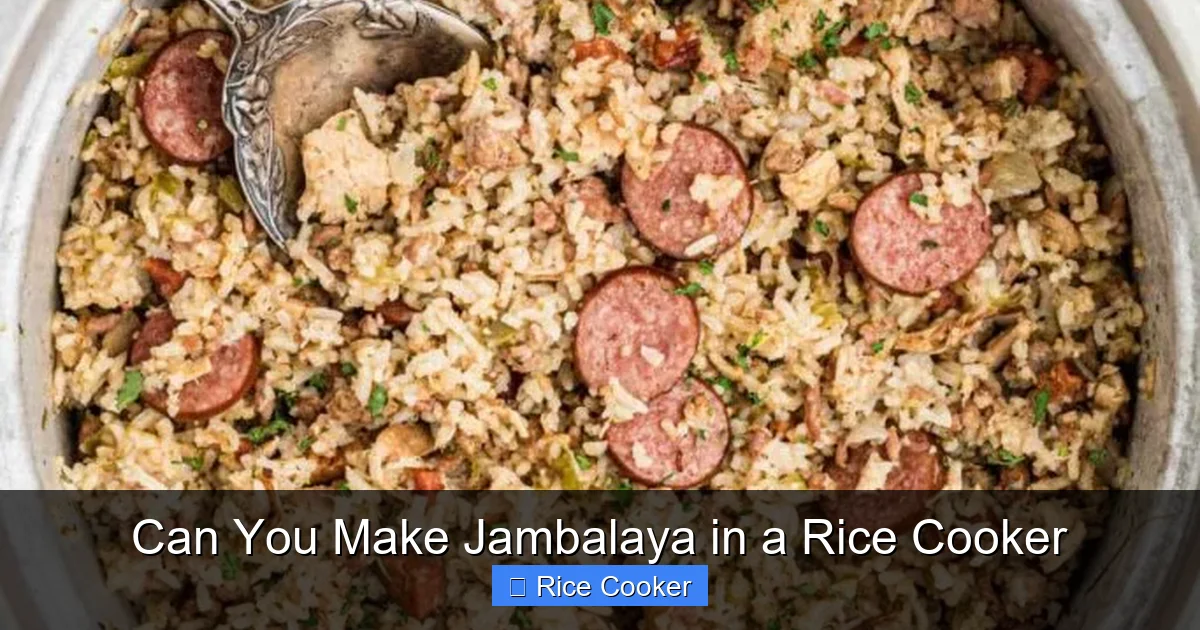
Making jambalaya in a rice cooker is not only possible—it’s easier than you think! This traditional Cajun dish combines rice, proteins, and vegetables in one pot, and your rice cooker handles all the work. With the right ingredients and timing, you’ll get tender grains, bold flavors, and zero cleanup stress.
Key Takeaways
- Yes, it works: A standard rice cooker can cook jambalaya perfectly using the basic cooking cycle.
- Use long-grain rice: Jasmine, basmati, or converted rice are ideal because they absorb liquid well and stay separate.
- Layer flavors early: Sauté onions, bell peppers, and celery (the holy trinity) at the start for authentic depth.
- Add protein mid-cook: Chicken, sausage, shrimp, or crawfish should go in after the rice but before the broth.
- Don’t skip the roux: Browning flour and oil creates richness—skip this, and your jambalaya loses its soul.
- Check consistency: If too dry after cooking, add broth gradually; if too wet, vent the lid slightly next time.
- Serve immediately: Jambalaya tastes best hot out of the cooker, garnished with green onions or parsley.
📑 Table of Contents
- Can You Make Jambalaya in a Rice Cooker?
- Why Use a Rice Cooker for Jambalaya?
- Choosing the Right Rice Cooker for Jambalaya
- Essential Ingredients & Prep Tips
- Step-by-Step: Making Jambalaya in Your Rice Cooker
- Troubleshooting Common Issues
- Variations & Substitutions
- Final Thoughts: Why This Method Wins
Can You Make Jambalaya in a Rice Cooker?
There’s something deeply comforting about jambalaya—a hearty, one-pot meal born from Louisiana’s Creole and Cajun traditions. It’s packed with smoky sausage, tender chicken, plump shrimp, and fragrant rice swimming in a rich tomato-based broth. Traditionally cooked over an open flame or on a stovetop, jambalaya usually requires careful attention to prevent burning or undercooking. But what if you could make this iconic dish with the same convenience as your morning oatmeal?
Enter: the humble rice cooker.
You might be surprised to learn that yes—you absolutely **can make jambalaya in a rice cooker**. In fact, many home cooks swear by this method for its simplicity, consistency, and hands-off approach. No more babysitting a simmering pot or scraping burnt bits off the bottom. Just prep your ingredients, toss them into the cooker, press a button, and walk away. When it’s done, you’ve got a restaurant-quality meal with minimal cleanup.
Of course, there are nuances. Unlike plain white rice, jambalaya needs layers of flavor—starting with a roux, building with aromatics, and finishing with proteins and seasonings. The challenge isn’t whether your rice cooker can handle it; it’s mastering the technique so every bite bursts with spice, smokiness, and soul.
In this guide, we’ll walk through everything you need to know: which rice cooker models work best, how to prep each component, timing secrets, ingredient swaps, and pro tips to elevate your dish. Whether you’re a first-time jambalayi maker or just looking to simplify your routine, this method will change the way you think about “one-pot” cooking.
Why Use a Rice Cooker for Jambalaya?
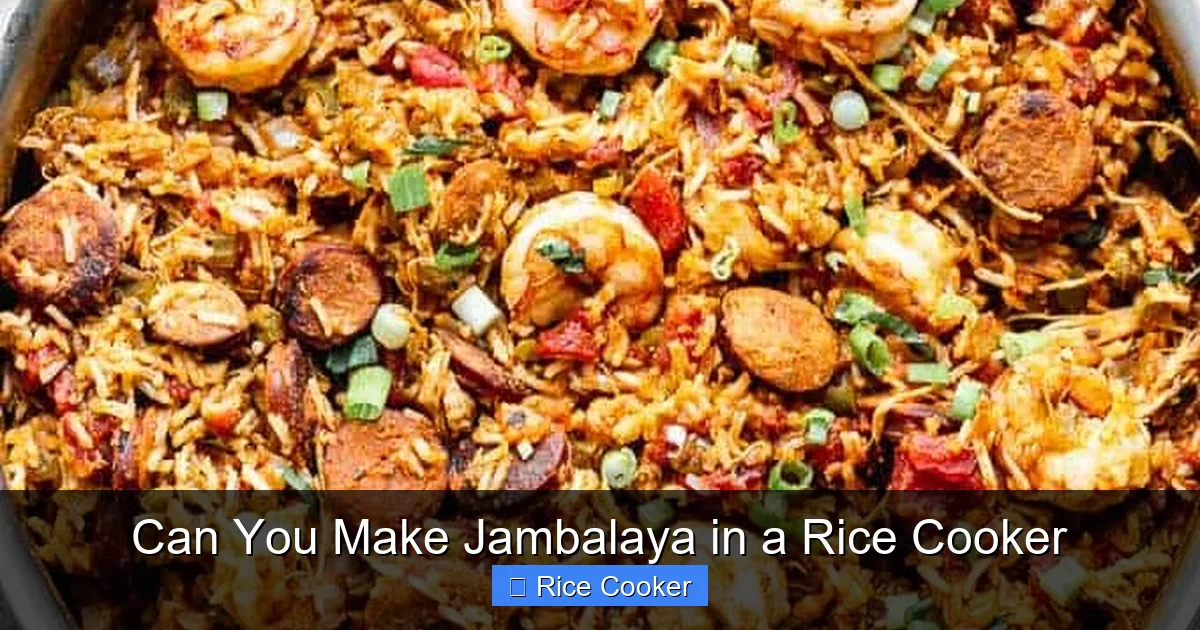
Visual guide about Can You Make Jambalaya in a Rice Cooker
Image source: therecipecritic.com
Let’s face it—jambalaya sounds intimidating. Roux? Check. Holy trinity sauté? Check. Balancing liquids and grains without turning into glue? Triple check. But here’s the truth: your rice cooker isn’t just for boring white rice. Modern appliances—especially newer models with fuzzy logic or induction heating—are precision machines capable of handling complex recipes like jambalaya with ease.
First, consider the advantages:
– **Consistent Results**: Every batch turns out nearly identical—no more guessing if the rice is dry or mushy.
– **Hands-Off Cooking**: Set it and forget it. Ideal for busy weekdays or when you want to multitask.
– **Less Cleanup**: One pot means fewer dishes. Win-win.
– **Energy Efficient**: Rice cookers use less power than stovetops and don’t require constant monitoring.
– **Perfect Texture**: Long-grain rice cooked properly absorbs liquid evenly, staying fluffy instead of clumpy.
Now, some purists argue that true jambalaya must be made on the stove to develop crust (or *fond*) at the bottom—a caramelized layer that adds incredible flavor. While that’s valid, modern rice cookers often have a “keep warm” function that gently reheats leftovers without drying them out. And honestly? For most home cooks, the difference between stove-top and rice cooker jambalaya is subtle at best. The real magic lies in your ingredients and technique—not the appliance.
That said, not all rice cookers are created equal. Older models may lack the sensitivity to adjust for variable heat, leading to uneven cooking. But today’s smart cookers—like Zojirushi Neuro Fuzzy or Cuisinart’s Brushed Stainless Steel—use sensors to monitor moisture and temperature, making them ideal for recipes requiring precise liquid ratios.
Choosing the Right Rice Cooker for Jambalaya
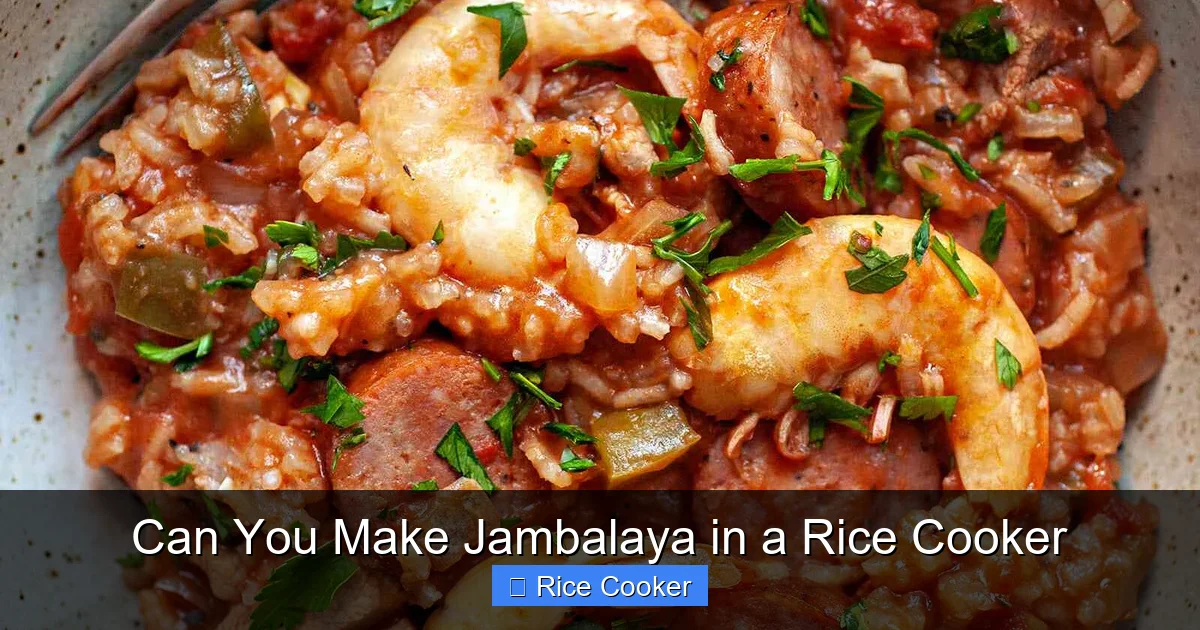
Visual guide about Can You Make Jambalaya in a Rice Cooker
Image source: simplyrecipes.com
Before you start chopping onions, let’s talk gear. Not every rice cooker handles jambalaya like a champ. Here’s what to look for:
Capacity Matters
For 2–4 people, a 6-cup (uncooked) rice cooker works well. Larger families may prefer an 8–10 cup model. Too small? Your ingredients won’t cook evenly. Too large? You risk under-seasoned or watery results.
Non-Stick vs. Stainless Steel
Non-stick interiors are easier to clean and prevent sticking—great for beginners. However, stainless steel pots distribute heat more evenly and are better for browning ingredients (like your roux). If yours has a non-stick coating, lightly grease it before adding oil.
Special Features
– Fuzzy Logic: Mimics human intuition by adjusting timing based on weight and moisture. Essential for tricky recipes.
– Induction Heating: Delivers rapid, uniform heat—ideal for quick roux-making.
– Keep Warm Function: Lets jambalaya sit without overcooking. Handy for serving later.
– Lid Venting: Some models allow partial opening to release steam if your dish gets too moist.
If you already own a basic rice cooker, don’t worry! Many older models can still handle jambalaya—just pay close attention during the final stages.
Essential Ingredients & Prep Tips
Authentic jambalaya starts with quality. Here’s what you’ll need—plus smart prep hacks to save time:
The Holy Trinity (Always Sauté First)
Onion, green bell pepper, and celery form the flavor base. Chop them finely (¼-inch dice) and sauté in oil until soft. Skip this step, and your dish lacks depth. Pro tip: Do this in a skillet while your rice cooker preheats—multitasking!
Roux: The Secret Sauce
Equal parts fat (butter or oil) and flour, slowly cooked until golden brown. This gives jambalaya its signature nutty richness. Don’t rush—low and slow is key. Too dark = bitter; too light = thin gravy.
Protein Power
– Sausage: Andouille is traditional, but smoked kielbasa or chorizo add similar smokiness.
– Chicken: Boneless thighs cut into chunks stay juicy.
– Seafood: Shrimp or crawfish added last (they cook fast!).
Rice Choice
Long-grain varieties like Jasmine, Basmati, or Texmati absorb liquid beautifully and remain distinct. Avoid short-grain (like sushi rice)—it becomes gummy.
Liquid Ratio
Most rice cookers follow a 1:1.5 rice-to-water ratio. For jambalaya, increase liquid by ½ cup per protein added (e.g., +½ cup for chicken, +1 cup for sausage + chicken). Too little liquid = dry rice; too much = soupy mess.
Step-by-Step: Making Jambalaya in Your Rice Cooker
Ready to cook? Follow this foolproof process:
1. Prep Your Ingredients
– Dice onion, bell pepper, celery.
– Cut sausage into coins, chicken into chunks.
– Rinse rice once (optional—some swear by skipping this for fluffier results).
– Measure liquids precisely.
2. Brown the Roux
In a small saucepan, melt 2 tbsp butter + 2 tbsp oil over medium heat. Whisk in 2 tbsp flour. Cook 5–7 minutes until amber-colored. Remove from heat—this prevents burning.
3. Sauté the Trinity
In a large bowl, mix diced veggies with roux. Let cool slightly, then transfer to rice cooker pot.
4. Add Everything Else
– Stir in rice.
– Add diced sausage and chicken.
– Pour in 4 cups chicken broth (adjust based on cooker’s capacity).
– Season generously: cayenne, paprika, garlic powder, thyme, salt, black pepper.
5. Cook & Adjust
Close lid, select “White Rice” setting. After 15 minutes, peek—if liquid looks absorbed but rice is still firm, add ½ cup broth and continue. Total cook time: 25–35 minutes.
6. Fold in Seafood
About 5 minutes before done, stir in peeled shrimp or crawfish. Cover and finish cooking.
7. Rest & Serve
Turn off cooker, let sit 5 minutes. Fluff with fork, garnish with green onions. Enjoy immediately!
Troubleshooting Common Issues
Even experts hit snags. Here’s how to fix them:
Problem: Rice Is Too Dry
Caused by insufficient liquid or high heat. Solution: Add ¼–½ cup broth during cooking, cover with a towel to trap steam, or switch to “warm” for 10 minutes.
Problem: Mushy or Sticky Rice
Overcooked or wrong rice type. Fix: Use long-grain rice only, avoid lifting the lid frequently, and ensure exact liquid ratio.
Problem: Bitter Roux Taste
Burned during browning. Prevention: Stir constantly, lower heat after bubbling starts, and remove from heat immediately once golden.
Problem: Underseasoned Dish
Jambalaya needs bold spices! Boost flavor with hot sauce, Worcestershire, or a dash of smoked paprika during cooking.
Problem: Protein Overcooks
Shrimp turns rubbery if added too early. Always add seafood in the last 5 minutes.
Variations & Substitutions
Make jambalaya your own! Try these twists:
– Vegan Version: Swap meat for mushrooms, tempeh, or extra beans. Use vegetable broth.
– Low-Carb Option: Replace rice with cauliflower rice (cook separately first).
– Spicy Kick: Add diced jalapeños or a pinch of cumin.
– Mexican Fusion: Use chorizo, corn, and black beans—call it “Mexican Jambalaya.”
Leftovers? Store in airtight containers for up to 3 days. Reheat on “warm” or microwave with a splash of broth.
Final Thoughts: Why This Method Wins
Making jambalaya in a rice cooker isn’t just convenient—it’s revolutionary. It removes the guesswork, reduces stress, and delivers consistent, delicious results every time. Whether you’re cooking for one or feeding a crowd, this method proves that comfort food doesn’t have to be complicated.
So go ahead—grab your rice cooker, fire up those spices, and dig into a bowl of pure Southern goodness. Your taste buds (and your schedule) will thank you.
Frequently Asked Questions
Can I use any type of rice for jambalaya in a rice cooker?
Only long-grain rice works best—think Jasmine, Basmati, or converted rice. These types absorb liquid evenly and stay separate, unlike short-grain or sticky rice varieties.
Do I really need to make a roux for rice cooker jambalaya?
Yes! A properly browned roux gives jambalaya its deep, nutty flavor foundation. Without it, your dish will taste bland no matter how well you season it.
How much liquid should I use for jambalaya in a rice cooker?
Start with 1.5 times the volume of uncooked rice, plus extra for proteins. For example, 1 cup rice = 1.5 cups broth + ½ cup per protein added. Adjust as needed during cooking.
Can I cook jambalaya without sausage?
Absolutely! Chicken, shrimp, or even plant-based alternatives all work. Just ensure you still have enough fat (from oil or butter) to build flavor.
What if my rice cooker doesn’t have a “white rice” setting?
Use the “basic” or “manual” setting and set the timer for 25–30 minutes. Keep an eye on it during the last 5 minutes to avoid overcooking.
Can I prepare jambalaya ahead of time?
Not recommended fresh—rice tends to dry out. But leftover jambalaya reheats beautifully on the stove or in the microwave with a splash of broth. Best eaten within 2–3 days.