
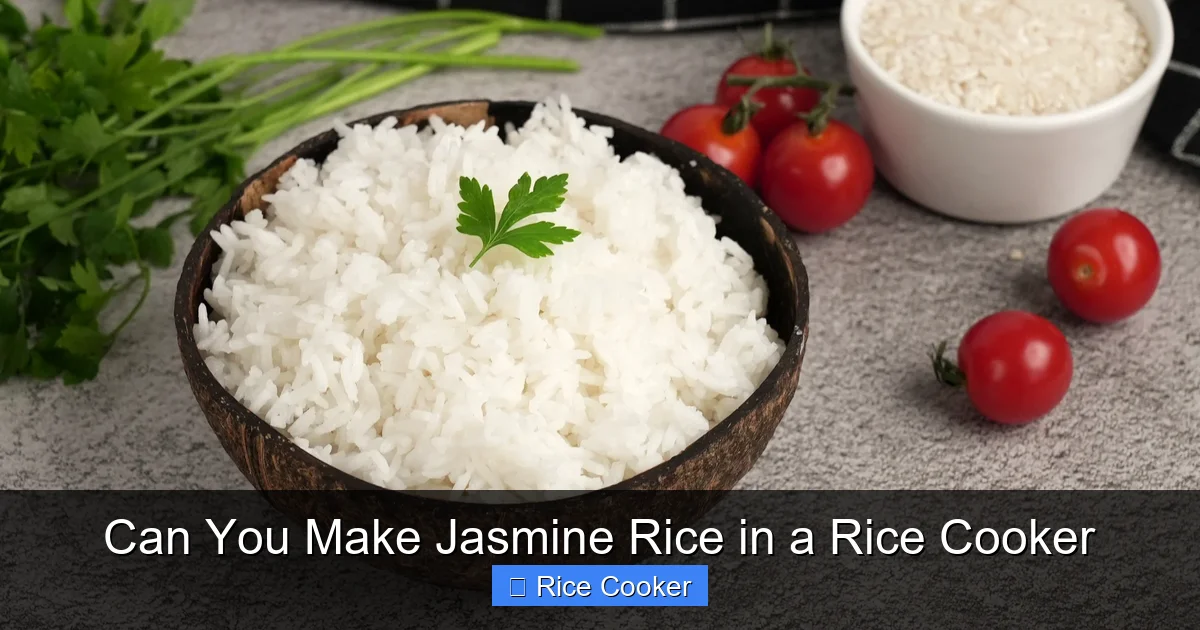
Making jasmine rice in a rice cooker is simple, fast, and yields fluffy, fragrant results every time. With the right water-to-rice ratio and a few helpful tips, you’ll get restaurant-quality rice at home. Whether you’re cooking for one or feeding a crowd, your rice cooker can do the heavy lifting.
Key Takeaways
- Yes, it’s easy: Jasmine rice works perfectly in any standard rice cooker with no special settings required.
- Use the right ratio: A common starting point is 1 cup of jasmine rice to 1.5 cups of water, but adjust based on your cooker and desired texture.
- Rinse before cooking: Washing removes excess starch and prevents clumping, leading to fluffier grains.
- Let it rest: After cooking, let the rice sit for 5–10 minutes to absorb remaining moisture and improve texture.
- Experiment with flavor: Add broth, coconut milk, or aromatics like lemongrass to elevate your jasmine rice.
- Cleaning matters: Rinse your rice cooker after use to maintain performance and extend its lifespan.
📑 Table of Contents
- Can You Make Jasmine Rice in a Rice Cooker?
- The Basics of Cooking Jasmine Rice
- Step-by-Step Guide to Making Perfect Jasmine Rice
- Troubleshooting Common Issues
- Flavor Variations and Creative Uses
- Tips for the Best Results Every Time
- Why Choose Jasmine Rice Over Other Types?
- Final Thoughts: Your Rice Cooker Is Ready
Can You Make Jasmine Rice in a Rice Cooker?
If you love the delicate aroma and slightly sticky, fluffy texture of jasmine rice—but don’t have the time or patience to monitor a pot on the stove—you’re in luck. Yes, you absolutely can make jasmine rice in a rice cooker. In fact, using a rice cooker is one of the easiest and most reliable ways to prepare this beloved grain. Whether you’re making a quick side dish, meal-prepping for the week, or serving guests, a rice cooker handles the job with minimal effort and consistent results.
Jasmine rice is a long-grain variety native to Thailand known for its subtle floral scent and soft, slightly chewy texture when cooked properly. Unlike other types of rice that may require precise timing or constant stirring, jasmine rice thrives in the hands-off environment of a rice cooker. The appliance’s ability to regulate temperature and automatically switch from heating to warming mode makes it ideal for achieving perfectly cooked grains every time. Plus, modern rice cookers come with features like fuzzy logic, which adjusts cooking times and temperatures based on the amount and type of rice—perfect for something as nuanced as jasmine.
In this guide, we’ll walk through everything you need to know about making jasmine rice in a rice cooker: from choosing the right kind of rice to troubleshooting common issues and even adding extra flavors. By the end, you’ll be confident that your rice cooker isn’t just for white rice—it’s a versatile kitchen tool ready for action.
The Basics of Cooking Jasmine Rice
What Is Jasmine Rice?
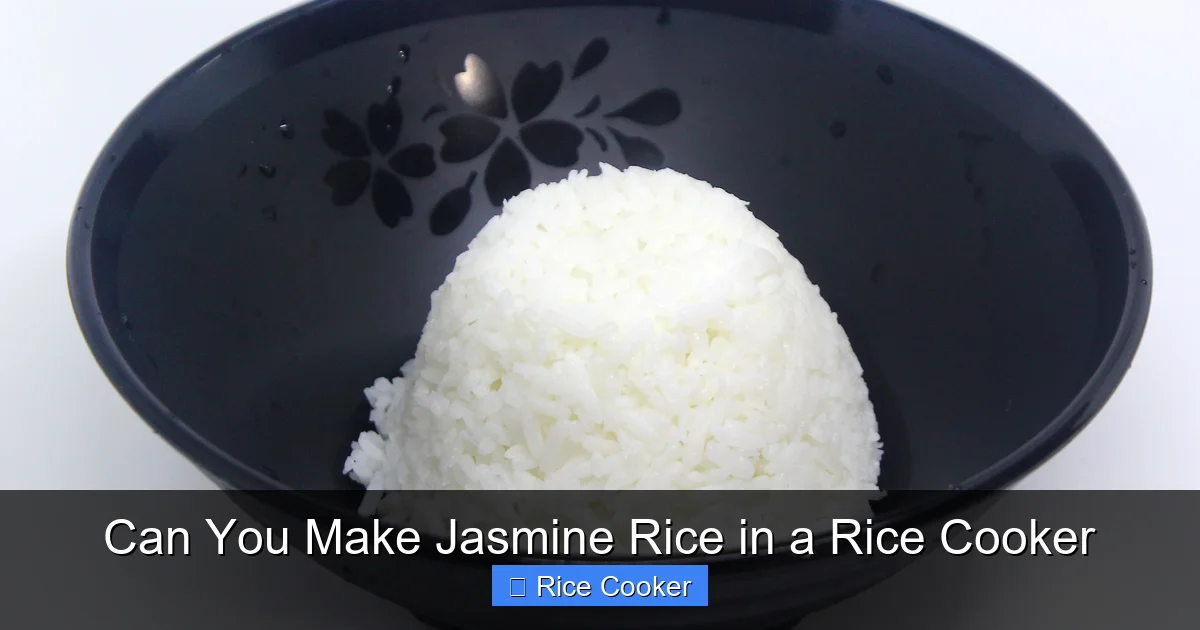
Jasmine rice (Oryza sativa subsp. indica) is a fragrant, aromatic long-grain rice that originated in Thailand. It’s typically grown in flooded fields and has a higher amylopectin content than many other rices, giving it that signature soft, clinging texture when cooked. When prepared correctly, each grain remains separate yet tender, with a lovely floral aroma that enhances savory dishes like curries, stir-fries, and grilled proteins.
Visual guide about Can You Make Jasmine Rice in a Rice Cooker
Image source: wikihow.com
There are two main types: regular (or white) jasmine rice and brown jasmine rice. White jasmine rice has been polished to remove the bran layer, resulting in faster cooking times and a milder flavor. Brown jasmine retains more nutrients and fiber but takes longer to cook due to the intact bran layer. For most home cooks using a rice cooker, white jasmine rice is preferred for its balance of taste, texture, and convenience.
Why Use a Rice Cooker?
A rice cooker simplifies the cooking process by automating temperature control and eliminating guesswork. Instead of watching the pot for boil-overs or adjusting heat manually, you simply measure your ingredients, press a button, and let science do the work. Most rice cookers also include a keep-warm function, so your rice stays at an ideal serving temperature until you’re ready to eat.
This is especially helpful with jasmine rice, which benefits from consistent, gentle heat during the absorption phase. Overcooking can lead to mushiness, while undercooking leaves grains hard and chalky. A good rice cooker senses when the water has been absorbed and switches off automatically—no babysitting needed!
Step-by-Step Guide to Making Perfect Jasmine Rice
Gather Your Ingredients and Tools
Before you begin, make sure you have everything you need:
Visual guide about Can You Make Jasmine Rice in a Rice Cooker
Image source: wikihow.com
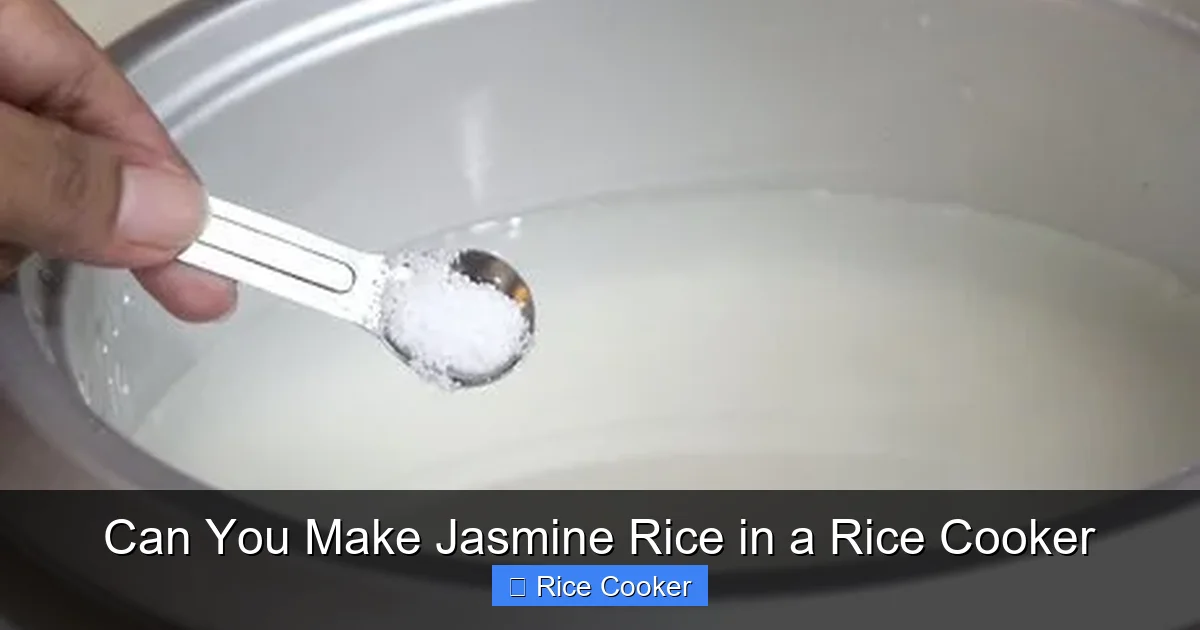
- 1 cup of jasmine rice (rinsed)
- Approximately 1.5 cups of water (adjust as needed)
- A fine-mesh strainer or colander
- A measuring cup
- Your rice cooker with a non-stick inner pot
Note: If your rice cooker has a specific setting for “jasmine” or “fragrant rice,” feel free to use it—but it’s not necessary. Standard settings work just fine.
Measure and Rinse the Rice
Start by measuring out your jasmine rice using a dry measuring cup. Then, place the rice in a fine-mesh strainer and rinse it under cold running water. Swirl the rice gently with your fingers for about 30 seconds to 1 minute, or until the water runs clear. This step is crucial—it removes surface starch that can cause the grains to stick together.
Pro tip: Don’t skip rinsing! Even if the package says “pre-washed,” a quick rinse ensures better results. Some brands recommend up to three rounds of rinsing, but one should suffice for most purposes.
Add Water and Rice to the Cooker
Transfer the rinsed rice to the inner pot of your rice cooker. Add water according to the general rule of thumb: 1 cup rice to 1.5 cups water. However, this ratio can vary depending on your rice cooker model and personal preference. If you like your rice softer, try 1.75 cups water. For firmer grains, stick closer to 1.25 cups.
For reference:
- Soft/creamy texture: 1:1.75 ratio
- Standard fluffy: 1:1.5 ratio
- Firm/grainy: 1:1.25 ratio
Cook and Rest
Close the lid and select the “White Rice” or default setting. Press start. The cooker will take around 18–25 minutes to complete the cycle, depending on capacity and brand.
Once the cycle ends, do not open the lid immediately. Let the rice sit, covered, for 5–10 minutes. This resting period allows residual steam to evenly distribute moisture throughout the grains, resulting in a more uniform texture. After resting, gently fluff the rice with a fork or rice paddle before serving.
Troubleshooting Common Issues
Mushy or Sticky Rice
If your jasmine rice turns out too wet or clumpy, it’s likely because too much water was used or the rice wasn’t rinsed well. To fix this, scoop out some extra water if possible (some cookers allow draining), then mix in dry rice to soak up moisture. Alternatively, spread the rice on a baking sheet, let it air-dry for 10 minutes, and reheat briefly.
Undercooked Grains
Hard, uncooked centers usually mean insufficient water or an old batch of rice. Try increasing the water by ¼ cup next time and ensure your rice cooker is functioning properly. Also, check expiration dates—old rice absorbs less water and cooks unevenly.
Bitter or Harsh Taste
This can happen if the rice cooker wasn’t cleaned thoroughly before use or if burnt-on residue affects the flavor. Always rinse the inner pot and wipe down the heating element. Using fresh rice also helps avoid off-flavors.
Flavor Variations and Creative Uses
Coconut Milk Jasmine Rice
Swap half the water with coconut milk for a rich, creamy version often served with Thai curries or mango desserts. Simply replace ½ cup of water with ½ cup full-fat coconut milk. Add a pinch of salt and optionally, a strip of kaffir lime leaf or a piece of pandan during cooking for extra fragrance.
Lemon Herb Jasmine Rice
For a zesty twist, cook the rice with lemon zest, a sprig of thyme, and a bay leaf. After cooking, squeeze in fresh lemon juice and toss with chopped parsley or cilantro. This pairs beautifully with grilled fish or roasted vegetables.
Brown Jasmine Rice
While brown jasmine takes longer to cook, most rice cookers handle it well. Use a 1:1.75 water ratio and allow an extra 5–10 minutes of soaking time before cooking. Because brown rice retains more nutrients, it’s a healthier option—just be prepared for chewier grains unless you pressure-cook it.
Tips for the Best Results Every Time
- Use room-temperature water: Cold water can slow down absorption; warm water helps cook more evenly.
- Don’t lift the lid: Opening the lid releases steam and interrupts the cooking process.
- Invest in a good rice paddle: A flat-edged spatula fluffs rice without crushing grains.
- Store leftovers properly: Refrigerate within 2 hours and reheat with a splash of water to restore moisture.
- Clean immediately after use: Soak the inner pot to prevent dried-on starch from hardening.
Why Choose Jasmine Rice Over Other Types?
While basmati, sushi, arborio, and wild rice all have their places, jasmine rice stands out for its unique combination of aroma, texture, and versatility. Its natural sweetness complements spicy dishes without overpowering them, and its slight stickiness makes it great for rolls, sushi-style bowls, or even fried rice. Compared to sticky rice varieties like glutinous or sweet rice, jasmine offers a satisfying bite without being overly gummy.
Additionally, jasmine rice cooks relatively quickly—even faster than basmati—and doesn’t require soaking beforehand. That makes it ideal for busy weeknights when you want something delicious without extra prep.
Final Thoughts: Your Rice Cooker Is Ready
So, can you make jasmine rice in a rice cooker? Absolutely—and now you know how to do it perfectly every single time. With just a little attention to detail—rinsing, proper ratios, and letting it rest—you’ll unlock the full potential of this fragrant grain. Whether you’re new to rice cookers or a seasoned pro, experimenting with flavors and techniques will keep meals exciting and your family coming back for more.
Remember, practice makes perfect. Try different water levels, add herbs or spices, or even double the recipe to see how your cooker performs. Soon enough, making jasmine rice will feel as natural as boiling pasta—because sometimes, the simplest methods yield the best results.
Frequently Asked Questions
How much water do I use for jasmine rice in a rice cooker?
A common ratio is 1 cup of jasmine rice to 1.5 cups of water. Adjust slightly based on your desired texture—more water for softer rice, less for firmer grains. Always rinse the rice first to remove excess starch.
Do I need to soak jasmine rice before cooking?
No, jasmine rice does not require soaking when using a rice cooker. Rinsing it thoroughly is sufficient to achieve good results.
Can I use a rice cooker with a timer to make jasmine rice?
Yes! Many rice cookers offer delayed-start functions. Just prepare your rinsed rice and water, set the timer, and enjoy freshly cooked jasmine rice whenever you’re ready to eat.
Is brown jasmine rice different from white jasmine rice in the rice cooker?
Yes. Brown jasmine rice takes longer to cook and requires more water—typically a 1:1.75 ratio—and may need a pre-soak. White jasmine rice cooks faster and is easier to manage in most rice cookers.
Why is my jasmine rice sticky even after rinsing?
Sticking usually comes from overcooking or using too much water. Try reducing water by ¼ cup and ensure your rice cooker isn’t overfilled. Also, fluffing immediately after resting helps separate grains.
Can I cook jasmine rice in a multi-cooker or Instant Pot?
Absolutely! Use the “Rice” or manual setting with the same water ratio. Pressure cook for about 4 minutes on high, then let natural release for 5 minutes before opening. The result is very similar to a dedicated rice cooker.