

Making kheer with cooked rice is not only possible—it’s delicious and convenient. Whether you’re using leftover rice or want a quicker alternative to traditional methods, this approach saves time while delivering rich, aromatic results. With just a few extra steps, you can transform ordinary rice into a silky, fragrant dessert loved across India and beyond.
Can you make kheer with cooked rice? The answer is a resounding yes—and not only is it possible, but it might just become your new favorite way to enjoy this beloved Indian dessert. Kheer, a creamy rice pudding made by simmering rice in milk with sugar and flavored with cardamom, saffron, and nuts, has been a staple at weddings, festivals, and family gatherings for generations. Traditionally, recipes call for raw rice that’s soaked overnight and slowly cooked for hours. But what if you’re short on time, have leftover rice from another meal, or simply want a faster version without sacrificing taste or texture?
That’s where using cooked rice comes in—a clever shortcut that many home cooks swear by. In fact, using cooked rice for kheer is not just practical; it often results in a richer, creamier consistency because the starches in the rice release more readily when reheated in milk. Plus, it’s an excellent way to reduce food waste and repurpose everyday meals into something truly special. Whether you’re preparing for Diwali, hosting guests, or just craving a warm, comforting treat, making kheer with cooked rice is both efficient and satisfying.
Key Takeaways
- Yes, cooked rice works perfectly for kheer. Unlike raw rice, pre-cooked rice softens quickly when reheated with milk, making it ideal for this dessert.
- It saves time and reduces cooking effort. You skip the long soaking and slow simmering of raw rice, cutting down prep time significantly.
- Flavor develops beautifully through reduction. Simmering cooked rice in sweetened milk allows it to absorb cardamom, saffron, and nuts, creating depth and aroma.
- Texture is creamier than traditional versions. Because cooked rice breaks down slightly during reheating, the kheer becomes smoother and silkier.
- Great for meal prep and leftovers. Turn last night’s dinner rice into tomorrow’s dessert—zero waste and maximum flavor!
- Customizable to suit dietary needs. Use dairy or plant-based milk, sugar alternatives, or gluten-free rice as needed.
- Perfect for busy families and special occasions alike. Quick to make, crowd-pleasing, and always impressive when served.
📑 Table of Contents
The Science Behind Using Cooked Rice for Kheer
Before diving into the recipe, let’s talk about why cooked rice works so well for kheer. When rice is cooked, its starch molecules gelatinize—meaning they absorb water and swell, breaking down into a soft, tender texture. This process makes cooked rice much easier to blend into a smooth, creamy base when reheated in milk. Unlike raw rice, which requires hours of slow simmering to soften and release its full flavor potential, cooked rice only needs gentle reheating to rehydrate and thicken.
Additionally, because the rice is already partially broken down during initial cooking, it integrates more seamlessly into the milk mixture. This leads to a velvety consistency that rivals—or even surpasses—traditional kheer made from raw rice. The key is avoiding overcooking once you combine everything; too much heat can cause the rice to clump or turn mushy. Instead, low, steady heat allows the flavors to meld beautifully while maintaining a pleasant mouthfeel.
Another advantage of using cooked rice is the enhanced aroma development. As the rice reheats in spiced milk, it absorbs cardamom pods, saffron strands, and other aromatic ingredients, intensifying the overall fragrance of the dish. This “infusion” effect happens faster with cooked rice since there’s less resistance to flavor penetration compared to uncooked grains.
Why Choose Cooked Rice Over Raw?
Many purists argue that authentic kheer must start with raw rice, but modern kitchens demand flexibility. Here’s why opting for cooked rice is beneficial:
- Time-Saving: No need to soak overnight or wait hours for slow cooking.
- Energy Efficient: Uses less stovetop time and fuel compared to raw rice methods.
- Consistent Results: Eliminates guesswork about doneness—your rice is already perfectly cooked.
- Better Texture Control: Easier to adjust thickness by adding more or less milk.
- Suitable for Meal Prep: Ideal for turning leftovers into dessert the next day.
Of course, some chefs still prefer raw rice for deeper caramelization and extended simmering that builds complex layers of sweetness. But for everyday use, especially among busy households, cooked rice offers a reliable, fuss-free alternative that doesn’t compromise on quality.
A Step-by-Step Guide: Making Kheer with Cooked Rice
Ready to try it yourself? Follow this foolproof method to transform your leftover rice into a luxurious kheer in under 30 minutes. Don’t worry—it’s simpler than you think!
Gather Your Ingredients
You’ll need:
- 2 cups cooked white basmati or jasmine rice (cooled or at room temperature)
- 4 cups full-fat milk (or your preferred plant-based alternative like oat, almond, or coconut milk)
- 1/2 cup sugar (adjust to taste; use honey or maple syrup for vegan options)
- 1 cinnamon stick
- 6 green cardamom pods (lightly crushed)
- A pinch of saffron strands (soaked in 2 tbsp warm milk for 10 minutes)
- 1/4 cup sliced almonds, pistachios, or cashews (optional, for garnish)
- 1 tbsp ghee or butter (optional, for richness)
Pro tip: For extra creaminess, use cold milk straight from the fridge—it helps prevent curdling when heated gently.
Prep Your Workspace
Ensure all your ingredients are measured and ready before heating begins. Cooking kheer requires attention, especially near the end when the mixture thickens rapidly. Have a slotted spoon nearby for removing cinnamon sticks and cardamom pods once they’ve imparted their flavor.
Heat and Reduce
In a heavy-bottomed pan or non-stick saucepan, bring the milk to a gentle boil over medium heat. Add the cinnamon stick, cardamom pods, and ghee (if using). Stir occasionally to prevent scorching. Once the milk starts steaming, reduce the heat to low—this is crucial to avoid boiling over and ensures even thickening.
Now, add the cooked rice. Break up any large clumps gently with a wooden spatula. Let the rice cook in the milk for about 8–10 minutes, stirring every few minutes. You’ll notice the mixture gradually thickening as the rice reabsorbs moisture and releases starch.
Add Sweetness and Flavor
After 10 minutes, stir in the sugar until fully dissolved. If using saffron, add the infused milk along with the strands now. Continue cooking on low heat for another 5–7 minutes, allowing the kheer to reach your desired consistency. It should coat the back of a spoon lightly—not too runny, not too stiff.
Garnish and Serve
Remove the cinnamon stick and cardamom pods. Ladle hot kheer into serving bowls, top with chopped nuts, and drizzle with a little extra saffron-infused milk if desired. For an added touch, sprinkle edible silver leaf (varak) on top for festive occasions.
Serve warm or chilled—both are delicious! Refrigerate leftovers for up to 3 days; the texture may firm slightly upon cooling, so reheat gently with a splash of milk before serving.
Tips for Perfect Kheer Every Time
Even though the process is straightforward, a few small adjustments can elevate your kheer from good to extraordinary. Here are expert-recommended tips:
Choose the Right Rice
Not all rice varieties behave the same in kheer. Short-grain or medium-grain rice (like basmati or jasmine) hold their shape better and produce a smoother texture. Avoid super sticky or overly long-grain types unless you plan to blend the entire mixture afterward.
Don’t Rush the Reduction
Patience pays off here. Allowing the milk to reduce slowly ensures concentrated sweetness and prevents graininess. Stir frequently during this phase to distribute heat evenly.
Adjust Milk Gradually
If your kheer turns out too thick, add warm milk a tablespoon at a time until you reach the right consistency. Conversely, if it’s too thin, return to low heat and continue simmering until desired thickness is achieved.
Experiment with Flavors
Try substituting rose water, orange zest, or even a dash of nutmeg for variety. Fruit kheers (using mango puree or pomegranate seeds) also work wonderfully with cooked rice bases.
Make It Dairy-Free
Use canned full-fat coconut milk or barista-style oat milk for a luscious, non-dairy version. Just monitor closely—coconut milk burns easily, so keep the heat low.
Storage and Reheating Tips
Store cooled kheer in airtight containers. To reheat, microwave in 30-second intervals, stirring between each, or warm gently on the stove with occasional stirring. Adding a splash of milk helps restore original texture.
Common Mistakes to Avoid
While making kheer with cooked rice is forgiving, beginners sometimes run into issues. Watch out for these pitfalls:
- Overheating:** High heat causes milk proteins to separate and form scum. Always use low to medium-low heat after boiling.
- Skipping the strainer step:** Even with cooked rice, tiny bits of skin or husk can remain—strain if you prefer ultra-smooth kheer.
- Using expired or old rice:** Stale rice lacks flavor and can give kheer a flat taste. Freshly cooked rice is best.
- Not tasting as you go:** Sugar balance is critical—add it gradually and taste periodically.
- Ignoring stirring frequency:** Without regular stirring, the bottom layer burns, creating bitter spots.
Variations and Creative Twists
Once you master the basics, feel free to get creative! Kheer is inherently adaptable, and using cooked rice opens up endless possibilities.
Fruit-Infused Kheer
Fold in diced mangoes, strawberries, or apples during the final minute of cooking. Top with mint leaves for brightness.
Chocolate or Coffee Kheer
Stir in cocoa powder or instant coffee during the sugar-addition stage. A sprinkle of dark chocolate shavings makes it decadent.
Nutty Crunch Version
Toast almonds and cashews separately until golden, then grind half into coarse crumbs and mix into the kheer before serving. Reserve the rest for topping.
Spiced Apple Kheer
Cook diced apples with the cinnamon and cardamom alongside the rice. This creates a cozy autumnal version perfect for cooler months.
Vegan Kheer with Coconut Cream
Replace dairy milk with coconut cream and use maple syrup instead of sugar. Add a pinch of turmeric for color and antioxidant boost.
These variations showcase how versatile cooked rice is—not just as a substitute, but as a foundation for innovation.
Frequently Asked Questions About Making Kheer with Cooked Rice
How long does cooked rice kheer stay fresh?
Cooked rice kheer can be stored in the refrigerator for up to 3 days. When refrigerated, it firms up slightly, so reheat gently with a bit of milk before serving. Avoid leaving it at room temperature for more than 2 hours to prevent bacterial growth.
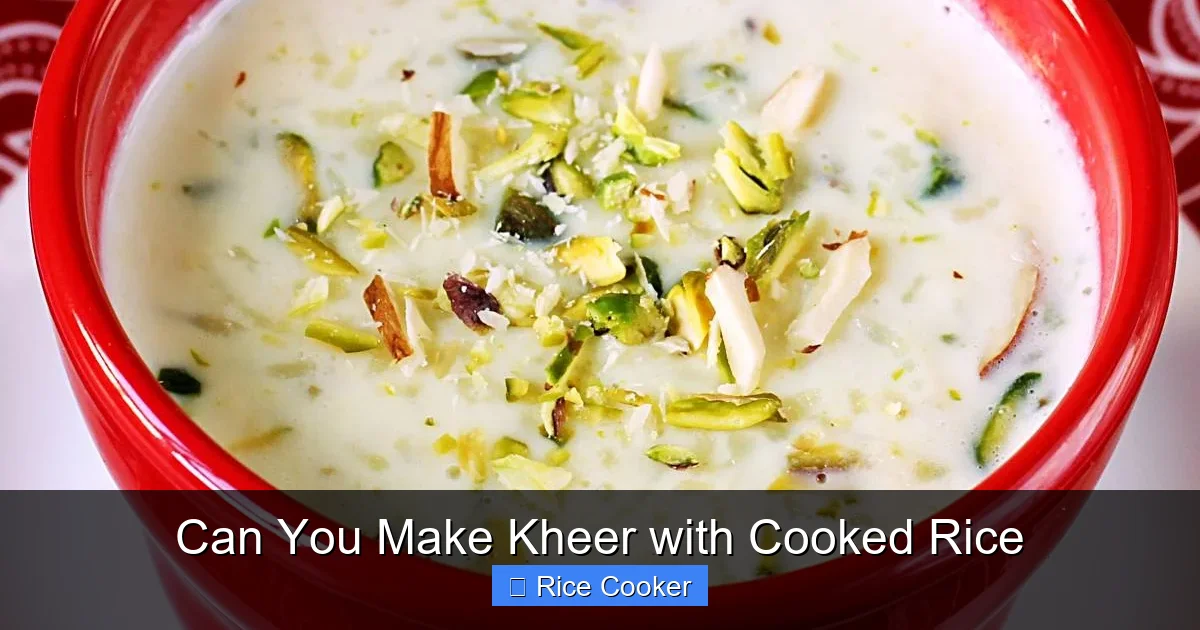
Visual guide about Can You Make Kheer with Cooked Rice
Image source: indianhealthyrecipes.com
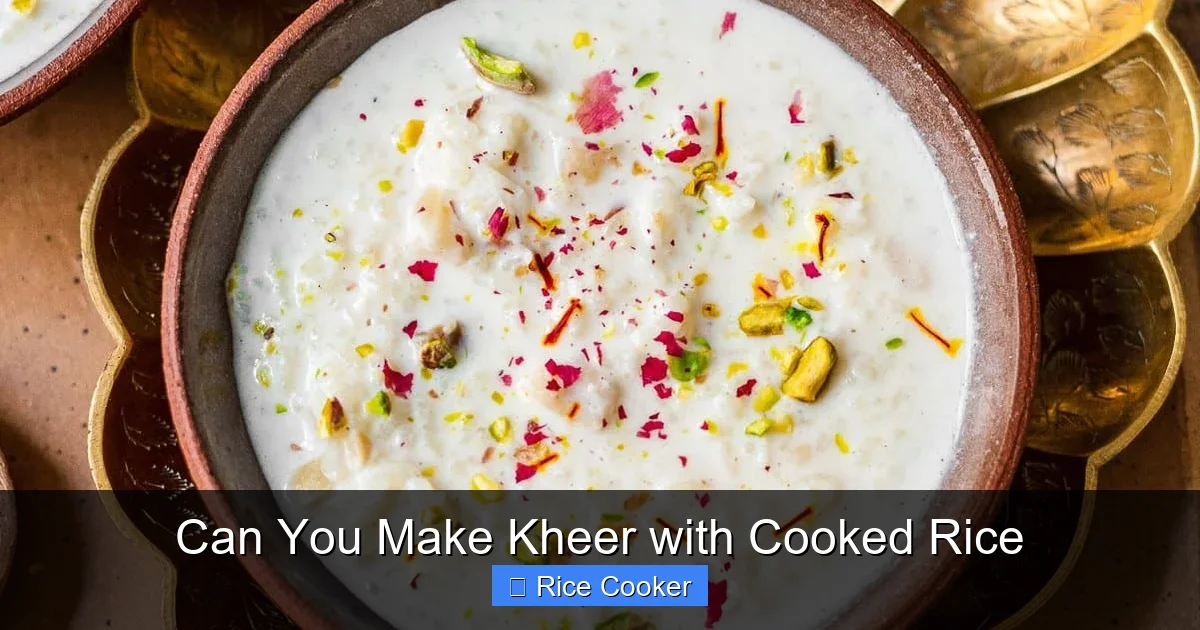
Visual guide about Can You Make Kheer with Cooked Rice
Image source: masalaandchai.com
Can I use brown rice instead of white?
Yes, but expect differences in texture and cook time. Brown rice takes longer to soften and may result in a chewier kheer. Soaking the cooked brown rice briefly in warm milk before adding it to the mixture can help improve tenderness.
What if my kheer separates or curdles?
This usually happens due to sudden high heat. To fix it, remove from heat immediately, whisk vigorously, and slowly add a ladle of warm milk while stirring. Return to low heat and continue cooking—it often re-emulsifies.
Do I need to rinse the cooked rice before making kheer?
No, rinsing isn’t necessary unless the rice was previously rinsed and drained. Extra rinsing can wash away flavorful starches that contribute to creaminess. Just ensure the rice is clean and free of excess starch residue.
Can I make kheer with frozen cooked rice?
Absolutely! Thaw frozen rice completely before using. It may require a few extra minutes of simmering to rehydrate, but the flavor remains intact. For convenience, freeze portions of leftover rice specifically for kheer.
Is it okay to use rice from fried dishes like biryani?
Not recommended. Fried or heavily spiced rice absorbs oil and additional seasonings, which can alter the delicate balance of kheer. Stick to plain boiled or steamed rice for best results.
Frequently Asked Questions
How long does cooked rice kheer stay fresh?
Cooked rice kheer can be stored in the refrigerator for up to 3 days. When refrigerated, it firms up slightly, so reheat gently with a bit of milk before serving. Avoid leaving it at room temperature for more than 2 hours to prevent bacterial growth.
Can I use brown rice instead of white?
Yes, but expect differences in texture and cook time. Brown rice takes longer to soften and may result in a chewier kheer. Soaking the cooked brown rice briefly in warm milk before adding it to the mixture can help improve tenderness.
What if my kheer separates or curdles?
This usually happens due to sudden high heat. To fix it, remove from heat immediately, whisk vigorously, and slowly add a ladle of warm milk while stirring. Return to low heat and continue cooking—it often re-emulsifies.
Do I need to rinse the cooked rice before making kheer?
No, rinsing isn’t necessary unless the rice was previously rinsed and drained. Extra rinsing can wash away flavorful starches that contribute to creaminess. Just ensure the rice is clean and free of excess starch residue.
Can I make kheer with frozen cooked rice?
Absolutely! Thaw frozen rice completely before using. It may require a few extra minutes of simmering to rehydrate, but the flavor remains intact. For convenience, freeze portions of leftover rice specifically for kheer.
Is it okay to use rice from fried dishes like biryani?
Not recommended. Fried or heavily spiced rice absorbs oil and additional seasonings, which can alter the delicate balance of kheer. Stick to plain boiled or steamed rice for best results.