
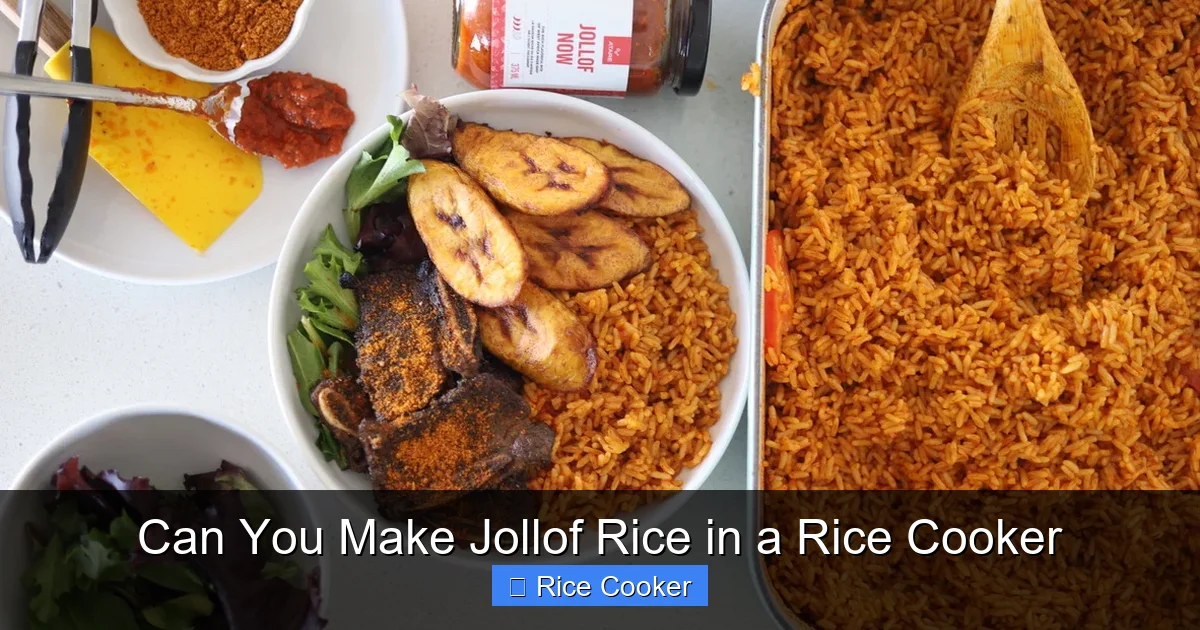
Jollof rice doesn’t have to be cooked over an open flame. With a rice cooker, you can achieve that bold, tomato-rich flavor and perfect texture with minimal cleanup. Whether you’re new to West African cooking or just looking for a faster way to prepare this crowd-pleasing dish, your rice cooker can do the job beautifully.
Can You Make Jollof Rice in a Rice Cooker?
If you’ve ever watched a West African family gather around a bubbling pot of jollof rice, you might’ve noticed how much care goes into every layer of flavor—the charred tomatoes, the aromatic spices, the smoky undertones from cooking over an open flame. It’s not just a dish; it’s a celebration. But what if you don’t have access to that kind of setup? Or maybe you’re short on time? Can you still make jollof rice at home without sacrificing taste or authenticity?
The good news? Yes—you absolutely can make jollof rice in a rice cooker. In fact, many home cooks swear by this method because it’s hands-off, consistent, and yields perfectly cooked rice every single time. Sure, some purists argue about the “true” way, but let’s be real: life happens, and sometimes convenience wins. And honestly? When done right, rice cooker jollof rice can be just as delicious as its stovetop cousin.
What Is Jollof Rice Anyway?
Before we dive into the how-to, let’s clarify what jollof rice actually is. Originating from West Africa—particularly Nigeria, Ghana, Sierra Leone, and Liberia—jollof rice is a one-pot dish made with long-grain rice, tomatoes, onions, bell peppers, Scotch bonnet chili, and a blend of warming spices like thyme, bay leaf, and sometimes curry or cayenne. What sets it apart isn’t just the ingredients—it’s the technique.
Traditional jollof rice is cooked slowly until the liquid evaporates almost completely, leaving behind a thick, glossy sauce that coats each grain of rice. The trick is achieving that slightly charred, caramelized flavor from searing the tomatoes and onions first—this is where the magic happens. Some versions even call for palm oil, which gives the dish its iconic orange hue and subtle nutty taste.
But here’s the thing: while the traditional method involves a lot of attention and a bit of trial and error, modern appliances like rice cookers simplify the process without compromising flavor—if you follow the right steps.
Why Use a Rice Cooker for Jollof Rice?
You might wonder why anyone would choose a rice cooker over a stovetop. After all, cooking over direct heat allows for browning and control. But rice cookers offer several advantages:
– **Consistency**: No more guessing whether your rice is done. The cooker shuts off automatically.
– **Less Cleanup**: One pot instead of multiple pans.
– **Hands-Off Cooking**: Set it and forget it (well, sort of).
– **Perfect Texture**: Long-grain rice like basmati or jasmine absorbs liquid evenly and stays fluffy.
– **Energy Efficient**: Uses less electricity than keeping a stove burner on.
Plus, newer rice cookers come with special settings like “porridge,” “steam,” or even “slow cook” modes that can enhance your jollof game.
Of course, there are trade-offs. You won’t get that deep char from a cast-iron pan, and you may need to adjust seasoning since the cooker doesn’t allow for deglazing like you can on the stovetop. But again—many people find the results totally worth it.
Essential Ingredients for Authentic Flavor
Even though we’re using a rice cooker, you still need quality ingredients to nail the flavor. Here’s what you’ll need:
– **Rice**: Use long-grain varieties like basmati, jasmine, or parboiled rice. Short-grain won’t absorb the sauce properly and will turn sticky.
– **Tomatoes**: Fresh Roma or plum tomatoes work best. Canned crushed tomatoes are acceptable but lack freshness.
– **Bell Peppers**: Red or yellow bell peppers add sweetness and body.
– **Onions**: Yellow onions are classic—they caramelize nicely.
– **Scotch Bonnet Chili**: This is non-negotiable for heat and aroma. Wear gloves when handling!
– **Spices & Seasonings**: Thyme, bay leaf, salt, black pepper, and optionally curry powder or smoked paprika.
– **Oil**: Palm oil is traditional, but neutral oils like vegetable or sunflower oil are fine substitutes.
– **Stock or Water**: Chicken or vegetable stock adds depth; plain water works too.
Optional add-ins include cooked meats (chicken, beef, sausage), peas, carrots, or even plantains cut into chunks.
Step-by-Step Guide: Making Jollof Rice in Your Rice Cooker
Now for the main event. Follow these steps closely, and you’ll end up with restaurant-quality jollof rice with minimal fuss.
Gather and Prep Your Ingredients
Chop onions finely, dice peppers, and mince garlic if using. If your tomatoes aren’t already blanched and peeled (which is rare at home), peel them by scoring the skin and dipping in boiling water for 30 seconds. Roughly chop everything so it blends easily later.
Blend the Sauce Base
Place tomatoes, peppers, onions, garlic (if using), and Scotch bonnet in a blender. Pulse until smooth—don’t over-blend, or you’ll lose texture. Transfer to a bowl and set aside.
Sauté Aromatics (Optional but Recommended)
Heat 2–3 tablespoons of oil in the inner pot of your rice cooker over medium heat (use the “warm” or “saute” setting if available). Add diced onions and sauté until translucent. Stir in ground or whole spices (thyme, bay leaf, etc.) and cook for 1 minute to bloom the flavors. This extra step boosts aroma and mimics the traditional sear.
Add the Blended Mixture
Pour the blended tomato-pepper-onion mix into the pot. Stir well, scraping up any browned bits from the bottom—that’s flavor gold! Let it simmer uncovered for 5–7 minutes, stirring occasionally, until the mixture thickens and reduces by about half.
Combine Rice and Liquid
Rinse 2 cups of long-grain rice under cold water until the water runs clear. Drain thoroughly. Add the rinsed rice to the pot and stir to coat with the sauce. Pour in 2½ to 3 cups of hot stock or water (ratio depends on rice type—check package instructions). Add salt to taste.
Cook on High Then Steam
Close the lid and select the “white rice” or “normal” setting. Once the cooker switches to “warm,” immediately turn off the power and let it sit for another 10–15 minutes. This steaming phase ensures the rice finishes cooking evenly without drying out.
Fluff and Serve
Open the lid carefully (watch for steam!), fluff the rice gently with a fork, and serve hot. Garnish with chopped parsley or green onions if desired.
Tips for Success
Want to take your rice cooker jollof to the next level? Try these pro tips:
– **Toast the Rice First**: Lightly toast rinsed rice in oil before adding liquid—this prevents clumping and enhances nuttiness.
– **Use Smoked Paprika**: Add ½ teaspoon to mimic the smoky depth of grilled jollof.
– **Layer Proteins**: Place cubed chicken or beef at the bottom before rice—they’ll cook in the steam and stay tender.
– **Don’t Skip the Resting Time**: Resist the urge to open the lid early. Letting the rice rest locks in moisture.
– **Adjust Salt Gradually**: Taste the sauce before adding rice—you might need more or less salt overall.
– **Experiment with Herbs**: Fresh thyme or oregano can replace dried versions for brighter flavor.
Common Mistakes to Avoid
Even experienced cooks slip up. Watch out for these pitfalls:
– **Overfilling the Pot**: Never exceed max fill lines. Too much rice leads to uneven cooking.
– **Underseasoning Early**: Season the sauce generously before adding rice—you can’t fix blandness later.
– **Using Wrong Rice Type**: Stick to long-grain. Basmati is ideal; sushi or arborio won’t work.
– **Skipping the Blend Step**: Chunky tomato chunks make for messy, inconsistent bites.
– **Opening the Lid During Cooking**: This releases steam and disrupts the cycle.
Variations and Creative Twists
Once you master the basics, feel free to get creative!
– **Coconut Jollof**: Replace half the stock with coconut milk for a creamy, tropical twist.
– **Vegetarian Version**: Load up with mushrooms, okra, or sweet potatoes.
– **Seafood Jollof**: Toss in shrimp or fish during the last 5 minutes of cooking.
– **Spicy Upgrade**: Double the Scotch bonnet or add a dash of cayenne.
– **Fruit Pairing**: Serve with sliced mango or pineapple on the side.
Serving Suggestions
Jollof rice shines when paired thoughtfully. Consider these sides:
– Fried plantain (sweet and savory contrast)
– Grilled fish or chicken
– Steamed vegetables or coleslaw
– Peanut sauce or avocado dip
– Cold beer or ginger drink for balance
Storing Leftovers
Leftover jollof rice stores beautifully! Let it cool completely, then transfer to an airtight container. Refrigerate for up to 4 days or freeze for up to 3 months. Reheat gently on the stove with a splash of water or broth to revive moisture.
Frequently Asked Questions About Making Jollof Rice in a Rice Cooker
Can I use frozen tomatoes instead of fresh?
Yes, but thaw and drain them first to avoid excess water. Fresh tomatoes give better flavor and color.
Do I really need Scotch bonnet?
It’s traditional and adds that signature heat and fruity aroma. If unavailable, habanero or bird’s eye chili work as substitutes—but wear gloves!
How do I know if my rice cooker has enough capacity?
Most standard models hold 6–8 cups uncooked rice. For 2 cups rice, ensure your pot has at least 4 cups liquid space. Check manufacturer specs.
Why did my rice turn out mushy?
Too much liquid, opening the lid too soon, or cooking beyond the “warm” stage can cause mushiness. Measure liquids carefully and avoid peeking.
Can I make jollof rice without oil?
Technically yes, but oil helps bind flavors and prevents sticking. Neutral oil is fine—palm oil is only for authenticity.
Is rice cooker jollof rice as good as stovetop?
Many agree it’s nearly identical in taste and texture. The difference lies in nuanced browning, but most guests won’t notice—especially if seasoned well.
Conclusion: Embrace the Convenience Without Sacrificing Flavor
Making jollof rice in a rice cooker isn’t about cutting corners—it’s about working smarter, not harder. Thanks to modern kitchen tools, you can enjoy this beloved West African staple without spending hours hovering over a hot stove or worrying about burning the bottom.
With the right ingredients, a little prep, and the confidence that your rice cooker will handle the rest, you’ve got everything you need to impress family, friends, or even yourself. So go ahead—fire up that appliance, grab your favorite spices, and whip up a pot of jollof rice that’s both comforting and full of soul.
After all, great meals shouldn’t require sacrifice. Sometimes, the simplest methods yield the most satisfying results.
Key Takeaways
- Rice cookers are fully capable of making authentic-tasting jollof rice. They provide consistent heat and controlled moisture, which helps prevent undercooked grains or mushy results.
- You can replicate the signature smoky flavor using spices and optional smoked paprika. While no grill equals no true “smoke,” many home cooks find the result delicious and satisfying.
- A few key ingredients—tomatoes, onions, peppers, and scotch bonnet—are essential. These form the flavor base of traditional jollof rice and should never be skipped.
- Soaking or pre-cooking the tomatoes and peppers makes blending smoother and reduces cooking time. This step also helps thicken the sauce naturally.
- Seasoning matters: use salt, thyme, bay leaves, and sometimes curry powder for depth. Don’t forget palm oil or vegetable oil for color and richness.
- Timing is everything—cook on high after the initial boil, then let it steam off-heat. Overcooking leads to mush; undercooking means crunchy bits.
- Customization options abound: add chicken, beef, shrimp, or plantains for a full meal. Jollof rice pairs well with protein and side dishes like fried plantain or salad.
Frequently Asked Questions
Can I use frozen tomatoes instead of fresh?
Yes, but thaw and drain them first to avoid excess water. Fresh tomatoes give better flavor and color.
Do I really need Scotch bonnet?
It’s traditional and adds that signature heat and fruity aroma. If unavailable, habanero or bird’s eye chili work as substitutes—but wear gloves!
How do I know if my rice cooker has enough capacity?
Most standard models hold 6–8 cups uncooked rice. For 2 cups rice, ensure your pot has at least 4 cups liquid space. Check manufacturer specs.
Why did my rice turn out mushy?
Too much liquid, opening the lid too soon, or cooking beyond the “warm” stage can cause mushiness. Measure liquids carefully and avoid peeking.
Can I make jollof rice without oil?
Technically yes, but oil helps bind flavors and prevents sticking. Neutral oil is fine—palm oil is only for authenticity.
Is rice cooker jollof rice as good as stovetop?
Many agree it’s nearly identical in taste and texture. The difference lies in nuanced browning, but most guests won’t notice—especially if seasoned well.