
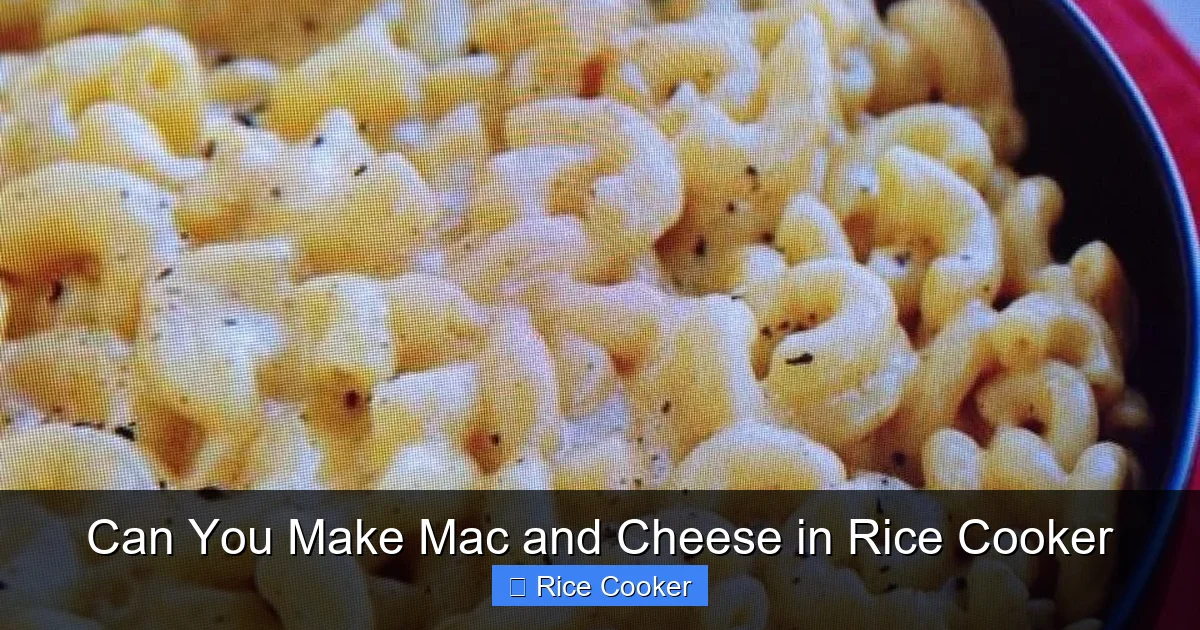
Making mac and cheese in a rice cooker is not only possible—it’s easier than you might think. With the right ingredients and a little technique, your rice cooker can create a rich, cheesy pasta dish that rivals traditional oven-baked versions. This method requires no stovetop or extra pots, making it perfect for busy weeknights or small kitchens.
Can You Make Mac and Cheese in Rice Cooker? Absolutely! If you’ve ever wondered whether your trusty rice cooker can do more than just steam grains, the answer is yes—and mac and cheese is one of the best things you can make with it. This simple, one-pot meal combines tender pasta with a luscious, gooey cheese sauce, all cooked effortlessly in under 30 minutes. Whether you’re short on time, avoiding cluttered burners, or just craving comfort food, this method delivers. Let’s dive into how to turn your rice cooker into a mac and cheese powerhouse.
Key Takeaways
- Yes, it’s possible: A rice cooker can cook pasta and create creamy mac and cheese without any special modifications to the appliance.
- Minimal prep required: Just combine pasta, milk, cheese, and seasonings in the inner pot and press “Cook.”
- No stirring needed: The sealed environment allows even cooking and prevents sticking when using the right amount of liquid.
- Creamy results: Adding cheese at the end and letting the residual heat melt it creates a smooth, velvety texture.
- Customizable: Add veggies, bacon, breadcrumbs, or different cheeses to suit your taste.
- Clean-up is easy: One pot means fewer dishes, and most parts are dishwasher-safe.
- Saves time: Total hands-off cooking makes this ideal for quick dinners after work or school.
📑 Table of Contents
Why Use a Rice Cooker for Mac and Cheese?
Using a rice cooker for mac and cheese might sound unconventional, but it comes with real benefits. First, it’s incredibly convenient. No need to boil water on the stove or monitor a pot—just add everything to the inner pot, close the lid, and let the machine do its magic. Second, cleanup is minimal. Only one bowl needs washing (and often, the insert is non-stick or ceramic-coated). Third, rice cookers maintain consistent heat, which helps cook pasta evenly without overcooking or turning mushy. Finally, this method works well in dorm rooms, apartments, or anywhere space is limited. It’s also great for meal prepping or feeding picky eaters who love gooey, cheesy meals.
The Science Behind Rice Cooker Mac and Cheese
You might be thinking: “But pasta needs boiling water…” And you’re right—but here’s the trick. When you use enough liquid—usually about 4–5 cups per pound of pasta—the rice cooker simulates a slow simmer inside a sealed environment. The starch from the pasta thickens the liquid as it absorbs moisture, creating a base for the cheese sauce. Most modern rice cookers have a “Cook” cycle that maintains 194–212°F (90–100°C), ideal for softening pasta without burning.
The key is timing. Unlike boiling on the stove, where you drain excess water, the rice cooker keeps all the liquid in contact with the pasta. This means you don’t need to worry about draining—just let the cooker finish its cycle. Then, stir in shredded cheese at the very end. The residual heat melts the cheese beautifully, resulting in a creamy texture without lumps or scorching.
Ingredients You’ll Need
Making mac and cheese in a rice cooker is all about balance. Too little liquid, and the pasta won’t cook. Too much, and it becomes soupy. Here’s what you typically need:
– **Elbow macaroni** (or small pasta shapes): Classic choice because they hold sauce well.
– **Whole milk or half-and-half**: For creaminess. You can substitute with evaporated milk for richer results.
– **Heavy cream (optional)**: Adds extra richness.
– **Butter**: Helps bind ingredients and enhances flavor.
– **Cheese**: Sharp cheddar is popular, but try combinations like Gruyère, Parmesan, or mozzarella.
– **Flour or cornstarch**: Optional thickener (about 1–2 tablespoons) if you want a thicker sauce.
– **Salt, pepper, mustard powder**: Standard seasonings; feel free to add garlic powder or paprika.
– **Water or broth**: To reach the right liquid level.
For example, a basic recipe calls for:
– 8 oz elbow macaroni
– 4 cups milk
– 1 cup shredded cheddar
– 2 tbsp butter
– 1 tsp Dijon mustard (optional)
– Salt and pepper to taste
Step-by-Step Instructions
Prep Your Ingredients
Start by measuring out your dry pasta. Do not rinse or soak it. Just add it directly to the inner pot of your rice cooker along with butter and salt. This ensures even coating and better starch release.
Add Liquid
Pour in warm milk (not cold—this helps prevent temperature shock). If your rice cooker has markings, fill until the liquid line matches the pasta level. Usually, you’ll need about 4 cups of liquid for 8 ounces of dry pasta.
Season Well
Add mustard, pepper, and any other spices. Stir gently with a fork or spatula so nothing sticks to the bottom before cooking begins.
Cook on “Normal” or “White Rice” Setting
Close the lid securely and select the standard cooking function. Avoid using “Quick Cook” or “Pressure Cook” unless your model specifically supports them—most rice cookers don’t have those settings.
Let it run through the full cycle. The timer usually takes around 20–25 minutes. After completion, open the lid carefully—steam will release!
Add Cheese Immediately
Here’s the secret: never add cheese while cooking. Once the cycle ends, immediately remove the inner pot (use oven mitts if hot), stir in shredded cheese until fully melted. The warmth from the pasta will do the rest.
Rest and Serve
Let it sit for 3–5 minutes off-heat. This allows the sauce to thicken slightly. Then stir again before serving. Top with extra cheese, breadcrumbs, or crispy bacon if desired.
Tips for Perfect Results Every Time
Even though rice cooker mac and cheese seems foolproof, a few tweaks can elevate it:
– **Use room-temperature milk**: Prevents shocking the cooker and ensures smoother mixing.
– **Shred your own cheese**: Pre-shredded cheese contains anti-caking agents that can make sauces grainy.
– **Don’t overfill**: Leave space above the pasta—steam needs room to circulate.
– **Stir once after cooking**: Even though it’s sealed, occasional stirring helps distribute heat and prevent clumping.
– **Add cheese gradually**: Start with half, then mix thoroughly before adding the rest.
– **Experiment with textures**: For baked-style mac, transfer to an oven-safe dish, top with breadcrumbs, and broil for 3–5 minutes.
Common Mistakes to Avoid
Many people fail at rice cooker mac and cheese because they skip these basics:
– **Not enough liquid**: Pasta turns gummy instead of al dente.
– **Adding cheese too early**: Can cause separation or uneven melting.
– **Using low-fat milk**: Results in thin, watery sauce.
– **Overcooking**: Some rice cookers stay on “Keep Warm” too long—check if yours does, and remove promptly.
– **Skipping flour/cornstarch**: Without a thickener, sauce remains thin even after cheese is added.
If your first attempt is too runny, next time add a slurry (cornstarch + cold water) mixed into the cheese at the end.
Variations and Upgrades
Rice cooker mac and cheese isn’t just for plain cheddar lovers. Try these fun twists:
– **Buffalo Chicken Mac**: Shred rotisserie chicken, add hot sauce and blue cheese crumbles.
– **Veggie-Packed**: Sauté onions and bell peppers separately, then stir into finished mac.
– **Smoky Bacon & Gouda**: Crisp up bacon in the microwave, chop, and fold in with sharp gouda.
– **Italian Herb**: Mix in sun-dried tomatoes, spinach, and Italian seasoning.
– **Spicy Jalapeño Popper**: Add diced jalapeños and cream cheese cubes.
These variations keep leftovers exciting and stretch your ingredient list creatively.
Storage and Reheating Tips
Leftovers store beautifully! Transfer to an airtight container and refrigerate for up to 4 days. Reheat in the microwave in 30-second intervals, stirring between each, or warm on the stovetop with a splash of milk to restore creaminess. Avoid reheating in the rice cooker—it’s not designed for that.
Frequently Asked Questions
Do I need a special type of rice cooker?
No. Any standard rice cooker with a removable inner pot works fine. Models with fuzzy logic or micro-processor controls tend to perform better due to precise temperature regulation.
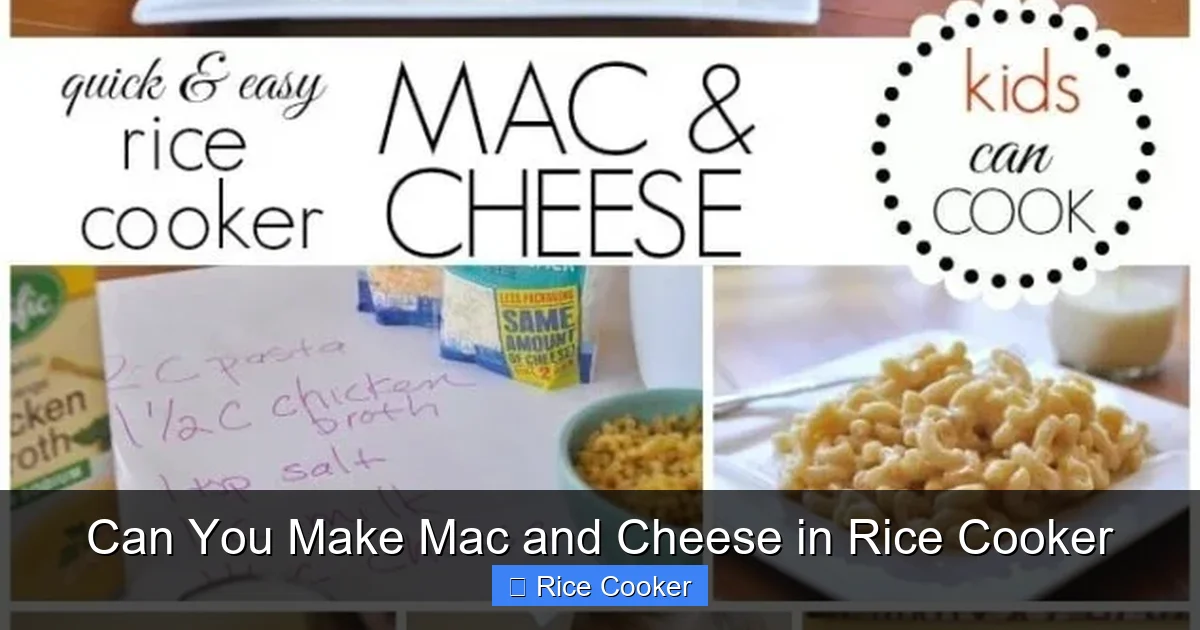
Visual guide about Can You Make Mac and Cheese in Rice Cooker
Image source: yourhomebasedmom.com
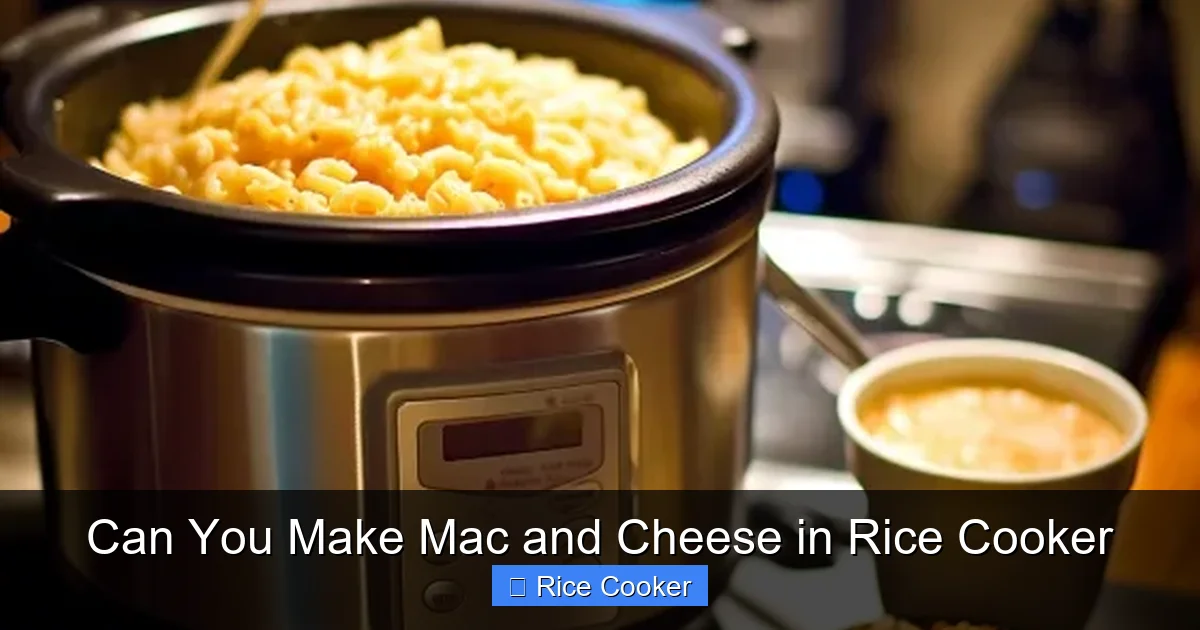
Visual guide about Can You Make Mac and Cheese in Rice Cooker
Image source: ricecookerjunkie.com
Can I use other types of pasta?
Yes! Small shapes like penne, shells, or rotini work well. Avoid long noodles like spaghetti—they tangle and don’t absorb sauce as effectively.
What if my mac and cheese turns out watery?
Add a cornstarch slurry (1 tbsp cornstarch + 2 tbsp cold water, mixed well) to the pot after cooking. Stir over low heat for 2–3 minutes until thickened.
Is it safe to leave it in “Keep Warm” mode?
It’s okay for short periods, but prolonged exposure can overcook pasta. Remove immediately once done and enjoy right away.
Can kids eat this?
Absolutely! It’s kid-friendly and customizable. Try mild cheeses like mozzarella or add hidden veggies like pureed carrots.
Does it work with gluten-free pasta?
Most gluten-free pastas behave differently—they may require longer cooking times or more liquid. Test a small batch first and adjust accordingly.
Final Thoughts
Making mac and cheese in a rice cooker is a game-changer for anyone looking to simplify dinner without sacrificing flavor. It’s hands-off, fast, and surprisingly reliable. Whether you’re cooking solo, feeding a family, or just want a cozy meal after a long day, this method delivers satisfaction every time. Plus, it proves that kitchen appliances aren’t limited to their original purposes—innovation happens when we get creative!
Give it a try tonight. Grab your favorite pasta, some good cheese, and that trusty rice cooker. In less than half an hour, you’ll have a bowl of golden, bubbling, cheesy perfection waiting for you. And honestly? It tastes almost identical to the version made on the stove—maybe even better, since there’s no risk of burning or drying out.
So go ahead—make mac and cheese in your rice cooker. Your taste buds (and your busy schedule) will thank you.
Frequently Asked Questions
Do I need a special type of rice cooker?
No. Any standard rice cooker with a removable inner pot works fine. Models with fuzzy logic or micro-processor controls tend to perform better due to precise temperature regulation.
Can I use other types of pasta?
Yes! Small shapes like penne, shells, or rotini work well. Avoid long noodles like spaghetti—they tangle and don’t absorb sauce as effectively.
What if my mac and cheese turns out watery?
Add a cornstarch slurry (1 tbsp cornstarch + 2 tbsp cold water, mixed well) to the pot after cooking. Stir over low heat for 2–3 minutes until thickened.
Is it safe to leave it in “Keep Warm” mode?
It’s okay for short periods, but prolonged exposure can overcook pasta. Remove immediately once done and enjoy right away.
Can kids eat this?
Absolutely! It’s kid-friendly and customizable. Try mild cheeses like mozzarella or add hidden veggies like pureed carrots.
Does it work with gluten-free pasta?
Most gluten-free pastas behave differently—they may require longer cooking times or more liquid. Test a small batch first and adjust accordingly.