

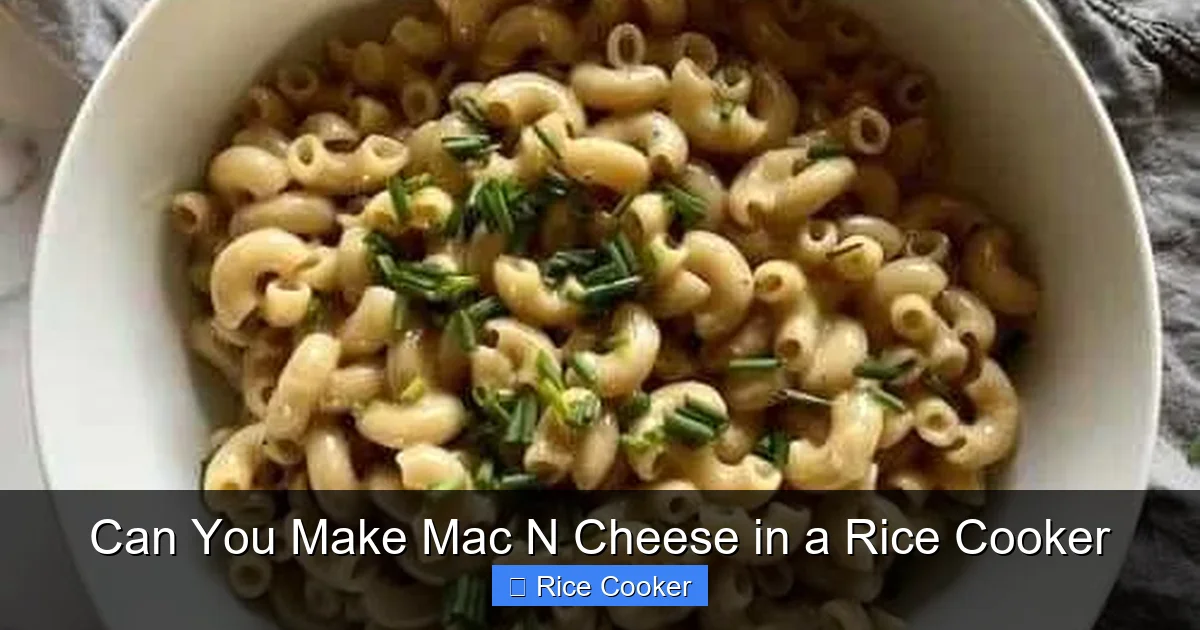
Making mac n cheese in a rice cooker is not only possible—it’s quick, foolproof, and tastes just as good as the stovetop version. With just elbow macaroni, milk, butter, cheese, and your rice cooker, you can create a creamy, cheesy dish in under 30 minutes. This method is perfect for beginners, college students, or anyone looking to simplify dinner without sacrificing flavor.
Key Takeaways
- Yes, it’s possible: You can absolutely make mac and cheese in a rice cooker using the standard white rice setting.
- Minimal effort: Just combine pasta, water, milk, butter, and cheese in the inner pot, then let the machine do the work.
- Creamy results: The steam and slow-cooking process helps thicken the sauce naturally without constant stirring.
- Customizable: Add veggies, different cheeses, or spices to make it your own.
- Perfect for small servings: Ideal for single portions, dorm rooms, or families who prefer smaller meals.
- Saves time and cleanup: One-pot cooking means fewer dishes and faster prep.
- Great for beginners: No cooking experience needed—just follow a few simple steps.
📑 Table of Contents
- Can You Make Mac N Cheese in a Rice Cooker?
- Why Use a Rice Cooker for Mac and Cheese?
- Basic Ingredients You’ll Need
- Step-by-Step Instructions
- Tips for Perfect Rice Cooker Mac and Cheese
- Common Mistakes and How to Fix Them
- Creative Variations and Upgrades
- Is a Rice Cooker Better Than the Stovetop?
- Frequently Asked Questions
Can You Make Mac N Cheese in a Rice Cooker?
If you’re standing in your kitchen at 6 p.m., hungry but tired, wondering what’s for dinner, the idea of making mac and cheese might sound comforting—but only if it doesn’t take forever. Enter the humble rice cooker: that little appliance sitting on your counter, quietly waiting for its moment to shine. And yes—you can absolutely make mac and cheese in a rice cooker. In fact, it might just become your new favorite go-to recipe.
Forget boiling pots of water, sticky burners, or constantly stirring to prevent clumps. With a rice cooker, you can toss everything into one pot, press a button, and walk away. When you come back, you’ll have perfectly cooked pasta with a rich, creamy cheese sauce—no babysitting required. Whether you’re a college student, a busy parent, or someone who loves simple meals, this method is a game-changer. Plus, it uses ingredients you probably already have in your pantry.
In this article, we’ll walk you through exactly how to make mac and cheese in a rice cooker, why it works so well, and even some tips to make it extra delicious. We’ll also cover common questions, troubleshooting, and creative twists so you can turn this basic recipe into something truly special. By the end, you’ll be convinced that your rice cooker isn’t just for rice—it’s a versatile kitchen hero.
Why Use a Rice Cooker for Mac and Cheese?
At first glance, it might seem odd to use a rice cooker for something like mac and cheese. After all, those appliances are designed for grains, right? But here’s the thing: rice cookers are more than just for oatmeal and jasmine rice. They’re actually brilliant for one-pot meals because they maintain consistent heat and cook food evenly without scorching. When you add liquid and pasta together in the cooking cycle, the steam builds up and softens the noodles while the liquid gently thickens into a sauce—almost like a pressure cooker effect, but gentler.
Visual guide about Can You Make Mac N Cheese in a Rice Cooker
Image source: metrocookingdallas.com
The Science Behind the Magic
When you cook pasta in a rice cooker, the sealed environment traps steam, which increases pressure and temperature slightly above boiling point. This helps the pasta cook faster and absorb flavors more efficiently. At the same time, the residual heat continues to reduce the liquid, creating a thicker, creamier texture. It’s a form of simmering with steam, which mimics the best parts of stovetop cooking—without the mess.
Advantages of Rice Cooker Mac and Cheese
- Less cleanup: Only one pot to wash.
- Hands-off cooking: No stirring needed after adding ingredients.
- Consistent results: The rice cooker regulates temperature automatically.
- Energy-efficient: Uses less power than an electric stove.
- Portable: Great for dorms, RVs, or small kitchens.
So whether you’re cooking for one or two, this method keeps things simple, fast, and delicious. And honestly, once you try it, you might never go back to the old way.
Basic Ingredients You’ll Need
One of the best things about making mac and cheese in a rice cooker is how few ingredients you need. Most of them are pantry staples. Here’s what you’ll need to get started:

Visual guide about Can You Make Mac N Cheese in a Rice Cooker
Image source: number-2-pencil.com
Core Ingredients
- Elbow macaroni: Classic shape holds cheese sauce well. You can also use penne or small shells.
- Water or milk: Water cooks the pasta; milk adds creaminess. For richer results, use equal parts water and milk, or even all milk (though it may take longer).
- Butter: Adds richness and helps emulsify the cheese.
- Cheese: Shredded cheddar is traditional, but feel free to mix in mozzarella, Gruyère, Monterey Jack, or even smoked gouda.
- Salt and pepper: Basic seasoning to bring out the flavor.
Optional Add-Ins
- Dairy-free alternatives (like almond milk and vegan cheese)
- Bacon bits or cooked ham for smoky depth
- Garlic powder, paprika, or mustard powder for extra flavor
- Diced onions, broccoli, or spinach for a veggie boost
Keep in mind that adding too many extras can affect cooking time and texture, so start simple and experiment later. The beauty of this recipe is its adaptability—once you master the basics, the possibilities are endless.
Step-by-Step Instructions
Ready to make your first batch? Follow these easy steps for foolproof mac and cheese every time.
1. Prep Your Ingredients
Measure out 1 cup of dry macaroni, 2 cups of liquid (water, milk, or a combo), 1 tablespoon of butter, 1–2 cups of shredded cheese, and a pinch each of salt and pepper. If you’re adding anything else—like vegetables or bacon—chop and prepare them now.
2. Add Everything to the Rice Cooker Pot
Open your rice cooker and remove the inner pot. Add the macaroni, liquid, butter, salt, and any optional seasonings. Stir gently to combine. Don’t worry if the pasta isn’t fully submerged—the rice cooker will adjust as it heats up.
3. Close the Lid and Start Cooking
Place the inner pot back into the rice cooker, close the lid securely, and plug it in. Select the “White Rice” setting (most models have preset options). The cooking cycle typically takes about 20–25 minutes. Avoid opening the lid during cooking to keep steam inside.
4. Check and Stir (Usually Not Needed)
After the cycle ends, wait 2–3 minutes before opening. Some people stir lightly with a fork to break up any clumps. Then add the cheese and stir until melted and smooth. If it’s too dry, add a splash of warm milk. If it’s too wet, let it sit for a few more minutes—the residual heat will continue thickening it.
5. Serve Immediately
Pour into bowls, top with extra cheese or breadcrumbs if desired, and enjoy while hot. This dish is best fresh, but you can reheat leftovers in the microwave or on the stovetop.
Tips for Perfect Rice Cooker Mac and Cheese
Even though this recipe is simple, a few small tweaks can make a big difference in taste and texture. Here are some pro tips to help you nail it every time.
Use Freshly Shredded Cheese
Pre-shredded cheese contains anti-caking agents that can make sauces grainy. Freshly shredded cheese melts smoother and tastes better. Save time by shredding ahead of time and storing in an airtight bag.
Don’t Overfill the Pot
Most rice cookers hold about 6–8 cups of liquid when full. Stick to 2–3 cups max for best results. Too much liquid can dilute the cheese sauce and extend cooking time unnecessarily.
Let It Rest After Cooking
After the cycle finishes, let the mac and cheese sit for 3–5 minutes with the lid closed. This allows the sauce to thicken naturally—similar to letting risotto rest off the heat.
Adjust Consistency as Needed
Every rice cooker behaves slightly differently. If your result is too soupy, transfer to a saucepan over low heat and simmer for 2–3 minutes, stirring constantly. Too thick? Stir in a little warm milk or cream.
Experiment with Cheese Blends
A mix of cheeses gives depth and complexity. Try 1 cup sharp cheddar + ½ cup Gruyère + ¼ cup Parmesan. Or go bold with pepper jack and cream cheese for extra richness.
Make It Creamier (Without Extra Dairy)
Add a spoonful of sour cream or Greek yogurt at the end for tang and silkiness. These act as natural thickeners and complement the cheese beautifully.
For Vegan Version
Replace dairy milk with unsweetened soy, almond, or oat milk. Use nutritional yeast instead of cheese, or try store-bought vegan cheese shreds. The cooking process remains the same.
Common Mistakes and How to Fix Them
Even experienced cooks run into hiccups sometimes. Here’s how to avoid (and fix) the most common issues when making mac and cheese in a rice cooker.
Mistake #1: The Pasta Is Still Hard
This usually happens if you used too little liquid or didn’t let it cook long enough. To fix it, transfer the mac and cheese to a saucepan and simmer over low heat with a splash of milk until tender. Alternatively, add more liquid (1–2 tbsp at a time) and re-cover for 5–10 minutes.
Mistake #2: Sauce Is Too Thin
Too much liquid or not enough reduction leads to a runny sauce. Let it sit uncovered for 5–10 minutes after cooking to evaporate excess moisture. You can also mix 1 tsp cornstarch with 1 tbsp cold water and stir it in to thicken.
Mistake #3: Cheese Doesn’t Melt Smoothly
Pre-shredded cheese often fails here. Always use fresh cheese. Also, add cheese gradually and stir constantly over low heat if reheating. Cold cheese melts better than warm.
Mistake #4: Rice Cooker Smells Like Old Rice
If your appliance has lingering odors, clean the inner pot thoroughly after each use. A quick rinse with warm soapy water and a wipe with baking soda paste can eliminate stubborn smells.
Mistake #5: Overcooking or Burnt Bottom
Some rice cookers have hot spots. To prevent burning, stir once halfway through cooking (if safe to open the lid) or switch to the “Slow Cook” mode on newer models. Never leave it unattended for too long.
Creative Variations and Upgrades
Once you’ve mastered the classic version, you can get really creative. Here are some fun ways to upgrade your rice cooker mac and cheese.
Buffalo Chicken Mac & Cheese
Toss in 1 cup of shredded rotisserie chicken, ½ cup hot sauce, and 1 tbsp butter. Top with blue cheese crumbles and serve with celery sticks. Perfect for game day!
Spicy Jalapeño Cheddar
Add diced jalapeños and a dash of cayenne pepper. Mix in cream cheese for extra creaminess. Great for spice lovers.
Breakfast Mac and Cheese
Stir in scrambled eggs, crumbled bacon, and chives. Season with smoked paprika and black pepper. Serve with toast on the side.
Italian Herb Style
Add 1 tsp Italian seasoning, ¼ cup sun-dried tomatoes (chopped), and ½ cup grated Parmesan. Top with fresh basil.
Kid-Friendly Fun
Use fun-shaped pasta, mild cheese like mozzarella, and add steamed peas or carrots. Sprinkle with crushed crackers for crunch.
These variations show how versatile the base recipe is. Once you understand the fundamentals, you can customize it to match any mood, occasion, or craving.
Is a Rice Cooker Better Than the Stovetop?
That depends on what you value most. Both methods produce excellent mac and cheese, but they each have pros and cons.
Stovetop Advantages
- More control over texture and timing
- Ability to brown the cheese crust (via broiler)
- Better for large batches
- Traditional technique passed down for generations
Rice Cooker Advantages
- No stirring required
- Faster for small servings
- Less cleanup
- Ideal for dorms or apartments without stoves
- Gentle cooking preserves nutrients
If you want restaurant-style béchamel with a golden top, stick to the stovetop. But if convenience, speed, and simplicity matter more—especially for one or two people—the rice cooker wins hands down.
Frequently Asked Questions
Can I use gluten-free pasta?
Yes! Gluten-free elbow macaroni works perfectly in a rice cooker. Just be aware that some brands cook faster or slower than regular pasta—check package instructions and adjust liquid accordingly.
How do I reheat leftover mac and cheese?
Transfer to a microwave-safe bowl and heat in 30-second intervals, stirring between each. Add a splash of milk to restore creaminess. Alternatively, warm on the stovetop over low heat with a lid on.
Can I make this ahead of time?
It’s best eaten fresh, but you can store leftovers in an airtight container for up to 3 days. Reheat as above. Freezing is possible for up to 2 months—thaw overnight in the fridge before reheating.
What if my rice cooker doesn’t have a “White Rice” setting?
Any standard cooking cycle works. If unsure, consult your manual. Some newer models have “Pasta” or “Multigrain” settings—those are fine too.
Do I need to grease the rice cooker pot?
Not usually. The non-stick coating prevents sticking. But if you’re worried, lightly coat with cooking spray or oil before adding ingredients.
Can I add vegetables?
Yes—but add them early and choose softer veggies like zucchini, mushrooms, or spinach. Harder ones like broccoli may need longer cooking times. Steam-cooked veggies stay tender and bright.
Frequently Asked Questions
Can I use gluten-free pasta?
Yes! Gluten-free elbow macaroni works perfectly in a rice cooker. Just be aware that some brands cook faster or slower than regular pasta—check package instructions and adjust liquid accordingly.
How do I reheat leftover mac and cheese?
Transfer to a microwave-safe bowl and heat in 30-second intervals, stirring between each. Add a splash of milk to restore creaminess. Alternatively, warm on the stovetop over low heat with a lid on.
Can I make this ahead of time?
It’s best eaten fresh, but you can store leftovers in an airtight container for up to 3 days. Reheat as above. Freezing is possible for up to 2 months—thaw overnight in the fridge before reheating.
What if my rice cooker doesn’t have a “White Rice” setting?
Any standard cooking cycle works. If unsure, consult your manual. Some newer models have “Pasta” or “Multigrain” settings—those are fine too.
Do I need to grease the rice cooker pot?
Not usually. The non-stick coating prevents sticking. But if you’re worried, lightly coat with cooking spray or oil before adding ingredients.
Can I add vegetables?
Yes—but add them early and choose softer veggies like zucchini, mushrooms, or spinach. Harder ones like broccoli may need longer cooking times. Steam-cooked veggies stay tender and bright.