

Making mashed potatoes in a rice cooker is not only possible but also surprisingly easy. With the right ingredients and technique, you can enjoy creamy, fluffy potatoes without boiling water or scrubbing pots. This hands-off method is perfect for busy weeknights or meal prep.
Key Takeaways
- Yes, you can make mashed potatoes in a rice cooker – it’s simple, efficient, and uses minimal equipment.
- Use starchy potatoes like russet or Yukon Gold for the best texture and creaminess.
- Soaking and salting help remove excess starch, preventing gummy mashed potatoes.
- A rice cooker’s steam function mimics boiling, cooking potatoes evenly without scorching.
- Mashing after cooking ensures fluffy results – no need to peel while hot.
- Customize with butter, milk, garlic, or herbs for flavor variations.
- Cooking in batches prevents overcrowding, which affects steam circulation.
📑 Table of Contents
- Can You Make Mashed Potatoes in Rice Cooker?
- Why Use a Rice Cooker for Mashed Potatoes?
- Best Types of Potatoes for Rice Cooker Mashed Potatoes
- Step-by-Step Guide: How to Make Mashed Potatoes in a Rice Cooker
- Tips for Perfect Rice Cooker Mashed Potatoes
- Common Mistakes to Avoid
- Can You Make Other Types of Mashed Potatoes in a Rice Cooker?
- How Long Does It Take to Make Mashed Potatoes in a Rice Cooker?
- Storage and Reheating Tips
- Frequently Asked Questions
- Final Thoughts
Can You Make Mashed Potatoes in Rice Cooker?
If you’re tired of standing over a pot of boiling water, stirring and scraping, and dealing with messy cleanup, you’re in for a treat. Making mashed potatoes in a rice cooker might sound unconventional, but it’s not only possible—it’s one of the easiest ways to prepare them. The rice cooker handles the hard part: even, moist heat that cooks potatoes perfectly without burning or drying them out.
In this article, we’ll walk you through everything you need to know about making mashed potatoes in a rice cooker. From choosing the right potatoes to mastering the mash, we’ll cover tips, tricks, and recipe ideas so you can serve restaurant-quality side dishes at home—with just one appliance.
Why Use a Rice Cooker for Mashed Potatoes?
The Convenience Factor
One of the biggest reasons people love using a rice cooker for mashed potatoes is convenience. Unlike traditional methods that require constant attention—boiling, draining, and mashing—the rice cooker does most of the work automatically. Once you add the ingredients and press start, you can focus on other tasks. When the cycle ends, your potatoes are cooked, tender, and ready to be mashed.
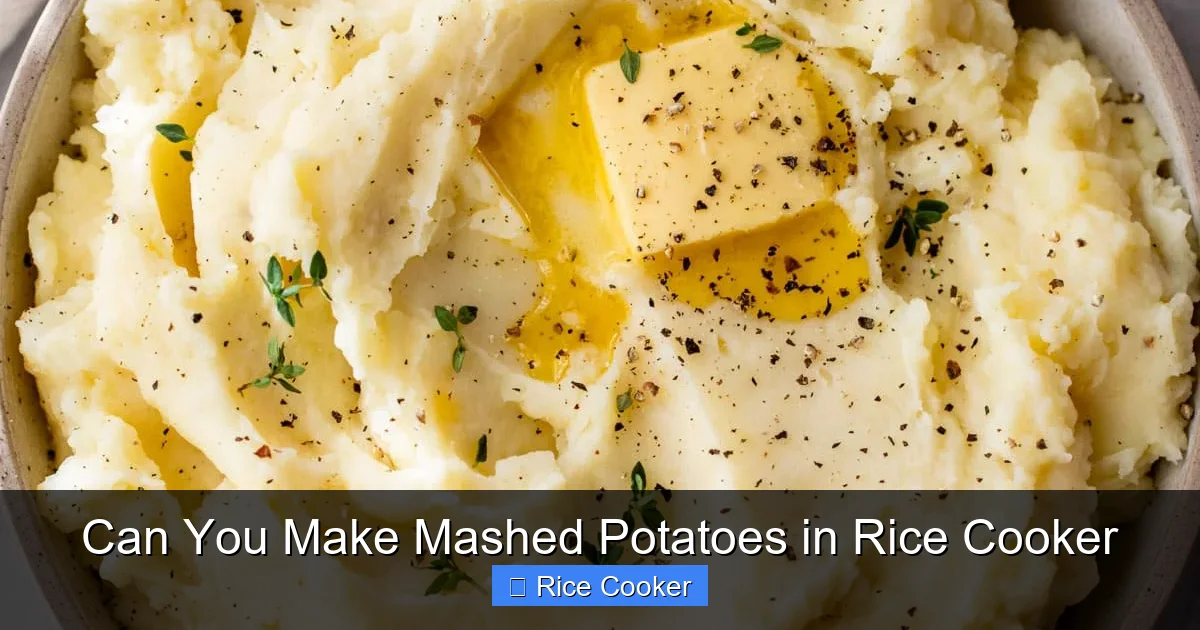
Visual guide about Can You Make Mashed Potatoes in Rice Cooker
Image source: wellplated.com
Energy Efficiency
Rice cookers use less energy than stovetop methods. They’re designed to maintain steady heat without overcooking, which means fewer chances of scorching or burning. Plus, since there’s no open flame, they’re safer and more consistent—especially useful if you’re cooking for kids or have limited kitchen space.
Even Cooking
Starchy potatoes like russets don’t always cook evenly on the stove. Some parts may be mushy while others stay firm. A rice cooker distributes heat evenly, ensuring every piece of potato reaches the same perfect tenderness. This consistency leads to smoother, fluffier mashed potatoes.
Minimal Cleanup
With a rice cooker, you only need one pot. No separate saucepan, colander, or mixing bowls. After mashing, simply wipe the inner pot—no scrubbing burnt-on bits. This makes it ideal for quick meals or when you’re short on time.
Best Types of Potatoes for Rice Cooker Mashed Potatoes
Not all potatoes are created equal when it comes to mashing. The key is choosing varieties high in starch and low in moisture. These break down easily during cooking and create a light, airy texture.
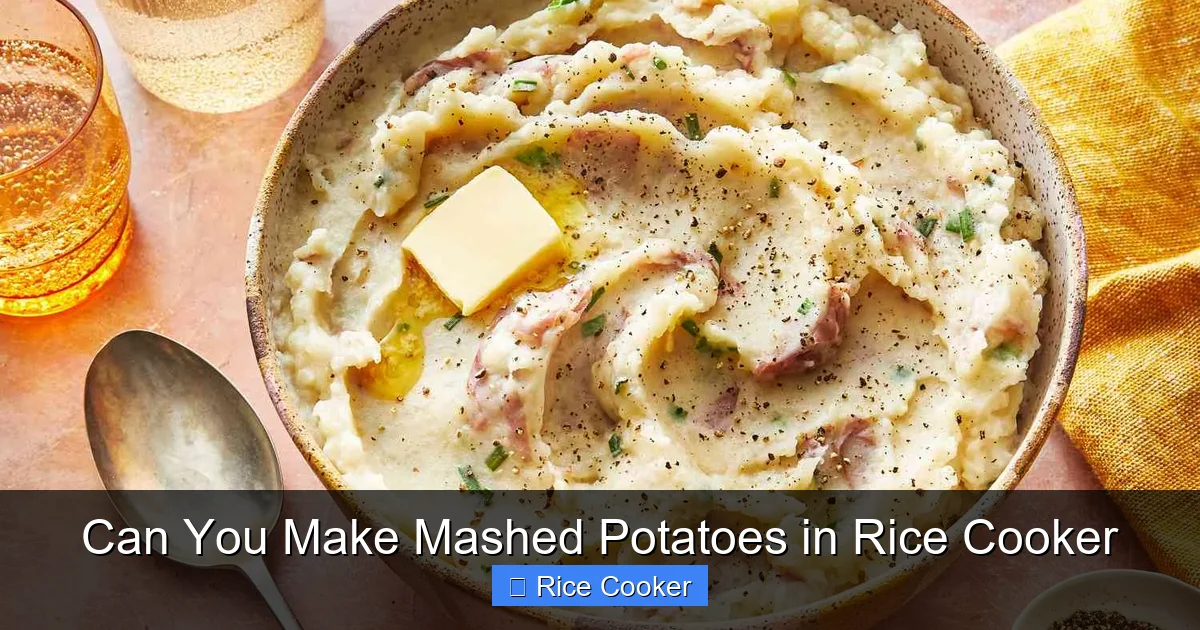
Visual guide about Can You Make Mashed Potatoes in Rice Cooker
Image source: southernliving.com
Russet Potatoes
Russets are the gold standard for mashed potatoes. Their high starch content and low water yield ultra-fluffy results. They absorb flavors well and mash into a smooth paste without becoming gluey. If you only buy one type of potato, make it russets.
Yukon Gold Potatoes
Yukon Golds are slightly creamier than russets due to their natural buttery flavor and moderate starch level. They hold their shape better during cooking, which can prevent over-mashing. Great if you prefer a richer taste with a soft texture.
Red Potatoes (Not Recommended)
While red potatoes are waxy and great for roasting, they contain too much moisture and too few starches. Using them for mashed potatoes often results in gummy, dense mash. Avoid them unless you’re experimenting.
How to Select Fresh Potatoes
Look for firm, smooth-skinned potatoes without green spots or sprouts. Green areas indicate exposure to light and can cause bitterness. Avoid soft or shriveled ones—they won’t cook properly in the rice cooker.
Step-by-Step Guide: How to Make Mashed Potatoes in a Rice Cooker
Ready to try it? Here’s a foolproof method for perfect rice cooker mashed potatoes.
Ingredients You’ll Need
- 2 pounds (about 900g) of peeled potatoes (russet or Yukon Gold)
- 1 teaspoon salt (plus more to taste)
- 2–3 cups water (enough to cover potatoes)
- 2–4 tablespoons butter (optional, for creaminess)
- ½ cup milk or cream (warm, for richness)
- Garlic powder, black pepper, chives, or parsley (optional, for flavor)
Equipment Checklist
- Standard rice cooker (with inner pot)
- Knife and cutting board
- Measuring cups and spoons
- Fork or masher (preferably silicone)
- Potholders or oven mitts (for safety)
Step 1: Prep the Potatoes
Wash and peel the potatoes. Cut them into uniform chunks—about 1–2 inches thick. Uniform size ensures even cooking. Smaller pieces will cook faster; larger ones may stay underdone.
Step 2: Soak and Salt (Optional but Helpful)
Soak the cut potatoes in cold water for 15–20 minutes. This removes excess starch, which keeps mashed potatoes from becoming sticky or gloopy. After soaking, drain and rinse briefly.
Add 1 teaspoon of salt to the rice cooker pot. This enhances flavor and helps draw out moisture during cooking.
Step 3: Add Water and Cook
Add enough water to cover the potatoes by about an inch. Place the pot inside the rice cooker and close the lid. Turn on the machine and select the “Steam” or “White Rice” setting. Most rice cookers will take 25–35 minutes to fully cook the potatoes.
Step 4: Test for Doneness
After the cycle ends, carefully open the lid. The potatoes should slide off a fork easily. If any are still firm, close the lid and let them steam for another 5 minutes.
Step 5: Drain and Mash
Drain the potatoes completely. Let them sit for 1–2 minutes to release steam, then transfer to a large bowl. Use a masher or fork to crush them while they’re still warm. Add butter, warm milk, and seasonings. Mix until smooth and creamy.
Step 6: Adjust Consistency and Taste
If the mash is too thick, add a splash more warm milk. Too thin? Add a little extra potato or let it sit uncovered for a minute to reduce moisture. Taste and adjust salt, pepper, or herbs as needed.
Tips for Perfect Rice Cooker Mashed Potatoes
Want your mashed potatoes to be truly outstanding? Follow these expert tips.
Don’t Overcrowd the Pot
Only cook enough potatoes to fit comfortably in the rice cooker without stacking them too high. Overcrowding blocks steam flow and leads to uneven cooking. If you’re making a large batch, consider doing it in two rounds.
Use Warm Milk and Butter
Cold dairy makes mashed potatoes lumpy. Always warm your milk or cream and soften butter before adding them. This creates a smoother blend and prevents temperature shock.
Resist Over-Mixing
Overworking the potatoes develops gluten, making them tough. Stir gently and stop as soon as the mixture becomes uniform. A few small lumps are fine—they’ll disappear when served.
Flavor Variations
Try these creative twists:
- Cheesy Mashed Potatoes: Stir in shredded cheddar or Gruyère after mashing.
- Garlic Herb Mash: Sauté minced garlic in butter before adding it to the potatoes.
- Smoky Bacon Mash: Crumble cooked bacon into the mix for salty crunch.
- Lemon-Dill Mash: Zest of one lemon plus fresh dill for bright flavor.
Keep Them Warm Until Serving
If you’re not serving immediately, transfer the mashed potatoes to a slow cooker or insulated container. Cover with a lid or foil to retain heat and prevent drying.
Common Mistakes to Avoid
Even with the best intentions, mistakes happen. Here’s how to avoid them.
Mashing Before Cooking Is Complete
Never mash raw or half-cooked potatoes. They’ll turn into a paste instead of fluffy bites. Always wait until they’re fully tender.
Skipping the Soak
If you skip soaking, your potatoes may stick together or become gummy. It’s a small step, but it makes a big difference in texture.
Using the Wrong Setting
Some rice cookers have “Brown Rice” or “Quick Cook” modes that don’t provide enough heat for potatoes. Stick to “White Rice” or “Steam” for best results.
Not Draining Well
Excess water makes mashed potatoes watery. Always drain thoroughly and let them sit for a minute to release steam.
Adding Dairy Too Early
Adding cold butter and milk to hot potatoes can cause curdling. Let the potatoes cool slightly (but still warm) before mixing in fats.
Can You Make Other Types of Mashed Potatoes in a Rice Cooker?
Absolutely! The rice cooker works well with many variations.
Vegan Mashed Potatoes
Replace butter with olive oil or vegan butter, and use plant-based milk like almond or oat. Add nutritional yeast for a cheesy note. These still come out creamy and delicious.
Sweet Potato Mash
Swap regular potatoes for sweet potatoes. They’re naturally sweeter and richer. Cook them the same way, then mash with coconut milk and cinnamon for a dessert-like side.
Herbed Garlic Mashed Potatoes
Sauté minced garlic and fresh herbs like rosemary or thyme in butter. Fold into the mash just before serving. The aroma alone will elevate your meal.
Loaded Baked Potato Mash
Mash baked potatoes and stir in sour cream, cheese, bacon bits, and green onions. Serve in hollowed-out potato skins for a fun presentation.
How Long Does It Take to Make Mashed Potatoes in a Rice Cooker?
Total time is usually around 45–60 minutes, including prep and mashing. The actual cooking takes 25–35 minutes depending on your rice cooker model and potato size. For fastest results, cut potatoes into smaller cubes.
Storage and Reheating Tips
Leftover mashed potatoes keep well for up to 4 days in the fridge. Store in an airtight container. To reheat, microwave in 30-second intervals with a splash of milk to restore creaminess. Alternatively, warm them in a saucepan over low heat, stirring constantly.
Freezing is possible—portion into freezer bags and thaw overnight in the fridge. Note: texture may be slightly softer upon thawing, so add extra milk when reheating.
Frequently Asked Questions
Do I need a special rice cooker for mashed potatoes?
No. Any standard rice cooker with an inner pot works. Just make sure it has enough capacity for your potato amount.
Can I use a pressure cooker instead?
Yes! Pressure cookers cook potatoes faster—usually 8–10 minutes under high pressure. Just follow similar steps: soak, salt, cook, then mash.
What if my potatoes aren’t fully cooked?
Close the lid and let them steam for 5–10 more minutes. Check again with a fork. Never mash undercooked potatoes.
Can I make mashed potatoes ahead of time?
Yes! Prepare them up to 24 hours in advance. Keep warm in a slow cooker or insulated container. Reheat gently with milk.
Is it healthier than stove-top mashed potatoes?
Both methods are similar nutritionally. The rice cooker uses no added fat beyond what you include, so it’s comparable if you control ingredients.
Can I add cheese while cooking?
It’s best to add cheese after cooking and mashing. Adding it during steaming won’t melt properly and may clog the rice cooker.
Final Thoughts
Making mashed potatoes in a rice cooker is a game-changer for home cooks who want simplicity without sacrificing quality. It’s hands-free, energy-efficient, and produces consistently fluffy results every time. Whether you’re feeding a crowd or whipping up a quick dinner, this method saves time and reduces stress.
Give it a try with our easy recipe above. Once you’ve mastered basic mashed potatoes, experiment with flavors and textures. Your family will never know how effortless it was!
Frequently Asked Questions
Do I need a special rice cooker for mashed potatoes?
No, any standard rice cooker with an inner pot will work. Just ensure it has enough capacity for your potato quantity.
Can I use a pressure cooker instead?
Yes, pressure cookers cook potatoes quickly—usually 8–10 minutes under high pressure. Soak, salt, cook, then mash.
What if my potatoes aren’t fully cooked?
Close the lid and let them steam for 5–10 more minutes. Check with a fork—never mash undercooked potatoes.
Can I make mashed potatoes ahead of time?
Yes! Prepare them up to 24 hours in advance and store in an airtight container. Reheat gently with milk.
Is it healthier than stove-top mashed potatoes?
Nutritionally similar. Both depend on ingredients. The rice cooker method avoids extra oils if you skip frying.
Can I add cheese while cooking?
Not recommended. Add cheese after mashing so it melts evenly without clogging the rice cooker.