
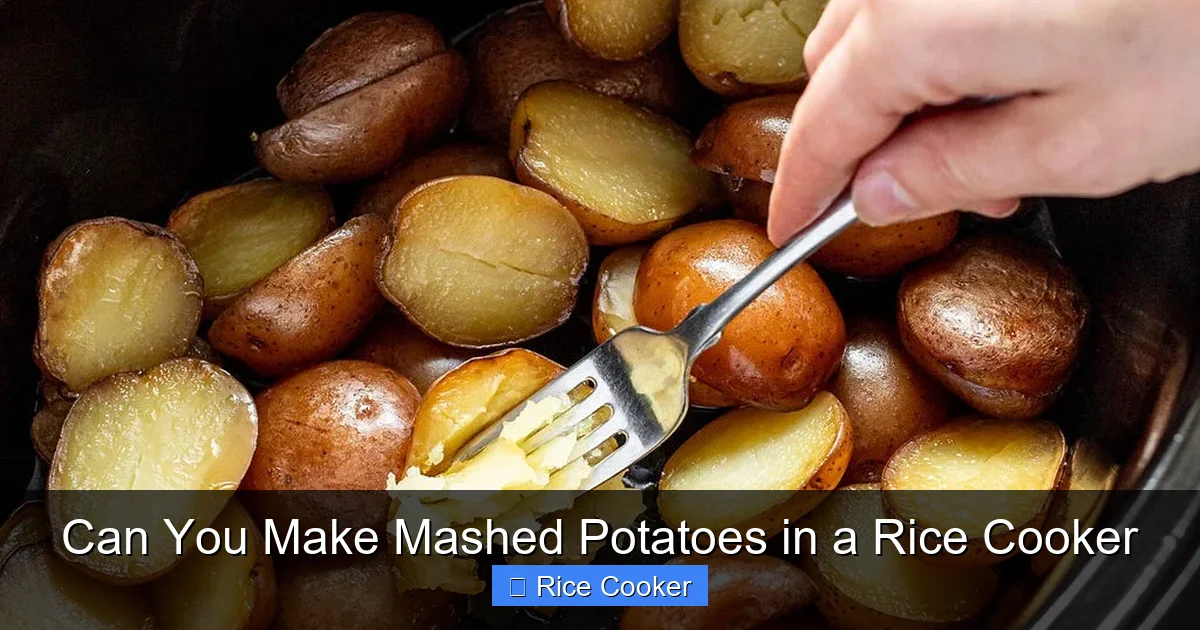
Making mashed potatoes in a rice cooker is not only possible—it’s easy and foolproof. With just peeled potatoes, water, and a little seasoning, your rice cooker does the hard work of boiling and steaming. You’ll get creamy, fluffy results with zero extra pots or pans. Whether you’re short on time or just love kitchen hacks, this method saves energy and cuts cleanup.
Key Takeaways
- Rice cookers can steam and mash potatoes perfectly. The built-in steaming function cooks potatoes evenly and leaves them tender enough to mash by hand or with a fork.
- You don’t need a food processor or mixer. Most rice cookers have a “keep warm” setting that helps retain moisture, making potatoes soft without overcooking.
- This method works best with starchy potatoes. Russet, Yukon Gold, or red potatoes hold their shape well and mash into a smooth texture.
- Seasonings are added after cooking. Salt, butter, milk, or cream should go in after the potatoes are cooked to avoid altering the cooking process.
- It’s ideal for meal prepping. Cook a big batch ahead of time and reheat gently in the same pot using the warm setting.
- Cleanup is minimal. Just one pot means less scrubbing and fewer dishes—perfect for busy weeknights.
- Customize your mash. Add garlic, cheese, herbs, or even bacon bits for flavor variations without extra steps.
📑 Table of Contents
- Can You Make Mashed Potatoes in a Rice Cooker? Absolutely—and Here’s How!
- Why Use a Rice Cooker for Mashed Potatoes?
- What You’ll Need to Make Mashed Potatoes in a Rice Cooker
- Step-by-Step Guide: How to Make Mashed Potatoes in a Rice Cooker
- Tips for Perfect Rice Cooker Mashed Potatoes
- Common Mistakes to Avoid
- How Long Does It Take?
- Cleaning and Maintenance
- FAQs
Can You Make Mashed Potatoes in a Rice Cooker? Absolutely—and Here’s How!
If you’ve ever stared at a pot of boiling potatoes, wishing there was an easier way to get that perfect, velvety mash, you’re not alone. Cooking mashed potatoes traditionally means peeling, chopping, boiling, draining, and mashing—all in separate steps. But what if we told you that your rice cooker, the trusty kitchen appliance you use for fluffy rice, could do most of the work for you?
Yes, you heard that right: you can make mashed potatoes in a rice cooker. It’s a clever kitchen hack that saves time, reduces cleanup, and still delivers restaurant-quality results. No fancy equipment needed—just potatoes, water, salt, and a little know-how. Whether you’re cooking for two or feeding a crowd, this method is surprisingly efficient and surprisingly tasty.
In this guide, we’ll walk you through everything you need to know about making mashed potatoes in a rice cooker. From choosing the right potatoes to seasoning like a pro, you’ll be surprised at how simple and effective this technique is. Plus, we’ll share tips, tricks, and even recipe ideas to take your mashed potatoes to the next level. Ready to give it a try? Let’s get started.
Why Use a Rice Cooker for Mashed Potatoes?
At first glance, a rice cooker might seem like an unusual tool for making mashed potatoes. After all, they’re designed for grains, not root vegetables. But rice cookers have evolved into versatile kitchen gadgets, and many models come with multiple functions—including steaming and slow-cook modes—that make them ideal for more than just rice.
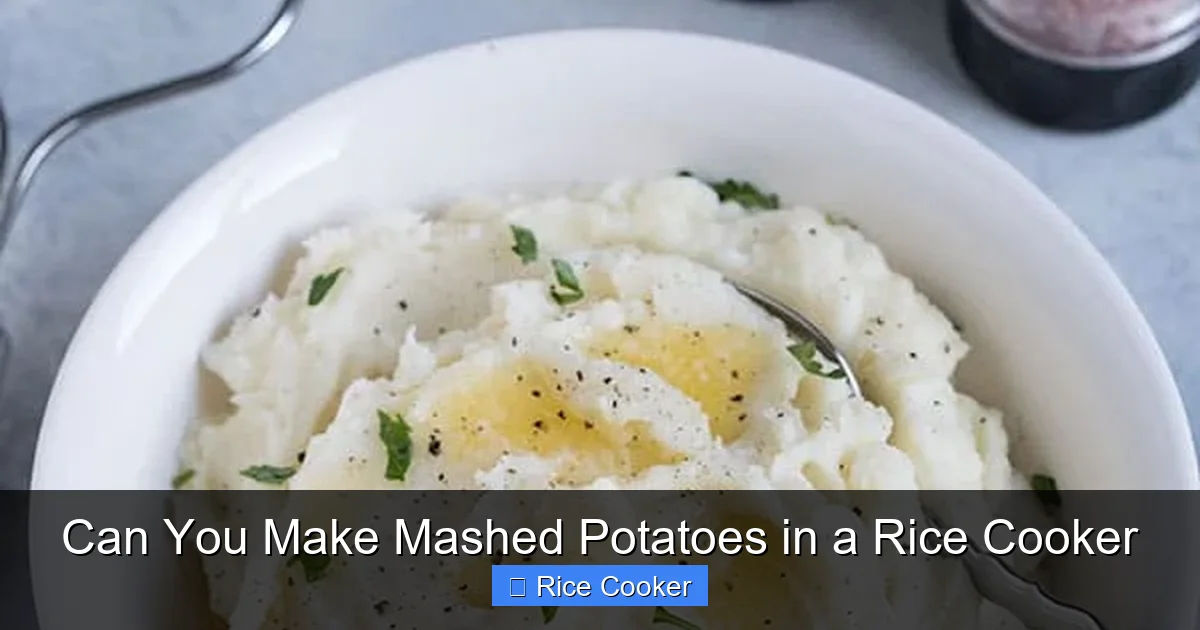
Visual guide about Can You Make Mashed Potatoes in a Rice Cooker
Image source: pressurecookingtoday.com
The Science Behind Steaming Potatoes
Steaming is one of the best ways to cook potatoes because it preserves their natural starches and prevents them from absorbing too much water. When potatoes are boiled in a traditional pot, they can become waterlogged, leading to a thin, soupy mash. But when you steam them in a rice cooker, the moisture circulates evenly, cooking the potatoes without drowning them.
Most modern rice cookers have a “steaming” or “slow cook” setting that uses indirect heat to gently cook food. This method keeps the potatoes intact while softening their cell walls, making them ready to mash with minimal effort. And because the rice cooker lid seals tightly, steam builds up efficiently—just like in a pressure cooker, but without the high pressure.
Convenience and Efficiency
One of the biggest advantages of using a rice cooker is convenience. Instead of managing multiple pots, timers, and burners, you can prep your ingredients, add them to the inner pot, press a button, and walk away. While the potatoes cook, you can prepare side dishes or clean up the kitchen. Once done, you’ll have tender, ready-to-mash potatoes with just one pan to wash.
Plus, rice cookers often include a “keep warm” feature that maintains the potatoes’ temperature without overcooking them. This is especially helpful if you’re making a large batch and want to serve the mashed potatoes later in the day.
Energy-Saving Benefits
Cooking in a rice cooker uses less energy than boiling a pot of water on the stove. Since the appliance heats up quickly and retains heat well, you save both time and electricity. It’s a small change that adds up over time—especially if you cook mashed potatoes regularly.
What You’ll Need to Make Mashed Potatoes in a Rice Cooker
Before you start, gather the essentials. You don’t need anything fancy—just basic ingredients and your rice cooker. Here’s a simple shopping list:
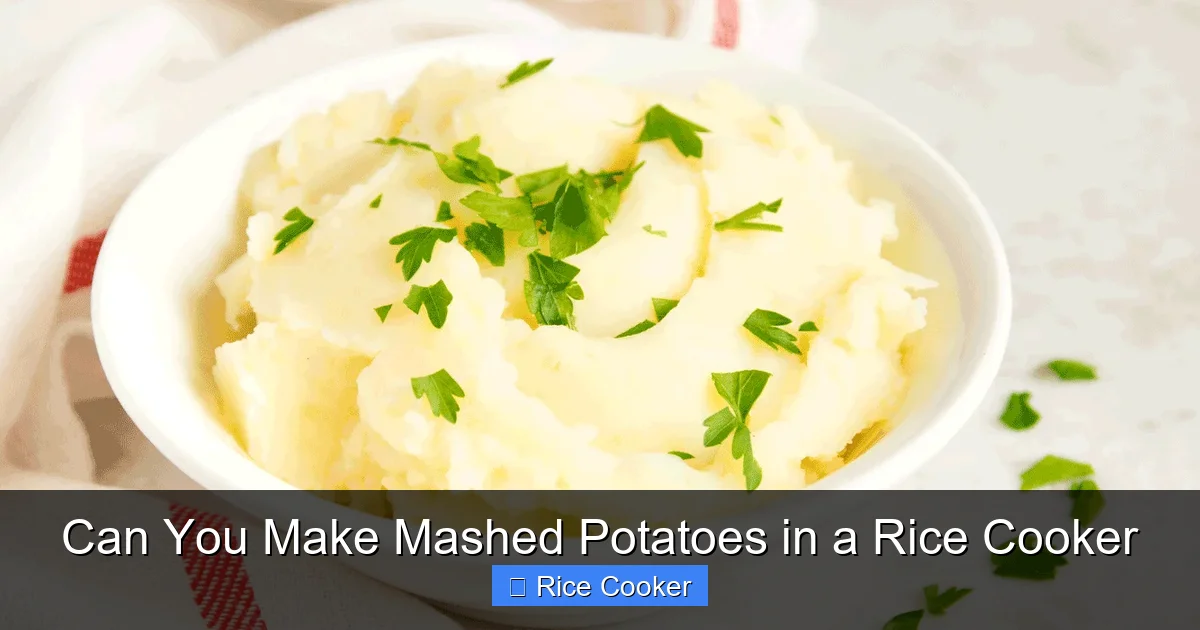
Visual guide about Can You Make Mashed Potatoes in a Rice Cooker
Image source: expertreviewsbestricecooker.com
- Potatoes: 2–4 medium-sized russet, Yukon Gold, or red potatoes (about 2–3 pounds total)
- Water: Enough to cover the potatoes (usually 1–2 cups, depending on your rice cooker size)
- Salt: Kosher or sea salt for seasoning
- Butter: 4–6 tablespoons, softened (optional but recommended)
- Milk or Cream: ½ to ¾ cup, warmed (whole milk, half-and-half, or heavy cream all work)
- Garlic (optional): 1–2 cloves, minced (great for flavor boost)
- Fresh Herbs (optional): Chives, parsley, or rosemary for garnish
For a dairy-free version, swap milk and butter for plant-based alternatives like coconut milk and vegan butter. You can also add cheese, bacon bits, or roasted garlic for extra richness.
Choosing the Right Potatoes
Not all potatoes are created equal when it comes to mashing. Starchy potatoes like Russets break down easily and create a light, airy texture. Yukon Golds have a buttery, creamy consistency and hold their shape better, making them a favorite for traditional mashed potatoes. Red potatoes are waxy and resist breaking down too much, which can be great for chunky mashes.
Avoid fingerling or new potatoes—they’re too delicate for steaming and won’t mash well. Stick to starchy or all-purpose varieties for best results.
Prepping Your Rice Cooker
Make sure your rice cooker’s inner pot is clean and dry before adding potatoes. Some models recommend lining the pot with parchment paper or foil to prevent sticking, but this isn’t necessary if you’re only cooking potatoes once in a while. Just remember to wash the pot after use.
If your rice cooker has a “steam” function, use that. If not, the standard “white rice” or “cook” mode will work fine—the potatoes just need enough water to cover them and generate steam.
Step-by-Step Guide: How to Make Mashed Potatoes in a Rice Cooker
Now for the fun part—making the actual mashed potatoes. Follow these steps for foolproof results every time.
Step 1: Peel and Chop the Potatoes
Peel the potatoes and cut them into uniform chunks—about 1-inch pieces. Uniformity ensures even cooking. Smaller pieces will cook faster, so aim for consistency. Don’t worry if some are slightly larger; the rice cooker’s heat distribution will handle it.
Step 2: Add Water and Salt
Place the potato chunks into the rice cooker’s inner pot. Add enough water to fully submerge the potatoes—usually about 1–2 cups, depending on the model. Add 1 teaspoon of salt (adjust to taste later). Stir gently to distribute the salt.
Step 3: Cook the Potatoes
Close the lid and set your rice cooker to the “Steam” or “White Rice” setting. Most rice cookers take 20–30 minutes to cook potatoes. A few minutes before they’re done, open the lid and check for tenderness with a fork. The potatoes should be fork-tender but not falling apart.
Pro tip: If your rice cooker doesn’t have a steam setting, simply follow the white rice instructions. The result will be similar, though steaming may yield slightly drier potatoes.
Step 4: Drain and Return to the Pot
Once cooked, carefully drain the potatoes using a colander or strainer. Return the hot potatoes to the rice cooker pot (don’t rinse them—this helps keep them warm). Close the lid and switch to “Keep Warm” for 5–10 minutes. This step helps evaporate excess moisture and keeps the potatoes soft.
Step 5: Mash and Season
Remove the lid and use a potato masher, fork, or immersion blender to mash the potatoes until smooth. Add butter, warm milk, garlic, and salt to taste. Mix well until creamy and fluffy. For extra fluffiness, beat the mash briefly with a hand mixer or stand mixer on low speed.
Step 6: Serve Immediately or Keep Warm
Serve your mashed potatoes right away while hot and creamy. Or, leave them in the rice cooker on “Keep Warm” for up to an hour. Avoid reheating in the microwave, as it can make the potatoes gummy. Instead, gently reheat on the stovetop with a splash of milk and butter.
Tips for Perfect Rice Cooker Mashed Potatoes
Want to take your mashed potatoes to the next level? Try these expert tips:
- Use warm milk and butter: Cold dairy can cool the potatoes too quickly and create lumps. Always warm your milk and butter before adding them to the mash.
- Don’t overmix: Overworking the potatoes activates too much starch, making the mash gummy. Mix just until smooth.
- Add flavor in layers: Mix in garlic and herbs during the last minute of cooking for maximum aroma.
- Test for doneness early: Start checking potatoes at the 18-minute mark to avoid overcooking.
- Save the cooking liquid: The starchy water left in the pot can be used to thin out the mash if it’s too thick.
- Double the recipe: Rice cookers are great for batch cooking. Make a large portion and freeze individual servings for quick meals.
Flavor Variations
Plain mashed potatoes are delicious, but why stop there? Here are some creative twists:
- Cheesy Garlic Mash: Stir in 1 cup of shredded cheddar or Gruyère and 2 minced garlic cloves after mashing.
- Bacon and Green Onion: Add cooked crumbled bacon and chopped green onions for a hearty side.
- Herb Butter Mash: Mix in fresh chives, parsley, or thyme with softened butter.
- Sweet Potato Mash: Combine sweet potatoes with regular potatoes for a nutritious twist.
- Spicy Southwest Mash: Add diced jalapeños, chili powder, and a dollop of sour cream.
Common Mistakes to Avoid
Even with the best tools, mistakes happen. Here’s how to avoid them:
- Using the wrong potatoes: Waxy potatoes don’t mash well. Stick to starchy ones.
- Overfilling the pot: Leave room for steam to circulate. Too many potatoes can lead to uneven cooking.
- Skipping the salt: Salt enhances flavor and helps the potatoes absorb moisture better.
- Draining too late: Excess water makes the mash watery. Drain immediately after cooking.
- Adding cold ingredients: Always use warm butter and milk to maintain a smooth texture.
How Long Does It Take?
From prep to plate, making mashed potatoes in a rice cooker takes about 35–45 minutes. This includes:
- 10 minutes for peeling and chopping
- 20–30 minutes for cooking
- 10 minutes for mashing and serving
Compare that to traditional methods, which can take over an hour when accounting for boiling, draining, and mashing separately. The rice cooker method is faster, especially if you multitask while waiting.
Cleaning and Maintenance
One of the best parts of this method is how easy it is to clean. After removing the potatoes, let the pot cool slightly, then wash it with warm, soapy water. Most rice cooker pots are non-stick and dishwasher-safe, but hand-washing preserves the coating longer.
Wipe the exterior with a damp cloth and store the unit dry. Regular cleaning prevents buildup and keeps your rice cooker working efficiently for years.
FAQs
Can I make mashed potatoes in any rice cooker?
Yes, most rice cookers with a steaming or cooking function can make mashed potatoes. Even basic models work—just ensure there’s enough water to generate steam.
Do I need to peel the potatoes?
Peeling is optional. Leaving the skin on adds fiber and nutrients, but it may require longer cooking. For smoother mashes, peel them first.
Can I make mashed potatoes ahead of time?
Absolutely. Store cooled mashed potatoes in an airtight container in the fridge for up to 3 days. Reheat gently on the stove or in the rice cooker with a splash of milk.
What if my rice cooker doesn’t have a steam setting?
Use the standard “white rice” setting. The result is similar, though steaming may yield slightly drier potatoes. Add extra milk when mashing to compensate.
Can I add other vegetables?
Yes! Try carrots, parsnips, or celery alongside the potatoes for a colorful medley. Cut them into small, uniform pieces for even cooking.
Is this method suitable for gluten-free diets?
Yes, as long as you use gluten-free ingredients. The rice cooker method itself contains no gluten, making it safe for most dietary needs.
Frequently Asked Questions
Can I make mashed potatoes in any rice cooker?
Yes, most rice cookers with a steaming or cooking function can make mashed potatoes. Even basic models work—just ensure there’s enough water to generate steam.
Do I need to peel the potatoes?
Peeling is optional. Leaving the skin on adds fiber and nutrients, but it may require longer cooking. For smoother mashes, peel them first.
Can I make mashed potatoes ahead of time?
Absolutely. Store cooled mashed potatoes in an airtight container in the fridge for up to 3 days. Reheat gently on the stove or in the rice cooker with a splash of milk.
What if my rice cooker doesn’t have a steam setting?
Use the standard “white rice” setting. The result is similar, though steaming may yield slightly drier potatoes. Add extra milk when mashing to compensate.
Can I add other vegetables?
Yes! Try carrots, parsnips, or celery alongside the potatoes for a colorful medley. Cut them into small, uniform pieces for even cooking.
Is this method suitable for gluten-free diets?
Yes, as long as you use gluten-free ingredients. The rice cooker method itself contains no gluten, making it safe for most dietary needs.