
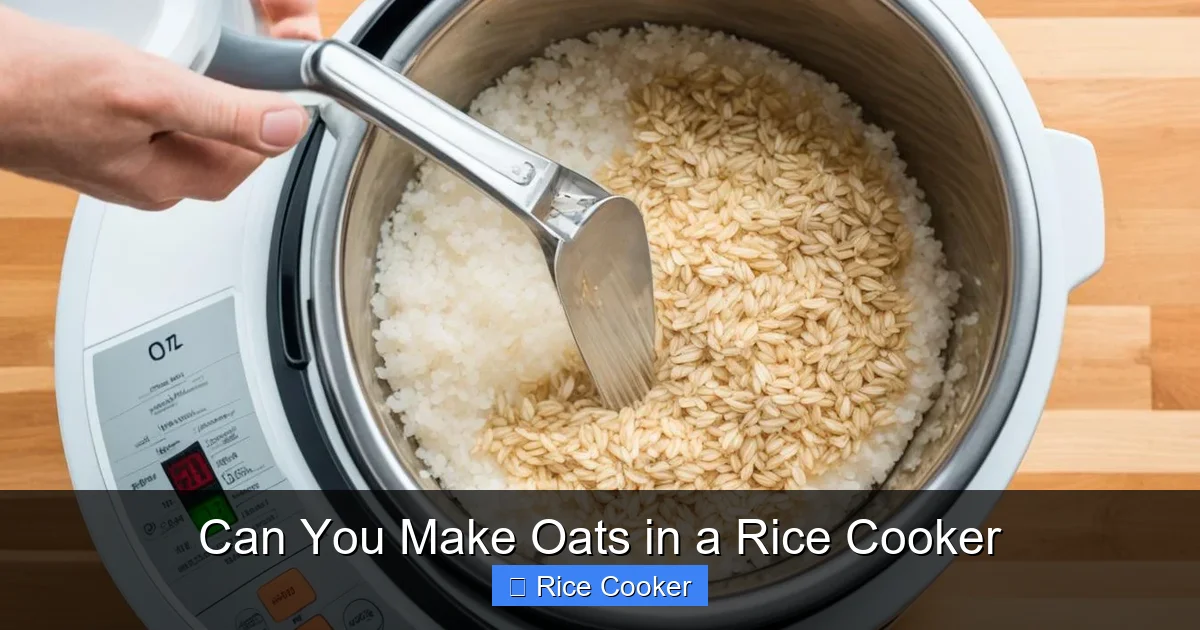
Yes, you can absolutely make oats in a rice cooker, and it’s one of the easiest ways to prepare a warm, hearty breakfast with minimal effort. This method saves time, uses minimal cleanup, and delivers perfectly cooked oats every time. Whether you’re making steel-cut oats or quick oats, your rice cooker handles it like a pro.
Key Takeaways
- Yes, oats cook well in a rice cooker: The appliance’s automated timing and controlled heat are ideal for absorbing liquid evenly, resulting in tender, creamy oats.
- You can make both steel-cut and rolled oats: Steel-cut takes longer but offers a chewier texture; rolled oats cook faster and are great for quick breakfasts.
- No need to pre-soak: Unlike some grains, oats don’t require soaking before cooking in a rice cooker, though soaking can speed up the process.
- Customizable and nutritious: Add fruits, nuts, spices, or sweeteners to create flavorful, wholesome meals in minutes.
- Clean-up is simple: Most rice cookers have non-stick inner pots that make washing up a breeze after your oatmeal.
- Saves time and energy: Just add ingredients, press “cook,” and wake up to hot, ready-to-eat oats—no babysitting required.
📑 Table of Contents
- Can You Make Oats in a Rice Cooker? Absolutely – Here’s How!
- The Surprising Versatility of Your Rice Cooker
- Types of Oats and Their Cooking Times in a Rice Cooker
- Step-by-Step Guide: Making Oats in a Rice Cooker
- Creative Rice Cooker Oatmeal Recipes
- Common Mistakes and How to Avoid Them
- Benefits of Eating Oats Every Day
- Can You Make Other Grains in a Rice Cooker Too?
- Maintenance Tips for Your Rice Cooker
- Conclusion: Embrace the Convenience
Can You Make Oats in a Rice Cooker? Absolutely – Here’s How!
Have you ever stood at your stove, stirring a pot of boiling oats, wondering if there’s an easier way? Or maybe you’re just tired of cleaning multiple pans after breakfast. If so, you’re not alone. Many home cooks are discovering a secret kitchen hack: making oats in a rice cooker. Yes, that trusty white appliance sitting on your counter? It’s not just for rice anymore. With its consistent heat and automatic shut-off, your rice cooker is quietly becoming your new breakfast hero. In this article, we’ll walk you through everything you need to know about making oats in a rice cooker—from basic instructions to creative recipe ideas. So grab your favorite mug and let’s dive into the world of rice cooker oatmeal!
The Surprising Versatility of Your Rice Cooker
Visual guide about Can You Make Oats in a Rice Cooker
Image source: images-na.ssl-images-amazon.com
When most people think of a rice cooker, they picture fluffy white rice. But these compact kitchen gadgets are far more capable than their name suggests. Modern rice cookers come in various models—basic, fuzzy logic, programmable, and even multi-cooker hybrids—but they all share one key feature: precise temperature control. This makes them ideal for cooking grains, legumes, and even oats. Unlike stovetop cooking, where heat can fluctuate and require constant attention, a rice cooker maintains a steady simmer until your food is done. That means no more burnt edges or mushy centers. And since the lid seals tightly, moisture stays inside, creating a rich, creamy texture that rivals traditional stovetop oats.
But why use a rice cooker specifically for oats? For starters, convenience is king. Imagine setting your oats the night before, going to bed, and waking up to a warm, nutritious breakfast ready to enjoy. No stirring, no watching the clock—just pour, press, and go. Plus, rice cookers are designed to handle liquids well. They measure and absorb moisture efficiently, which is exactly what oats need to soften and become tender. Whether you’re using quick oats, old-fashioned rolled oats, or even steel-cut varieties, your rice cooker can handle the job with ease.
Why Choose a Rice Cooker Over the Stovetop?
While traditional stovetop oatmeal has its fans, there are several reasons why switching to a rice cooker might be worth it. First, hands-off cooking is a game-changer. You don’t need to stand over the pot, stirring constantly to prevent sticking. Second, even heating ensures your oats cook uniformly, reducing the risk of dry spots or clumping. Third, cleanup is minimal—most rice cooker inner pots are non-stick and dishwasher-safe. Finally, energy efficiency matters. Rice cookers use less power than a stovetop burner, especially during the long, slow simmer needed for steel-cut oats.
Types of Oats and Their Cooking Times in a Rice Cooker
Visual guide about Can You Make Oats in a Rice Cooker
Image source: blogger.googleusercontent.com
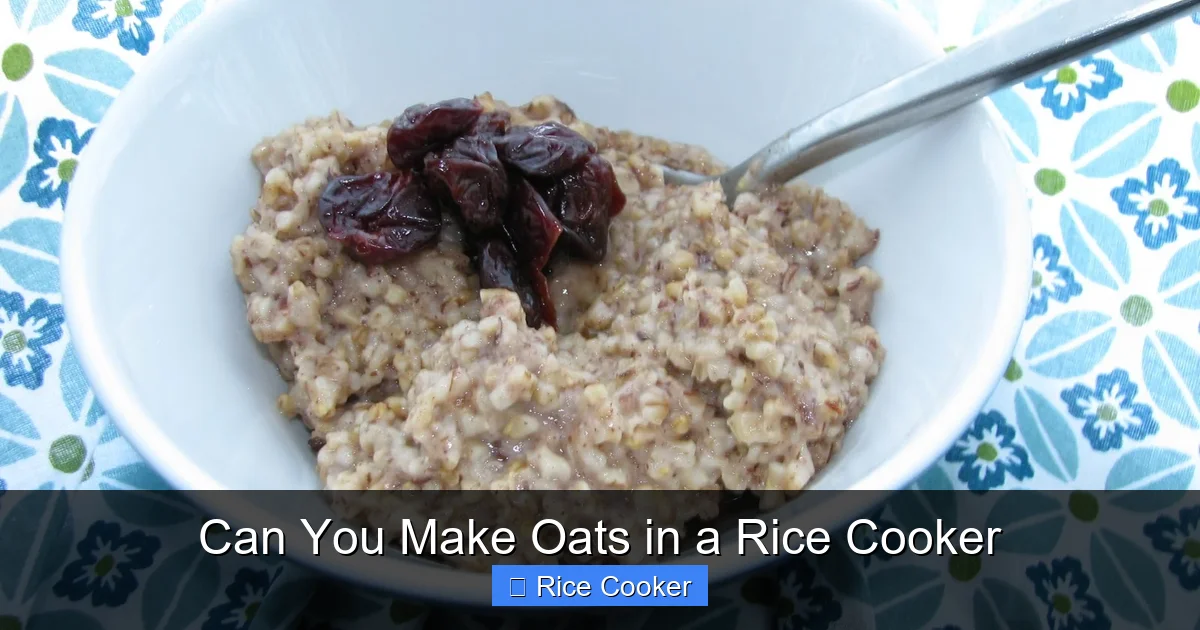
Not all oats are created equal, and that affects how they behave in your rice cooker. Understanding the differences helps you choose the right type for your breakfast goals.
Quick (Instant) Oats
These are pre-cooked, dried, and cut into small pieces, so they’re the fastest option. They usually cook in just 1–2 minutes in a rice cooker. Because they’re already partially cooked, they’re great for a super-fast breakfast or when you’re in a hurry. However, they tend to get mushy if overcooked, so timing is important. To avoid this, use the “warm” function after cooking or serve immediately.
Rolled Oats (Old-Fashioned Oats)
Rolled oats are steamed and flattened whole oat flakes. They offer a nice balance between texture and chewiness and typically take 15–20 minutes to cook in a rice cooker. This makes them a popular choice for everyday oatmeal. They hold their shape well and absorb flavors beautifully, whether you’re adding cinnamon, fruit, or maple syrup.
Steel-Cut Oats
Made by chopping whole oat groats into small pieces, steel-cut oats are the least processed form. They have a firm, chewy texture and take the longest to cook—usually 25–40 minutes in a rice cooker. While they require a bit more patience, they’re packed with fiber and nutrients, and their hearty texture makes them satisfying. For best results, soak them overnight or use the “delay start” function if your model has it.
Oat Groats
These are the whole, uncooked oat kernels. They’re rarely used in modern recipes but can be made in a rice cooker if you’re feeling adventurous. Expect a very chewy, nutty result and a long cooking time (up to 60 minutes). Not recommended for beginners unless you’re experimenting with ancient grain recipes.
Step-by-Step Guide: Making Oats in a Rice Cooker
Ready to give it a try? Follow this simple process to make perfect oats every time:
Ingredients You’ll Need
- 1 cup oats (adjust for desired consistency—more water = thinner, less water = thicker)
- 2 cups water or milk (dairy, almond, oat, soy, etc.)
- Optional: pinch of salt, sweetener (sugar, honey, maple syrup), spices (cinnamon, nutmeg), or fruit
Instructions
- Measure the oats: Use a standard measuring cup. One cup of oats makes about 3–4 servings, depending on how thick you like it.
- Add liquid: Pour in water or milk. For creamier oats, use milk. For a lighter version, stick to water.
- Add extras: Stir in salt, sweetener, or spices if desired. These go in early so they blend well.
- Insert the inner pot: Make sure it’s clean and dry. Place it securely in the rice cooker base.
- Select the mode: Most rice cookers have a “Porridge” or “Oatmeal” setting. If not, use “Cook” or “White Rice.” Avoid “Rice” if you want softer oats—it tends to cook harder.
- Start cooking: Press the button and let the magic happen. Do not lift the lid during cooking.
- Wait for the beep: Once done, let it sit for 2–3 minutes with the lid closed to finish steaming. Then fluff with a fork.
- Serve immediately: Top with fresh fruit, nuts, yogurt, or a drizzle of honey.
Pro Tips for Perfect Oats
- Ratio matters: Start with a 1:2 ratio (1 cup oats to 2 cups liquid). Adjust based on preference.
- Use cold liquid: Cold milk or water works better than hot—it prevents clumping.
- Stir once halfway: If you notice sticking, gently stir once during cooking.
- Don’t overfill: Never exceed two-thirds of the pot’s capacity to allow room for expansion.
- Try overnight oats: Combine oats, milk, and toppings in a sealed container. Refrigerate overnight, then microwave for 1 minute before eating.
Creative Rice Cooker Oatmeal Recipes
The beauty of making oats in a rice cooker is how easy it is to customize your breakfast. Here are five delicious ideas to inspire you:
1. Classic Cinnamon Oatmeal
Combine 1 cup rolled oats, 2 cups milk, ½ tsp cinnamon, a pinch of salt, and 1 tbsp brown sugar. Cook and top with sliced banana and chopped walnuts.
2. Apple Cinnamon Delight
Add diced apple and extra cinnamon to your oat mixture. Cook and serve with a sprinkle of raisins and a dollop of Greek yogurt.
3. Savory Oatmeal with Egg
Skip the sugar! Mix 1 cup oats with 2 cups vegetable broth, ½ cup diced onion, ¼ cup mushrooms, and 1 tsp thyme. Cook, then top with a fried egg and a slice of avocado.
4. Tropical Mango Oatmeal
Use coconut milk instead of regular milk. Add ½ cup diced mango and a dash of lime zest. Finish with toasted coconut flakes.
5. Peanut Butter Banana Oats
Blend 1 tbsp peanut butter into the cooked oats. Top with banana slices and a few chocolate chips for a decadent treat.
Common Mistakes and How to Avoid Them
Even with the best tools, mistakes happen. Here’s how to troubleshoot common issues:
Oats Are Too Thick or Dry
This usually means too little liquid or overcooking. Next time, increase the water or milk by ¼ cup. Also, avoid using the “keep warm” function for too long—it can dry out oats.
Oats Stick to the Pot
Sticking happens when the bottom gets too hot. Always stir once during cooking. If your pot isn’t non-stick, consider adding a thin layer of oil or butter before cooking.
Oats Are Too Watery
Reduce the liquid next time—start with 1.5 cups instead of 2. You can also drain excess liquid after cooking if needed.
Rice Cooker Won’t Start
Check that the inner pot is properly seated. Some models won’t operate unless it’s fully inserted. Also, ensure the power cord is secure.
Texture Is Too Gummy
This often happens with instant oats or too much liquid. Use rolled oats for better texture, and stick to the recommended ratios.
Benefits of Eating Oats Every Day
Beyond being easy to make in a rice cooker, oats are a nutritional powerhouse. They’re rich in soluble fiber (especially beta-glucan), which helps lower cholesterol and stabilize blood sugar. A single serving provides protein, vitamins B1 and E, magnesium, and iron. Studies show that regular oat consumption can reduce the risk of heart disease and improve digestion. Plus, they keep you full longer, making them a smart choice for weight management.
Health Perks of Rice Cooker Oats
- No added fats: Cooking in water or low-fat milk keeps calories in check.
- Customizable nutrition: Add berries for antioxidants, nuts for healthy fats, or seeds for extra fiber.
- Kid-friendly: Mild flavors and soft textures make oats a favorite among children.
- Gluten-free options: Use certified gluten-free oats if needed, and always check labels.
Can You Make Other Grains in a Rice Cooker Too?
Absolutely! While oats shine in a rice cooker, you can also make:
- Quinoa: 1 cup quinoa to 2 cups water, cook 15–20 minutes.
- Barley: 1 cup pearl barley to 3 cups liquid, simmer 30–40 minutes.
- Couscous: 1 cup couscous to 1½ cups boiling water, rest 5 minutes.
- Millet: 1 cup millet to 2 cups water, cook 15–20 minutes.
Each grain has its own ideal ratio and cooking time, but the process is similar: measure, add liquid, cook, and serve.
Maintenance Tips for Your Rice Cooker
To keep your rice cooker running smoothly and your oats tasting great, follow these care tips:
- Clean the inner pot after each use: Hand wash with warm, soapy water. Avoid abrasive scrubbers.
- Wipe the exterior regularly: Use a damp cloth to remove dust and spills.
- Check the sealing ring: Replace it if it cracks or smells bad—this affects steam release.
- Avoid metal utensils: They can scratch the non-stick surface.
- Store properly: Keep the unit unplugged and dry when not in use.
Conclusion: Embrace the Convenience
Making oats in a rice cooker isn’t just a clever trick—it’s a lifestyle upgrade. It simplifies breakfast, reduces cleanup, and opens the door to endless flavor combinations. Whether you’re feeding a family, meal-prepping for the week, or just craving something warm and comforting, your rice cooker has got you covered. From classic cinnamon oats to savory mushroom bowls, the possibilities are as varied as your taste buds. So next time you reach for the oatmeal package, remember: your rice cooker is waiting. Press “cook,” relax, and wake up to a delicious, nutritious meal—all without lifting a spoon.
Frequently Asked Questions
Can I make steel-cut oats in a rice cooker?
Yes, steel-cut oats work great in a rice cooker. They typically take 25–40 minutes to cook and develop a chewy, hearty texture. For faster results, soak them overnight first.
Do I need to soak oats before cooking them in a rice cooker?
No, soaking isn’t necessary, but it can reduce cooking time and soften the texture. If you’re short on time, just add the dry oats directly to the cooker with liquid.
Can I make overnight oats in a rice cooker?
You can make overnight oats in the rice cooker by combining oats, milk, and toppings, then letting it sit in the “warm” setting overnight. Alternatively, refrigerate the mixture and microwave before eating.
Will my rice cooker work for both milk and water-based oats?
Yes, most rice cookers handle both. Use milk for creamier oats and water for a lighter consistency. Just adjust the amount slightly—milk may thicken faster due to its fat content.
How do I prevent oats from sticking to the rice cooker pot?
Sticking can be avoided by stirring once during cooking, using enough liquid, and ensuring your pot is non-stick. Adding a small amount of oil or butter at the beginning also helps.
Can I cook other grains like quinoa or barley in the same rice cooker I use for oats?
Absolutely! Rice cookers are versatile and can cook a variety of grains. Just adjust the liquid ratio and cooking time according to the grain you’re using.