
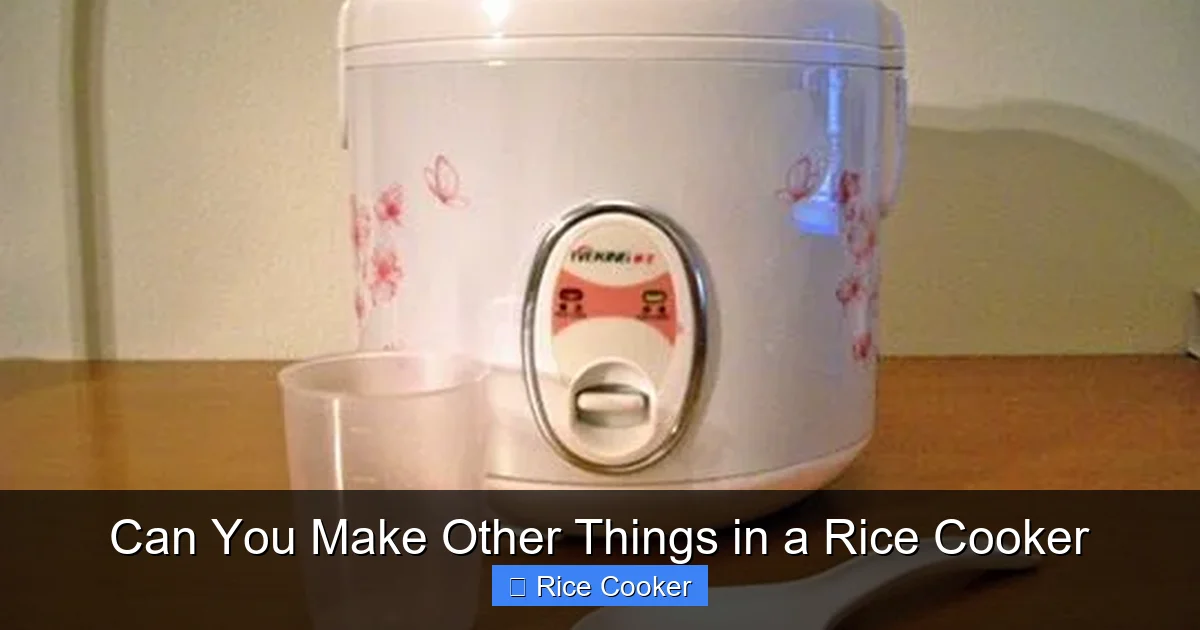
Yes, you can absolutely make more than just rice in a rice cooker! This versatile kitchen appliance doubles as a steamer, slow cooker, and even a cake baker. With the right ingredients and techniques, your rice cooker can prepare everything from fluffy oats to savory stews and sweet desserts. Unlock its full potential and save time in the kitchen.
Key Takeaways
- Versatility: A rice cooker isn’t just for rice—it can cook grains, steam vegetables, bake cakes, and more.
- Time-Saving: Use it to prepare breakfast, lunch, dinner, or snacks hands-free while you multitask.
- Energy Efficient: Rice cookers use less energy than ovens or stovetops, making them eco-friendly choices.
- Easy Cleanup: Most parts are non-stick and dishwasher-safe, reducing post-meal effort.
- Healthy Options: You can cook whole grains, steamed veggies, and low-fat meals without added oils.
- Beginner-Friendly: No advanced skills needed—just follow simple recipes and instructions.
📑 Table of Contents
Can You Make Other Things in a Rice Cooker?
Ever stood in your kitchen staring at a pot of boiling water, wondering if there’s a smarter way to cook? Or maybe you bought a rice cooker thinking it’d only make one thing—rice—but now it sits in a cabinet, gathering dust. If that sounds familiar, you’re not alone. But here’s the good news: yes, you can absolutely make other things in a rice cooker, and doing so opens up a world of delicious possibilities. From hearty breakfast bowls to fluffy desserts, this humble kitchen gadget is far more versatile than most people realize.
The rice cooker was invented in Japan in the early 20th century, originally designed to simplify the process of cooking rice using electricity and temperature control. Over time, it evolved into a must-have appliance in Asian kitchens, where it became a cornerstone for daily meals. Today, modern rice cookers come with programmable settings, delay timers, and even steaming functions. But beyond its original purpose, these devices have become multipurpose tools for home cooks everywhere. Whether you’re preparing a quick weeknight meal or experimenting with new recipes, your rice cooker can do it all—without you lifting a finger.
In this article, we’ll explore exactly what you can make in a rice cooker beyond plain white or brown rice. We’ll walk through practical examples, share helpful tips, and reveal some surprising recipes that will change how you view your kitchen appliance. So grab your apron, fire up that rice cooker, and get ready to discover its full potential.
Why People Think Rice Cookers Are Limited
Many people believe that a rice cooker is only meant for cooking rice—and in its most basic form, that’s true. The core function of a rice cooker is to absorb water, heat it evenly, and cook rice grains until they’re tender and fluffy. But over the years, chefs and home cooks alike have found creative ways to use this appliance for a wide variety of dishes. Still, misconceptions persist. Let’s take a look at why some think a rice cooker is limited—and why those beliefs are outdated.
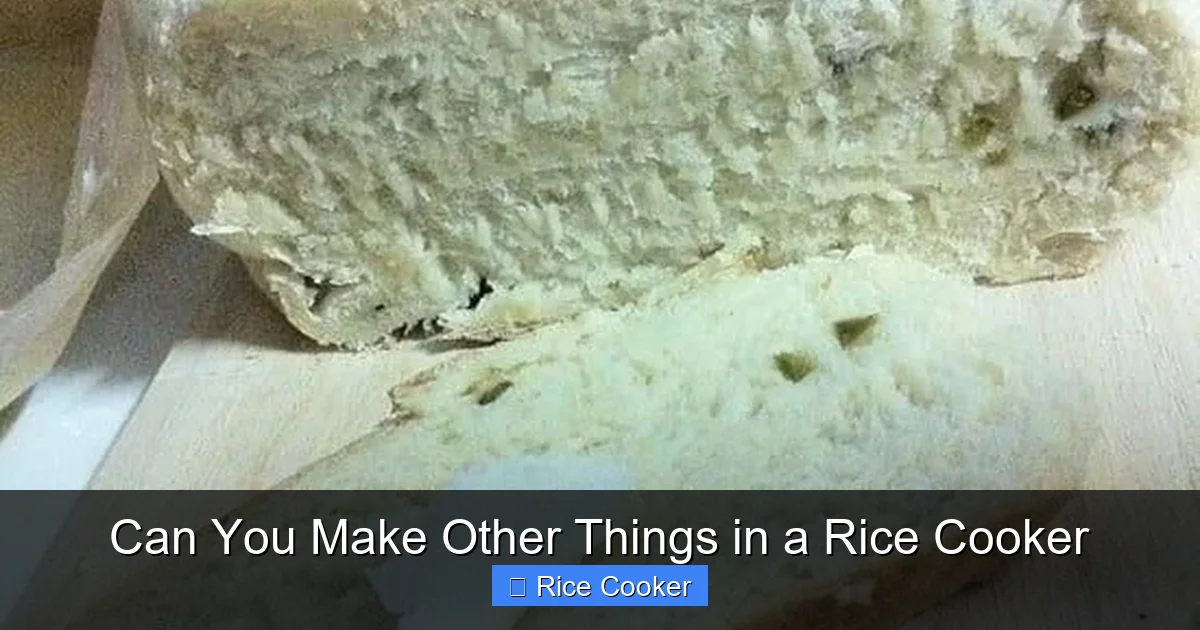
Visual guide about Can You Make Other Things in a Rice Cooker
Image source: i.pinimg.com
The Myth of One-Purpose Cooking
One common myth is that a rice cooker is a one-trick pony. People assume it can’t handle anything beyond rice because it lacks features like high-heat searing or deep-frying. But modern rice cookers often include multiple settings—like slow cook, steam, warm, and even soup or porridge modes—that expand their usability significantly. Even older models with just an “on” and “off” switch can be used creatively with the right techniques.
Lack of Awareness About Recipes
Another reason people don’t use their rice cookers for more than rice is simply lack of knowledge. Many aren’t aware that recipes exist for cooking oats, quinoa, beans, or even cakes in a rice cooker. When people see a rice cooker, they think “grains”—but they don’t connect it to soups, stews, or desserts. Education and exposure are key to unlocking the full range of what a rice cooker can do.
Fear of Mess or Burned Food
Some worry that using a rice cooker for non-rice items might lead to burnt food or a sticky mess. While improper ratios or timing can cause issues, most problems are avoidable with simple adjustments. Using the right amount of liquid, avoiding overcrowding, and choosing appropriate settings go a long way toward preventing disasters.
Breakfast Ideas Beyond Rice
If you’re tired of scrambled eggs or toast every morning, your rice cooker can help you start the day with something warm, nutritious, and satisfying. Breakfast options in a rice cooker are not only easy but also allow for customization based on your taste preferences. Whether you prefer sweet or savory, there’s a rice cooker recipe for you.
Visual guide about Can You Make Other Things in a Rice Cooker
Image source: mashed.com
Steel-Cut Oatmeal
Steel-cut oats can be tricky to cook on the stove because they require constant stirring to prevent sticking. But in a rice cooker, they come out perfectly creamy without any babysitting. Simply combine 1 cup of steel-cut oats with 3 cups of water (or milk for extra richness) and a pinch of salt. Add optional toppings like fresh fruit, nuts, or honey after cooking.
Quinoa Porridge
Quinoa makes a protein-packed alternative to traditional oatmeal. To make quinoa porridge, mix 1 cup of rinsed quinoa with 3 cups of water or almond milk. Cook on the porridge setting or regular mode for 15–20 minutes. Top with cinnamon, berries, or maple syrup for a flavorful morning meal.
Egg and Veggie Cups
You can even make mini frittatas in your rice cooker using muffin liners or ramekins. Whisk eggs with diced vegetables like spinach, bell peppers, and onions. Pour into molds and add 1/4 cup of water to the rice cooker bowl. Steam for 15–20 minutes until set. These are great for meal prep and take only 10 minutes to prepare.
Cooking Grains and Legumes
While rice is the star of the show, your rice cooker is excellent for cooking other whole grains and legumes. These foods are packed with fiber, protein, and essential nutrients, and they cook quickly and evenly in a rice cooker. Plus, they’re perfect for building balanced meals.
Brown Rice and Wild Rice
Brown rice takes longer to cook than white rice, but the rice cooker handles it with ease. Use a 2:1 ratio of water to rice and let it soak for 30 minutes before cooking. Wild rice needs even more water and time—about 50–60 minutes—but the results are worth it. Both grains work well in salads, bowls, or as side dishes.
Quinoa and Millet
Quinoa is a complete protein and cooks in about 15 minutes. Millet is another ancient grain that absorbs flavors well and has a slightly nutty taste. Both require 2:1 water-to-grain ratios and benefit from soaking before cooking to reduce phytic acid.
Dried Beans and Lentils
Contrary to popular belief, dried beans can be cooked in a rice cooker—especially if you’re short on time or don’t have a pressure cooker. Soak beans overnight, then cook with 1.5 times the volume of water. Add spices like cumin or bay leaves for extra flavor. Cook on the slow cook or porridge setting for 1–2 hours until tender.
Soups, Stews, and One-Pot Meals
One-pot meals are the epitome of convenience, and your rice cooker is perfect for them. By combining ingredients in the right order and using the correct liquid ratio, you can create rich, flavorful soups and stews without monitoring the pot constantly.
Hearty Vegetable Soup
Start by sautéing onions, carrots, and celery in a little oil (optional). Transfer to the rice cooker with 4 cups of vegetable broth, diced tomatoes, potatoes, and beans. Cook on the soup setting for 45–60 minutes. Season with herbs and serve with crusty bread.
Chicken and Rice Casserole
This classic comfort food comes together easily in a rice cooker. Brown chicken thighs in a pan, then place them in the cooker with rice, broth, and frozen peas. Cook for 30–40 minutes on the white rice setting. The result is juicy meat and fluffy rice with minimal cleanup.
Beef Stew
For a deeper flavor, sear beef chunks before adding them to the rice cooker with onions, garlic, carrots, and potatoes. Add beef broth and a splash of tomato paste. Cook on the slow cook setting for 1.5–2 hours. Serve with mashed potatoes or crusty bread.
Steaming and Vegetable Prep
Most rice cookers come with a built-in steaming tray, making them ideal for preparing vegetables and proteins simultaneously. Steaming preserves nutrients and texture better than boiling or frying, and it’s incredibly simple to do.
Steamed Broccoli and Carrots
Place chopped broccoli and carrot sticks in the steamer basket. Add 1/2 cup of water to the inner pot and insert the basket. Cook for 8–10 minutes until tender-crisp. Season with lemon juice, garlic powder, or a sprinkle of cheese.
Steamed Fish
Delicate fish like cod or tilapia can be steamed to perfection. Place the fish in a heat-safe dish, season with salt, pepper, and ginger slices. Put the dish in the steamer basket with 1/2 cup of water. Cook for 8–12 minutes depending on thickness. Finish with soy sauce and sesame oil.
Mushroom Medley
Shiitake, cremini, and button mushrooms steam quickly and absorb flavors beautifully. Toss them with olive oil, thyme, and salt, then place in the steamer basket. Cook for 7–9 minutes and serve as a side or add to pasta.
Baking and Desserts
Yes, you can bake cakes, breads, and even cookies in a rice cooker! The even heat distribution makes it a surprisingly effective baking tool. Just be sure to use heat-resistant bakeware and follow recipes carefully.
Rice Cooker Chocolate Cake
This moist, fudgy cake requires no oven. Mix flour, sugar, cocoa powder, egg, milk, and oil in a bowl. Pour into a greased 1.5-liter rice cooker pot. Cook on the cake setting or regular mode for 35–45 minutes. Insert a toothpick—if it comes out clean, it’s done.
Banana Bread
Mash ripe bananas and mix with flour, sugar, egg, and baking soda. Pour into the rice cooker and cook for 40–50 minutes. The result is a dense, flavorful loaf that’s perfect with coffee or tea.
Cheesecake
Make a simple cheesecake by mixing cream cheese, sugar, egg, and vanilla. Pour into a greased pan and place inside the rice cooker with 1 cup of water. Cook on the cake setting for 50–60 minutes. Chill before serving for the best texture.
Tips for Success
To get the most out of your rice cooker, keep these practical tips in mind. They’ll help you avoid common mistakes and ensure consistent, delicious results every time.
Use the Right Amount of Liquid
Too much water leads to mushy food; too little results in dryness. Follow standard ratios: 2 cups water per 1 cup rice, but adjust for other grains and recipes. Always check the manual for recommended amounts.
Pre-Soak Certain Ingredients
Grains like millet, quinoa, and beans benefit from soaking. This reduces cooking time and improves digestibility. Soak for at least 30 minutes, or overnight for best results.
Avoid Overfilling
Never fill the rice cooker beyond the max line. Overfilling can block steam vents and affect cooking performance. Stick to ¾ full for safety.
Clean Promptly After Use
Wipe the inner pot and exterior with a damp cloth immediately after cooking. For stubborn residue, soak in warm, soapy water. Most pots are dishwasher-safe, but hand-washing preserves the non-stick coating.
Experiment with Flavors
Add herbs, spices, or broth instead of water for extra depth. Try turmeric for golden rice, or rosemary for savory grains. Don’t be afraid to get creative!
Use the Warm Setting Wisely
The warm setting keeps food at safe temperatures, but don’t leave it on for more than 2 hours. It won’t re-cook or improve texture—it’s just for holding.
Conclusion
Your rice cooker is far more than a device for cooking rice. It’s a versatile, efficient, and beginner-friendly kitchen tool that can prepare a wide range of meals—from breakfast porridges to hearty stews and even desserts. By expanding your understanding of what’s possible, you’ll save time, reduce stress, and enjoy more variety in your diet.
Whether you’re cooking for one or feeding a family, the rice cooker adapts to your needs. Its ability to automate cooking means you can wake up to warm oatmeal, return home to a simmering stew, or enjoy a freshly baked cake without lifting a whisk. And because it uses less energy than an oven or stove, it’s kind to both your wallet and the environment.
So next time you reach for the rice cooker, remember: the possibilities are endless. Start small—try making quinoa porridge or steamed veggies—and gradually explore more adventurous recipes. Before long, you’ll wonder how you ever lived without it.
Frequently Asked Questions
Can you make pasta in a rice cooker?
Yes, you can cook pasta in a rice cooker. Use a 4:1 ratio of water to pasta (e.g., 4 cups water per 1 cup pasta). Cook on the white rice setting for 12–15 minutes, then drain excess water. Avoid overcooking by checking frequently.
Is it safe to cook soup in a rice cooker?
Absolutely. Most rice cookers have a soup or porridge setting designed for liquids. Use a sturdy lid or foil cover to prevent overflow, and stir occasionally. Cook for 30–60 minutes depending on the recipe.
Can I bake bread in a rice cooker?
Yes, rice cooker bread is possible! Use a bread recipe with yeast and bake on the cake setting for 40–50 minutes. Results vary by model, so monitor closely and adjust timing as needed.
Do I need special ingredients to make desserts in a rice cooker?
No special ingredients are required. Standard baking staples like flour, sugar, eggs, and butter work perfectly. Just ensure your cooker has a cake setting or can handle baking temperatures safely.
Can I cook meat in a rice cooker?
Yes, meats like chicken, beef, and pork can be cooked in a rice cooker. Sear first for flavor, then add liquid and cook on the soup or slow cook setting for tenderness. Always use a food thermometer to check doneness.
How do I prevent my rice cooker from burning food?
Use the correct water ratio, avoid overfilling, and don’t skip pre-soaking certain grains. Stir occasionally when possible, and never leave the cooker unattended during the final stages of cooking.