

Making porridge in a rice cooker is not only possible—it’s incredibly simple and convenient. With the right ingredients and technique, your rice cooker can transform oats or grains into a warm, comforting breakfast in under 30 minutes. This method saves time, reduces cleanup, and delivers consistent results every time.
Making porridge doesn’t have to mean standing over a hot stove, stirring constantly, and risking burnt edges. If you own a rice cooker—and honestly, who doesn’t?—you already have the perfect tool for creating smooth, creamy porridge with zero stress. Whether you’re craving a hearty oatmeal bowl, a savory grain porridge, or something sweet like banana oats, your rice cooker can handle it all. In fact, using a rice cooker for porridge is one of the most underrated kitchen hacks out there. It’s hands-off, energy-efficient, and produces restaurant-quality results right at home.
The magic of rice cookers lies in their ability to regulate temperature and timing automatically. Once you add your ingredients and press the “cook” button, the machine does the rest—no babysitting required. This makes it especially appealing for busy mornings when you want a nutritious meal ready in minutes without lifting a finger. Plus, many modern rice cookers come with specific settings like “porridge,” “congee,” or “slow cook,” which optimize cooking time and texture. Even if yours doesn’t have those presets, basic white rice mode works wonders for porridge too. So whether you’re a breakfast warrior or someone just looking for an easier way to eat well, learning how to make porridge in a rice cooker is a game-changer.
Key Takeaways
- Rice cookers are perfect for making porridge: Their automated cooking process ensures even heat distribution and consistent texture.
- You can use various grains: While oats are traditional, rice, quinoa, and barley also work well for porridge.
- Water-to-grain ratio matters: A general rule is 2:1 (water to grain), but adjust based on desired consistency.
- Adding flavor enhances taste: Milk, spices, fruits, and sweeteners can elevate your porridge beyond plain oats.
- Cleanup is easier than stovetop: Non-stick rice cooker pots reduce sticking and simplify washing.
- Batch cooking is ideal: Cook large portions and store them for quick reheating later.
- Safety and maintenance are simple: Always follow manufacturer guidelines to keep your appliance in top shape.
📑 Table of Contents
- Why Use a Rice Cooker for Porridge?
- What Types of Grains Work Best?
- Essential Ingredients and Equipment
- Step-by-Step Guide: How to Make Porridge in a Rice Cooker
- Tips for Perfect Porridge Every Time
- Flavor Variations and Creative Toppings
- Troubleshooting Common Issues
- Health Benefits and Nutritional Advantages
- Environmental and Economic Benefits
- Frequently Asked Questions
Why Use a Rice Cooker for Porridge?
Using a rice cooker to make porridge offers several advantages over traditional methods. First and foremost, it eliminates the constant stirring needed on the stovetop, which can be tedious and distracting—especially early in the morning. The non-stick inner pot prevents sticking and burning, giving you a foolproof result every time. Another benefit is energy efficiency; rice cookers use less electricity than keeping a pot simmering on the burner. And let’s not forget convenience: throw everything in before bed, set a timer, and wake up to a warm, ready-to-eat meal.
Beyond practicality, rice cookers provide consistent heat distribution, ensuring that every grain cooks evenly without hot spots. This leads to a smoother, creamier texture compared to unevenly cooked porridge from a pan. Additionally, many people find that the subtle steaming action of a rice cooker helps retain more nutrients in grains and added ingredients like milk or fruit. For those managing dietary restrictions—such as gluten-free diets or lactose intolerance—the controlled environment of a rice cooker allows for precise ingredient substitutions without compromising flavor or texture.
What Types of Grains Work Best?
While rolled oats are the go-to choice for classic porridge, your rice cooker can actually prepare a wide variety of grains to suit different tastes and nutritional needs. Rolled oats (also called old-fashioned oats) are ideal because they absorb liquid quickly and develop a soft, tender texture. Quick-cooking oats yield faster results but may turn mushy if overcooked, so monitor closely. Steel-cut oats take longer but offer a chewier, nuttier flavor—perfect if you don’t mind a slightly longer cook time.
Rice is another excellent option, especially jasmine or basmati, which become fluffy yet cling together when cooked with extra liquid. Brown rice porridge (or congee) is a popular Asian breakfast dish made by simmering rice with water until it breaks down into a soupy consistency. Quinoa adds protein and has a pleasant crunch, while barley contributes chewiness and fiber. Millet and buckwheat are lesser-known grains that shine in porridge form, offering unique flavors and health benefits. Experimenting with different grains lets you customize your breakfast based on preference, dietary needs, or seasonal availability.
Essential Ingredients and Equipment
To make porridge in your rice cooker, you’ll need just a few core ingredients and tools. Start with your base grain—whether oats, rice, quinoa, or another whole grain. Liquid is next: water is standard, but milk (dairy or plant-based) adds richness and creaminess. Salt enhances flavor subtly, and sweeteners like honey, maple syrup, or sugar can be added depending on your taste. Optional additions include fresh or frozen fruits, nuts, seeds, cinnamon, vanilla extract, or even shredded coconut for extra depth.
As for equipment, ensure your rice cooker has a non-stick inner pot—most do—and check that it’s large enough to accommodate your batch size without overflow. A measuring cup and spoon help maintain accurate ratios, especially when scaling recipes up or down. If your model has multiple settings (like “porridge” or “warm”), familiarize yourself with them beforehand. Also, consider investing in a lid seal or silicone mat if your cooker tends to leak during extended cooking cycles. Lastly, having a spatula handy makes transferring and serving easier, particularly when topping with toppings like yogurt or berries.
Step-by-Step Guide: How to Make Porridge in a Rice Cooker
Making porridge in a rice cooker follows a straightforward process that takes less than 15 minutes of prep time. Begin by measuring your dry grain and rinsing it briefly under cold water to remove excess starch (this prevents gumminess). Then combine the rinsed grain with your chosen liquid in the inner pot—typically double the amount of liquid compared to dry grain. Add a pinch of salt and any desired sweetener or spice at this stage.
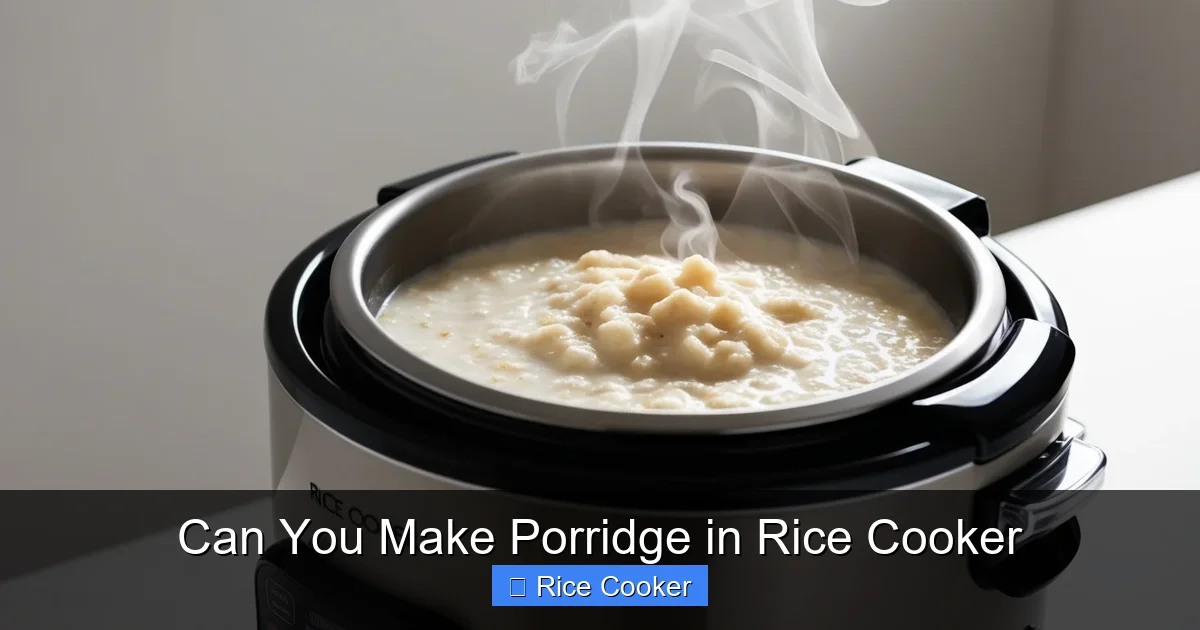
Next, close the lid and select the appropriate setting. If your rice cooker has a dedicated “porridge” or “congee” function, use that. Otherwise, the standard “white rice” setting usually suffices. Allow the cycle to complete; depending on the grain, this may take between 20 and 40 minutes. Once done, let the pressure release naturally for 5–10 minutes before opening the lid. Stir gently to break up any clumps and achieve a uniform consistency. If the porridge seems too thick, add a splash more liquid and stir again. Serve immediately, topped with your favorite extras like sliced bananas, almonds, or a drizzle of honey.
For best results, avoid opening the lid frequently during cooking, as steam loss can extend cook time and affect texture. Also, resist the urge to stir too vigorously once cooking begins—gentle folding is enough to prevent lumps. After use, clean the inner pot promptly to prevent residue buildup. Most parts are dishwasher-safe, but hand-washing preserves the non-stick coating longer.
Tips for Perfect Porridge Every Time
Achieving consistently great porridge requires attention to detail, but these tips will elevate your results instantly. First, stick to the recommended water-to-grain ratio: generally 2:1 for oats and rice, though adjustments may be needed based on personal preference. If you prefer thicker porridge, reduce liquid slightly; for soupier versions, increase it. Second, pre-soak certain grains overnight—like steel-cut oats or brown rice—to shorten cook time and improve digestibility.
Third, balance flavors early. Adding salt or a touch of sweetness during cooking ensures even distribution, whereas adding them afterward might result in uneven taste. Fourth, choose high-quality ingredients: organic oats, filtered water, and fresh milk make noticeable differences in final flavor. Fifth, experiment with textures: mashed bananas or applesauce add natural sweetness and moisture without extra sugar. Sixth, always allow the rice cooker to complete its full cycle unless instructed otherwise—prematurely stopping the process can lead to undercooked grains.
Finally, think ahead with batch cooking. Prepare a large batch on weekends and portion it into containers for grab-and-go meals throughout the week. Reheat in the microwave or directly in the rice cooker with a little added liquid. This saves time and ensures you never skip breakfast due to lack of options.
Flavor Variations and Creative Toppings
One of the joys of making porridge in a rice cooker is the endless customization possibilities. Sweet porridges can feature cinnamon, cardamom, nutmeg, or vanilla bean for warmth and aroma. Banana-oat combos are timeless, while berry compotes or stewed apples add fruity brightness. Savory versions thrive with additions like turmeric, cumin, diced vegetables, or even leftover roasted chicken and spinach. Cheese lovers can sneak in a sprinkle of feta or goat cheese for a tangy twist.
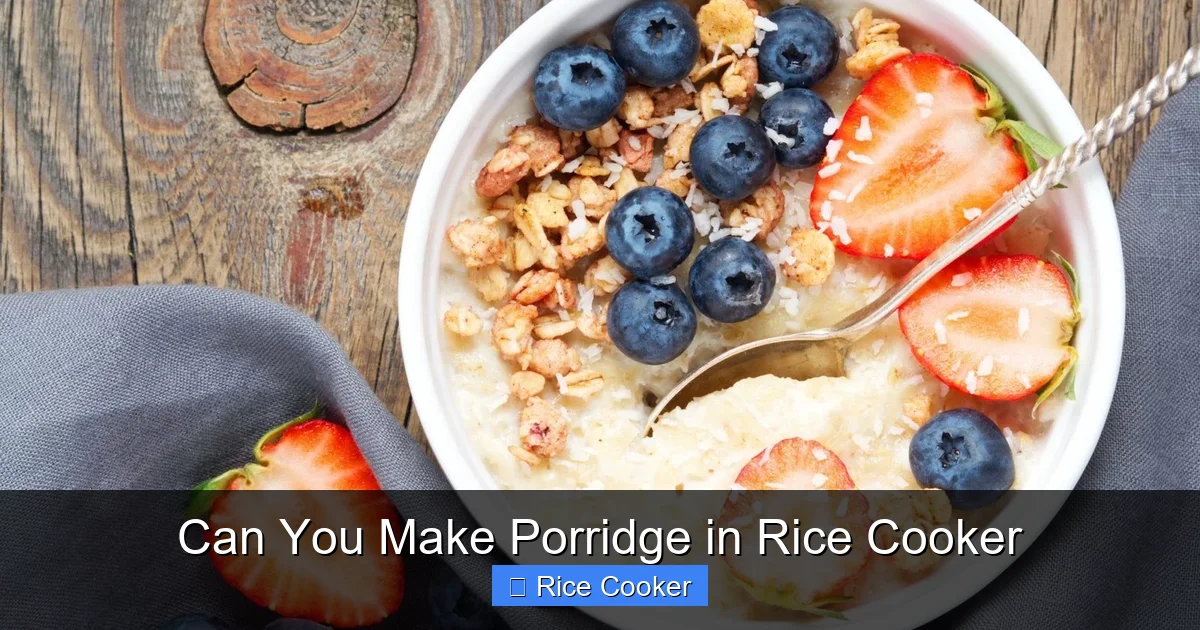
Toppings elevate both flavor and nutrition. Fresh fruit—strawberries, blueberries, or kiwi—add juiciness and antioxidants. Nuts and seeds such as almonds, walnuts, chia, or flax provide crunch and healthy fats. Dried fruits like raisins, cranberries, or apricots offer concentrated sweetness. Dairy or plant-based yogurt introduces probiotics and creaminess, while maple syrup, agave nectar, or date paste deliver natural sweetness. Crushed granola or crispy bacon bits bring contrasting textures. The key is layering flavors gradually during cooking and adding bold toppings just before serving.
Troubleshooting Common Issues
Even with careful preparation, minor issues can arise when making porridge in a rice cooker. If your porridge turns out too thick, simply stir in more liquid—water, milk, or broth—until you reach the desired consistency. Conversely, if it’s too runny, transfer to a saucepan and simmer gently while stirring occasionally until reduced. Overcooking can cause grains to break down excessively, leading to a gummy texture; avoid this by not opening the lid unnecessarily and monitoring cook times.
Sticking or burning usually stems from insufficient liquid or inadequate stirring after cooking ends. Always ensure proper liquid ratios and give the mixture a good stir once the cycle finishes. Using a non-stick pot helps immensely, but applying a thin layer of oil or butter before cooking can further prevent adhesion. For stubborn residue, soak the pot in warm soapy water before scrubbing gently with a soft sponge.
If your rice cooker lacks a dedicated porridge setting, mimic the function by selecting the longest available cook cycle and allowing natural pressure release. Some models may require manual intervention halfway through—check manufacturer instructions. Lastly, remember that different brands and capacities behave slightly differently, so don’t hesitate to adjust settings based on real-world testing.
Health Benefits and Nutritional Advantages
Porridge made in a rice cooker isn’t just convenient—it’s also packed with health-promoting qualities. Whole grains like oats and quinoa are rich in fiber, which supports digestive health, stabilizes blood sugar, and promotes satiety. Oats specifically contain beta-glucan, a soluble fiber linked to lower cholesterol levels. Rice provides complex carbohydrates for sustained energy, while legumes or added beans boost protein content.
Adding milk increases calcium and vitamin D intake, supporting bone health. Fruits contribute essential vitamins, minerals, and antioxidants, helping combat oxidative stress. Nuts and seeds supply omega-3 fatty acids, magnesium, and healthy fats that support heart and brain function. Because the slow, gentle cooking process preserves more nutrients than boiling, porridge retains higher levels of B vitamins and minerals compared to quicker preparations.
Moreover, customizable ingredients allow individuals with specific dietary needs—such as gluten sensitivity, diabetes, or weight management goals—to tailor their meals effectively. For example, swapping refined sugar with natural sweeteners like mashed dates or using almond milk instead of dairy caters to various preferences without sacrificing satisfaction.
Environmental and Economic Benefits
Choosing to make porridge in a rice cooker aligns with sustainable living principles. These appliances consume far less energy than ovens or stovetops, reducing your carbon footprint. Batch cooking minimizes food waste by utilizing ingredients efficiently and enabling leftovers to be repurposed creatively. Storing porridge in reusable containers cuts down on single-use packaging often found in processed cereals.
Economically, homemade porridge is significantly cheaper than buying pre-packaged options, which frequently contain added sugars, preservatives, and artificial flavors. Bulk-buying grains and seasonal produce lowers costs further. Plus, reducing reliance on disposable utensils and bowls saves money over time. Investing in a quality rice cooker pays off through years of reliable service and versatile use beyond just porridge—think steamed veggies, soups, and even desserts.
Frequently Asked Questions
Can I use instant oats in my rice cooker?
Yes, instant oats work well in a rice cooker, though they may become softer faster than rolled oats. Reduce liquid slightly and monitor cook time to avoid mushiness. They’re ideal for quick weekday breakfasts.
Visual guide about Can You Make Porridge in Rice Cooker
Image source: ricecookerjunkie.com
Visual guide about Can You Make Porridge in Rice Cooker
Image source: toolsofkitchen.com
Do I need to soak the grains before cooking?
Soaking isn’t mandatory but helps shorten cook time and improves texture, especially for denser grains like steel-cut oats or brown rice. Soak overnight or for at least 30 minutes before cooking.
Can I make savory porridge in a rice cooker?
Absolutely! Replace sweeteners with herbs, spices, vegetables, or proteins. Try turmeric-spiced lentil porridge, mushroom barley soup, or even kimchi-flavored rice porridge for bold, satisfying meals.
How long does it take to make porridge in a rice cooker?
Most porridges take 20–40 minutes depending on the grain type. Rolled oats usually finish in 20–25 minutes, while rice or quinoa may need 30–40 minutes. Check after the cycle completes.
Can I reheat stored porridge in the rice cooker?
Yes, add a splash of liquid to reconstitute dried-out porridge, then select the “warm” or “rice” setting and cook for 10–15 minutes, stirring occasionally. Avoid overheating to preserve texture.
Is it safe to leave the rice cooker unattended while making porridge?
Yes, rice cookers are designed for unattended operation. However, ensure the lid is securely closed and the power cord is safely positioned to prevent accidents. Never open the lid during the cooking cycle unless necessary.
Frequently Asked Questions
What is can you make porridge in rice cooker?
can you make porridge in rice cooker is an important topic with many practical applications.