
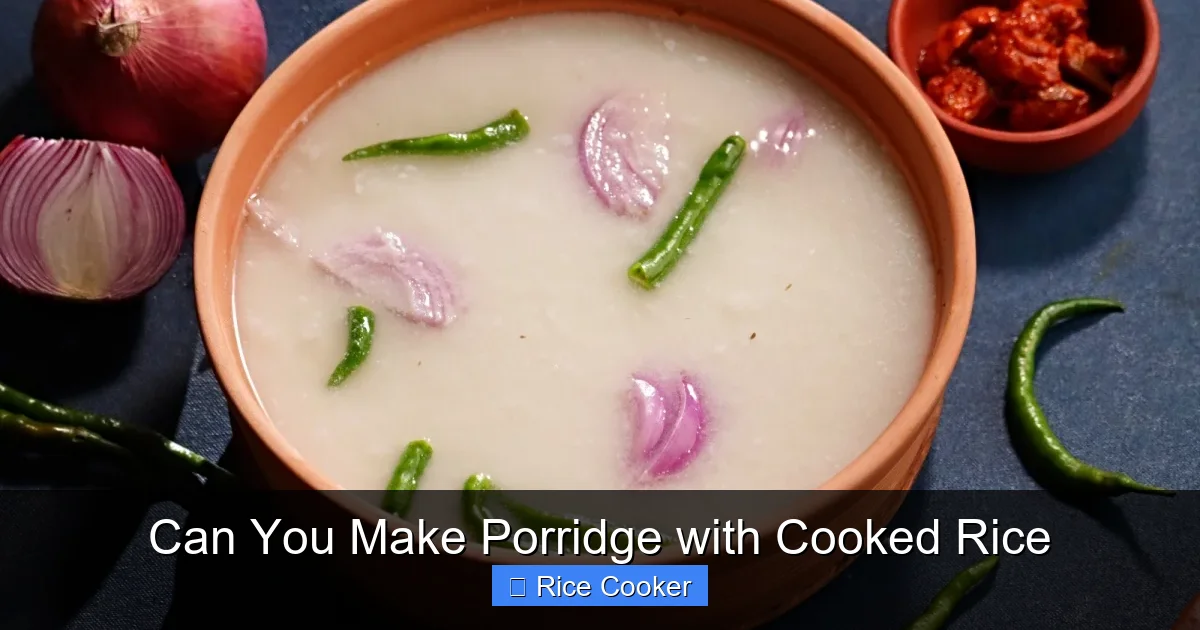
Yes, you can absolutely make porridge with cooked rice—especially if you have leftover rice and a rice cooker. Simply add water or milk to reheat the rice until creamy and warm, creating a comforting, nutritious dish. This versatile method saves time and reduces food waste while delivering a satisfying texture and flavor.
Key Takeaways
- Understanding can you make porridge with cooked rice: Provides essential knowledge
📑 Table of Contents
- Can You Make Porridge with Cooked Rice?
- The Science Behind Rice Porridge
- How to Make Porridge with Cooked Rice Using a Rice Cooker
- Tips for Perfect Rice Porridge Every Time
- Creative Flavor Variations and Toppings
- Rice Porridge for Special Diets and Lifestyles
- Common Mistakes to Avoid
- Storage and Reheating Tips
- Comparing Rice Porridge to Other Breakfast Grains
- Global Perspectives on Rice Porridge
- Frequently Asked Questions
- Conclusion: Why Rice Porridge Deserves a Spot in Your Kitchen
Can You Make Porridge with Cooked Rice?
Imagine this: It’s Monday morning, and you’re rushing to get ready for work. You open the fridge, see a half-empty container of last night’s jasmine rice, and think, “There’s got to be a better way than just reheating it dry and mushy.” Enter rice porridge—a warm, comforting bowl that turns simple leftovers into something extraordinary. But can you really make porridge with cooked rice? The short answer is a resounding yes—and not only that, but doing so might just become your new favorite kitchen trick.
Rice porridge, also known as congee in some cultures, has been a staple across Asia for thousands of years. Traditionally made by simmering rice in water for an extended period, it’s now gaining popularity worldwide for its soothing texture and adaptability. What makes it even more appealing is how easy it is to recreate at home—even if you don’t have uncooked rice on hand. With just a few minutes in your rice cooker, leftover rice can become a creamy, nourishing porridge perfect for breakfast, lunch, or dinner.
In this article, we’ll explore exactly how to make porridge with cooked rice, why it works so well, and how to elevate it beyond the basics. Whether you’re using a traditional rice cooker, a modern smart model, or even a stovetop pot, you’ll learn practical tips, flavor ideas, and creative ways to enjoy this humble dish. Let’s dive in!
The Science Behind Rice Porridge
Before we jump into recipes, let’s talk about why cooked rice turns into porridge when you add liquid and heat. Unlike oats or quinoa, which absorb liquid slowly and evenly during cooking, already-cooked rice has had its starches fully gelatinized. That means the rice grains are soft and broken down, so when you reintroduce moisture and heat, they rehydrate quickly and release even more starch into the liquid. This creates that signature creamy, smooth consistency we associate with good porridge.
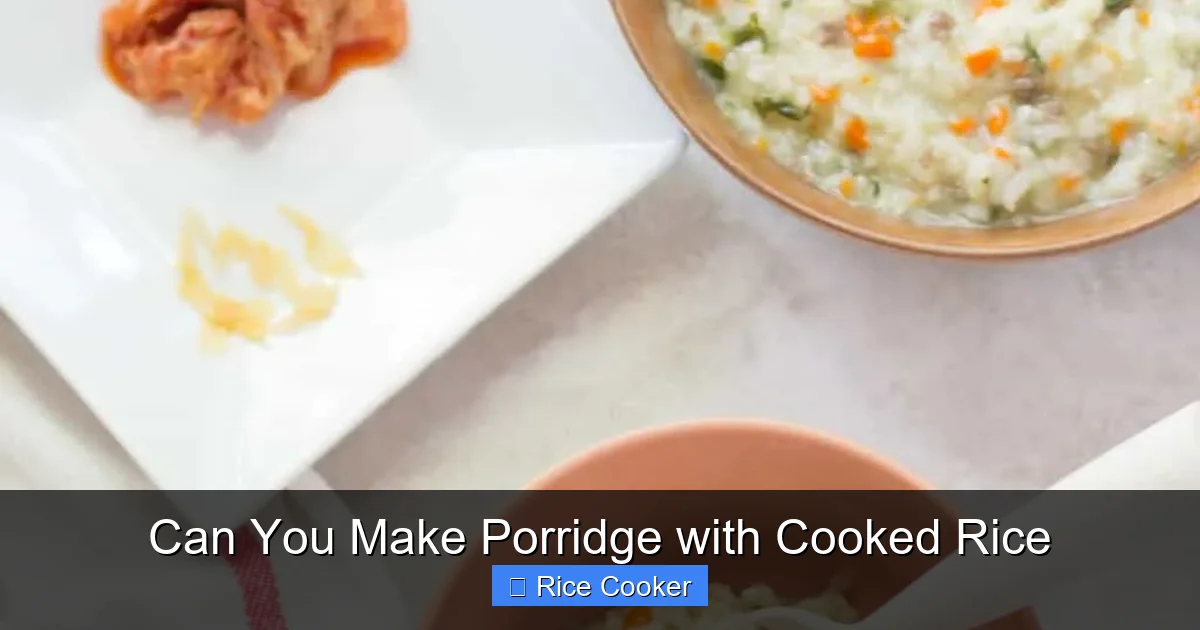
Visual guide about Can You Make Porridge with Cooked Rice
Image source: mjandhungryman.com
Why Leftover Rice Works Best
Not all cooked rice is created equal. Freshly steamed rice—especially long-grain varieties like jasmine or basmati—holds up better to reheating than day-old or overcooked rice. Day-old rice tends to be drier and firmer, which helps prevent it from turning into a gloopy mess when rehydrated. However, if your rice is too dry, don’t worry—just add a bit more liquid and stir gently.
White rice generally works best for porridge because it has a neutral flavor and breaks down more easily than brown rice, which retains more structure. That said, you can absolutely make brown rice porridge—it just requires more liquid and longer cooking time to achieve the same softness.
How to Make Porridge with Cooked Rice Using a Rice Cooker
If you own a rice cooker (and let’s be honest—most people do), you’re in luck. These handy appliances are perfectly suited for transforming leftover rice into porridge with minimal effort. Here’s a step-by-step guide to get you started:
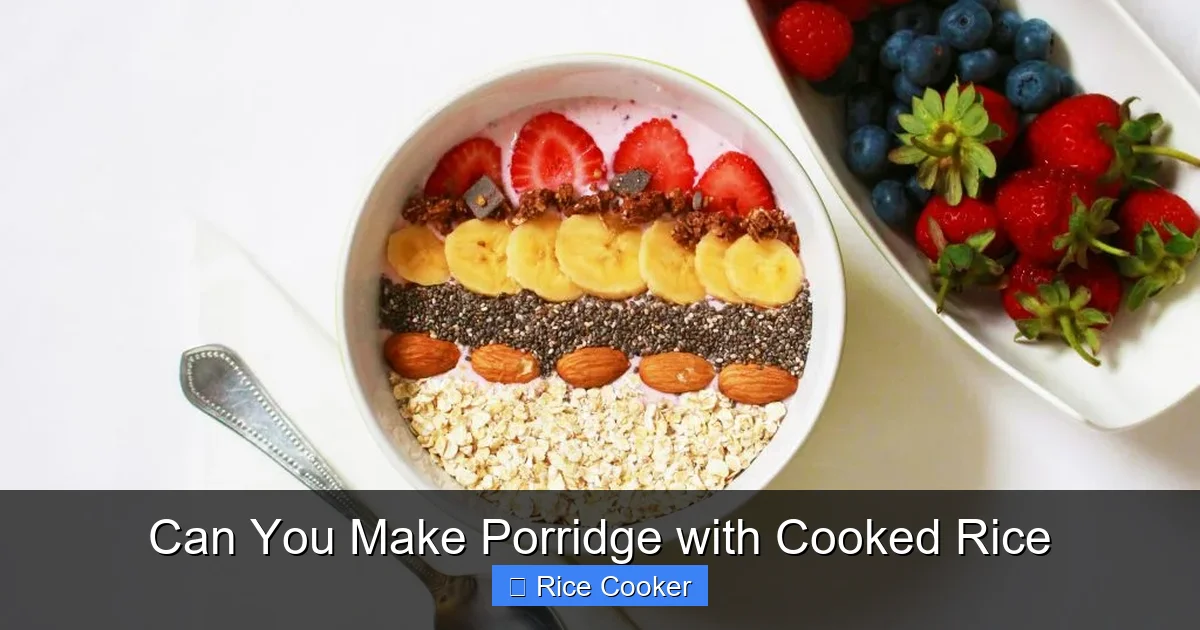
Visual guide about Can You Make Porridge with Cooked Rice
Image source: cookedbest.com
- Gather Your Ingredients: Start with 1 cup of cooled or room-temperature cooked white rice. Add 2 to 3 cups of water or milk (for creamier results). Optional: pinch of salt, a dash of vanilla, or a spoonful of sugar.
- Add Rice and Liquid to the Cooker: Pour the rice into the inner pot. Add your chosen liquid—start with 2 parts liquid to 1 part rice. For a creamier version, use milk instead of water.
- Switch to Warm or Porridge Mode (if available): Many modern rice cookers have a “porridge” or “congee” setting. If yours doesn’t, use the “warm” function and stir occasionally to prevent sticking.
- Cook Until Desired Consistency: Let it sit for 10–15 minutes to allow the rice to soften further. Stir occasionally to break up any clumps and ensure even heating.
- Flavor and Serve: Once thickened and creamy, taste and adjust seasoning. Top with your favorite additions—see our flavor section below!
Pro Tip: If your rice cooker has a delay timer, you can prep everything the night before and wake up to hot porridge in the morning—no stove needed!
Tips for Perfect Rice Porridge Every Time
Making great porridge isn’t just about throwing rice and water into a machine. A few small tweaks can make a big difference in texture, flavor, and overall enjoyment.
Choose the Right Rice
While any type of cooked rice works, stick to long-grain varieties like jasmine, basmati, or sushi rice. They tend to stay separate when cooked and rehydrate without becoming gluey. Short-grain or sticky rice (like Arborio) can also work well, especially if you prefer a chewier texture.
Control the Liquid Ratio
The key to porridge is consistency. Too much liquid and it becomes soup-like; too little and it turns into a dense paste. Start with a 1:2 ratio (1 part rice to 2 parts liquid) and adjust as needed. Remember, rice absorbs liquid as it heats, so you can always add more if it’s too thick.
Stir Often to Prevent Clumping
Even in a rice cooker, unmixed rice can form clumps. Stirring every few minutes ensures even heating and a smooth result. If you’re using the “warm” setting, lift the lid occasionally to check progress.
Let It Rest Before Serving
After cooking, let the porridge sit for 2–3 minutes. This allows the grains to fully absorb the liquid and settle, giving you a more uniform texture.
Creative Flavor Variations and Toppings
The beauty of rice porridge is its versatility. While plain is comforting in itself, adding flavors and toppings can take it from basic to brilliant. Here are some ideas to inspire you:
Sweet Porridge Ideas
- Banana Walnut Porridge: Mash ripe banana into the warm porridge and sprinkle with crushed walnuts and a drizzle of honey.
- Chocolate Coconut Porridge: Stir in a tablespoon of cocoa powder and a handful of shredded coconut. Top with fresh berries.
- Maple Pecan Porridge: Add maple syrup and toasted pecans for a classic fall or winter breakfast.
- Pear and Cinnamon Porridge: Simmer diced pear with cinnamon sticks while reheating the rice. Remove sticks before serving.
Savory Porridge Ideas
- Miso Glazed Carrot Porridge: Blend steamed carrots with miso paste and ginger. Serve topped with scallions and sesame seeds.
- Tomato Basil Congee: Add canned tomato sauce, garlic, and fresh basil. Top with grated Parmesan and a fried egg.
- Chicken and Mushroom Porridge: Sauté mushrooms and shredded cooked chicken in butter, then mix into the porridge with thyme and black pepper.
Topping Suggestions
- Nuts and Seeds: Almonds, chia seeds, flaxseeds, or sunflower seeds add crunch and nutrition.
- Dried Fruits: Raisins, apricots, or cranberries bring natural sweetness and chewy texture.
- Fresh Herbs: Cilantro, parsley, or mint brighten savory versions.
- Creamy Add-Ins: A dollop of Greek yogurt or a splash of heavy cream makes porridge richer.
Rice Porridge for Special Diets and Lifestyles
Rice porridge is more than just a tasty dish—it’s also incredibly inclusive. Whether you’re managing a health condition, following a specific diet, or raising a child, rice porridge fits the bill.
Gluten-Free Friendly
All types of rice are naturally gluten-free, making rice porridge a safe choice for those with celiac disease or gluten sensitivity. Just ensure any added ingredients (like broth or sauces) are certified gluten-free to avoid cross-contamination.
Low-FODMAP Option
For individuals following a low-FODMAP diet, plain rice porridge with lactose-free milk and limited fruit portions can be tolerated. Always check ingredient labels, as some flavorings or toppings may contain high-FODMAP additives.
Baby Food and Weaning
Rice porridge is one of the first solid foods introduced to infants around 6 months old. Its soft, digestible nature makes it ideal for developing chewing skills. You can start with very thin consistency and gradually thicken it as your baby grows.
Post-Surgery or Illness Recovery
Doctors often recommend bland, easy-to-digest foods like rice porridge after surgery or during illness recovery. It’s gentle on the stomach, provides energy, and can be fortified with nutrients through added proteins or vegetables.
Common Mistakes to Avoid
Even experienced cooks can run into issues when making porridge with leftover rice. Here are some pitfalls to watch out for—and how to fix them.
Mistake #1: Using Too Little Liquid
If your porridge is too thick or lumpy, simply add more warm water or milk and stir. Heat gently and check frequently.
Mistake #2: Not Stirring Enough
Rice tends to stick to the bottom of pots and rice cookers. Regular stirring prevents scorching and ensures even texture.
Mistake #3: Overcooking on High Heat
Most rice cookers don’t have high-heat settings. If yours does, use medium-low and monitor closely. Overheating can make the rice grainy or split apart.
Mistake #4: Skipping Salt or Seasoning
Plain porridge tastes flat. A pinch of salt enhances the natural flavor of the rice and balances sweetness or richness.
Mistake #5: Ignoring Texture Preferences
Some people love chunky porridge; others prefer ultra-smooth. Adjust liquid levels and cooking time accordingly. For smoother results, blend briefly with an immersion blender.
Storage and Reheating Tips
One of the best things about making porridge with cooked rice is that you can prepare it ahead of time and store it for later. Here’s how to do it safely and effectively.
Refrigeration
Store cooled porridge in an airtight container in the fridge for up to 4 days. When ready to eat, reheat on the stove or in the microwave, adding a splash of water or milk to restore creaminess.
Freezing
Portion into ice cube trays for single servings, then transfer to a freezer bag. Frozen porridge lasts up to 2 months. Thaw overnight in the fridge before reheating.
Reheating Without Ruining Texture
A common mistake is microwaving in large chunks, which leads to uneven warming. Instead, stir frequently and add small amounts of liquid as needed. On the stovetop, use low heat and constant stirring.
Comparing Rice Porridge to Other Breakfast Grains
You might be wondering how rice porridge stacks up against other popular breakfast options like oatmeal, quinoa, or muesli. Let’s break it down.
Rice vs. Oats
Oatmeal requires soaking or slow cooking to develop its creamy texture. Rice porridge, on the other hand, is nearly instant—perfect for busy mornings. Oats also have a higher fiber content, but rice porridge digests faster and is gentler on sensitive stomachs.
Rice vs. Quinoa
Quinoa has a firmer bite and earthier flavor compared to rice. While quinoa porridge is nutritious, it takes longer to cook and doesn’t break down as easily. Rice wins in terms of speed and smoothness.
Rice vs. Instant Cereals
Instant cereals often rely on added sugars and preservatives. Homemade rice porridge lets you control ingredients, making it a healthier, more customizable option.
Global Perspectives on Rice Porridge
Rice porridge isn’t just a Western invention—it’s deeply rooted in global culinary traditions. Understanding these variations can inspire new ways to enjoy it at home.
Chinese Congee
In China, congee (jiāozi) is a staple breakfast, lunch, or late-night snack. It’s traditionally made with short-grain rice and simmered for hours until translucent. Savory versions include pork, century eggs, or pickled vegetables. Sweet congee with red bean paste or dates is also common.
Korean Juk
Similar to congee, Korean juk is a comforting porridge often served to babies, elders, or the sick. Common varieties include sweet rice porridge with chestnuts or red beans, and savory versions with beef, fish, or kimchi.
Japanese Mochigome-nabe
This sweet, sticky rice porridge is eaten during New Year celebrations in Japan. Made with glutinous rice and dashi broth, it’s rich, chewy, and often topped with kinako (roasted soybean flour).
Filipino Ginamosang Palabok
A unique twist, this porridge combines rice porridge with shrimp paste (bagoong), giving it a bold, umami-rich flavor. It’s typically served with grilled meat or fish.
Exploring these global styles can open up exciting new flavor combinations for your next bowl of rice porridge.
Frequently Asked Questions
Can I use brown rice to make porridge?
Yes, but it will take longer to soften and may require more liquid. Brown rice porridge has a chewier texture and nuttier flavor, which some people prefer. Just increase cooking time and stir frequently.
How long does it take to make porridge with cooked rice?
About 10–15 minutes in a rice cooker, depending on the model and desired consistency. If using the “warm” setting, give it extra time and stir occasionally.
Can I make porridge without a rice cooker?
Absolutely! Use a saucepan on low heat, stirring constantly. Add liquid gradually until you reach the right thickness.
Is rice porridge good for weight loss?
Moderate portions of plain rice porridge can support weight management due to its satiating nature and low calorie density. Pair it with protein and healthy fats for balanced nutrition.
Can I add protein powder to rice porridge?
Yes, stir in whey or plant-based protein powder for an extra boost. Just ensure it dissolves completely and doesn’t affect the texture too much.
Why is my rice porridge lumpy?
Lumps usually form from unmixed rice or uneven heating. Stir frequently during cooking, and consider blending briefly with an immersion blender for a smoother result.
Conclusion: Why Rice Porridge Deserves a Spot in Your Kitchen
So, can you make porridge with cooked rice? The answer is not only yes—but it’s one of the easiest, most flexible, and satisfying ways to use up leftovers. Whether you’re looking for a quick breakfast, a soothing meal for recovery, or a creative canvas for flavors, rice porridge delivers on all fronts. With just a rice cooker, some liquid, and a pinch of imagination, you can turn yesterday’s dinner into tomorrow’s delight.
Next time you’re staring into the fridge wondering what to eat, remember this simple truth: leftover rice isn’t waste—it’s porridge waiting to happen. Experiment with sweet or savory flavors, try global inspirations, and don’t be afraid to customize. Your taste buds (and your digestive system) will thank you.
Now go ahead—grab that container of rice, pour in some liquid, and press start. Warm, comforting porridge is just minutes away.
Frequently Asked Questions
Can I use brown rice to make porridge?
Yes, but it will take longer to soften and may require more liquid. Brown rice porridge has a chewier texture and nuttier flavor, which some people prefer. Just increase cooking time and stir frequently.
How long does it take to make porridge with cooked rice?
About 10–15 minutes in a rice cooker, depending on the model and desired consistency. If using the “warm” setting, give it extra time and stir occasionally.
Can I make porridge without a rice cooker?
Absolutely! Use a saucepan on low heat, stirring constantly. Add liquid gradually until you reach the right thickness.
Is rice porridge good for weight loss?
Moderate portions of plain rice porridge can support weight management due to its satiating nature and low calorie density. Pair it with protein and healthy fats for balanced nutrition.
Can I add protein powder to rice porridge?
Yes, stir in whey or plant-based protein powder for an extra boost. Just ensure it dissolves completely and doesn’t affect the texture too much.
Why is my rice porridge lumpy?
Lumps usually form from unmixed rice or uneven heating. Stir frequently during cooking, and consider blending briefly with an immersion blender for a smoother result.