
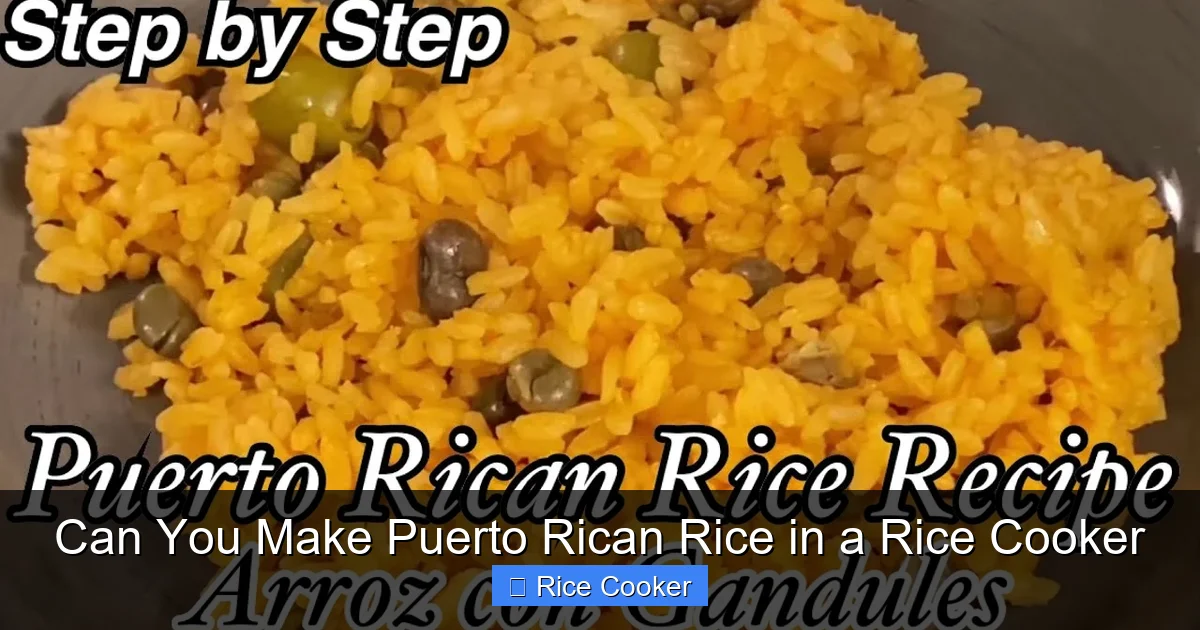
Yes, you can absolutely make delicious Puerto Rican rice in a rice cooker—no stovetop required! This classic side dish, known as *arroz puertorriqueño*, gets its signature golden color and bold taste from annatto oil and sofrito. With just a few simple ingredients and your trusty rice cooker, you’ll have fluffy, aromatic rice ready in under 30 minutes.
Key Takeaways
- Rice cookers are perfect for Puerto Rican rice: They eliminate guesswork and ensure even cooking without constant stirring.
- Authentic flavor starts with sofrito: Fresh herbs, garlic, onions, and peppers create the base for rich, savory rice.
- Annatto oil gives it that golden hue: Also called achiote oil, it adds earthy flavor and vibrant color.
- Use long-grain white rice: Parboiled or converted rice works best for the right texture.
- Salt and broth boost flavor: Chicken or vegetable broth instead of water makes it extra delicious.
- Resting is key: Let the rice sit after cooking to absorb residual moisture and improve fluffiness.
- Customize with peas and beans: Add black beans or pigeon peas for a heartier version.
Key Takeaways
- Understanding can you make puerto rican rice in a rice cooker: Provides essential knowledge
📑 Table of Contents
- Can You Make Puerto Rican Rice in a Rice Cooker?
- Why Puerto Rican Rice Stands Out
- The Magic of Using a Rice Cooker
- Essential Ingredients for Authentic Puerto Rican Rice
- Step-by-Step Guide: Making Puerto Rican Rice in a Rice Cooker
- Common Mistakes to Avoid
- Variations and Customizations
- Equipment You’ll Need
- Frequently Asked Questions About Making Puerto Rican Rice in a Rice Cooker
- Final Thoughts
Can You Make Puerto Rican Rice in a Rice Cooker?
Picture this: warm, fluffy rice with a golden sheen, smelling like garlic, cilantro, and something earthy and slightly nutty. That’s arroz puertorriqueño, the beloved staple of Puerto Rican cuisine that usually takes center stage at family dinners, holidays, or Sunday lunches. Traditionally, it’s cooked on the stove, stirred constantly to prevent sticking, and simmered until every last drop of liquid is absorbed. But what if we told you there’s an easier way? Yes, you can make Puerto Rican rice in a rice cooker—and still get that rich, authentic flavor everyone loves.
In this article, we’ll walk you through everything you need to know about making Puerto Rican rice using a rice cooker. From choosing the right ingredients to mastering the timing and technique, we’ve got you covered. Whether you’re a home cook looking to simplify dinner prep or a food lover wanting to recreate a taste of the Caribbean, this guide will help you achieve restaurant-quality results—right in your kitchen.
Why Puerto Rican Rice Stands Out
Puerto Rican rice isn’t just rice. It’s a symphony of flavors and textures that reflect the island’s vibrant culinary heritage. Unlike plain white rice, this dish is infused with sofrito—a fragrant blend of fresh vegetables and herbs—and colored with annatto oil, which gives it that beautiful golden-orange hue. The result? A side dish that’s more than just a side—it’s a flavor powerhouse that pairs beautifully with grilled meats, seafood, or beans.
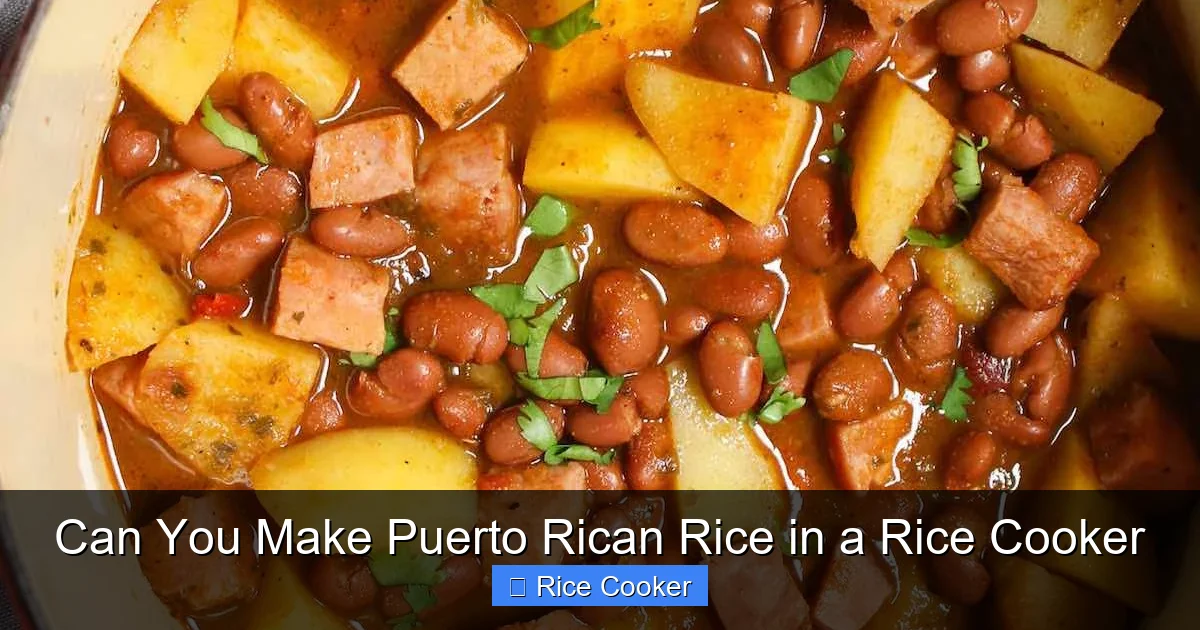
Visual guide about Can You Make Puerto Rican Rice in a Rice Cooker
Image source: tipbuzz.com
What makes Puerto Rican rice special is its balance of savory, herbal, and slightly sweet notes. The sofrito provides depth, the annatto adds warmth, and the rice itself stays light and separate—never mushy. And while traditional methods require attention and stirring, modern kitchen tools like rice cookers make it possible to enjoy this dish with minimal effort and maximum consistency.
The Magic of Using a Rice Cooker
Rice cookers were invented to take the guesswork out of cooking rice. Instead of monitoring heat levels, watching for steam, or worrying about burning on the bottom, you simply add your ingredients, press a button, and let the machine do the work. For busy families, meal preppers, or anyone who wants reliable results every time, a rice cooker is a game-changer.
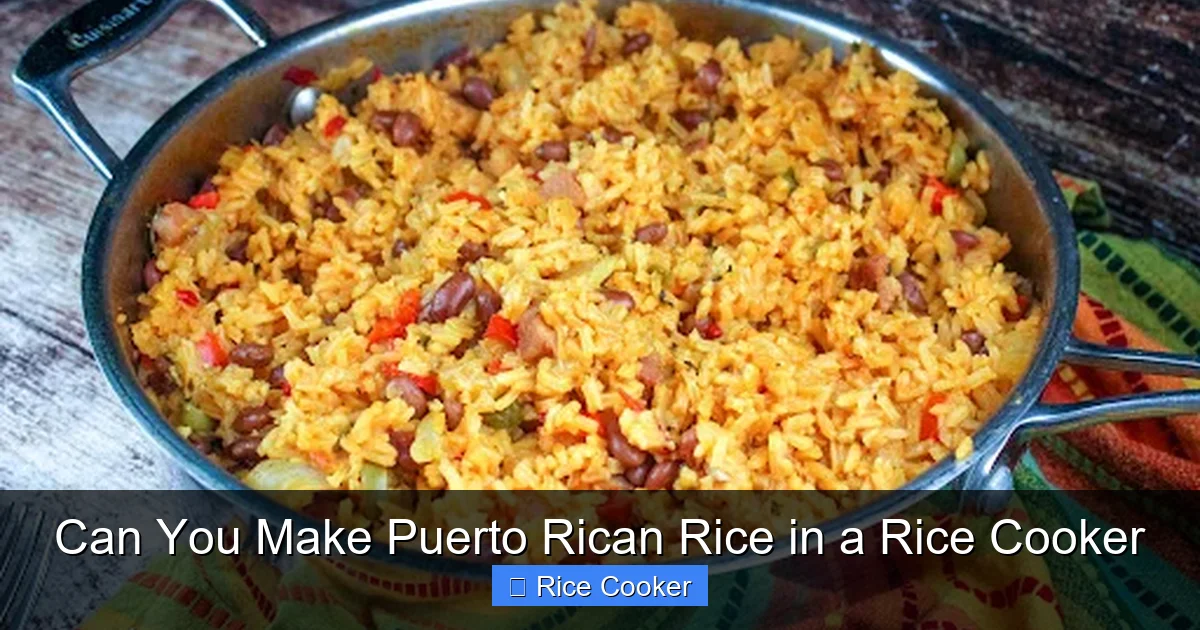
Visual guide about Can You Make Puerto Rican Rice in a Rice Cooker
Image source: lh3.googleusercontent.com
When it comes to Puerto Rican rice, the rice cooker shines because it ensures even heat distribution and precise moisture control. No more scorched bottoms or unevenly cooked grains. Plus, since you don’t have to stir constantly, the sofrito and annatto oil blend evenly into every grain, creating consistent flavor throughout. And let’s be honest—less cleanup means more time enjoying your meal.
Essential Ingredients for Authentic Puerto Rican Rice
To make true Puerto Rican rice in a rice cooker, you’ll need a few key ingredients. Don’t worry—they’re all common or easy to find. Here’s what you’ll need:
- Long-grain white rice (preferably parboiled): This type holds its shape well and absorbs flavors beautifully.
- Annatto oil (achiote oil): This is non-negotiable. It gives the rice its signature golden color and subtle earthy flavor.
- Sofrito: A blend of onion, garlic, cilantro, culantro (Mexican parsley), green bell pepper, and sometimes tomatoes. You can buy pre-made sofrito (frozen or jarred), but homemade tastes fresher and more vibrant.
- Liquid: Use chicken broth, vegetable broth, or even water with added salt. Broth adds extra flavor and keeps the rice moist.
- Salt: A generous pinch enhances the overall taste.
- Optional add-ins: Black beans, pigeon peas, corn, or diced ham can make the dish more filling and traditional.
Making Sofrito from Scratch
If you’re using fresh sofrito, chop your vegetables finely so they blend well with the rice. Sauté them briefly in a bit of oil before adding to the rice cooker to bloom their flavors. If you’re short on time, frozen sofrito cubes are widely available at Latin grocery stores and work perfectly.
Choosing the Right Annatto Oil
Not all annatto oils are created equal. Look for cold-pressed, unrefined versions for the best flavor and color. Avoid those labeled “for coloring only” or “artificial food coloring”—they won’t give you the authentic taste.
Step-by-Step Guide: Making Puerto Rican Rice in a Rice Cooker
Now that you have your ingredients, here’s how to bring it all together. Follow these steps for foolproof results every time.
- Prepare the sofrito: Finely chop or mince 1 small onion, 2 cloves garlic, 1/4 cup fresh cilantro, 2 tbsp culantro (or substitute with regular cilantro if unavailable), and 1/2 green bell pepper. Sauté in 1–2 tablespoons of annatto oil over medium heat for 5–7 minutes until soft and fragrant. Set aside.
- Add rice and oil to the rice cooker: Rinse 1 cup of long-grain white rice under cold water until the water runs clear. This removes excess starch and prevents gummy rice. Transfer the rice to the inner pot and add 1 tablespoon of annatto oil (or more depending on preference).
- Mix in the sofrito: Stir the sautéed sofrito into the rice. This step is crucial—it ensures the flavor penetrates every grain.
- Add liquid and salt: Pour in 1½ cups of hot broth or water. Add 1 teaspoon of salt (adjust to taste). Stir gently to combine.
- Cook and rest: Close the lid, select the “white rice” setting, and press start. Once done, let the rice rest for 5–10 minutes with the lid closed. Then fluff with a fork before serving.
Pro Tips for Success
- Use hot liquid: Warming the broth helps kickstart the cooking process and prevents temperature shock.
- Don’t skip rinsing the rice: It improves texture and reduces stickiness.
- Fluff gently: Overworking the rice breaks apart the grains. A light fork motion is all you need.
- Store leftovers properly: Refrigerate in an airtight container for up to 3 days. Reheat with a splash of water to restore moisture.
Common Mistakes to Avoid
Even with the best intentions, things can go wrong. Here are some common pitfalls when making Puerto Rican rice in a rice cooker—and how to fix them.
- Rice is too dry: This happens if you use too little liquid or don’t let it rest. Always follow the 1:1.5 rice-to-liquid ratio and allow resting time.
- Rice is mushy or clumpy: Over-stirring or using low-quality rice causes this. Stick to long-grain varieties and avoid touching the rice once cooking begins.
- Lack of flavor: Not enough sofrito or annatto oil leads to bland rice. Double-check ingredient amounts and consider doubling the sofrito.
- Uneven coloring: If the rice isn’t uniformly golden, stir more thoroughly or add a bit more annatto oil.
How to Fix Undercooked Rice
If the rice is still firm after cooking, add 1–2 tablespoons of hot water, close the lid, and cook on the “warm” setting for another 5–10 minutes. Be careful not to overdo it—too much extra liquid makes the rice soggy.
Variations and Customizations
While the classic version is delicious, feel free to experiment! Here are a few tasty twists:
- Arroz con Gandules (Pigeon Peas Rice): Add ½ cup canned pigeon peas, drained and rinsed. Cook with the rice for a traditional Puerto Rican favorite.
- Arroz Negro (Black Bean Rice): Stir in ½ cup cooked black beans along with the sofrito. The result is a rich, dark-colored rice packed with protein.
- Arroz con Pollo Style: Add diced ham or shredded chicken during the last 5 minutes of cooking. Serve alongside your favorite poultry dish.
- Vegan Option: Skip meat-based broths and use vegetable broth. Add sautéed mushrooms or plant-based sausage for extra flavor.
Pairing Suggestions
Puerto Rican rice shines when paired with bold dishes. Try it with:
- Grilled chicken alojado
- Mofongo
- Lechón asado (roast pork)
- Fried plantains
- Yuca frita (fried cassava)
Equipment You’ll Need
A standard rice cooker with a nonstick inner pot is all you need. Most models have a “white rice” setting, which works perfectly. For larger batches, choose a model with at least a 6-cup capacity (uncooked rice). Some advanced models even have timers or delay settings—great for meal prep!
Recommended Rice Cooker Features
- Nonstick coating: Makes cleanup easy and prevents sticking.
- Keep-warm function: Keeps rice at ideal serving temperature.
- Measuring cup and spatula: Usually included—don’t lose them!
Frequently Asked Questions About Making Puerto Rican Rice in a Rice Cooker
Can I use brown rice instead of white rice?
Yes, but it requires adjustments. Brown rice takes longer to cook and uses more liquid. Replace 1 cup of white rice with 1 cup of brown rice and increase liquid to 1¾–2 cups. Cook on the “brown rice” setting if available, or extend cooking time by 10–15 minutes.
Do I need to sauté the sofrito before adding it to the rice cooker?
It’s highly recommended. Sautéing helps release the flavors of the herbs and vegetables, making the rice more aromatic. However, if you’re using frozen sofrito cubes, you can add them directly—just thaw them slightly first.
Can I make this rice ahead of time?
Absolutely! Puerto Rican rice reheats beautifully. Store it in an airtight container in the fridge for up to 3 days. To reheat, microwave with a splash of water or warm it in a saucepan over low heat while stirring occasionally.
Is annatto oil the same as achiote paste?
No. Annatto oil is made by infusing oil with annatto seeds. Achiote paste is a thicker mixture often used for marinades. While both come from the same source, annatto oil is what you need for Puerto Rican rice.
Can I make this without a rice cooker?
Yes! You can cook it on the stovetop. Combine all ingredients in a pot, bring to a boil, then reduce heat to low, cover, and simmer for 18–20 minutes. Let it rest off the heat for 5 minutes before fluffing.
How do I store leftover annatto oil?
Store it in a cool, dark place in a sealed glass bottle. Properly stored, it lasts up to 6 months. Shake before using if separation occurs.
Final Thoughts
Making Puerto Rican rice in a rice cooker isn’t just convenient—it’s a gateway to authentic, restaurant-style flavors without the hassle. With the right ingredients and a few simple steps, you can enjoy this iconic dish anytime. Whether you’re hosting a family gathering, preparing a weeknight dinner, or just craving a taste of the tropics, this method delivers consistent, delicious results every single time.
So go ahead—grab your rice cooker, fire up that annatto oil, and let the aroma of sofrito fill your kitchen. Your taste buds will thank you.
Frequently Asked Questions
Can I use brown rice instead of white rice?
Yes, but it requires adjustments. Brown rice takes longer to cook and uses more liquid. Replace 1 cup of white rice with 1 cup of brown rice and increase liquid to 1¾–2 cups. Cook on the “brown rice” setting if available, or extend cooking time by 10–15 minutes.
Do I need to sauté the sofrito before adding it to the rice cooker?
It’s highly recommended. Sautéing helps release the flavors of the herbs and vegetables, making the rice more aromatic. However, if you’re using frozen sofrito cubes, you can add them directly—just thaw them slightly first.
Can I make this rice ahead of time?
Absolutely! Puerto Rican rice reheats beautifully. Store it in an airtight container in the fridge for up to 3 days. To reheat, microwave with a splash of water or warm it in a saucepan over low heat while stirring occasionally.
Is annatto oil the same as achiote paste?
No. Annatto oil is made by infusing oil with annatto seeds. Achiote paste is a thicker mixture often used for marinades. While both come from the same source, annatto oil is what you need for Puerto Rican rice.
Can I make this without a rice cooker?
Yes! You can cook it on the stovetop. Combine all ingredients in a pot, bring to a boil, then reduce heat to low, cover, and simmer for 18–20 minutes. Let it rest off the heat for 5 minutes before fluffing.
How do I store leftover annatto oil?
Store it in a cool, dark place in a sealed glass bottle. Properly stored, it lasts up to 6 months. Shake before using if separation occurs.