
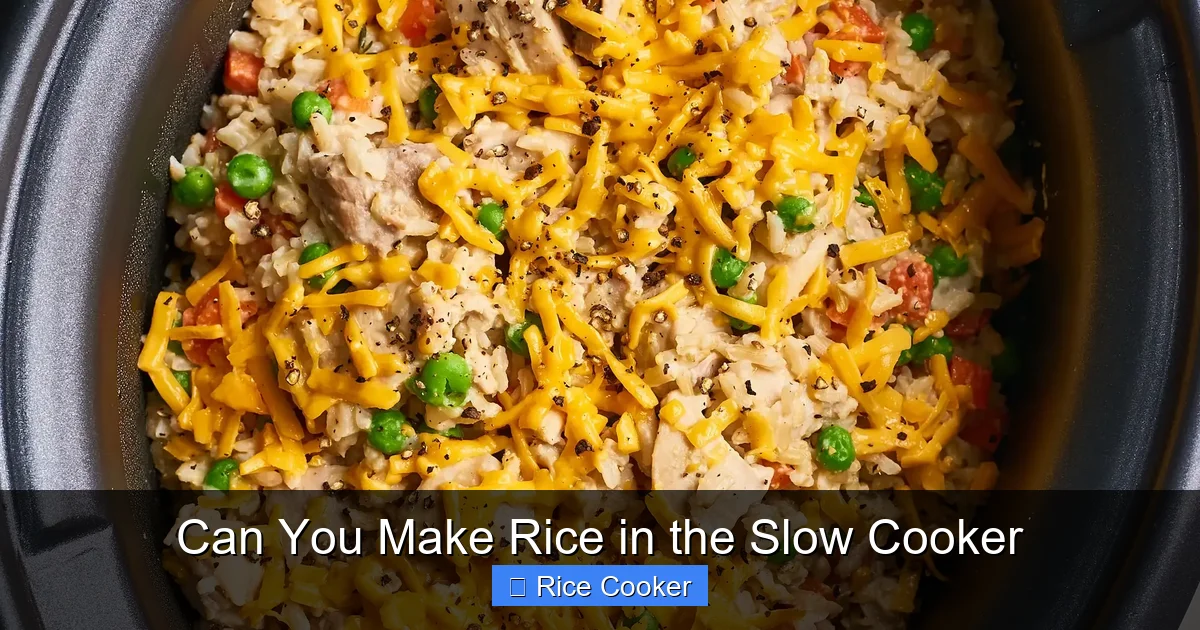
Yes, you can absolutely make rice in the slow cooker—it’s simple, convenient, and yields delicious results when done right. With the right water-to-rice ratio and a few helpful tips, your slow cooker can become your go-to kitchen tool for fluffy, flavorful grains. Whether you’re meal prepping or just want an easy side dish, this method saves time and requires almost no attention once it’s started.
Key Takeaways
- Yes, slow cookers can cook rice successfully: With proper preparation and timing, most slow cookers produce tender, evenly cooked rice without burning or drying out.
- Water-to-rice ratio is critical: A general rule is 2:1 water-to-rice ratio (by volume), but adjustments may be needed based on rice type and slow cooker model.
- Cooking time varies by setting: Low heat typically takes 3–4 hours; high heat may take 1.5–2 hours—longer isn’t always better.
- Fluffing matters: Letting rice sit covered for 10–15 minutes after cooking helps steam distribute evenly for fluffier texture.
- Clean-up is easier: Using a liner or greasing the insert prevents sticking and makes washing up a breeze.
- Try different grains: White rice works best, but brown rice, quinoa, and even wild rice can be adapted with slight modifications.
- Safety first: Always use a lid and avoid opening during cooking to maintain moisture and temperature.
[FEATURED_IMAGE_PLACEHOLDER]
Can You Make Rice in the Slow Cooker? Absolutely—Here’s How!
If you’ve ever wondered whether your trusty slow cooker can handle more than just stews and soups, the answer is a resounding yes! Making rice in the slow cooker is not only possible but also incredibly convenient for busy weeknights or meal prep days. Unlike traditional methods that require constant monitoring or specialized equipment like electric rice cookers, the slow cooker offers a hands-off approach that still delivers satisfying results.
But before you start dumping uncooked rice into your Crock-Pot, it’s important to understand how the process works and what makes it tick. The magic lies in controlled, low-and-slow heat that gently cooks the grains while absorbing excess moisture—just like boiling on the stove, but without all the babysitting. In this guide, we’ll walk through everything you need to know: from choosing the right kind of rice to troubleshooting common issues and even experimenting with flavors. By the end, you’ll feel confident turning your slow cooker into a versatile grain station.
The Science Behind Slow-Cooked Rice
Before diving into recipes or step-by-step instructions, let’s talk about why slow cooking works so well for rice. When rice absorbs liquid and heats gradually, its starches gelatinize—a chemical change that gives rice its signature fluffy, separate-grain texture. On the stove, this happens quickly under direct flame; in the slow cooker, it occurs over several hours thanks to consistent, indirect heat.
Why It Works
The slow cooker maintains a steady internal temperature between 170°F and 200°F (77°C–93°C), which is ideal for breaking down the rice’s cellular structure without scorching the bottom. Unlike pressure cookers or microwaves that rely on intense bursts of energy, the slow cooker uses patience and precision—perfect for developing tenderness and preventing mushiness.
Potential Pitfalls
However, there are risks if you skip key steps. Too little water leads to dry, chalky rice; too much creates a gluey mess. Overcooking—or using the wrong setting—can turn perfectly good basmati into paste. Also, since slow cookers lose some moisture through evaporation, starting with a bit more liquid than usual often helps compensate.
Choosing the Right Rice for Your Slow Cooker
Not all rice is created equal when it comes to slow-cooking. Some varieties absorb liquids faster, others hold their shape better. For beginners, we recommend starting with long-grain white rice like Jasmine or Basmati—they’re forgiving and widely available.
Best Types of Rice
- Long-grain white rice: Ideal due to low starch content, resulting in separate, non-sticky grains. Examples include Thai Jasmine, Indian Basmati, and American long-grain.
- Medium-grain rice: Slightly stickier but still workable if rinsed thoroughly and cooked carefully. Arborio or Valencia types fall here.
- Brown rice: Higher fiber and oil content mean longer cook times and higher water needs—usually double the water and 1–2 extra hours on low.
- Risotto rice (Arborio, Carnaroli): Can be made creamy in a slow cooker, though it requires stirring occasionally or using a lid that allows steam release.
Rinsing vs. Not Rinsing
Most experts agree that rinsing shortens and medium-grain whites removes surface starch, reducing stickiness. Long-grains benefit less but still gain from a quick rinse. Brown rice should always be rinsed to remove bran oils that can cause bitterness. Use cold water and rub gently between fingers until it runs clear.
Essential Equipment and Setup Tips
You don’t need fancy gadgets—just your slow cooker, basic utensils, and maybe one extra ingredient or two. But knowing what tools help ensures success.
What You’ll Need
- A standard 4- to 6-quart slow cooker
- Measuring cups (liquid and dry)
- Fine-mesh strainer (for rinsing)
- Wooden spoon or silicone spatula
- Optional: Slow cooker liner or parchment paper circle
- Optional: Trivet or rack (to elevate rice slightly if concerned about scorching)
Prepping the Slow Cooker
Lightly grease the inside of the ceramic insert with cooking spray or oil to prevent sticking—especially important for sticky or sweet rices like sushi or glutinous. If you have liners, place one inside before adding rice. This makes cleanup so much easier!
Setting the Timer
Unlike stovetop methods where you watch closely, slow cookers run on their own schedule. Most models come with low (3–4 hours) and high (1.5–2 hours) settings. For rice, low is usually preferred because it prevents scorching and allows even absorption. High heat speeds things up but increases risk of uneven cooking.
Step-by-Step Guide: Making Perfect Slow Cooker Rice
Now for the fun part—actually making it happen! Follow these steps exactly as written, and you’ll get restaurant-quality rice every time.
Ingredients & Ratios
The golden rule: 2 parts liquid to 1 part uncooked rice (by volume). So for 1 cup of rice, use 2 cups water (or broth for added flavor). Adjust slightly up or down depending on your slow cooker’s efficiency and desired consistency.
Instructions
- Rinse the rice: Place rice in a fine-mesh strainer and rinse under cold running water until water runs clear. Shake off excess water—don’t soak.
- Add ingredients to slow cooker: Transfer rinsed rice to the insert. Pour in measured liquid. Stir once to distribute.
- Cook uncovered: Cover the slow cooker with its lid. Do not lift during cooking. Set to LOW for 3–4 hours or HIGH for 1.5–2 hours.
- Test doneness: After timer goes off, open the lid and check. Rice should be tender with no crunchy bits. If still firm, replace lid and cook 15–30 minutes more.
- Rest and fluff: Turn off heat, leave lid on, and let stand 10–15 minutes. Then fluff gently with a fork or wooden spoon.
- Serve immediately: Transfer to serving bowl. Keep covered if delaying serving to retain warmth and moisture.
Pro Tips for Success
- Use a timer: Even if your slow cooker has auto shutoff, set a kitchen timer as backup.
- Don’t peek early: Opening the lid lets steam escape, potentially drying out your rice.
- Adjust for altitude: At high elevations, rice may cook faster—reduce time by 15–30 minutes.
- Taste test: Always sample before serving—texture can vary day to day based on humidity and appliance performance.
Flavor Variations and Creative Uses
Once you master plain white rice, you can elevate it with herbs, spices, or liquids. The beauty of slow cooking is that flavors meld beautifully without needing active prep.
Infused Broths
Instead of plain water, try:
– Chicken or vegetable broth for savory sides
– Coconut milk + lime zest for a Thai-inspired base
– Tomato juice with garlic and onion for Mexican-style arroz rojo
– Apple cider with cinnamon for sweet breakfast porridge (with oats mixed in)
Add-ins During Cooking
- Herbs: Add sprigs of thyme, bay leaf, or parsley at the start—remove before serving
- Cheese: Stir in grated Parmesan or feta during the last 10 minutes of cooking
- Nuts/seeds: Toss in toasted almonds or pumpkin seeds after fluffing for crunch
- Veggies: Diced carrots, peas, or bell peppers work well—add them with the liquid
Meal Prep Mastery
Batch-cook rice on Sunday and store portions in airtight containers in the fridge for up to 5 days or freeze for 2 months. Reheat with a splash of water or broth in a microwave-safe dish, covered, until warm through. No need to start from scratch each night!
Troubleshooting Common Problems
Even experienced cooks hit snags sometimes. Here’s how to fix the most frequent issues.
Dry or Crunchy Rice
This usually means insufficient liquid or overcooking. Next time, increase water by ¼ cup and reduce cook time by 15 minutes. Also, ensure your slow cooker seal is tight—cracked lids cause excessive evaporation.
Mushy or Sticky Texture
Overcooked or too much starch? Try rinsing more thoroughly next batch, use cooler setting, or reduce liquid slightly. Stirring once halfway through can also help separate grains.
Rice Stuck to Bottom
Scorching happens when rice touches hot metal without enough liquid. Solutions:
– Grease the insert generously
– Use a trivet to elevate rice above bottom
– Stir once halfway through cooking
– Consider switching to a newer model with improved heating elements
Uneven Cooking
Some grains remain hard while others are soft. This suggests inconsistent heat distribution. Stir gently once during cooking (only after 1 hour on high or 2 hours on low), or switch to low setting entirely.
Slow Cooker Rice vs. Other Methods
How does slow-cooked rice stack up against alternatives? Let’s compare.
Vs. Electric Rice Cooker
Electric rice cookers are designed specifically for this task—they maintain precise temperatures and often include fuzzy logic chips that detect when rice is done. Slow cookers are more versatile but less consistent. However, many people prefer slow cookers for their larger capacity and ability to combine rice with proteins or vegetables in one pot.
Vs. Stovetop Method
Stovetop rice requires constant attention—watching the pot, stirring occasionally, and timing perfectly. Slow cookers eliminate that stress but take longer. Taste-wise, they’re nearly identical when ratios are correct.
Vs. Microwave
Microwave rice is fastest (5–8 minutes) but tends to be drier and less flavorful unless you use a dedicated microwave-safe container with vented lid. Slow cooker wins on taste and texture for most home cooks.
Energy Efficiency
Slow cookers use very little electricity—about as much as a lightbulb—making them eco-friendly for long cooking sessions. They’re also great for keeping food warm without extra power draw.
Advanced Techniques and Recipes
Ready to level up? These methods show how far you can take slow-cooked rice.
One-Pot Meals
Combine rice with meat and veggies for complete dinners:
– Lemon-garlic chicken thighs with rice and green beans
– Black bean and sweet potato stew with cumin and oregano
– Shrimp and okra gumbo with long-grain white rice
Just add all ingredients together, cover with broth, and cook on low 4–5 hours. Remove chicken/shrimp before final 30 minutes if needed.
Creamy Rice Dishes
For risotto-like textures, use Arborio or Carnaroli rice and add warm broth gradually while stirring every 20 minutes. Alternatively, finish with a splash of cream or butter after fluffing.
Sushi Rice Variation
Make sushi rice by cooking short-grain Japanese rice with rice vinegar, sugar, and salt added to the liquid. Cook normally, then cool and mix with seasoned vinegar separately before forming sushi rolls.
Breakfast Rice Pudding
Combine 1 cup rice, 3 cups milk, ½ cup sugar, pinch of salt, and vanilla extract. Cook on low 4–5 hours until creamy. Stir occasionally if accessible. Top with fresh fruit or nuts.
Clean-Up Made Easy
Nobody likes scrubbing burnt-on rice. Prevent it and save yourself time.
Prevent Sticking
- Always grease the insert
- Use liners (they’re reusable and dishwasher-safe)
- Add a tablespoon of oil to the liquid—it creates a barrier
Post-Cooking Care
Let the insert cool completely before washing. Warm ceramic is more likely to crack if plunged into cold water. For stubborn residue, soak in warm soapy water before scrubbing with a non-abrasive sponge.
Storage Tips
Store leftover rice in glass containers with tight lids. Label with date—best eaten within 5 days refrigerated or 2 months frozen. Thaw frozen portions overnight in the fridge before reheating.
Frequently Asked Questions
Can I make brown rice in the slow cooker?
Yes! Brown rice needs more water and longer time—typically 3 cups water per 1 cup rice and 4–5 hours on low. Rinse well first, and consider adding a pinch of salt for flavor. Results will be chewier than white rice but still fully edible.
Do I need to sauté the rice first?
No—slow cookers don’t require browning. Adding raw rice directly to liquid works perfectly. Browning is only for developing flavor in dishes like paella or fried rice variants, which aren’t ideal for slow cookers.
Can I add salt at the beginning?
Absolutely. Salt seasons the rice as it cooks. Just dissolve it in the liquid before adding rice. Avoid adding salt later, as it won’t distribute evenly.
Will my slow cooker rice taste like soup?
Only if you use too much liquid or don’t drain properly. Proper ratios keep rice dry and fluffy. If it tastes watery, next time reduce water by ¼ cup and extend resting time.
Is it safe to leave rice in the slow cooker overnight?
Yes, as long as it reaches full temperature (>165°F/74°C) and stays there. USDA recommends not leaving perishable foods unrefrigerated beyond 4 hours, but cooked rice is shelf-stable once fully cooked and cooled.
Can I make rice in a programmable slow cooker?
Definitely! Set it to delay start if you want dinner ready exactly when you arrive home. Just ensure total cook time includes both delay and active cooking phases. Test doneness as usual.
Final Thoughts: Your New Kitchen MVP
Making rice in the slow cooker isn’t just a workaround—it’s a game-changer for home cooks who value simplicity without sacrificing quality. Once you crack the basics, the possibilities multiply: from fragrant herb-infused grains to hearty one-pot meals that simmer all day while you nap, study, or work. The slow cooker becomes your quiet kitchen partner, delivering reliable, delicious results with zero stress.
Remember, practice makes perfect. Don’t be discouraged if your first few attempts aren’t flawless—even professional chefs tweak ratios based on their equipment. Keep notes, experiment with flavors, and soon you’ll have a technique that fits seamlessly into your routine. And honestly? There’s something deeply satisfying about coming home to a perfectly cooked bowl of rice waiting patiently in your crockpot.
So go ahead—grab that bag of rice, fire up your slow cooker, and discover why millions of families rely on this humble kitchen appliance every single day. Your taste buds (and your busy schedule) will thank you.
This is a comprehensive guide about can you make rice in the slow cooker.
Key Takeaways
- Understanding can you make rice in the slow cooker: Provides essential knowledge
Frequently Asked Questions
What is can you make rice in the slow cooker?
can you make rice in the slow cooker is an important topic with many practical applications.