
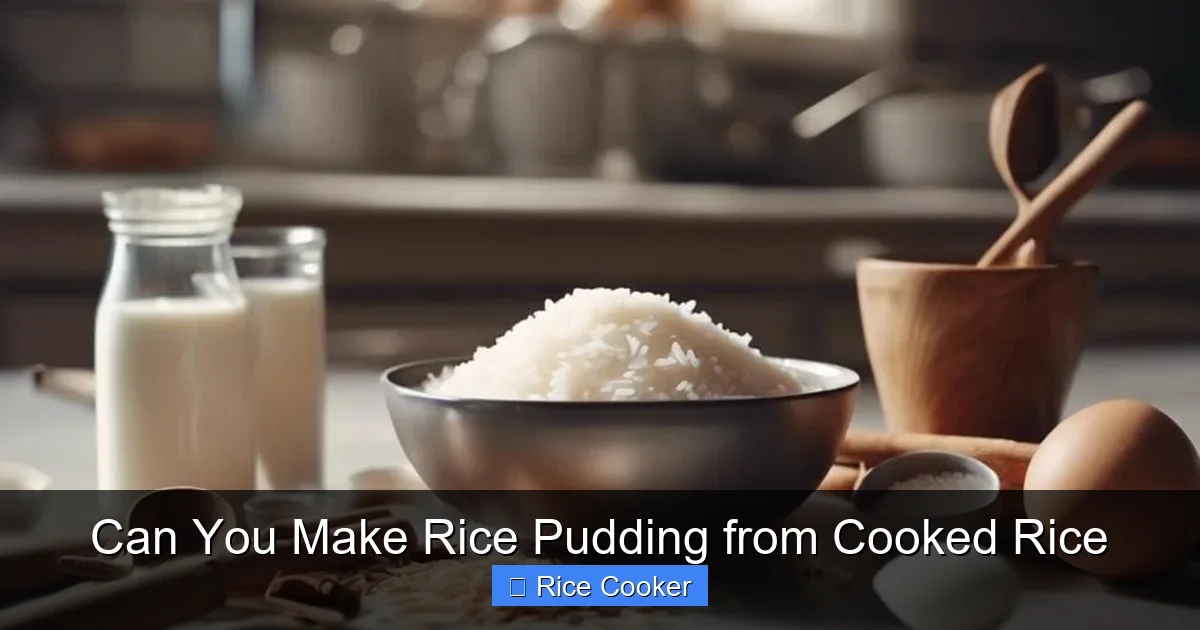
Can you make rice pudding from cooked rice? Absolutely—leftover rice is perfect for turning into a delicious, creamy rice pudding. Whether you use your rice cooker or simmer on the stove, it’s a simple way to enjoy a warm, sweet dessert with minimal effort.
Key Takeaways
- Yes, cooked rice works great: Leftover rice is ideal for making rice pudding since it’s already partially cooked and absorbs flavors easily.
- Your rice cooker can help: Many modern rice cookers have a “porridge” or “congee” setting that’s perfect for thickening milk-based mixtures like rice pudding.
- Flavor customization is key: Add cinnamon, vanilla, nuts, or fruit to elevate your pudding from basic to bakery-worthy.
- Adjust texture with liquid: Use more milk or water to loosen the consistency, especially if your rice was cooked dry or at high heat.
- Serve warm or cold: While traditionally served warm, some people enjoy chilled rice pudding for a refreshing twist.
- Storage makes it convenient: Make a big batch and store portions for quick breakfasts or desserts all week long.
- It’s budget-friendly: Using leftovers reduces waste and turns inexpensive ingredients into a satisfying treat.
[FEATURED_IMAGE_PLACEHOLDER]
Introduction: The Sweet Surprise of Leftover Rice
Ever stared into your fridge, wondering what to do with that half-empty container of plain white rice? Or maybe you overcooked a pot and now have extra grains sitting in your pantry? Before tossing it out (which would be a shame!), consider this: yes, you can definitely make rice pudding from cooked rice. In fact, using leftover rice is one of the easiest and most forgiving ways to turn a humble grain into something truly special.
Rice pudding isn’t just a nostalgic comfort food—it’s a global favorite with roots in everything from Indian kheer to Italian risotto al latte and French riz au lait. But here’s the secret most people don’t know: the method doesn’t require starting from raw rice. Cooked rice works beautifully because it’s already broken down slightly during cooking, making it easier to blend with milk and thicken into a creamy, luscious texture. Plus, using leftovers means less waste, fewer ingredients, and zero stress over timing. Whether you’re using an old-fashioned stovetop pot or relying on your trusty rice cooker, this recipe adapts effortlessly.
In this article, we’ll walk you through exactly how to transform cooked rice into rich, flavorful pudding—no chef skills required. We’ll cover different techniques, ingredient swaps, texture tricks, and even storage hacks so you can enjoy rice pudding anytime. So grab that bowl of yesterday’s rice, and let’s get cooking!
The Science Behind Rice Pudding: Why Cooked Rice Works Best
Before diving into recipes, it helps to understand why cooked rice is such a great base for pudding. When rice is boiled or steamed, its starches gelatinize—meaning they absorb water and swell, breaking down the grain structure. This process makes cooked rice much softer and more receptive to liquids than uncooked rice. Uncooked rice needs hours of soaking and slow cooking to achieve the same tenderness; with leftover rice, you’re already halfway there.
Starch Gelatinization Explained
Starches in rice are made up of amylose and amylopectin molecules. During the initial cooking, heat causes these molecules to unwind and absorb liquid—this is called gelatinization. Once gelatinized, the starch continues to release into any added liquid, thickening the mixture naturally. That’s why even a small amount of cooked rice can turn milk into a creamy sauce when heated gently.
Why Not Start From Scratch?
While you *can* make rice pudding from raw rice (and many traditional recipes do), it takes longer and requires constant stirring to prevent scorching. With cooked rice, you skip the waiting game. Simply combine it with warm milk, sugar, and spices, then let it simmer until thickened. Less time, same delicious result—especially handy when you’re short on time or want to repurpose leftovers quickly.
Essential Ingredients for Perfect Rice Pudding
Making rice pudding from cooked rice is surprisingly simple, but the right ingredients make all the difference between mediocre and memorable. Here’s what you’ll need—plus helpful substitutions for dietary preferences.
Core Ingredients
- Cooked rice: 1–2 cups (about 6 oz uncooked equivalent). Day-old rice works best because it’s drier and less likely to clump.
- Milk: Whole milk gives the richest texture, but 2%, 1%, or even plant-based alternatives (almond, oat, soy) work well. For dairy-free versions, use fortified unsweetened varieties.
- Sugar: Granulated white sugar balances richness, but brown sugar adds depth. Honey or maple syrup are natural alternatives—reduce other sweeteners by 1–2 tablespoons.
- Spices & flavorings: Cinnamon is classic, but nutmeg, cardamom, or vanilla extract add warmth and complexity.
- Optional add-ins: Raisins, chopped nuts (almonds, walnuts), shredded coconut, or dried fruit boost texture and sweetness.
Dairy-Free & Vegan Options
If you’re avoiding dairy, opt for oat milk or coconut milk. Oat milk creates a silky, creamy texture similar to whole milk, while coconut milk adds tropical notes. Just note that coconut milk may change the flavor profile significantly—great for adventurous cooks!
Sugar Alternatives
For lower glycemic impact, try erythritol, monk fruit, or a mix of honey and stevia. These won’t caramelize like cane sugar, so adjust cooking time slightly if browning is desired.
Step-by-Step Guide: Making Rice Pudding from Cooked Rice
Ready to turn your leftover rice into dessert? Follow these steps for foolproof results every time—whether you’re using a pot on the stove or your rice cooker.
Method 1: Stovetop Simmer (Traditional Approach)
- Prepare your rice: If your rice is very moist (like from a rice cooker with extra steam), drain off excess liquid or let it sit uncovered for 15 minutes to dry slightly.
- Combine ingredients: In a medium saucepan, mix 2 cups cooked rice, 4 cups milk, 1/3 cup sugar, 1/2 teaspoon cinnamon, and a pinch of salt. Add a splash of vanilla extract if using.
- Simmer gently: Bring to a gentle boil over medium-low heat. Reduce heat and simmer, stirring occasionally, for 20–30 minutes until thickened. Add raisins or nuts during the last 5 minutes.
- Adjust consistency: If too thick, stir in 1/4 cup milk. Too thin? Let it cook a few more minutes.
- Cool and serve: Remove from heat, cover, and let sit 10 minutes. Serve warm or chilled.
Method 2: Rice Cooker Porridge Setting (Quick & Hands-Off)
If your rice cooker has a “porridge,” “congee,” or “warm” setting, this is the easiest route:
- Add all ingredients (rice, milk, sugar, spices) to the inner pot. Stir well.
- Select the porridge setting (usually 20–30 minutes). If unavailable, use the “cook” function and manually switch to “warm” after 30 minutes of simmering.
- Stir once midway through cooking.
- Let sit 10 minutes before serving.
Pro Tips for Success
- Use day-old rice: It holds shape better and resists turning mushy.
- Low and slow is best: High heat can cause scorching or uneven thickening.
- Taste as you go: Adjust sweetness or spice level before final cooking stage.
- Don’t skip the fat: A splash of heavy cream or butter at the end makes pudding extra luxurious.
Customizing Your Rice Pudding: Sweet, Savory, and Seasonal Twists
Basic rice pudding is delicious—but where the magic really happens is in customizing it. Get creative with flavors that match your mood or occasion.
Classic Dessert Versions
- French-style riz au lait: Use almond or vanilla extract instead of cinnamon. Finish with a dusting of powdered sugar.
- Spiced Indian kheer: Cook with cardamom pods, saffron strands, and ghee. Top with pistachios and rosewater.
- Apple-cinnamon delight: Fold in diced apples during cooking for a chunkier texture and extra flavor.
Budget-Friendly Swaps
Want to cut costs without sacrificing taste? Swap milk for evaporated milk (cheaper and creamier) or use condensed milk for intense sweetness. Just reduce added sugar accordingly.
Seasonal Variations
- Summer: Chill the pudding and top with fresh berries, whipped coconut cream, or mango slices.
- Winter: Warm it up with extra cinnamon, orange zest, and chopped pecans.
- Holiday edition: Add cranberries, chestnuts, or pumpkin puree for festive flair.
Savory Rice Pudding (Surprise Twist!)
Yes, savory versions exist! Try using chicken broth instead of milk, adding grated Parmesan, thyme, and black pepper. Serve warm as a light dinner—it’s surprisingly satisfying.
Texture & Consistency: Solving Common Problems
Even experienced cooks run into issues sometimes. Here’s how to fix common rice pudding mishaps.
Too Thin?
This usually means not enough starch was released. Solutions:
- Simmer longer—up to 45 minutes—to allow more starch to dissolve.
- Add 1 tablespoon cornstarch mixed with 2 tablespoons cold milk slurry (mix first!) to help thicken quickly.
- Switch to a higher-protein milk like whole milk or evaporated milk.
Too Thick or Clumpy?
- Stir constantly while adding milk back in gradually.
- Use a hand blender or immersion blender to break up clumps before reheating.
- Strain through a fine mesh sieve if needed (though this changes texture).
Mushy or Soupy?
This often happens with very fresh, wet rice. Always start with drier rice. If already too soupy, drain excess liquid before adding milk.
Preventing Scorching
Nonstick pans help, but even then, low heat and frequent stirring prevent burning. A wooden spoon works best—metal can scratch surfaces.
Storing and Reheating Rice Pudding
One of the best things about rice pudding is how well it stores. Leftovers keep beautifully for days—and often taste better the next day as flavors meld.
Refrigeration
- Store in airtight containers for up to 5 days.
- Cover surface with parchment paper to prevent skin formation.
Freezing
- Portion into freezer-safe containers. Freeze up to 1 month.
- Thaw overnight in fridge. Reheat gently on stovetop with splashes of milk to restore creaminess.
Reheating Tips
- Microwave individual servings with a lid or plate to trap steam. Stir halfway through.
- Stovetop reheating (low heat, covered) preserves texture best.
- Add 1–2 tablespoons milk or water if pudding seems dry.
Healthy Eating Without Sacrificing Flavor
You don’t need to ditch flavor to eat healthier. With smart swaps, rice pudding can be both delicious and nutritious.
Nutrition Basics
A typical serving (1 cup) contains roughly:
- Calories: 200–300 (depending on milk and sugar used)
- Carbs: 35–45g
- Protein: 6–8g
- Fat: 5–10g
Lightening the Load
- Use skim milk or unsweetened almond milk to cut calories and fat.
- Reduce sugar by half and compensate with cinnamon or vanilla for sweetness.
- Add chia seeds or ground flaxseed for fiber and omega-3s.
- Top with Greek yogurt instead of cream for protein boost.
Gluten-Free & Allergy Considerations
Standard rice pudding is naturally gluten-free, nut-free, and dairy-free (if using plant milks). Just double-check labels on flavored milks or pre-made mixes.
Frequently Asked Questions
Can I use instant rice or pre-cooked rice packets?
Yes, but rinse them briefly to remove excess starch, which can make pudding too sticky. Drain well before adding to milk.
How do I prevent rice pudding from separating?
Separating usually happens if milk boils too violently. Always maintain a gentle simmer, not a rolling boil. Stir frequently and avoid sudden temperature changes when reheating.
Can I make rice pudding ahead of time?
Absolutely! Cook it a day in advance. It thickens further as it cools, so add a splash of milk or water when reheating.
Is rice pudding good cold?
Yes! Many cultures serve it chilled. It’s especially refreshing in summer. Just ensure it’s fully cooled and stored properly.
Why does my rice pudding taste bland?
Balance is key. Add a pinch of salt to enhance sweetness, and don’t underestimate spices like cinnamon or nutmeg. Fresh vanilla extract also makes a huge difference.
Can I use brown rice instead of white?
Technically yes, but brown rice has more fiber and takes longer to soften. You may need to add extra liquid and cook longer. Texture will be chewier rather than creamy.
Conclusion: Turn Leftovers Into Luxury
So, can you make rice pudding from cooked rice? The answer is a resounding yes—and now you know why it’s one of the most brilliant uses for leftovers. Whether you’re working with day-old jasmine rice from your rice cooker or repurposing a pot of overcooked basmati, this versatile dish proves that simplicity and flavor go hand in hand.
From its soothing warmth to its endless customization options, rice pudding is more than just a dessert—it’s a hug in a bowl. And the best part? You don’t need fancy equipment or culinary training. Just a little patience, a handful of ingredients, and a willingness to experiment. Next time you open your fridge and see those grains staring back at you, remember: they’re not scraps. They’re potential pudding.
Try this recipe tonight, tweak it tomorrow, and soon you’ll have a new family favorite. Share it with friends, freeze it for later, or surprise someone with a spoonful of comfort. Because really, what could be more nourishing than turning yesterday’s meal into tomorrow’s joy?
This is a comprehensive guide about can you make rice pudding from cooked rice.
Key Takeaways
- Understanding can you make rice pudding from cooked rice: Provides essential knowledge
Frequently Asked Questions
What is can you make rice pudding from cooked rice?
can you make rice pudding from cooked rice is an important topic with many practical applications.