
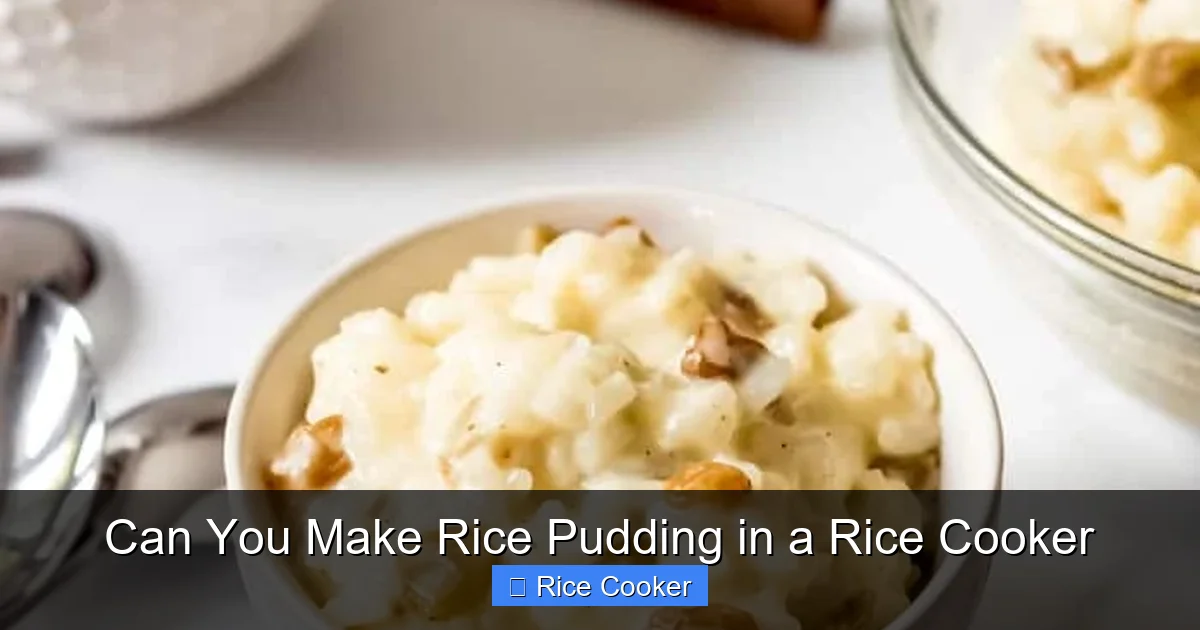
Making rice pudding in a rice cooker is not only possible but incredibly convenient. This method yields perfectly creamy results with less hands-on time, making it ideal for busy cooks who still want homemade comfort food. You’ll get tender grains and rich flavor without constant stirring.
Key Takeaways
- Understanding can you make rice pudding in a rice cooker: Provides essential knowledge
Quick Answers to Common Questions
Can I use any type of rice for rice pudding in a rice cooker?
While you can use different rice types, short-grain rice works best for pudding because it has more starch and creates the creamiest texture. Medium-grain rice is also acceptable, but long-grain rice will result in a lighter, less traditional pudding consistency.
How long does rice pudding need to cook in a rice cooker?
Most rice cookers take 30-40 minutes to cook rice pudding properly. The exact time depends on your specific model and the amount of rice used. After cooking, let it sit on the warm setting for 15-20 minutes to finish absorbing any remaining liquid.
Can I make rice pudding ahead of time?
Yes, rice pudding stores very well! Refrigerate for up to 5 days in an airtight container. When ready to serve, warm it gently in the microwave or on the stovetop with a splash of milk to restore its creamy texture.
Why is my rice pudding too thin or too thick?
If your pudding is too thin, cook it longer on the warm setting – the residual heat will continue thickening it. If too thick, add a small amount of milk and let it sit covered for a few minutes. Remember that rice continues to absorb liquid even after cooking completes.
Can I freeze rice pudding for later?
Yes, you can freeze rice pudding for up to 3 months. Use freezer-safe containers leaving some headspace for expansion. Thaw overnight in the refrigerator, then warm gently before serving. Note that freezing may affect the texture slightly, so it’s best enjoyed fresh.
📑 Table of Contents
- The Surprising Truth About Rice Cookers and Pudding
- Why Your Rice Cooker Is Perfect for Rice Pudding
- Essential Ingredients and Equipment
- Step-by-Step Rice Cooker Pudding Guide
- Creative Variations and Flavor Twists
- Storage and Serving Tips
- Advanced Techniques and Pro Tips
- Comparing Rice Cooker vs Traditional Methods
The Surprising Truth About Rice Cookers and Pudding
You’ve probably used your rice cooker for basic white rice, but did you know it can do so much more? Making rice pudding in a rice cooker opens up a whole new world of possibilities for your kitchen. It’s one of those surprising culinary discoveries that makes you wonder why you didn’t think of it sooner.
The magic happens because rice cookers are designed to handle starch-based foods perfectly. They maintain steady temperatures and have specific settings that work beautifully with the natural starches in rice that transform into that creamy, comforting pudding texture we all love.
Why Your Rice Cooker Is Perfect for Rice Pudding
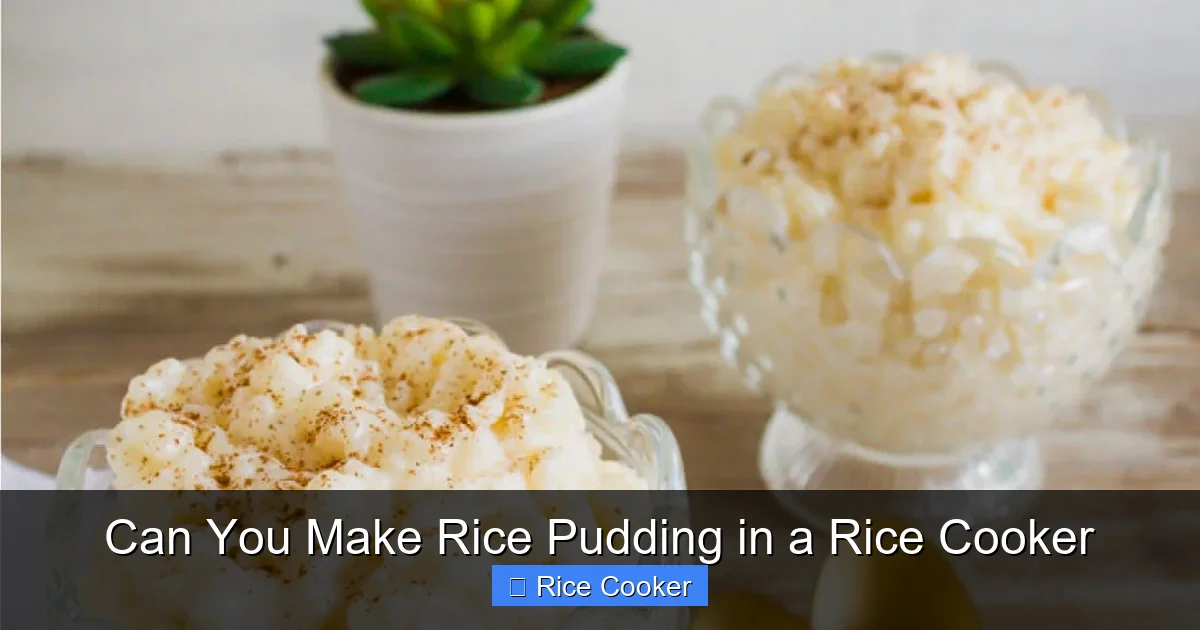
Visual guide about Can You Make Rice Pudding in a Rice Cooker
Image source: thirtyhandmadedays.com
The Science Behind Perfect Pudding
Rice cookers excel at creating rice pudding because they understand exactly what rice needs: consistent moisture and gradual temperature changes. Unlike stovetop methods that require constant attention, your rice cooker handles all the hard work automatically.
The built-in thermostat ensures the temperature never gets too high, preventing scorching while allowing the starches to fully gelatinize and release their natural creaminess. This process creates that signature smooth, custard-like texture that defines great rice pudding.
Convenience Meets Consistency
What makes rice cookers so great for rice pudding is their reliability. You don’t need to worry about watching the pot, adjusting heat, or risking burnt bottoms. Just add your ingredients, press a button, and walk away.
This consistency means every batch comes out nearly identical – something impossible to guarantee on the stovetop where heat distribution varies constantly. Plus, cleanup is dramatically easier since you’re just washing one pot instead of dealing with sticky burn marks and splattered surfaces.
Energy Efficiency Benefits
Using your rice cooker for pudding also saves energy compared to keeping a stove burner on for extended periods. Most modern rice cookers use minimal power once they switch to warm mode, helping you save money on electricity bills while creating delicious dessert.
Essential Ingredients and Equipment

Visual guide about Can You Make Rice Pudding in a Rice Cooker
Image source: simple-nourished-living.com
Basic Rice Pudding Foundation
Start with these core ingredients that form the backbone of any good rice pudding:
– **Short-grain rice**: This is crucial for achieving the right texture. Short-grain rice has higher starch content than long-grain varieties, which helps create that thick, creamy consistency.
– **Whole milk**: Provides richness and helps create the custardy texture. For a lighter version, you can use part-skim milk.
– **Sugar**: Adjust according to your preference. Brown sugar adds depth while white sugar gives a cleaner sweetness.
– **Vanilla extract**: The aromatic component that elevates the overall flavor profile.
– **Salt**: A pinch enhances all other flavors – don’t skip this!
Optional Enhancements
Once you master the basics, try adding:
– **Cinnamon**: Adds warmth and complexity
– **Cardamom**: Creates an exotic, fragrant twist
– **Nutmeg**: Provides subtle earthiness
– **Raisins or currants**: For natural sweetness and chewiness
– **Coconut milk**: For a tropical variation
Equipment Essentials
Your rice cooker should have:
– Removable inner pot (for easy cleaning)
– Clear lid (to monitor progress)
– Timer functionality
– Warm setting (essential for keeping pudding ready)
Step-by-Step Rice Cooker Pudding Guide
Prep Work: Getting Everything Ready
Before you start cooking, gather all your ingredients and prepare them properly. Measure everything before beginning – rice pudding works best when you maintain consistent ratios.
For short-grain rice, rinse it quickly under cold water to remove excess starch, then drain thoroughly. This prevents the pudding from becoming too gummy. If using brown rice instead, expect longer cooking times and a slightly different texture.
The Cooking Process
1. **Combine base ingredients**: In your rice cooker pot, mix rinsed rice, milk, sugar, salt, and vanilla. Stir well to dissolve the sugar completely.
2. **Add optional extras**: At this point, you can add cinnamon sticks, raisins, or any other additions you prefer.
3. **Cook on regular setting**: Most rice cookers will take 30-40 minutes for pudding consistency. The exact time depends on your specific model and rice quantity.
4. **Let it sit**: Once done, keep the rice cooker on warm setting for 15-20 minutes. This allows the rice to fully absorb any remaining liquid and reach optimal creaminess.
Troubleshooting Common Issues
If your pudding turns out too thin, try cooking it longer on the warm setting – the residual heat will continue thickening it. If it’s too thick, add a splash of milk and let it sit covered for a few minutes.
Creative Variations and Flavor Twists
Classic Cinnamon Pudding
The traditional favorite gets even better in a rice cooker. Add 1 teaspoon ground cinnamon along with the vanilla, plus ¼ cup raisins for extra texture. The cinnamon melts into the milk beautifully during cooking.
Coconut Cream Delight
Replace half the milk with coconut milk for a tropical version. Add a pinch of cardamom and top with toasted coconut flakes when serving. This variation pairs wonderfully with fresh fruit.
Browned Butter Apple Pie Style
Make a sophisticated version by browning butter separately, then adding it to your pudding mixture along with diced apples and apple pie spice. Top with cinnamon sugar before serving.
Chocolate Chip Madness
Add ½ cup chocolate chips during the last 5 minutes of cooking. The residual heat will melt them into swirls throughout the pudding. Serve with whipped cream for extra indulgence.
Storage and Serving Tips
Proper Storage Methods
Rice pudding keeps beautifully for up to 5 days when stored properly. Let it cool completely before transferring to an airtight container. Cover with plastic wrap directly on the surface to prevent skin formation.
Refrigerate immediately – don’t leave room-temperature pudding sitting out for more than 2 hours due to food safety concerns.
Reheating Techniques
To reheat refrigerated pudding, place it in a microwave-safe dish and heat in 30-second intervals, stirring between each until warmed through. Alternatively, warm it gently in a saucepan over low heat with a splash of milk added to restore creaminess.
Serving Suggestions
Serve warm as is, or with various toppings:
– Whipped cream
– Fresh berries
– Crushed nuts
– Caramel sauce
– Cinnamon sugar sprinkle
– Vanilla ice cream (for dessert version)
Advanced Techniques and Pro Tips
Mastering Texture Control
The secret to perfect rice pudding lies in understanding how different rice varieties behave. Short-grain rice creates the creamiest results, while medium-grain works almost as well. Long-grain rice will give you a lighter, fluffier texture.
Adjust cooking times based on rice quantity – generally allow 1 cup rice to 3 cups liquid ratio. More liquid = thinner consistency, less liquid = thicker pudding.
Flavor Development Hacks
For deeper flavor, consider:
– Browning the rice briefly before adding milk
– Using warm milk instead of cold (helps prevent temperature shock)
– Adding spices during the final minutes of cooking
– Creating a simple syrup by dissolving sugar in a bit of water first
Kitchen Safety Considerations
Always use oven mitts when handling hot rice cooker components. Keep children and pets away during cooking. Ensure your rice cooker is on a stable, heat-resistant surface.
Comparing Rice Cooker vs Traditional Methods
Time Investment
Rice cooker method: 45 minutes total (mostly hands-off)
Stovetop method: 60+ minutes (constant monitoring required)
Texture Results
Rice cooker: Consistently creamy, uniform texture
Stovetop: Variable results depending on skill level and attention
Cleanup Difficulty
Rice cooker: Easy single-pot cleanup
Stovetop: Messy with multiple pots and burned residue
Energy Usage
Rice cooker: Lower energy consumption overall
Stovetop: Higher energy usage with extended cooking time
Skill Level Required
Rice cooker: Beginner-friendly, minimal technique needed
Stovetop: Requires experience to avoid scorching and achieve proper consistency
Cost Efficiency
Both methods use similar ingredients, but rice cooker’s efficiency makes it slightly more cost-effective over time due to lower energy bills.
Frequently Asked Questions
What type of rice works best for rice pudding in a rice cooker?
Short-grain rice is ideal for rice pudding as it has higher starch content, creating that characteristic creamy texture. You can also use medium-grain rice, but long-grain varieties will produce a lighter, fluffier consistency that’s less traditional for pudding.
Can I substitute different liquids besides milk?
Absolutely! You can use half-and-half for richer pudding, evaporated milk for extra thickness, or even broth for savory variations. Dairy-free options include almond milk or oat milk, though they may require additional thickening agents.
How do I prevent my rice pudding from becoming too gummy?
Use the proper rice-to-liquid ratio (usually 1:3), rinse the rice before cooking to remove excess starch, and avoid overcooking. If it becomes too thick, add a little milk and let it sit covered for a few minutes to reabsorb properly.
Can I add fruits or nuts to my rice cooker pudding?
Yes! Add fruits like apples, berries, or peaches during the last 10 minutes of cooking. For nuts, add chopped almonds or walnuts during the final 5 minutes. Be careful with highly acidic fruits as they may break down the rice texture.
Why does my rice pudding have a skin on top?
The skin forms when pudding sits uncovered and loses moisture. To prevent this, always cover with plastic wrap directly touching the surface of the pudding, or store it covered in an airtight container with a layer of parchment paper underneath.
How can I make my rice pudding extra creamy?
For maximum creaminess, use full-fat dairy products, add a tablespoon of cornstarch mixed with water to the initial ingredients, or blend half the cooked pudding before returning it to the pot. Some people also add a beaten egg yolk during the last few minutes for luxurious creaminess.