
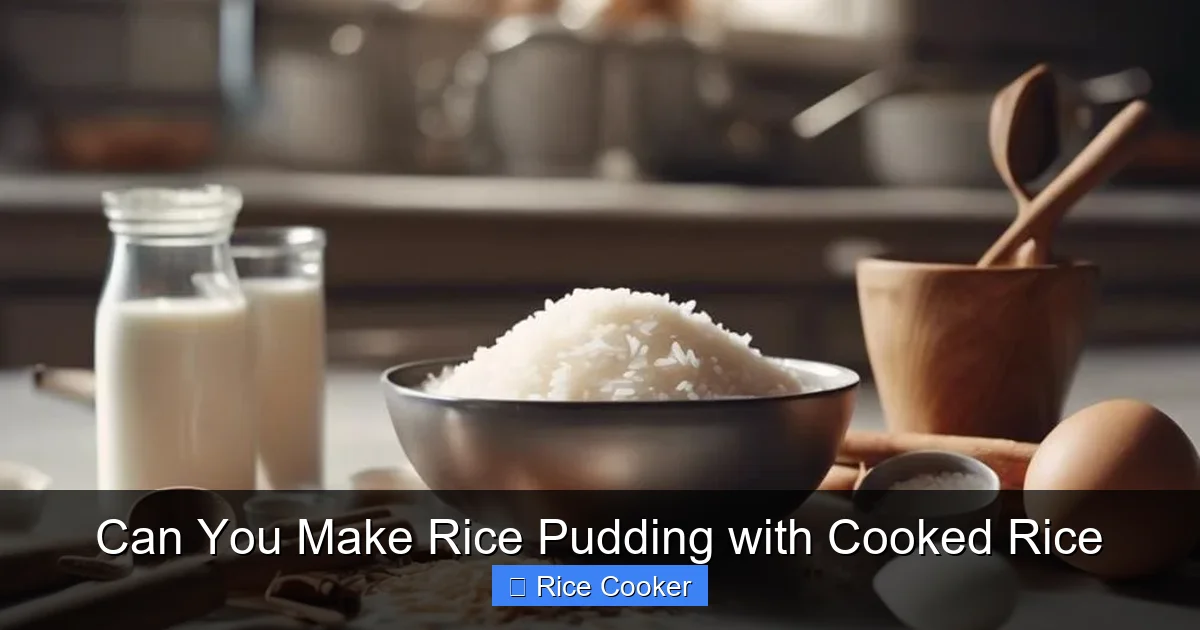
Can you make rice pudding with cooked rice? Absolutely! Using leftover or pre-cooked rice is not only possible but often preferred, as it saves time and ensures consistent results. Rice pudding becomes creamier and more flavorful when reheated slowly in milk and spices. Whether you’re using day-old rice or fresh leftovers, the process remains simple and rewarding. This guide walks you through every step, tips, and variations so you never waste another grain again.
Key Takeaways
- You can definitely use cooked rice to make rice pudding. It’s one of the most common and effective methods, especially when making from leftover grains.
- Cooked rice absorbs liquid better than uncooked, leading to a creamier texture. This makes it ideal for desserts like rice pudding.
- The key to great rice pudding lies in slow cooking and proper ratio of rice to liquid. Too much liquid leads to soupy results; too little makes it thick and dry.
- Flavoring options are endless—vanilla, cinnamon, cardamom, or even fruit compotes. You can customize your pudding to match any taste or occasion.
- Rice pudding with cooked rice is ready in under 30 minutes. It’s quick, comforting, and perfect for weeknight desserts or breakfast treats.
- Storing and reheating are simple—refrigerate leftovers and warm gently before serving. It keeps well for up to 5 days in the fridge.
- Using a rice cooker or stovetop method both work well. Choose based on convenience and desired consistency.
Making rice pudding with cooked rice is not only possible—it’s one of the best ways to do it. Whether you have leftover white rice from last night’s stir-fry or a batch of jasmine rice from Sunday dinner, transforming it into a warm, creamy dessert is easier than you think. Unlike starting with raw rice, which requires longer cooking and constant stirring, using already cooked rice cuts down preparation time significantly. Plus, because the grains are partially broken down, they absorb flavors and liquids more evenly, resulting in a smoother, richer texture.
This method is especially popular in households that cook rice frequently, as it reduces food waste and maximizes kitchen efficiency. From classic vanilla-rice pudding to spiced Indian kheer or fruity baked puddings, the possibilities are endless. And the best part? You don’t need fancy equipment—just a pot, a whisk, and a little patience. In this guide, we’ll walk you through everything: why cooked rice works so well, how to avoid common mistakes, flavor variations, and even how to use a rice cooker for perfect results every time.
Key Takeaways
- Understanding can you make rice pudding with cooked rice: Provides essential knowledge
Quick Answers to Common Questions
Can I use day-old cooked rice for rice pudding?
Absolutely! Day-old rice works even better than freshly cooked rice because the grains are drier and absorb liquid more efficiently. Just make sure it’s stored properly in the fridge and warmed slightly before adding to the milk.
Do I need to rinse the cooked rice before making pudding?
No, rinsing isn’t necessary unless the rice was cooked with too much starch or you notice a slimy texture. Most store-bought or leftover rice is fine to use directly.
Can I substitute other grains for rice?
Yes! Oats, barley, and quinoa can all be used in similar ratios. Keep in mind that oats may create a thicker, fluffier texture, while quinoa can give a nuttier flavor and lighter consistency.
How do I prevent my rice pudding from becoming too sticky?
Stir frequently during the first 10 minutes of cooking, and avoid high heat. If it starts to stick, add a tablespoon of warm milk or water to loosen the mixture. Using a non-stick pan helps immensely.
Is rice pudding with cooked rice healthier than the raw rice version?
Both versions are nutritionally similar, but using cooked rice saves time and energy. The main difference is in convenience—not health. You can enhance health benefits by choosing whole grains and reducing added sugar.
📑 Table of Contents
Why Use Cooked Rice for Rice Pudding?
When it comes to making rice pudding, many recipes call for uncooked rice. But using cooked rice offers several advantages that make it a smart choice, especially for home cooks. First, cooked rice has already absorbed some moisture, so you won’t need to add extra water during cooking. This helps maintain the right balance between creaminess and thickness. Second, since the starches in rice have already begun to gelatinize during initial cooking, they release more naturally during reheating, creating a smoother mouthfeel.
Another benefit is consistency. Uncooked rice can vary widely in size and texture depending on the brand or cooking method, which affects how it cooks in the pudding. Cooked rice, on the other hand, is uniform and predictable. You can even measure it by volume—1 cup of cooked rice typically yields about 1.5 cups of pudding when mixed with milk and sugar. This reliability is especially helpful if you’re meal-prepping or serving guests.
Lastly, using leftover rice turns what could be kitchen waste into something delicious. Instead of tossing out yesterday’s dinner, repurpose it into a comforting dessert. It’s sustainable, economical, and satisfying. Whether you’re making a quick afternoon snack or preparing for a family gathering, this technique proves that rice pudding doesn’t have to be complicated.
The Perfect Ratio: How Much Liquid Do You Need?

Visual guide about Can You Make Rice Pudding with Cooked Rice
Image source: m.media-amazon.com
One of the biggest challenges in making rice pudding—whether with cooked or uncooked rice—is getting the liquid-to-rice ratio just right. Too little liquid, and your pudding turns out stiff and clumpy. Too much, and it becomes watery and loses its comforting richness. For cooked rice, the general rule is:
– 1 cup cooked rice : 2–2.5 cups milk (and sometimes a bit of water)
Start with 2 cups of milk per cup of rice. Heat it gently with spices and sweetener, then add the rice. Stir frequently for the first 10 minutes to prevent sticking and ensure even absorption. If the pudding seems too thick after 15 minutes, add a splash of warm milk or water. If it’s too runny, let it simmer a bit longer—the rice will continue to absorb liquid as it warms.
Keep in mind that different types of rice behave differently. Short-grain rice (like Arborio or sushi rice) holds its shape better and creates a creamier result. Long-grain rice (like basmati or jasmine) can become slightly separate but still works beautifully, especially in flavored versions. Brown rice takes longer to soften, so you may need to add a bit more liquid and cook for an extra 10–15 minutes.
Pro tip: Always use full-fat dairy for the creamiest texture. Whole milk, heavy cream, or evaporated milk all work well. Skim milk tends to make the pudding thinner and less rich.
Step-by-Step Guide: Making Rice Pudding with Cooked Rice

Visual guide about Can You Make Rice Pudding with Cooked Rice
Image source: lilluna.com
Ready to make your own rice pudding? Follow these simple steps for foolproof results every time.
Ingredients You’ll Need
- 1 cup cooked rice (white or brown, cooled or at room temperature)
- 2–2.5 cups whole milk (or a mix of milk and heavy cream)
- ¼ cup granulated sugar (adjust to taste)
- 1 teaspoon vanilla extract (optional but recommended)
- Pinch of salt
- ½ teaspoon ground cinnamon (or other spices like nutmeg or cardamom)
- 1–2 tablespoons raisins, chopped dried fruit, or berries (optional)
- Freshly grated nutmeg or cinnamon for topping (optional)
Equipment
- A medium-sized saucepan with a lid
- A whisk or wooden spoon
- A measuring cup
- A plate (to cool the pudding quickly if needed)
Instructions
- Heat the milk. Pour the milk into a saucepan over medium-low heat. Add the sugar, salt, and cinnamon. Stir until the sugar dissolves completely. Avoid boiling the milk—just warm it until it’s steaming.
- Add the rice. Once the milk is warm, carefully stir in the cooked rice. Make sure it’s fully submerged. The mixture will seem thick at first, but it will loosen as it heats.
- Cook slowly. Bring the mixture to a gentle simmer, then reduce the heat to low. Cover the pan partially and let it cook for 15–20 minutes, stirring every 5 minutes to prevent sticking and promote even cooking.
- Check consistency. After 20 minutes, the rice should be soft and creamy. If it’s still too thick, add a tablespoon of warm milk at a time until you reach your desired texture.
- Add extras. Stir in vanilla extract and any dried fruits or nuts during the last 2 minutes of cooking.
- Cool slightly. Remove from heat and let it sit for 5 minutes. This allows the flavors to meld and makes it easier to serve.
- Serve warm or chilled. Enjoy immediately with a sprinkle of cinnamon on top. Or refrigerate for 1–2 hours for a firmer, cooler dessert.
Troubleshooting Common Issues
If your rice pudding ends up too dry, it’s likely because not enough liquid was used. Next time, increase the milk by ¼ cup. If it’s too soupy, simmer uncovered for a few more minutes to reduce the liquid. Sticky or clumpy texture usually means you didn’t stir frequently enough—always keep that wooden spoon moving!
Flavor Variations and Creative Twists
The beauty of rice pudding is its adaptability. While the basic recipe is comforting on its own, you can elevate it with creative ingredients and global-inspired twists.
Classic Vanilla Rice Pudding
Stick to the basics: cooked rice, milk, sugar, vanilla, and a pinch of salt. Serve warm with a dusting of cinnamon. This version is timeless and beloved in many cultures.
Spiced Kheer (Indian-Inspired)
Use full-fat milk, add cardamom pods, saffron strands, and a touch of ghee (clarified butter). Cook until thick, then garnish with chopped almonds and pistachios. Serve chilled for a festive treat.
Baked Rice Pudding
Pour the mixture into a greased baking dish, top with breadcrumbs or crushed cookies, and bake at 350°F (175°C) for 25–30 minutes until golden. Great for serving in individual ramekins.
Fruit-Infused Pudding
Add warm apple compote, mango puree, or stewed berries during the last 5 minutes of cooking. For a boozy twist, stir in a splash of rum or brandy before serving.
Gluten-Free and Dairy-Free Options
Use almond milk, oat milk, or coconut milk instead of dairy. Ensure your rice is certified gluten-free if needed. Sweeten with maple syrup or honey for natural sweetness.
Vegan Rice Pudding
Combine cooked rice with coconut milk, maple syrup, vanilla, and a pinch of sea salt. Cook as usual and top with fresh fruit or toasted coconut flakes.
Each variation maintains the core technique—slow cooking cooked rice in liquid—but transforms the flavor profile to suit any preference or dietary need.
Using a Rice Cooker for Effortless Pudding
While traditional stovetop methods are reliable, you can also make rice pudding with cooked rice using a rice cooker. This is especially convenient if you want hands-off cooking or are making multiple servings.
How to Make It
Place the cooked rice, milk, sugar, and spices into the rice cooker bowl. Stir well to combine. Close the lid and set the cooker to the “warm” or “cook” setting. Let it run for 20–25 minutes, stirring once halfway through. The rice cooker’s controlled heat mimics slow simmering, yielding a creamy texture without scorching.
Tips for Rice Cooker Success
- Use a 1:2 ratio of cooked rice to milk.
- Don’t open the lid too often—this disrupts the cooking process.
- If the pudding is too thick, add warm milk gradually while stirring.
- For baked-style pudding, transfer the mixture to a greased oven-safe dish after cooking and bake at 350°F for 15 minutes.
Rice cookers are also great for making large batches, such as when preparing for a brunch or holiday gathering. Just double or triple the ingredients and adjust the cooking time accordingly.
Storage and Reheating Tips
Leftover rice pudding stores beautifully in the refrigerator for up to 5 days. Transfer it to an airtight container and press plastic wrap directly onto the surface to prevent a skin from forming. When ready to eat, warm it gently on the stove over low heat, adding a splash of milk if it’s too thick. Stir constantly to avoid burning.
For microwave lovers, place portions in a microwave-safe bowl, cover loosely with a damp paper towel, and heat in 30-second intervals, stirring between each. This prevents overheating and ensures even warmth.
If you prefer cold pudding, let it chill in the fridge for at least 2 hours before serving. Some people even enjoy it straight from the fridge—especially in warmer climates or as a light dessert.
Freezing is also possible. Portion the pudding into small containers or ice cube trays (great for single servings), cover, and freeze for up to 1 month. Thaw overnight in the fridge and reheat as usual.
Health Benefits and Nutritional Notes
Rice pudding made with cooked rice is more than just a comfort food—it offers several nutritional benefits, especially when made with wholesome ingredients.
Cooked rice provides carbohydrates for energy, along with small amounts of protein and fiber (especially if using brown rice). Milk adds calcium, vitamin D, and additional protein. Raisins or dried fruit contribute natural sugars and antioxidants. Nuts or seeds offer healthy fats and added crunch.
Compared to many store-bought desserts, homemade rice pudding is lower in artificial additives and refined sugars—especially if you control the sweetening. You can also boost its nutritional value by using brown rice, oats, or quinoa instead of white rice, and swapping regular milk for fortified alternatives.
However, portion control is important due to its calorie density. A typical serving (about 1 cup) contains roughly 250–350 calories, depending on ingredients. Balancing it with fresh fruit or yogurt makes for a satisfying dessert or breakfast option.
Frequently Asked Questions
Can I use brown rice for rice pudding?
Yes, brown rice works well in rice pudding, though it takes longer to soften and may require more liquid. Start with a 1:3 ratio of brown rice to milk and cook for 25–30 minutes, stirring often.
How long does rice pudding last in the fridge?
Rice pudding stays fresh for up to 5 days when stored in an airtight container in the refrigerator. Always reheat gently to restore its creamy texture.
Can I make rice pudding without sugar?
Yes, you can omit sugar or use natural sweeteners like honey, maple syrup, or dates. Adjust to taste and consider adding a pinch of salt to balance the flavor.
Why is my rice pudding too watery?
This usually happens when too much liquid is used or cooking time is too short. Simmer uncovered for 5–10 more minutes to evaporate excess moisture, or add a cornstarch slurry (1 tsp cornstarch + 1 tsp water) to thicken it.
Can I add eggs to rice pudding?
Traditional versions often include egg yolks for richness and thickening. If using cooked rice, you can safely add beaten eggs off-heat, stirring constantly, to create a custard-like texture.
What’s the difference between rice pudding and rice porridge?
Rice pudding is sweeter, creamier, and often flavored with spices and milk, while porridge (or congee) is savory, watery, and typically served with toppings like ginger and scallions. Both use cooked rice but differ greatly in preparation and taste.