
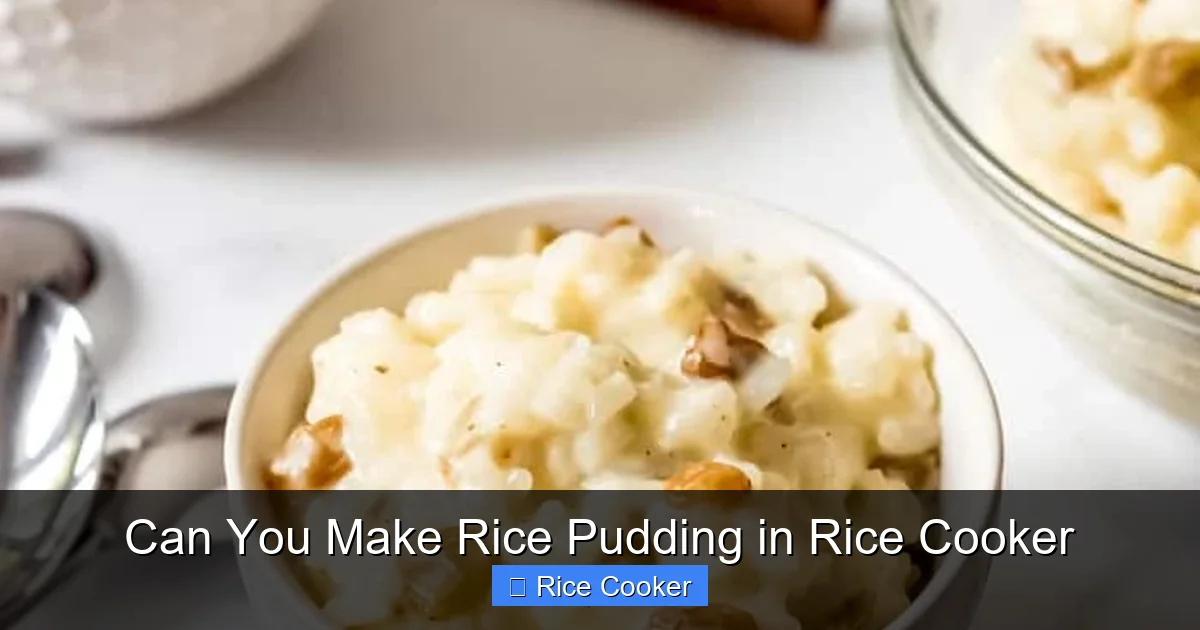
Making rice pudding in a rice cooker is not only possible—it’s one of the easiest ways to whip up this cozy dessert. With just a few ingredients and minimal effort, you can enjoy a creamy, aromatic treat that’s ready in under an hour. The rice cooker does all the hard work, gently cooking the rice and thickening the mixture into a luscious pudding.
Key Takeaways
- Yes, you can make rice pudding in a rice cooker—it’s simple, foolproof, and requires no constant stirring.
- Using the white rice setting ensures even cooking and perfect texture for pudding consistency.
- Adding flavor early (like cinnamon or vanilla) helps infuse the dish from the start.
- Cooking time varies by grain type, but most take 30–45 minutes total.
- Toppings like nuts, fruit, or a sprinkle of sugar elevate your pudding from basic to bakery-worthy.
- You can customize sweetness and creaminess with milk ratios, sweeteners, and optional additions like raisins or chocolate.
- Clean-up is a breeze—just rinse the inner pot after cooking.
📑 Table of Contents
- Can You Make Rice Pudding in a Rice Cooker?
- Why Use a Rice Cooker for Rice Pudding?
- Choosing the Right Rice for Your Pudding
- Basic Ingredients and Proportions
- Step-by-Step Instructions
- Tips for Perfect Rice Pudding
- Troubleshooting Common Issues
- Variations and Creative Twists
- Serving Suggestions and Storage
- Conclusion
Can You Make Rice Pudding in a Rice Cooker?
If you love the warm, comforting flavors of traditional rice pudding—creamy rice simmered in milk with a hint of cinnamon, vanilla, and maybe a few raisins—you’re in luck. Not only can you make it in a rice cooker, but doing so might actually be easier than using the stovetop method. That’s right: this humble kitchen appliance is more versatile than you think. Whether you’re preparing a quick weeknight dessert or a cozy breakfast treat, making rice pudding in a rice cooker delivers consistent results with minimal supervision.
Unlike boiling rice on the stove—which requires constant attention to prevent sticking or burning—a rice cooker automates the process. It measures water precisely, maintains steady heat, and shuts off when done. This means you can focus on adding spices, sweeteners, and mix-ins while the machine does the rest. Plus, the result? A thick, velvety pudding with evenly cooked grains and rich flavor throughout. No scorched bottoms, no guesswork, just pure comfort in a bowl.
In this guide, we’ll walk through everything you need to know about making rice pudding in a rice cooker—from choosing the right rice to customizing your recipe for different tastes and dietary needs. We’ll also share tips for beginners, troubleshooting common issues, and ideas for serving your creation. So grab your favorite mug and let’s get cooking!
Why Use a Rice Cooker for Rice Pudding?
You might be wondering: why bother making rice pudding in a rice cooker when you could just boil it on the stove? The answer lies in convenience, consistency, and control. Let’s break down the advantages.
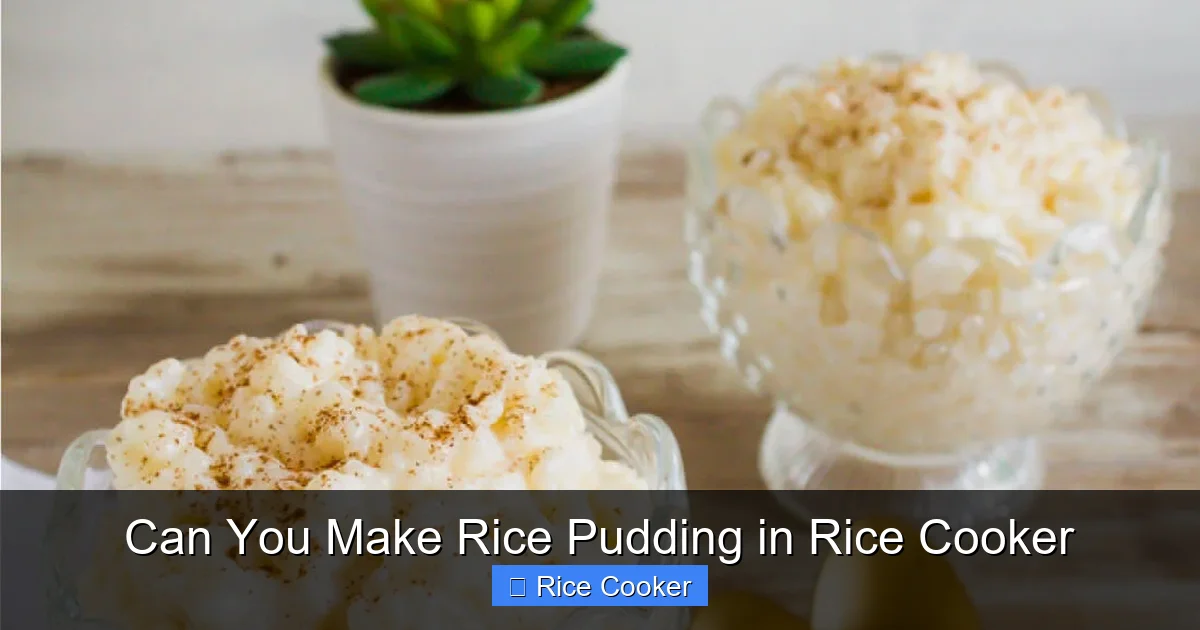
Visual guide about Can You Make Rice Pudding in Rice Cooker
Image source: thirtyhandmadedays.com
1. Hands-Off Cooking
One of the biggest benefits of using a rice cooker is that it requires almost no active involvement. Once you add your ingredients, close the lid, and press “cook,” you can go about your day—or even take a nap. Unlike stovetop recipes that demand stirring every few minutes, the rice cooker circulates heat evenly and prevents scorching. This makes it ideal for busy parents, students, or anyone who wants dessert without the hassle.
2. Perfect Texture Every Time
Rice cookers are designed to produce consistently cooked grains. When you adapt them for pudding, they help create that signature creamy yet slightly firm texture—no mushy or dry results. The built-in sensor detects when the liquid has been absorbed and automatically switches to “warm,” which keeps your pudding at the ideal serving temperature without overcooking.
3. Energy Efficient
Cooking rice pudding on the stove often means keeping the burner on high for 20–30 minutes, which uses more energy. A rice cooker, by contrast, uses less power and typically runs for less time once it reaches full capacity. It’s a small step toward greener cooking, too.
4. Easy Cleanup
Most modern rice cookers come with non-stick inner pots that are dishwasher-safe. After your pudding is done, just pop out the pot, rinse it quickly, and toss it in the dishwasher. No scrubbing burnt residue off the bottom of a heavy pot.
5. Customizable and Scalable
Whether you want a small single-serving batch or enough for a family gathering, rice cookers handle volume well. And since you’re controlling the ingredients, you can easily adjust sweetness, spice levels, or add-ins like nuts or dried fruit.
Choosing the Right Rice for Your Pudding
Not all rice is created equal when it comes to pudding. While long-grain varieties like jasmine or basmati work in savory dishes, they tend to become too fluffy and separate when cooked with milk. For the best rice pudding texture, stick to short- or medium-grain rices that absorb liquid well and stay soft and clingy together.

Visual guide about Can You Make Rice Pudding in Rice Cooker
Image source: simple-nourished-living.com
Best Types of Rice for Rice Pudding
- Arborio Rice: Italian short-grain rice known for its high starch content. It creates a wonderfully creamy texture, though it can be harder to find outside specialty stores.
- Sushi Rice: Another short-grain option with a slightly sticky texture. It absorbs milk nicely and holds its shape without turning mushy.
- Short-Grain White Rice: The most common choice for pudding. Brands like Calrose or Carolina white rice are widely available, affordable, and yield tender, cohesive grains.
- Bomba Rice: A Spanish variety prized in paella, but also excellent for pudding due to its ability to absorb liquid without dissolving.
Avoid using brown rice unless you’re okay with a chewier, nuttier texture and longer cooking time. While brown rice can work in a pinch, it doesn’t gelatinize as effectively as white rice, so your pudding may lack that classic smoothness.
Tip: Rinse Your Rice
Before cooking, give your rice a quick rinse under cold water until the water runs clear. This removes excess starch and prevents clumping. For pudding, you actually want some starch release, but rinsing helps avoid gummy batches.
Basic Ingredients and Proportions
Making rice pudding in a rice cooker starts with the basics: rice, milk, sugar, and flavorings. From there, you can get creative with extras like eggs, butter, or spices. Here’s a reliable starting point for a standard 6-cup (1.5-liter) rice cooker.
Classic Rice Pudding Recipe (Serves 6–8)
- 1 cup uncooked short-grain white rice
- 3 cups whole milk (or half-and-half for extra richness)
- ½ cup granulated sugar (adjust to taste)
- ¼ teaspoon salt
- 1 teaspoon vanilla extract
- 1 cinnamon stick (optional, or ½ tsp ground cinnamon)
- Pinch of nutmeg (optional)
- 2 tablespoons raisins or currants (optional)
- 1 tablespoon unsalted butter (optional, for creaminess)
For those watching their sugar intake, consider using honey, maple syrup, or a sugar substitute like erythritol. You can also swap cow’s milk for almond, oat, or coconut milk—though plant-based versions may thin the pudding slightly and require more rice to achieve thickness.
Adjusting for Dietary Needs
- Vegan: Use plant-based milk and replace butter with coconut oil. Skip eggs if included in your version.
- Gluten-Free: All standard rice varieties are naturally gluten-free, so no changes needed.
- Low-Sugar: Reduce or omit added sugar; enhance flavor with extracts like almond or orange zest.
Step-by-Step Instructions
Ready to make your first batch? Follow these simple steps for foolproof rice pudding every time.
Step 1: Prepare the Rice
Rinse 1 cup of rice under cold water in a fine-mesh strainer until the water clears. Drain thoroughly. This removes surface starch and ensures even cooking.
Step 2: Combine Ingredients
Add the rinsed rice, 3 cups of milk, sugar, salt, cinnamon stick (if using), and any optional spices to the inner pot of your rice cooker. Stir gently to combine.
Step 3: Add Flavor Boosters
At this point, you can also stir in raisins, chopped nuts, or a splash of rum or bourbon for extra depth. If using butter, add it now—it will melt during cooking and enrich the flavor.
Step 4: Select the Right Setting
Use the **“White Rice”** or **“Pasta”** setting—not the “Brown Rice” or “Quick Cook” modes. These settings provide the steady, moderate heat needed for slow absorption of milk without boiling over.
Step 5: Start Cooking
Close the lid securely and press “Cook.” Most rice cookers will take 30–45 minutes to complete the cycle. Avoid opening the lid frequently, as this releases steam and extends cooking time.
Step 6: Check Consistency
When the cycle ends, let the pudding sit for 5–10 minutes—this allows residual heat to finish cooking the rice and thicken the mixture. Then open the lid and check the texture. If it’s still too thin, you can return it to “Warm” mode and cook in 5-minute increments, stirring occasionally, until desired thickness is reached.
Step 7: Finish and Serve
Stir in vanilla extract and remove the cinnamon stick. Taste and adjust sweetness or salt if needed. Ladle into bowls and serve warm. Top with a sprinkle of cinnamon, a dollop of whipped cream, or fresh berries.
Tips for Perfect Rice Pudding
Even with a reliable recipe, small tweaks can make a big difference. Here are pro tips to elevate your rice pudding game.
1. Use Full-Fat Dairy
Whole milk, heavy cream, or half-and-half contribute to that luxurious, custardy mouthfeel. Skim milk results in a thinner, less satisfying texture.
2. Toast the Rice First (Optional)
For deeper flavor, sauté the rinsed rice in a bit of butter or oil over medium heat for 2–3 minutes before adding liquids. This caramelizes the surface slightly and enhances aroma.
3. Don’t Overfill the Cooker
Never exceed ⅔ full capacity. Overfilling can cause overflow during expansion, especially if using dairy-heavy mixtures that foam slightly.
4. Stir Before Serving
After the cycle ends, give your pudding a good stir to redistribute any settled ingredients and ensure uniform texture.
5. Keep Warm Without Burning
Once cooked, switch to “Keep Warm” mode—but only for up to 2 hours. Leaving it too long can dry out the top layer.
6. Experiment with Mix-Ins
Try adding diced apples, pears, or peaches during the last 10 minutes of cooking. Chocolate chips, shredded coconut, or toasted almonds make fantastic final touches.
Troubleshooting Common Issues
Even experienced cooks run into hiccups. Here’s how to fix the most common problems.
Problem: Pudding Is Too Thin
If your pudding hasn’t thickened enough, transfer it to a saucepan and simmer over low heat, stirring constantly, for 5–10 minutes. The evaporation will concentrate the mixture. Alternatively, mix 1 teaspoon of cornstarch with 1 tablespoon cold water and whisk it into the hot pudding—it acts as a thickener.
Problem: Rice Is Undercooked
This usually happens if you used too much liquid or didn’t let the cooker finish its full cycle. For future batches, reduce milk by ½ cup or increase cooking time by 5–10 minutes on “Warm” mode.
Problem: Burnt Bottom
Burnt rice pudding is a sign of scorching. Always use the correct ratio and avoid opening the lid mid-cycle. If it happens anyway, scrape off the burnt bits and discard them—they’re bitter and unpleasant.
Problem: Grainy Texture
Overcooked or old rice can turn gritty. Fresh short-grain rice works best. Also, ensure you’re not stirring too much during cooking, which can break apart the grains.
Problem: Too Sweet or Bitter
Balance flavors by adding a pinch of salt (it enhances sweetness) or a splash of lemon juice. Bitter notes often come from burnt rice or excessive baking soda—double-check your ingredients.
Variations and Creative Twists
Once you’ve mastered the classic version, don’t be afraid to experiment. Rice pudding is incredibly adaptable.
Spiced Rice Pudding
Add cardamom, cloves, or star anise along with cinnamon. Serve with orange zest for a Middle Eastern-inspired twist.
Chocolate Rice Pudding
Melt 3 oz dark chocolate with the butter before adding other ingredients. Fold in cocoa powder for a richer flavor.
Fruit-Infused Pudding
Cook diced apples or pears with the rice. For berry compote, top each serving with fresh or frozen berries tossed in a bit of sugar and lemon juice.
Breakfast Rice Pudding
Skip the cinnamon and add a beaten egg yolk at the end (cook for 1 minute to pasteurize). Top with sliced bananas and a drizzle of honey.
Coconut Milk Pudding
Replace half the milk with coconut milk for a tropical flavor. Add shredded coconut and a pinch of lime zest.
Serving Suggestions and Storage
Rice pudding tastes best warm but can be enjoyed chilled as well—especially when served as a cold dessert or breakfast parfait.
How to Serve
- Serve warm in individual ramekins or bowls.
- Top with whipped cream, cinnamon sugar, or caramel sauce.
- Pair with coffee or tea for a cozy afternoon treat.
- Make ahead and reheat gently on the stove or in the microwave.
Storage Tips
- Refrigerate: Store leftovers in an airtight container for up to 4 days.
- Reheat: Microwave in 30-second intervals, stirring between, until heated through. Add a splash of milk if too thick.
- Freeze: Yes, you can freeze rice pudding! Portion into containers, leave headspace, and freeze for up to 2 months. Thaw overnight in the fridge and reheat gently.
Conclusion
So, can you make rice pudding in a rice cooker? Absolutely—and it might just become your new go-to dessert method. With minimal effort, maximum flavor, and zero babysitting required, this approach brings the warmth of homemade pudding to your table with ease. Whether you’re using it as a comforting winter treat, a quick breakfast, or a sweet finale to a festive meal, rice pudding delivered via rice cooker checks all the boxes: delicious, dependable, and oh-so-satisfying.
From selecting the perfect rice to customizing with your favorite fruits and spices, the possibilities are endless. And because cleanup is so simple, you’ll actually look forward to making it again. So next time you crave something sweet, creamy, and nostalgic, reach for your rice cooker—your taste buds will thank you.
Frequently Asked Questions
Can I make rice pudding in any type of rice cooker?
Yes, most standard rice cookers with a “white rice” or “porridge” setting will work perfectly. Electric models with fuzzy logic are especially effective at managing the slow absorption needed for pudding.
Do I need to pre-soak the rice?
No, but rinsing it first helps remove excess starch and prevents clumping. Soaking isn’t necessary—just drain well after rinsing.
How do I prevent my rice pudding from burning?
Always use the right liquid-to-rice ratio, avoid opening the lid mid-cycle, and ensure your cooker has a non-stick pot. Stirring once halfway through can also help.
Can I make rice pudding overnight?
While you can cook it and leave it in “keep warm” mode, it’s best consumed within 2 hours. For overnight preparation, cook it, then refrigerate and reheat gently the next day.
Is rice pudding good for breakfast?
Absolutely! Swap cinnamon for a pinch of nutmeg and top with fresh fruit or a drizzle of honey. It’s a hearty, fiber-rich start to the day.
Can I use instant rice?
Instant rice cooks faster but tends to become mushy in pudding. Stick to short-grain types for the best texture—instant won’t give you that creamy consistency you’re looking for.