
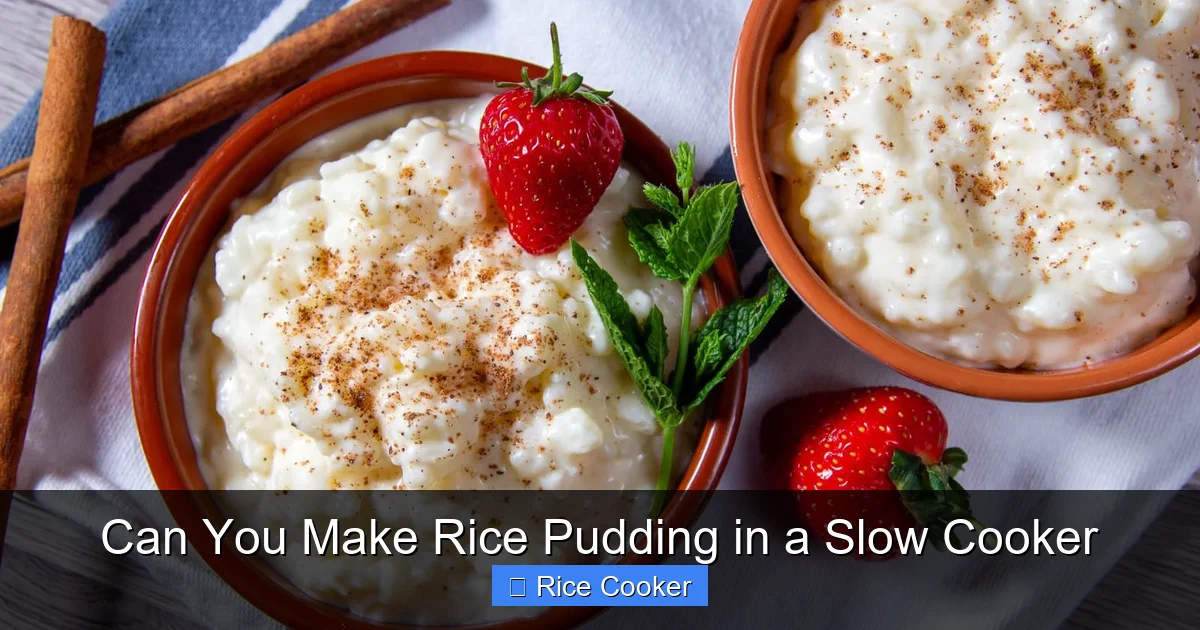
Can you make rice pudding in a slow cooker? Absolutely! Using a slow cooker is one of the easiest and most reliable ways to prepare creamy, comforting rice pudding without constant stirring or babysitting the stove. With just a few basic ingredients—rice, milk, sugar, and your favorite flavorings—you can create a rich, velvety dessert that’s perfect for weeknight desserts or elegant dinner parties. The slow cooker does all the work, gently cooking the rice until tender while infusing it with warm spices like cinnamon and vanilla. Plus, cleanup is a breeze since everything cooks in one pot.
Key Takeaways
- Yes, it’s possible: You absolutely can make rice pudding in a slow cooker. It’s not only doable but often preferred by home cooks due to its simplicity and consistent results.
- Minimal active prep: Most recipes require less than 10 minutes of hands-on time—just combine ingredients and let the appliance do the rest.
- Even texture: The gentle, low-and-slow heat prevents scorching and ensures every grain becomes soft and creamy.
- Customizable flavors: Add nuts, dried fruits, cinnamon, or even a splash of rum for personal touches that elevate the classic dish.
- Long shelf life: Leftovers keep well in the fridge for up to 5 days and taste even better the next day as flavors meld.
- Great for meal prep: Make a big batch ahead of time—it’s ideal for feeding a crowd or enjoying throughout the week.
- Works with different rices: While long-grain white rice is traditional, brown rice, Arborio, or even gluten-free options can work with slight adjustments.
[FEATURED_IMAGE_PLACEHOLDER]
Why Choose a Slow Cooker for Rice Pudding?
Making rice pudding on the stovetop requires constant attention—stirring every few minutes to prevent sticking or burning. Even with careful monitoring, it’s easy to end up with lumps or unevenly cooked grains. That’s where the humble slow cooker shines. Designed for unattended cooking over several hours, it turns out the perfect consistency every time with zero babysitting.
The magic lies in the low, steady temperature. Unlike direct flame heat, which can scorch the bottom of a pot, the slow cooker uses moist, indirect warmth that evenly cooks each grain of rice. Over 3 to 4 hours on low or high, the starches in rice release naturally, creating that signature creamy texture without any added thickeners (though some recipes call for a touch of cornstarch if you want extra richness).
Plus, using a slow cooker means one-pot cooking—no transferring hot mixtures, no scrubbing stuck-on residue. After your dessert finishes simmering, you’ve got a fragrant, comforting bowl ready to serve, straight from the appliance.
The Science Behind Creamy Rice Pudding
Understanding why rice pudding becomes so creamy isn’t rocket science—it’s actually quite simple chemistry. When rice (especially short- or medium-grain varieties) is cooked in liquid, the starches inside begin to break down and absorb moisture. As they swell, they release amylose and amylopectin, two types of starch molecules that gel when heated slowly and continuously.
In a slow cooker, this process happens gently and uniformly. There’s no risk of overheating or sudden boilovers because the internal temperature rarely exceeds 200°F (93°C), even on high settings. This controlled environment allows the starches to fully gelatinize, resulting in a smooth, spoonable consistency.
If you’ve ever made rice pudding on the stove and ended up with gummy clumps or undercooked centers, it’s likely due to inconsistent heat distribution. But with a slow cooker, every grain gets equal treatment. And unlike pressure cooking, which can mash the rice too much, slow cooking preserves some bite while still achieving tenderness.
For an even creamier result, many bakers add a small amount of cornstarch slurry (cornstarch mixed with cold water) halfway through cooking. This acts as a stabilizer, thickening the mixture further and giving it that luxurious mouthfeel found in restaurant-style puddings.
Best Types of Rice for Slow Cooker Pudding
Not all rices are created equal when it comes to making pudding. The right choice makes or breaks your final texture. Here’s a quick guide:
Short-Grain White Rice
This is the gold standard for rice pudding. Varieties like Calrose or sushi rice have high starch content and low protein, meaning they soften easily and become incredibly sticky and creamy. They also don’t get mushy if overcooked—perfect for long slow-cooking sessions.
Medium-Grain Rice
Similar to short-grain but slightly firmer, medium-grain rice (like Carnaroli or Italian risotto rice) holds its shape better while still developing a rich, creamy base. It’s especially good if you like a little toothiness in your pudding.
Brown Rice
Want a healthier twist? Brown rice adds fiber and nuttiness, but it takes longer to cook and may result in a chewier texture. To compensate, increase liquid by ¼ cup and extend cooking time by 30–60 minutes. Some people blend white and brown rice for balanced nutrition and creaminess.
Gluten-Free Options
White rice is naturally gluten-free, but if you’re avoiding all grains, consider using certified gluten-free rice blends or experimenting with millet or quinoa—though these won’t yield the same classic pudding texture.
Avoid using jasmine or basmati rice here—they’re aromatic long-grain types that stay separate and fluffy rather than melting into a custard-like consistency.
Essential Ingredients & Substitutions
At its core, traditional rice pudding is simple: rice, milk, sugar, and flavorings. But feel free to get creative!
Core Ingredients
- Rice: ½ to ¾ cup per serving (longer cooking = more absorbed liquid)
- Milk: Whole milk gives the richest result; 2% works too. For dairy-free, use full-fat coconut milk, oat milk, or almond milk (whole-milk versions yield creamier outcomes)
- Sugar: Granulated white sugar balances flavor. Brown sugar adds depth and molasses notes.
- Flavorings: Cinnamon sticks, ground cinnamon, vanilla extract, nutmeg, cardamom, or orange zest
- Optional thickener: A teaspoon of cornstarch mixed with a tablespoon of cold milk
Common Add-Ins
- Dried fruit: raisins, currants, apricots, or cranberries (add after 2 hours to avoid toughness)
- Nuts: chopped almonds, pecans, or walnuts (toasted for extra crunch)
- Seeds: chia or flax (for extra thickness and nutrition)
- Cocoa powder or matcha (for savory-sweet variations)
Substitution Tips
– Lactose-intolerant? Swap milk for plant-based alternatives. Note: soy and oat milk perform best in terms of creaminess.
– Low-sugar diet? Use monk fruit, stevia, or reduce sugar by half and add a dash of vanilla for sweetness illusion.
– Vegan option? Combine rice, coconut milk, maple syrup, and spices. Add agave nectar if needed for sweetness.
Remember: when substituting liquids or sweeteners, adjust cooking time slightly—some milks evaporate faster or slower than others.
Step-by-Step Guide: How to Make Rice Pudding in a Slow Cooker
Follow this foolproof method for perfect results every time:
Preparation (5 Minutes)
1. Rinse 1 cup of short-grain white rice under cold water until the water runs clear. This removes excess starch and prevents gumminess.
2. In a large mixing bowl, whisk together:
– 4 cups whole milk
– ¼ cup granulated sugar (adjust to taste)
– 1 teaspoon vanilla extract
– ½ teaspoon ground cinnamon
– Pinch of salt
3. Stir in rinsed rice and let sit for 10 minutes. This helps the rice absorb liquid faster.
Cooking Process
4. Pour mixture into your slow cooker insert. Don’t fill beyond two-thirds full.
5. Cover and cook on LOW for 3.5 to 4 hours OR on HIGH for 2 to 2.5 hours. Stir once at the halfway mark if desired (optional).
6. After cooking, check consistency. If too thin, stir in a cornstarch slurry (1 tbsp cornstarch + 2 tbsp cold milk, cooked uncovered for 15 minutes). If too thick, add a splash of milk.
Finishing Touches
7. Remove cinnamon stick (if used). Stir well.
8. Fold in ½ cup raisins and ¼ cup chopped almonds during the last 30 minutes of cooking.
9. Serve warm, optionally topped with extra cinnamon, whipped cream, or a drizzle of honey.
Pro tip: Resist the urge to open the lid frequently—each opening drops internal temperature and extends cooking time.
Flavor Variations & Creative Twists
While classic rice pudding is beloved for its simplicity, there’s room to play!
Spiced Apple-Raisin Pudding
Add 1 peeled and diced apple with the rice. Include ½ tsp nutmeg and ¼ tsp cloves. Omit cinnamon for a warmer spice profile.
Chocolate Rice Pudding
Stir in 2–3 tbsp cocoa powder along with sugar. Add ½ cup dark chocolate chips at the end. Top with whipped cream and sea salt flakes.
Mango-Coconut Delight
Use coconut milk instead of regular milk. Add 1 cup fresh mango chunks and a pinch of cardamom. Finish with toasted coconut flakes.
Irish Coffee Pudding
After cooking, stir in 2 tbsp coffee liqueur (like Baileys) and 1 tbsp Irish whiskey. Garnish with whipped cream and a cherry.
Matcha Green Tea Pudding
Whisk 1–2 tsp culinary-grade matcha into the milk before adding rice. Sweeten lightly and top with red bean paste or mochi bits for contrast.
These variations show how versatile the slow cooker method is—it handles sweet, savory, fruity, and even boozy additions without issue.
Troubleshooting Common Issues
Even with the best recipe, things can go awry. Here’s how to fix them:
Problem: Too Watery
Cause: Too much liquid or insufficient cooking time.
Solution: Simmer uncovered on HIGH for 20–30 minutes to reduce excess moisture. Or mix 1 tbsp cornstarch with 2 tbsp cold milk and stir into pudding. Return to cooker for 10 minutes.
Problem: Grainy or Undercooked Rice
Cause: Wrong rice type or inadequate cooking time.
Solution: Stick to short- or medium-grain rice. If using brown rice, add ¼ cup extra liquid and cook 1 hour longer. Consider pre-soaking rice for 30 minutes to speed up cooking.
Problem: Burnt Bottom Layer
Cause: Not enough stirring or improper placement.
Solution: Always use the inner stoneware insert—not a metal pot placed inside. Stir once midway. Avoid touching the heating element directly.
Problem: Lumpy Texture
Cause: Rice wasn’t rinsed or clumped before cooking.
Solution: Rinse thoroughly. Whisk everything well before pouring into the cooker. Blend briefly with an immersion blender if needed after cooking.
Problem: Off-Flavor or Bland Taste
Cause: Weak spices or insufficient infusion time.
Solution: Toast cinnamon sticks lightly before adding. Let flavors steep overnight in refrigerated leftovers for deeper taste.
With patience and these tips, even beginner cooks can master this timeless dessert.
Serving Suggestions & Pairings
Rice pudding is wonderfully versatile. Serve it as-is for a cozy solo treat, or elevate it with accompaniments:
Warm vs. Chilled
Most enjoy it warm straight from the cooker, especially when topped with cinnamon. But chilled pudding (refrigerated overnight) makes a fantastic parfait base—layer with yogurt, berries, and granola.
Toppings Galore
– Whipped cream or clotted cream
– Toasted almonds or pistachios
– Fresh fruit compote (peaches, berries, or poached pears)
– Caramel or chocolate sauce drizzle
– Marshmallow fluff for a fun twist
Pairing Ideas
Serve alongside:
– Espresso or strong black tea (cuts through richness)
– Warm apple cider or spiced chai
– A crisp green salad (for a light dinner dessert)
– Stilton cheese and crackers (yes, really—it balances sweetness beautifully)
In cultures like India, Middle East, and Eastern Europe, rice pudding is often enjoyed with cardamom, saffron, or rosewater—perfect for special occasions.
Storage & Meal Prep Tips
One of the best parts about slow-cooker rice pudding? It keeps beautifully.
Refrigeration
Store leftovers in an airtight container in the fridge for up to 5 days. Reheat gently on the stove or in the microwave, adding a splash of milk if too thick.
Freezing
You can freeze portions for up to 2 months. Thaw overnight in the fridge, then reheat slowly. Note: Texture may be slightly softer upon thawing—ideal for baking into bread or crumbles.
Meal Prep Hack
Make a big batch on Sunday and portion into individual jars. Enjoy throughout the week as grab-and-go desserts. Perfect for lunchbox surprises or post-workout treats.
Reheating Without Compromising Texture
Never microwave on high for long periods. Instead, place a damp paper towel over the container and heat in 30-second bursts, stirring between each. This prevents drying and maintains creaminess.
Is a Slow Cooker Better Than Other Methods?
Let’s compare:
Stovetop Method
Pros: Full control over heat, faster (~25–30 mins)
Cons: Requires constant stirring, risk of burning, labor-intensive
Oven-Baked (Bain-Marie)
Pros: Hands-off after setup, even heat
Cons: Takes 1.5–2 hours, harder to monitor
Instant Pot / Pressure Cooker
Pros: Fast (~20–25 mins), minimal cleanup
Cons: Can overcook rice, less creamy texture
Slow Cooker
Pros: No stirring, consistent results, great for forgettable cooking, excellent flavor infusion
Cons: Longer active wait time (but truly passive)
For busy parents, remote workers, or anyone who prefers “set it and forget it” cooking, the slow cooker wins hands down. It’s also ideal for entertaining—prepare everything in the morning, and guests enjoy hot dessert at dinner time.
Final Thoughts: Why This Dessert Belongs in Every Kitchen
Rice pudding has been a comfort food staple across continents for centuries—from France’s riz au lait to India’s kheer and Japan’s champorado. Its universal appeal lies in its simplicity, affordability, and soul-warming qualities.
Using a slow cooker unlocks new possibilities: effortless preparation, consistent results, and endless customization. Whether you’re making it for a family gathering, a quiet night in, or as part of a themed dinner, it never fails to impress.
So yes—you absolutely can, and should, make rice pudding in a slow cooker. It’s not just possible; it’s arguably better than traditional methods. Give it a try tonight. Your future self will thank you for the creamy, dreamy dessert that arrives without any stress.
This is a comprehensive guide about can you make rice pudding in a slow cooker.
Key Takeaways
- Understanding can you make rice pudding in a slow cooker: Provides essential knowledge
Frequently Asked Questions
How long does it take to make rice pudding in a slow cooker?
On low heat, rice pudding typically takes 3.5 to 4 hours. On high, it’s ready in about 2 to 2.5 hours. Stir once halfway through for best results.
Can I use brown rice instead of white rice?
Yes, but brown rice takes longer to cook and yields a chewier texture. Increase liquid by ¼ cup and extend cooking time by 30–60 minutes.
Do I need to rinse the rice before cooking?
Absolutely. Rinsing removes excess surface starch, preventing gumminess and ensuring tender, separated grains.
What if my pudding is too runny?
Simmer uncovered on high for 15–20 minutes to evaporate excess liquid. Alternatively, mix 1 tbsp cornstarch with 2 tbsp cold milk and stir into the pudding.
Can I make rice pudding ahead of time?
Yes! Store in the refrigerator for up to 5 days. Reheat gently, adding milk if needed to restore creaminess.
Is rice pudding suitable for dietary restrictions?
It can be adapted: use plant-based milk for dairy-free, sugar substitutes for low-sugar diets, and always choose gluten-free rice if needed.