
Making rice without a rice cooker is absolutely possible—and surprisingly simple! Whether you’re using a pot on the stove, your oven, or even the microwave, you can achieve fluffy, delicious results with just water and a bit of patience. This guide walks you through foolproof methods for every kitchen setup, so you never have to miss your favorite grain again.
Key Takeaways
- Stovetop method: The most common way to cook rice by boiling water, adding rice, and simmering until done—requires attention but yields consistent results.
- Oven-baked rice: A hands-off approach that works well for large batches; bakes in an oven-safe dish with minimal stirring.
- Microwave option: Fast and convenient for small portions; uses a covered bowl and timed intervals for even cooking.
- Rice-to-water ratio matters: Generally 1:2 (rice to water), but adjust based on rice type—jasmine needs more, basmati less.
- Resting time is key: Let rice sit covered after cooking to finish steaming and fluff up perfectly.
- No rice cooker? No problem: These alternatives save money, work during power outages, or suit travel setups.
- Flavor enhancement: Add broth instead of water, a pinch of salt, or a bay leaf for richer taste without special equipment.
Key Takeaways
- Understanding can you make rice without a rice cooker: Provides essential knowledge
📑 Table of Contents
- Introduction: Why Make Rice Without a Rice Cooker?
- The Classic Method: Cooking Rice on the Stovetop
- Oven-Baked Rice: The Hands-Off Approach
- Quick & Easy Microwave Rice
- Choosing the Right Rice for Each Method
- Common Mistakes and How to Avoid Them
- Enhancing Flavor Without a Rice Cooker
- Special Techniques: Making Fried Rice and Sushi Rice Without a Cooker
- Travel and Emergency Rice Hacks
- Conclusion: Mastering Rice Without the Appliance
Introduction: Why Make Rice Without a Rice Cooker?
Have you ever stood in your kitchen, staring at a pot of overcooked or mushy rice? Or maybe you’re traveling, camping, or just don’t own a rice cooker—yet still crave that perfect, fluffy bowl of white rice or aromatic jasmine grains? Don’t worry—you’re not alone. While rice cookers are fantastic appliances that take the guesswork out of cooking rice, they aren’t essential. In fact, making rice without a rice cooker is not only possible but often preferred by home cooks who enjoy full control over texture, flavor, and timing.
Rice is one of the world’s most beloved staple foods—whether it’s sushi rice in Japan, biryani in India, or jambalaya in Louisiana. And while modern gadgets simplify the process, traditional methods passed down through generations prove that you can make excellent rice using basic kitchen tools like pots, ovens, and microwaves. This article will walk you through every method, from beginner-friendly stovetop techniques to creative shortcuts using your oven or microwave.
Whether you’re new to cooking rice or just looking to expand your skills, this guide ensures you’ll never end up with sticky, underdone, or burnt grains again. Let’s dive into how to make rice without a rice cooker—step by step, pot by pot.
The Classic Method: Cooking Rice on the Stovetop
Visual guide about Can You Make Rice Without a Rice Cooker
Image source: kitchencuddle.com
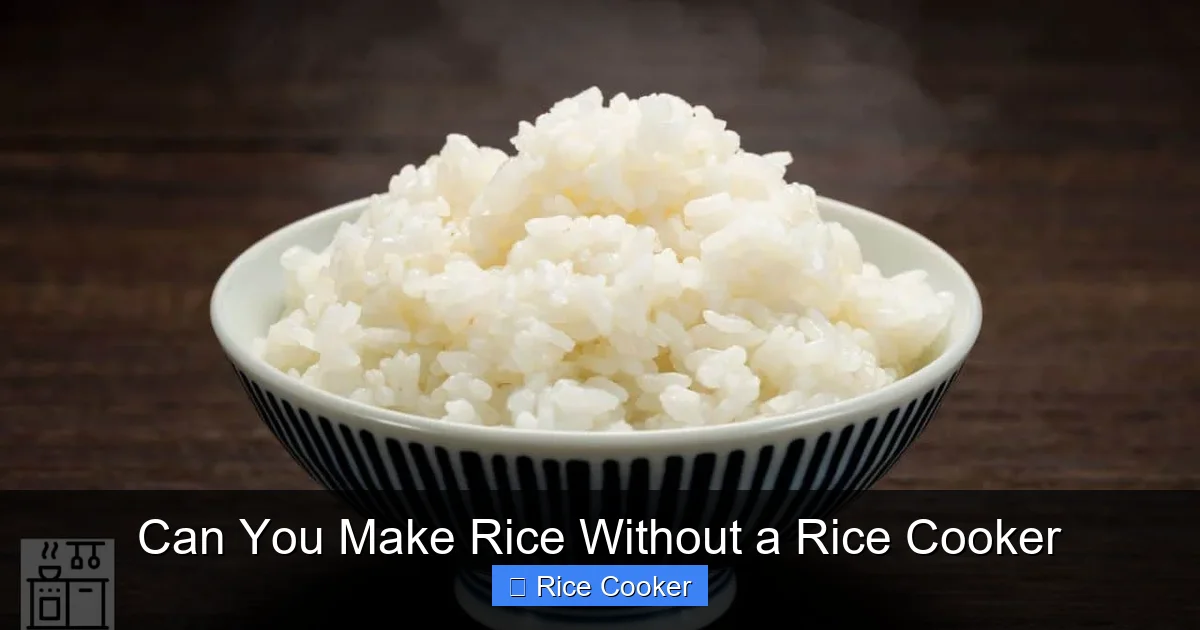
The stovetop method is the go-to technique for most home kitchens and offers excellent control over the cooking process. It requires just three ingredients—rice, water, and sometimes salt—and a heavy-bottomed pot with a tight-fitting lid.
Step-by-Step Guide to Stovetop Rice
Start by rinsing your rice under cold water until the water runs clear. This removes excess starch and prevents clumping. For every cup of uncooked rice, measure two cups of water (a 1:2 ratio). Bring the water to a rolling boil in a medium saucepan.
Once boiling, add the rinsed rice, stir once, then reduce heat to low. Cover the pot with a lid and let it simmer gently for 15–20 minutes, depending on the type of rice:
– White short-grain rice: 18 minutes
– Basmati rice: 15 minutes
– Jasmine rice: 18 minutes
– Brown rice: 30–40 minutes (use 2.5 cups water per cup of rice)
Avoid lifting the lid during cooking—this lets steam escape and affects consistency. After the time is up, turn off the heat and let the rice rest, covered, for 5–10 minutes. Then fluff gently with a fork before serving.
Pro Tips for Perfect Stovetop Rice
Use a pot with thick bottom to distribute heat evenly. If you notice steam escaping around the lid, wipe the rim clean with a damp cloth before covering. For extra flavor, replace half the water with chicken or vegetable broth.
Oven-Baked Rice: The Hands-Off Approach
Visual guide about Can You Make Rice Without a Rice Cooker
Image source: wokandskillet.com
If you’d rather set it and forget it, baking rice in the oven is a great alternative. This method works especially well when cooking large quantities or preparing meals ahead of time.
How to Bake Rice in the Oven
Preheat your oven to 375°F (190°C). Rinse one cup of rice and combine it with 2¼ cups of water (or broth) in an oven-safe dish or Dutch oven with a lid. Stir in a teaspoon of oil or butter for added richness and to prevent sticking.
Cover the dish tightly with foil or a lid and place it in the preheated oven. Bake for 40–45 minutes for white rice or 50–60 minutes for brown rice. Once done, remove from the oven and let stand, covered, for 10 minutes. Fluff with a fork and serve.
Benefits of Oven Baking
This method requires no constant attention and produces evenly cooked rice with minimal risk of burning. It’s ideal for meal prep or cooking while doing other tasks in the kitchen.
Quick & Easy Microwave Rice
For busy mornings or last-minute side dishes, the microwave offers a fast solution—especially useful if you’re short on time or don’t have access to a stove.
Microwave Rice Instructions
Place one cup of rinsed rice and two cups of water in a microwave-safe bowl. Cover with a microwave-safe plate or lid that allows some venting. Microwave on high for 10 minutes, then carefully remove (it will be very hot!). Stir the rice, re-cover, and microwave in additional 5-minute intervals until tender—usually 15–20 minutes total for white rice.
Let the rice stand, covered, for 5 minutes before fluffing. Note: Microwaved rice may be slightly softer than stovetop versions, so adjust water slightly next time if needed.
Tips for Microwave Success
Use a deep bowl to avoid overflow. Avoid metal lids—opt for plastic wrap lightly tented over the bowl or a ceramic plate. Stirring halfway helps ensure even cooking.
Choosing the Right Rice for Each Method
Not all rice types behave the same way when cooked without a rice cooker. Understanding your grain makes all the difference.
White Short-Grain Rice
Best for: Sushi, risotto, creamy textures
Cooking time: 18–20 minutes
Water ratio: 1:2
Basmati Rice
Best for: Pilafs, biryanis, fragrant sides
Cooking time: 15–18 minutes
Tip: Soak for 20–30 minutes before cooking to enhance aroma and separate grains.
Jasmine Rice
Best for: Thai curries, fried rice, sticky desserts
Cooking time: 18–20 minutes
Note: Jasmine tends to be stickier—rinse thoroughly and use slightly more water.
Brown Rice
Best for: Health-conscious meals, whole grain bowls
Cooking time: 30–40 minutes
Water ratio: 1:2.5 or higher
Tip: Brown rice needs longer soaking and gentle simmering due to its bran layer.
Wild Rice
Best for: Nutty, chewy texture in salads
Cooking time: 45–60 minutes
Water ratio: 1:3
Method: Simmer uncovered until all water is absorbed.
Common Mistakes and How to Avoid Them
Even experienced cooks run into issues when making rice without a rice cooker. Here are the most common pitfalls and how to fix them.
Overcooking or Undercooking
Too much water leads to mushy rice; too little leaves hard, chalky kernels. Always follow recommended ratios and check doneness halfway through cooking.
Not Rinsing the Rice
Skipping this step leaves behind excess starch, causing clumpy or overly sticky results—especially with Asian varieties.
Peeking During Cooking
Lifting the lid releases steam and disrupts temperature, leading to uneven cooking. Resist the urge to check!
Using Cold Water Directly
Starting with boiling water ensures even heat distribution from the first moment the rice hits the pot.
Not Resting the Rice
Skipping the resting period means missing out on final moisture absorption and fluffy texture.
Enhancing Flavor Without a Rice Cooker
You don’t need fancy gadgets to make delicious rice. Simple additions elevate plain grains into flavorful sides.
Add Aromatics
Sauté onions, garlic, or ginger in oil before adding rice and water. Cook for 1–2 minutes to infuse subtle flavors.
Use Broth Instead of Water
Chicken, beef, or vegetable broth adds depth and richness—perfect for risottos or pilafs.
Incorporate Herbs and Spices
A bay leaf, cardamom pod, or cinnamon stick steeps gently into the cooking liquid, releasing fragrance without overwhelming the dish.
Salt for Seasoning
Add a pinch of salt to the water for balanced flavor—don’t forget to season afterward if needed.
Special Techniques: Making Fried Rice and Sushi Rice Without a Cooker
Some rice dishes require specific textures or preparation styles that challenge traditional methods.
Fried Rice
Cook rice the night before using the stovetop method. Let it cool completely, refrigerate, then fry in a wok or skillet with oil, eggs, vegetables, and soy sauce. Cold, firm rice fries best—no mushiness!
Sushi Rice
Use short-grain sushi rice. After cooking, transfer to a wide bowl and rinse with cold water while gently pressing to remove surface starch. Drain, then mix with rice vinegar, sugar, and salt. Chill before use.
Travel and Emergency Rice Hacks
Power outages, camping trips, or dorm-room living often mean no rice cooker—but you can still enjoy great rice.
Camping Stove Method
Use a cast-iron skillet or Dutch oven over a campfire or portable stove. Follow the stovetop steps but watch closely—outdoor flames vary in intensity.
Dorm Room Microwave Tricks
Most dorm microwaves allow rice cooking. Use the microwave method above but keep an eye on it to prevent overflow.
Instant Pot as a Rice Cooker Alternative
If you have an Instant Pot, use the “Manual” or “Pressure Cook” setting. Follow package instructions for time and liquid amounts.
Conclusion: Mastering Rice Without the Appliance
Making rice without a rice cooker isn’t just possible—it’s empowering. With a little practice, you’ll gain confidence in adjusting ratios, timing, and technique to suit any rice variety or personal preference. Whether you choose the reliable stovetop, the hands-off oven, or the quick microwave, each method brings its own advantages.
Remember: the secret lies not in the appliance, but in understanding your rice. Rinse it well, respect its cooking time, and always let it rest. Soon enough, you’ll find yourself reaching for your pot long before your rice cooker.
So go ahead—grab that pot, measure that water, and cook up a storm. Your perfect plate of rice awaits.
Frequently Asked Questions
Can I make rice in a regular pot without a rice cooker?
Absolutely! A standard pot with a tight-fitting lid works perfectly for stovetop rice. Just bring water to a boil, add rinsed rice, reduce heat, and simmer until done—typically 15–20 minutes for white rice.
How much water do I use for rice without a rice cooker?
The standard ratio is 2 cups of water per 1 cup of uncooked rice. Adjust slightly based on rice type—brown rice needs more water (about 2.5 cups), while basmati may use slightly less.
Do I need to soak rice before cooking it without a rice cooker?
Soaking isn’t required but helps certain grains like basmati or sushi rice become fluffier and more aromatic. Soak for 20–30 minutes, then drain before cooking.
Why is my rice sticky when made without a rice cooker?
Excess starch causes stickiness. Always rinse rice until water runs clear. Also, avoid stirring after adding rice to the boiling water—this breaks down grains and increases stickiness.
Can I cook different types of rice together without a rice cooker?
Only if they have similar cooking times. Mixing long-grain and short-grain rice usually doesn’t work well because they absorb water and cook differently. Stick to one type per batch.
What’s the easiest way to make rice without any special equipment?
The stovetop method with a pot and lid is simplest. Alternatively, the microwave works quickly for small portions—just cover, heat, and rest before fluffing.