
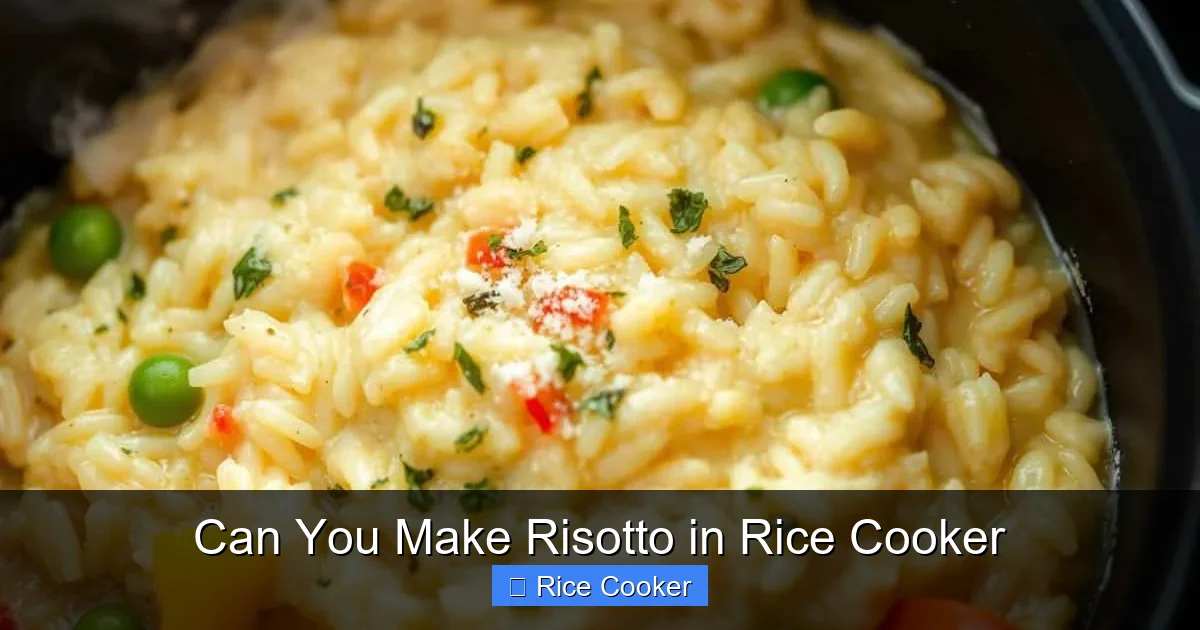
Can you make risotto in a rice cooker? Absolutely! With the right technique and ingredients, your rice cooker can produce a rich, creamy risotto that rivals traditional stovetop versions. This method saves time, reduces cleanup, and delivers consistent results every time.
Key Takeaways
- Yes, it’s possible: A rice cooker can make risotto, though results vary by model—check if yours has a “soup” or “porridge” setting.
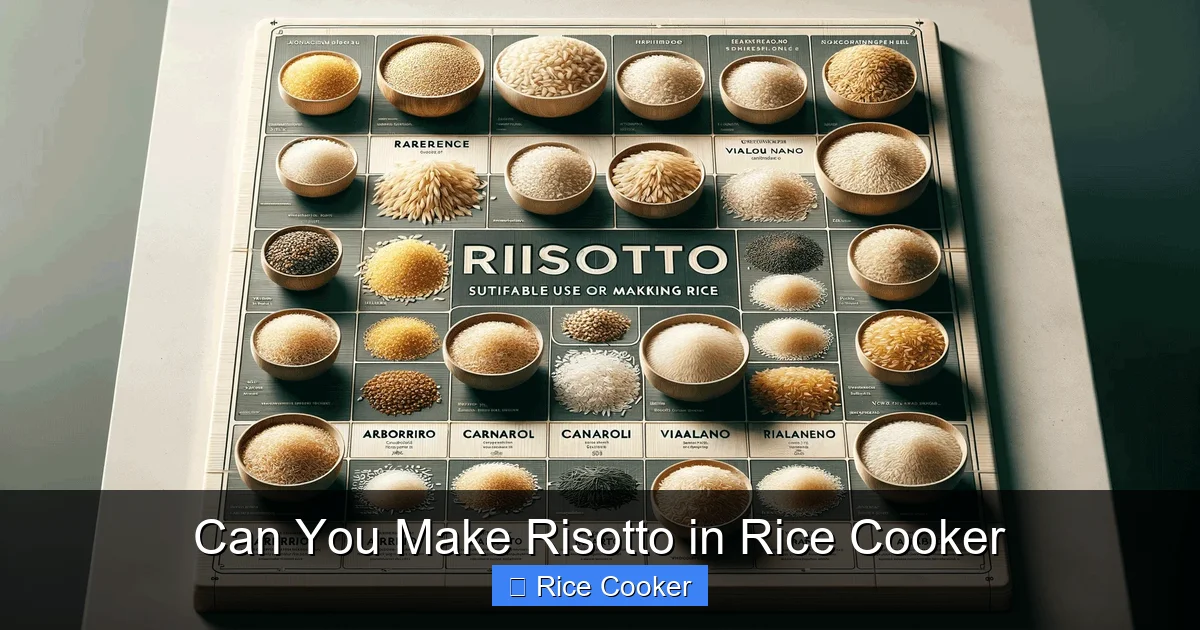
- Use the right rice: Arborio, Carnaroli, or Vialone Nano are ideal due to their high starch content and ability to absorb liquid slowly.
- Add broth gradually: Pour warm broth in small batches to help release starch and achieve creaminess without overcooking.
- Stir before cooking: Sauté onions or garlic first to build flavor, then transfer to the rice cooker for hands-off cooking.
- Don’t skip resting: Let the finished risotto sit for 2–3 minutes after cooking—it allows flavors to meld and texture to settle.
- Customize easily: Add mushrooms, peas, shrimp, or cheese at the end for quick flavor boosts.
- Clean-up is simple: Most rice cookers have non-stick inner pots that wipe clean after use.
📑 Table of Contents
- Can You Make Risotto in a Rice Cooker? The Ultimate Guide
- Understanding Risotto Basics: Why It Needs Special Handling
- Choosing the Right Rice Cooker for Risotto
- Step-by-Step: How to Make Risotto in a Rice Cooker
- Troubleshooting Common Risotto Issues
- Flavor Variations and Creative Twists
- Tips for Perfect Every Time
- Is Rice Cooker Risotto Worth It?
- Conclusion: Embrace the Convenience
Can You Make Risotto in a Rice Cooker? The Ultimate Guide
Have you ever craved the rich, velvety texture of a perfectly cooked risotto—the kind you’d normally spend 20 minutes stirring on the stove—but didn’t want to stand over a hot pan? If so, you’re in luck. Yes, you can absolutely make risotto in a rice cooker. In fact, this kitchen appliance might just be your new best friend when it comes to whipping up creamy Italian comfort food with minimal effort.
Risotto is traditionally made by slowly adding warm broth to Arborio rice while continuously stirring for about 18 to 20 minutes. It’s labor-intensive but rewarding. But what if there was a way to get the same creamy result with less work and more convenience? Enter the humble rice cooker. While not every model handles risotto perfectly, many modern rice cookers—especially those with advanced settings like “soup,” “porridge,” or “multi-grain” modes—can deliver impressive results. The key lies in preparation, timing, and choosing the right equipment.
In this complete guide, we’ll walk you through everything you need to know about making risotto in a rice cooker. From selecting the perfect rice type to troubleshooting common issues, we’ve got you covered. Whether you’re a busy parent, a college student, or someone who simply loves good food without the fuss, this method could change the way you think about risotto forever.
Understanding Risotto Basics: Why It Needs Special Handling
Before diving into the rice cooker method, it helps to understand what makes risotto unique. Unlike plain white rice, risotto relies heavily on starch release from the grains. As they cook, these starches dissolve into the cooking liquid, creating that signature creamy consistency. Traditional risotto also benefits from constant agitation (stirring), which encourages even starch distribution and prevents sticking.
Visual guide about Can You Make Risotto in Rice Cooker
Image source: ovenspot.com
The Role of Starch in Creaminess
Arborio rice, Carnaroli, and Vialone Nano are prized for their high amylopectin content—a type of starch that breaks down easily when heated. When you stir the rice constantly during cooking, you help this starch migrate into the surrounding liquid, thickening it naturally. Without proper starch release, your risotto will remain gummy or watery instead of smooth and luxurious.
Why Rice Cookers Are Different
A standard rice cooker works by absorbing liquid until it’s all used up, then switching to “warm” mode. For white rice, this works great because the grains don’t need much intervention. But risotto requires controlled, gradual liquid addition—something most basic rice cookers aren’t designed for. However, newer models with extra functions may mimic the slow-cooking process better.
Choosing the Right Rice Cooker for Risotto
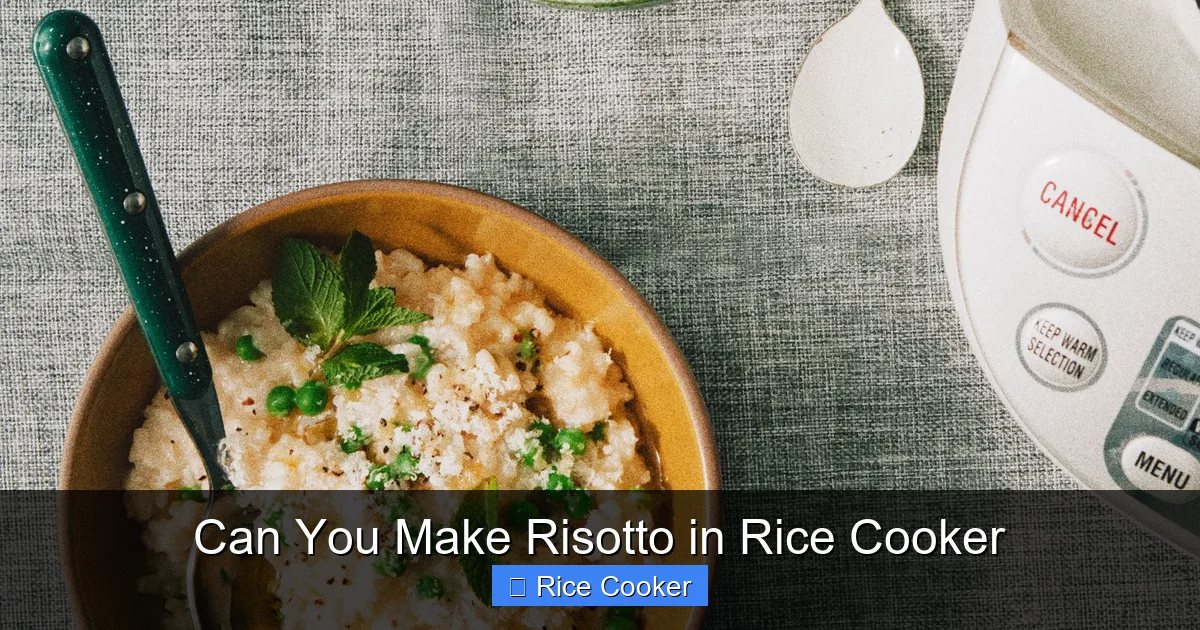
Not all rice cookers are created equal. To make successful risotto, you’ll want one with specific features:
Visual guide about Can You Make Risotto in Rice Cooker
Image source: assets.bonappetit.com
- Ceramic or non-stick inner pot: Easier to clean and prevents rice from sticking—critical when working with starchy grains.
- Multiple cooking modes: Look for “soup,” “porridge,” “multi-grain,” or “slow cook” settings. These often adjust heat levels to prevent scorching.
- Large capacity: At least 6 cups uncooked rice to give room for expansion and mixing.
- Timer function: Helps maintain consistent heat over longer periods.
If your rice cooker lacks these options, don’t worry—you can still try the method, but results may vary. Always read your manual first!
Best Rice Cooker Brands for Risotto
Some brands are known for superior performance with non-rice dishes:
- Zojirushi: Offers precise temperature control and excellent multi-function models.
- Cuisinart: Great value with reliable soup and porridge settings.
- Tiger: Japanese-made, highly durable, and often includes specialized modes.
- Aroma: Budget-friendly and surprisingly capable with manual techniques.
For beginners, we recommend starting with a mid-range Cuisinart or Zojirushi model under $100. They offer enough flexibility without breaking the bank.
Step-by-Step: How to Make Risotto in a Rice Cooker
Ready to try it yourself? Follow this foolproof recipe adapted specifically for rice cooker use. This version yields about 4 servings and takes roughly 35 minutes total.
Ingredients You’ll Need
- 1½ cups Arborio or Carnaroli rice
- 6 cups low-sodium chicken or vegetable broth (keep warm)
- ½ cup dry white wine (optional but recommended)
- 1 medium onion, finely diced
- 2 cloves garlic, minced
- 3 tablespoons unsalted butter
- 3 tablespoons olive oil
- Salt and freshly ground black pepper
- Grated Parmesan cheese (for serving)
Equipment Checklist
- Large saucepan (for sautéing aromatics)
- Fine-mesh strainer
- Wooden spoon or silicone spatula
- Measuring cups and spoons
- Your trusty rice cooker
Preparation Phase
Start by heating your broth in a separate saucepan on low heat. Cold broth slows cooking and affects texture. While that warms up, prepare your aromatics:
- Melt 2 tbsp butter with 2 tbsp olive oil in a large skillet over medium heat.
- Add diced onion and cook until translucent (about 5 minutes).
- Stir in garlic and cook for another minute—don’t let it brown.
- Add rice and stir constantly for 2 minutes until grains are lightly toasted and coated.
- Pour in wine (if using) and stir until fully absorbed.
Cooking in the Rice Cooker
Now transfer everything to your rice cooker:
- Pour the sautéed mixture into the rice cooker’s inner pot.
- Add 4 cups of warm broth and stir gently.
- Close lid and select the “Soup” or “Porridge” setting if available. If not, use the regular “White Rice” setting.
- After 10 minutes, open the lid and check consistency. The rice should be mostly cooked but still slightly chewy in the center.
- At this point, switch to “Keep Warm” mode and add remaining 2 cups of broth gradually—about ½ cup at a time—stirring after each addition. Continue until all liquid is absorbed and rice reaches al dente texture (total cooking time: ~20–25 minutes).
Finishing Touches
Once done, turn off the rice cooker and let the risotto rest for 2–3 minutes. Then stir in the remaining 1 tbsp butter and a handful of Parmesan. Season to taste with salt and pepper.
Troubleshooting Common Risotto Issues
Even with careful steps, mistakes happen. Here’s how to fix them:
Risotto Too Watery?
This usually means too much liquid was added too quickly. Solution: Drain excess broth using a colander, then return rice to cooker with “Soup” mode for 5–7 more minutes. Stir frequently to re-emulsify starch.
Risotto Too Dry or Mushy?
Overcooked or insufficient liquid leads to clumping. Add ¼ cup warm broth at a time until desired texture is reached. Avoid overmixing once grains break apart.
Grains Sticking to Pot?
Non-stick pots help, but sometimes even they need help. Use a wooden spoon to scrape bottom gently. Adding a splash of broth before stirring loosens stuck bits.
No Special Settings on Your Rice Cooker?
No problem! Use “White Rice” mode, but monitor closely during the last 10 minutes. Pause halfway through to stir and add broth incrementally as described above.
Flavor Variations and Creative Twists
The beauty of risotto is its versatility. Once you master the base recipe, you can customize it endlessly. Here are some popular ideas:
Mushroom Risotto
Sauté 1 cup sliced cremini mushrooms with onions before adding rice. Finish with truffle oil and extra shavings for elegance.
Seafood Risotto
Add ½ lb cooked shrimp or scallops during the final 5 minutes of cooking. Top with lemon zest and parsley.
Butternut Squash Risotto
Cheese Lovers’ Risotto
Spicy Arrabbiata Risotto
Tips for Perfect Every Time
Want consistently great results? Try these pro tips:
- Always preheat broth: Cold liquid shocks the rice, slowing starch release.
- Use a timer: Track how long you’ve been adding broth to stay on schedule.
- Stir gently but thoroughly: Aggressive stirring helps distribute heat evenly.
- Test doneness early: Take a grain between fingers—it should be tender yet firm in the center.
- Serve immediately: Risotto cools quickly and becomes gluey if left standing.
Is Rice Cooker Risotto Worth It?
So, does making risotto in a rice cooker live up to the hype? For many home cooks, yes—absolutely. It eliminates the tedious stirring, saves counter space, and produces reliably creamy results when done correctly. Plus, it frees up your stovetop for other dishes during busy weeknights.
However, purists may argue that true risotto demands active attention. And if your rice cooker lacks precision controls, you might struggle with texture. But for convenience seekers, beginners, or anyone short on time, this method is a game-changer.
Ultimately, whether you choose the traditional route or go rice cooker-powered depends on your priorities. Both paths lead to deliciousness—just different journeys.
Conclusion: Embrace the Convenience
Making risotto in a rice cooker isn’t just possible—it’s practical, efficient, and delicious. With the right tools, technique, and a little practice, you can enjoy restaurant-worthy risotto without the stress. Whether you’re feeding a family dinner or impressing guests, this method proves that great meals don’t require hours in the kitchen.
So next time you crave that creamy, comforting bowl of risotto, reach for your rice cooker instead of your whisk. You might just discover your new favorite way to cook.
Frequently Asked Questions
Can any rice cooker make risotto?
Most rice cookers can attempt risotto, but models with “soup,” “porridge,” or “slow cook” settings perform best. Basic white rice modes require extra monitoring and incremental broth addition to avoid dryness or mushiness.
What rice types work best for rice cooker risotto?
Arborio, Carnaroli, and Vialone Nano are ideal due to their high starch content and ability to absorb liquid slowly. Short-grain sushi rice can work in a pinch but won’t yield the same creaminess.
How do I prevent my rice cooker risotto from being too wet?
Add broth gradually—about ½ cup at a time—and stir after each addition. Check consistency around the 15-minute mark; if still soupy, continue cooking on “Keep Warm” until thickened.
Do I need to stir constantly in a rice cooker?
Not during active cooking, but you must stir frequently—especially when adding new broth—to ensure even cooking and prevent sticking. A few minutes of gentle stirring every 5–7 minutes is sufficient.
Can I add cheese directly to the rice cooker?
Yes, but only during the last minute of cooking or after turning off the heat. Stir in grated Parmesan or other soft cheeses until melted and incorporated for maximum creaminess.
How long does rice cooker risotto take?
Total time is about 30–35 minutes: 10 minutes initial cook, then 20–25 minutes with gradual broth addition. Resting adds 2–3 minutes before serving.