
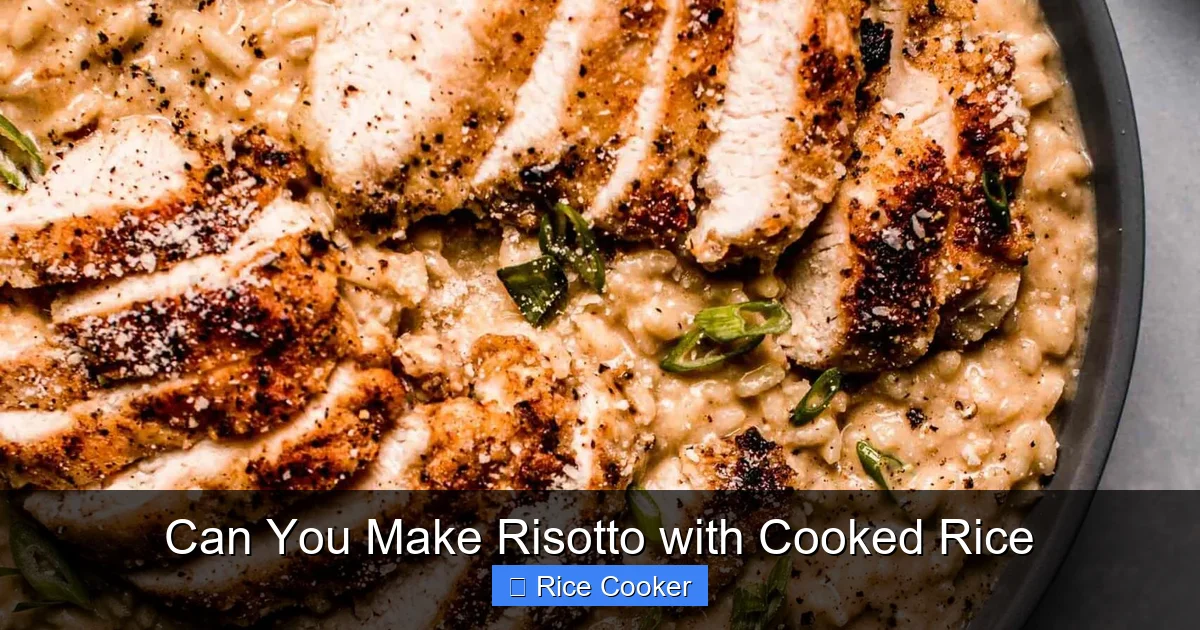
Can you make risotto with cooked rice? Absolutely! While traditional risotto starts with uncooked Arborio rice, using leftover cooked rice is not only possible but practical. With the right technique and a few key adjustments, you can create a creamy, delicious risotto that’s ready in minutes—no rice cooker needed.
Have you ever found yourself staring at a container of leftover rice, wondering what to do with it? Maybe you made too much stir-fry or had extra jasmine rice after a family dinner. Instead of letting it go to waste, why not turn it into something special—like risotto?
You might be thinking, “But risotto is supposed to be made with uncooked rice, right?” And yes, traditionally, authentic risotto calls for Arborio, Carnaroli, or Vialone Nano rice, which are soaked in broth slowly to absorb liquid and release starch. But here’s the good news: you absolutely can make risotto with cooked rice. In fact, many home cooks swear by this shortcut—especially when you’re short on time or want to reduce kitchen clutter.
In this article, we’ll walk you through everything you need to know about making risotto from cooked rice, whether you used a rice cooker, stove, or even instant rice. We’ll cover the science behind why it works, share foolproof recipes, and give you pro tips to avoid common pitfalls. By the end, you’ll be ready to turn any leftover grain into a restaurant-worthy dish.
Key Takeaways
- Yes, you can use cooked rice for risotto: It saves time and reduces food waste, though it requires a different cooking method than traditional risotto.
- Creaminess comes from starch release: Even cooked rice releases enough starch when warmed with broth to mimic risotto’s signature texture.
- Use cold, leftover rice: Cold rice works better because its grains are drier and less likely to become mushy during reheating.
- Add broth gradually: Stirring in warm liquid slowly helps rehydrate the rice and build a rich, creamy sauce.
- Season well and add cheese at the end: Fresh Parmesan, butter, and herbs elevate the flavor and balance the dish.
- A rice cooker isn’t necessary: While convenient, any pot or pan works for finishing the rice.
- This method is great for meal prep: Transform yesterday’s rice into a gourmet-style dinner tonight.
📑 Table of Contents
- What Is Risotto, Anyway?
- Why Use Cooked Rice for Risotto?
- Choosing the Right Rice
- Step-by-Step Guide: Making Risotto from Cooked Rice
- Using a Rice Cooker for Risotto (Optional)
- Flavor Variations and Creative Twists
- Troubleshooting Common Problems
- Health and Nutrition Notes
- Final Thoughts: Is It Worth It?
What Is Risotto, Anyway?
Before diving into the “how-to,” let’s talk about what makes risotto special. At its core, risotto is a creamy Italian rice dish that relies on the gradual addition of hot liquid while stirring constantly. The goal is to coax out the natural starches in the rice, creating a velvety, almost custard-like consistency without turning the grains to mush.
Traditional risotto uses short-grain rice varieties like Arborio because they have a high starch content and stay slightly chewy (al dente) even after cooking. The slow cooking process allows each grain to absorb liquid and swell just enough, releasing its inner starch as it softens. This creates that luscious, glossy texture that’s hard to replicate with regular long-grain rice.
But here’s where things get interesting: once rice is cooked, it already contains moisture and starch. So when you reheat it with additional broth and stir, those starch molecules can still interact with the liquid to form a creamy base. It’s not exactly the same as starting from scratch—but with the right technique, it’s close enough to satisfy your craving for risotto.
Why Use Cooked Rice for Risotto?
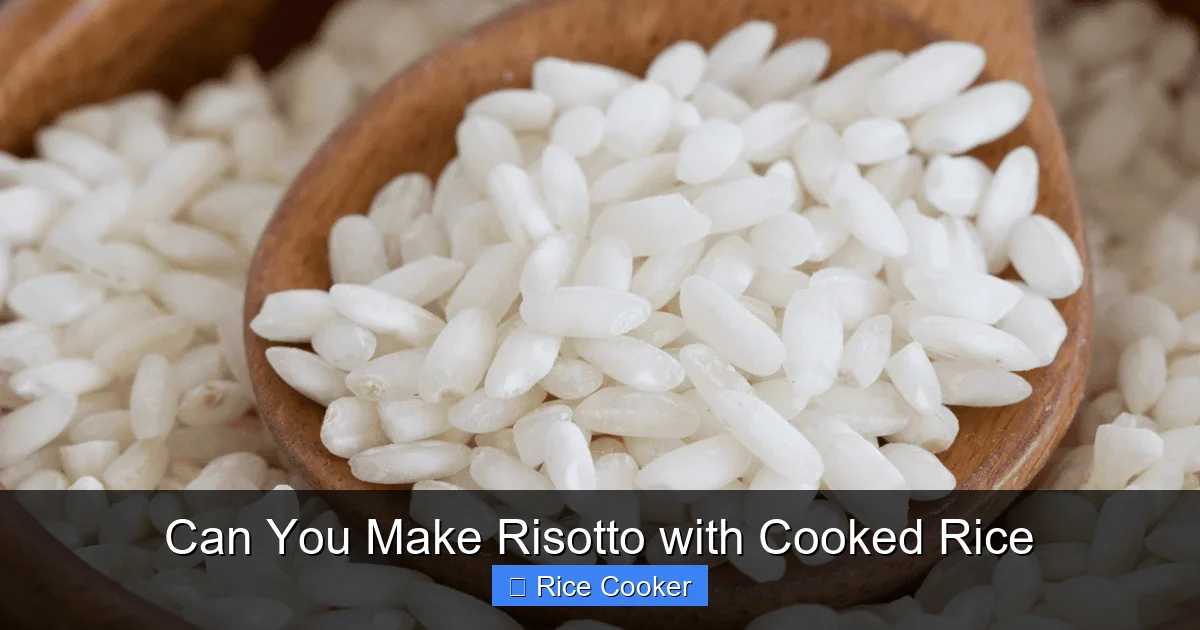
Visual guide about Can You Make Risotto with Cooked Rice
Image source: stretchrecipes.com
There are several reasons why using cooked rice for risotto makes sense:
- Saves time: No need to wait 20–30 minutes for rice to cook from dry.
- Reduces food waste: Repurpose leftovers instead of throwing them away.
- Consistent results: Pre-cooked rice has a uniform texture, so you’re less likely to end up with undercooked or overcooked grains.
- Perfect for meal prep: Make a batch of rice ahead of time and store it for quick weeknight meals.
Of course, there are trade-offs. You won’t get the exact mouthfeel of fresh risotto, and some purists argue the flavor depth suffers slightly. But for most home cooks, especially those using a rice cooker or dealing with busy schedules, this method is a game-changer.
Choosing the Right Rice
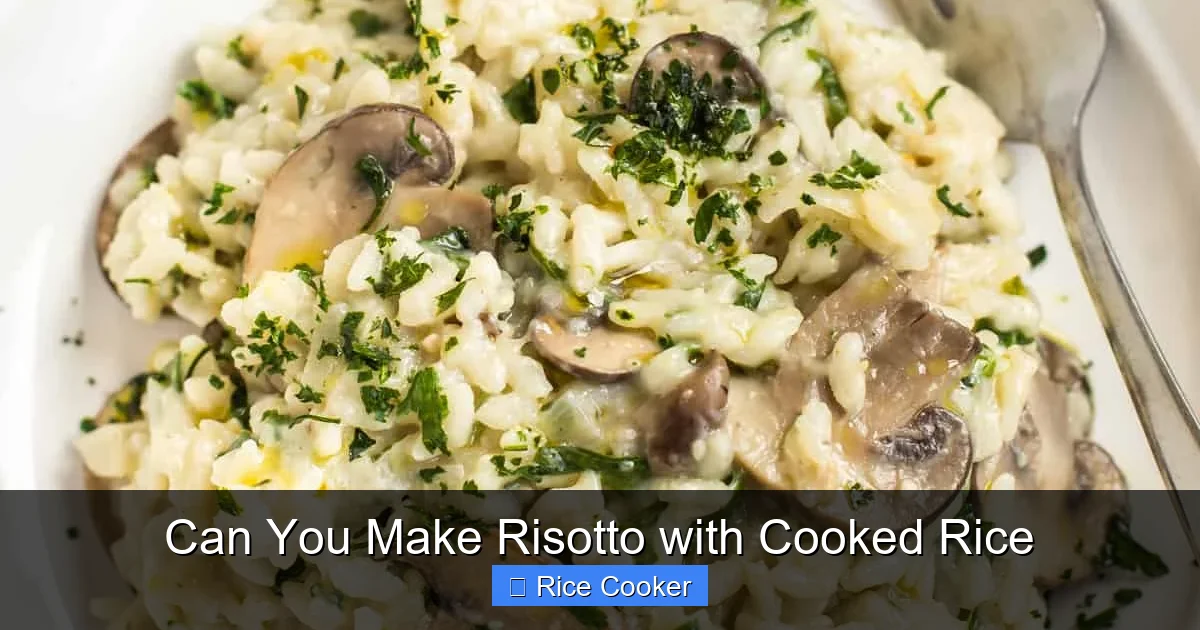
Visual guide about Can You Make Risotto with Cooked Rice
Image source: easycheesyvegetarian.com
Not all cooked rice is created equal when it comes to making risotto. The type of rice you start with matters—and so does how you cooked it.
Best Types of Rice
For best results, use short-grain rice varieties that are typically used in risotto:
- Arborio: High starch, chewy texture, classic choice.
- Carnaroli: Even creamier than Arborio, slightly firmer.
- Vialone Nano: Small grains, delicate flavor, often considered superior.
If you don’t have these on hand, medium-grain Japanese rice (like Koshihikari) or even sushi rice can work surprisingly well—though they won’t be as starchy or creamy.
Long-Grain vs. Short-Grain
Avoid jasmine, basmati, or brown rice if you want the closest risotto experience. These release less starch and tend to fall apart more easily during reheating. Stick to short- or medium-grain whites for the best texture.
How It Was Cooked Matters
Ideally, cook your rice until it’s tender but still has a slight bite—similar to al dente pasta. If it’s been sitting in a rice cooker on “warm” mode for hours, it may be too soft and could break apart. On the other hand, if it’s undercooked, it won’t rehydrate properly.
Pro tip: Drain excess water from rice cooker output before using. Too much moisture will dilute your broth and weaken the sauce.
Step-by-Step Guide: Making Risotto from Cooked Rice
Ready to try it? Follow this simple process to make creamy, delicious risotto using leftover cooked rice—no fancy equipment required.
Ingredients You’ll Need
- 2 cups cooked short-grain rice (cold, from fridge)
- 4 cups warm chicken or vegetable broth
- 1 small onion, finely chopped
- 2 cloves garlic, minced
- 2 tablespoons olive oil or butter
- 1/2 cup dry white wine (optional)
- Salt and pepper to taste
- 1/2 cup grated Parmesan cheese
- Fresh parsley or chives for garnish
Equipment
- Large saucepan or Dutch oven
- Wooden spoon or silicone spatula
- Measuring cups and spoons
- Small bowl for broth (keeps it warm)
Instructions
- Prepare your ingredients: Chop onion and garlic. Heat broth in a small saucepan or microwave-safe bowl so it stays warm throughout cooking.
- Sauté aromatics: In a large pot, heat olive oil over medium heat. Add onion and cook until translucent (about 3–4 minutes). Add garlic and cook for another 30 seconds until fragrant.
- Add rice and toast lightly: Stir in the cold rice and let it sit for 1–2 minutes to coat with fat. This helps prevent sticking and builds flavor.
- Deglaze with wine (optional): Pour in white wine and stir constantly until mostly evaporated (about 1–2 minutes).
- Gradually add broth: Begin adding warm broth one ladle at a time, stirring frequently. Wait until each addition is mostly absorbed before adding more. Continue for 15–20 minutes total, depending on how creamy you like it.
- Season and finish: Once rice is tender and creamy, remove from heat. Stir in Parmesan, salt, and pepper. Taste and adjust seasoning.
- Garnish and serve immediately: Top with fresh herbs and an extra sprinkle of cheese.
Tips for Success
- Keep broth warm: Cold broth slows down absorption and can make the rice gummy.
- Stir often: Even though the rice is pre-cooked, constant stirring ensures even heating and creaminess.
- Don’t rush: Allow at least 15–20 minutes of simmering time—this builds depth of flavor.
- Adjust liquid as needed: Some rice absorbs more than others. Add broth slowly; you can always add more, but you can’t take it back.
Using a Rice Cooker for Risotto (Optional)
While most people think of rice cookers for boiling plain rice, some models—especially newer smart ones—can actually help with risotto too. Here’s how:
Rice Cooker Method Overview
Some high-end rice cookers come with a “risotto” setting that simulates the slow-stirring process by pulsing heat and occasionally opening a vent to allow steam to escape. However, since rice cookers aren’t designed for manual stirring, results vary.
If Your Rice Cooker Has a Risotto Mode
- Add cooked rice, broth, onions, garlic, and seasonings directly to the inner pot.
- Select the risotto function and let the machine do the work.
- Check after 10 minutes and stir gently halfway through if possible.
- Finish with cheese and herbs before serving.
If Your Rice Cooker Doesn’t Have That Feature
Skip it. The standard keep-warm setting will just dry out the rice. Instead, transfer the rice to a stovetop pot and follow the step-by-step guide above.
Storage Tips for Leftover Rice
To maximize your chances of success:
- Store cooked rice in an airtight container in the fridge for up to 5 days.
- Reheat in batches rather than microwaving large portions—it leads to uneven texture.
- When freezing, portion into small containers so you only thaw what you need.
Flavor Variations and Creative Twists
One of the joys of risotto—even made from cooked rice—is how easily it adapts to different flavors. Try these ideas to keep things interesting:
Classic Mushroom Risotto
Sauté sliced mushrooms (cremini or shiitake) with shallots and thyme. Add them to the rice along with broth for earthy richness.
Seafood Risotto
Add cooked shrimp, scallops, or mussels during the last 5 minutes of cooking. Finish with lemon zest and parsley.
Cheese Lovers’ Version
Instead of just Parmesan, mix in fontina, Gruyère, or mascarpone toward the end for ultra-creamy decadence.
Vegetarian or Vegan Options
Use vegetable broth and substitute dairy-free cheese or cashew cream for richness.
Global Inspired Risotto
Try Cajun-spiced risotto with andouille sausage, or Indian-style with turmeric, cumin, and peas.
Troubleshooting Common Problems
Even with the best intentions, things can go wrong. Here’s how to fix common issues:
Risotto Too Dry or Gummy
- Cause: Not enough broth or insufficient stirring.
- Fix: Add warm broth gradually, stirring constantly. Don’t stop until desired consistency.
Risotto Too Watery
- Cause: Added broth too quickly or didn’t let it absorb.
- Fix: Simmer uncovered for 5–10 minutes to evaporate excess liquid. Or blend a portion and return to pot.
Rice Stuck to Bottom of Pot
- Cause: Low heat or lack of oil/fat.
- Fix: Use medium-low heat and ensure enough fat coats the rice early on.
Lumpy or Uneven Texture
- Cause: Old or improperly stored rice.
- Fix: Use freshly cooked rice within 2–3 days. Avoid rice that’s been sitting on “warm” for over 4 hours.
Health and Nutrition Notes
Risotto made from cooked rice can be part of a balanced diet—just watch your portions and ingredients.
Calorie Considerations
A typical serving (½ cup cooked rice + broth + cheese + butter) runs around 250–350 calories. To lighten it:
- Use low-fat milk or broth instead of heavy cream.
- Substitute half the butter with olive oil.
- Load up on veggies to bulk it up without adding calories.
Carbohydrate Content
Since rice is mostly carbs, this dish fits best in moderate-carb diets. Pair with lean protein (chicken, tofu) and plenty of greens for a complete meal.
Gluten-Free & Dairy-Free Options
Most risotto recipes are naturally gluten-free if using gluten-free broth and rice. For dairy-free, swap Parmesan for nutritional yeast or vegan parmesan.
Final Thoughts: Is It Worth It?
So, back to the original question: Can you make risotto with cooked rice? Yes—and it’s not just possible, it’s practical, delicious, and surprisingly satisfying.
While it may not achieve the exact texture of traditional risotto made from scratch, it gets remarkably close—especially if you use the right rice and follow the steps carefully. Plus, it saves time, cuts down on cleanup, and gives you creative freedom to customize flavors.
Whether you’re using a rice cooker, leftovers from last night’s stir-fry, or even instant rice, this method proves that great meals don’t require perfection—just intention and a little know-how.
Next time you open your fridge and see a container of rice staring back at you, remember: you don’t have to settle for reheated leftovers. With a splash of broth, some love, and this simple technique, you can turn ordinary rice into extraordinary risotto.
And who knows? You might just become the go-to person for creamy, comforting dinners around the dinner table.
Frequently Asked Questions
Can you use any type of cooked rice for risotto?
No, short-grain rice like Arborio or Carnaroli works best because of their high starch content and ability to stay firm during reheating. Long-grain rice tends to fall apart and lacks creaminess.
Do I need a rice cooker to make risotto from cooked rice?
Nope! A rice cooker isn’t necessary—in fact, most don’t support the gradual broth addition needed for risotto. A regular saucepan on the stove is ideal.
How long does cooked rice keep for making risotto?
Store it in the refrigerator for up to 5 days. For longer storage, freeze in portions for up to 3 months. Always thaw completely before using.
Why is my risotto from cooked rice too sticky or mushy?
This usually happens if the rice was overcooked initially or if too much broth was added at once. Use cold, properly cooked rice and add broth slowly while stirring.
Can I make risotto from instant rice?
Technically yes, but results vary. Instant rice lacks the chewiness and starch structure of traditional risotto rice, so expect a softer, less authentic texture.
Is risotto made from cooked rice as good as traditional risotto?
It’s a close second! While not identical, it offers convenience and deliciousness with minimal effort—perfect for busy weeknights or when you’re out of fresh risotto rice.