
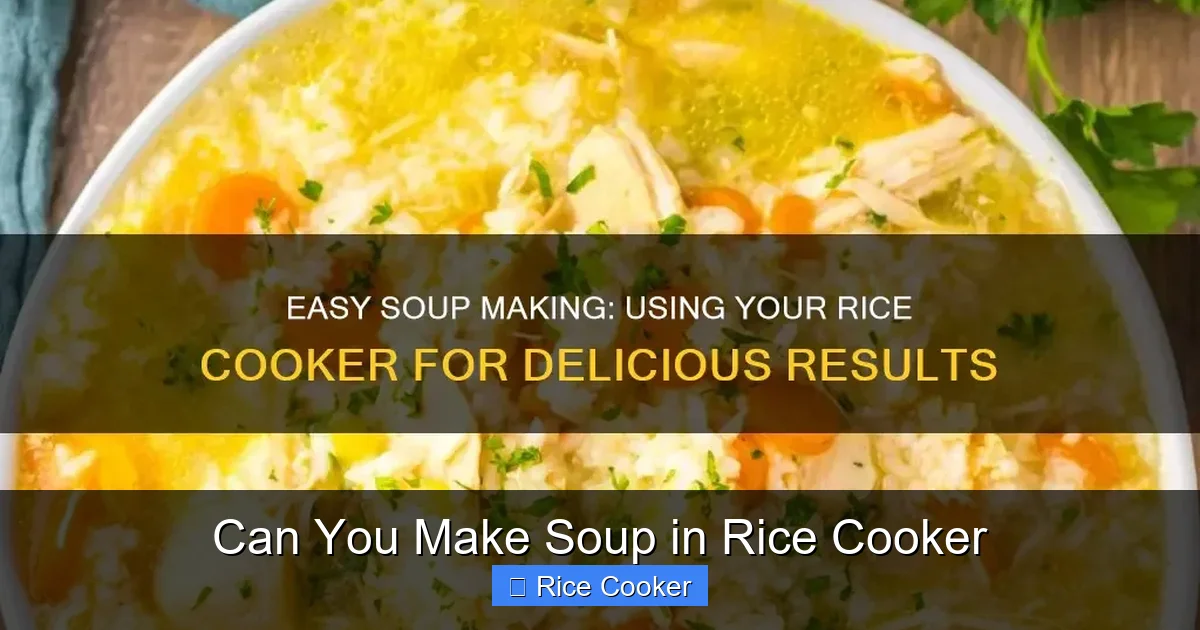
Making soup in a rice cooker is not only possible but also incredibly convenient. With the right ingredients and technique, you can enjoy warm, comforting bowls of soup without extra effort. This simple method saves time, energy, and cleanup—perfect for busy days or cozy evenings.
Key Takeaways
- Rice cookers are versatile appliances: Beyond cooking rice, they’re great for soups, stews, and even desserts.
- No constant stirring needed: Once ingredients are added, the rice cooker does most of the work automatically.
- Energy-efficient and safe: Rice cookers use less power than stovetop pots and shut off when done.
- Customizable recipes: From creamy tomato to hearty lentil soup, there’s a soup for every taste.
- Easy cleanup: Most parts are dishwasher-safe, making post-soup cleanup a breeze.
- Perfect for meal prep: Make large batches and store them for quick, healthy meals.
- Suitable for various diets: Easily adapt recipes to be vegetarian, vegan, gluten-free, or low-carb.
📑 Table of Contents
- Can You Make Soup in Rice Cooker? Absolutely — and It’s Easier Than You Think
- Why Use a Rice Cooker for Soup?
- Choosing the Right Rice Cooker for Soup
- Essential Tips for Making Soup in a Rice Cooker
- Easy Soup Recipes You Can Make in a Rice Cooker
- Troubleshooting Common Issues
- Health Benefits of Rice Cooker Soups
- Environmental Impact and Sustainability
- Creative Variations and Experimentation
- Conclusion: Your New Kitchen Superpower
Can You Make Soup in Rice Cooker? Absolutely — and It’s Easier Than You Think
Imagine this: it’s a chilly evening, you’re craving something warm and nourishing, but you don’t want to stand over a hot stove for an hour. Or maybe you’re out of rice and need a quick dinner fix. Enter the humble rice cooker — your new best friend in the kitchen. Yes, you read that right. You can absolutely make soup in a rice cooker, and it’s simpler than you might imagine. In fact, many people don’t realize just how versatile these little machines are. Whether you’re a college student, a busy parent, or someone who just loves good food with minimal effort, learning how to make soup in a rice cooker can change your life (or at least your dinner routine).
Most modern rice cookers come with multiple settings — basic white rice, brown rice, steam, slow cook, and even soup modes. But even if yours doesn’t have a dedicated soup setting, you can still whip up a delicious pot of soup with just water, broth, and your favorite ingredients. No special equipment required. No constant babysitting. Just toss everything in, press a button, and let science do the rest. In this guide, we’ll walk you through everything you need to know about making soup in a rice cooker — from choosing the right cooker to crafting flavorful, restaurant-quality soups at home.
Why Use a Rice Cooker for Soup?
The Convenience Factor
If you’ve ever made soup on the stovetop, you know it usually involves chopping vegetables, sautéing aromatics, adding liquids, and then waiting patiently while it simmers — all while keeping an eye on the pot to prevent boiling over or burning. With a rice cooker, you skip the messy stove and the guesswork. Everything goes into the inner pot, you set the timer, and walk away. The rice cooker handles the rest, often switching to a “warm” mode once the soup is done. That means one less thing to clean up and one less thing to worry about.

Visual guide about Can You Make Soup in Rice Cooker
Image source: metrocookingdallas.com
Energy Efficiency
Rice cookers use significantly less electricity than stovetops, especially induction or gas burners. They’re designed to retain heat efficiently, so your soup cooks evenly without wasting energy. Plus, since they’re sealed (except for the lid), less moisture escapes during cooking — meaning your soup stays richer and more flavorful.
Consistency Every Time
One of the biggest perks of using a rice cooker is consistency. Unlike the stovetop, where temperature fluctuations can lead to uneven cooking or scorching, the rice cooker maintains a steady internal temperature. This ensures your soup cooks evenly from start to finish, no matter what you’re making.
Great for Meal Prep
Love meal prepping? A rice cooker is perfect for making big batches of soup. You can cook a large pot on Sunday and have ready-to-eat meals throughout the week. Just portion it out into containers and refrigerate or freeze for later. When you’re ready to eat, reheating takes only minutes — and the soup often tastes just as fresh as when it was first made.
Safe and Hands-Off
For those with kids, pets, or a hectic schedule, safety is key. Rice cookers are designed to shut off automatically when the liquid is absorbed or the soup reaches boiling point. There’s no open flame or hot surface to worry about, making them ideal for homes with curious children or limited kitchen supervision.
Choosing the Right Rice Cooker for Soup
Basic vs. Advanced Models
Not all rice cookers are created equal when it comes to making soup. Basic models with just a white rice setting may work for simple broths, but for full-fledged soups with vegetables, meats, and grains, you’ll want something more capable. Look for models with a “Soup” or “Slow Cook” setting, or at least one that allows for longer cooking times. Multi-function rice cookers (like those from Zojirushi, Instant Pot Duo Crisp, or Cuckoo) are excellent because they combine steaming, slow cooking, and pressure cooking in one appliance.
Visual guide about Can You Make Soup in Rice Cooker
Image source: ricearray.org
Capacity Matters
Think about how much soup you typically eat. A 3-cup rice cooker is fine for individual servings or small families, but if you’re feeding more than two people, go for a 6-cup or larger model. Larger pots allow room for ingredients to move around freely, ensuring even cooking.
Non-Stick Inner Pot
A non-stick inner pot makes cleanup a breeze and prevents food from sticking — especially important when cooking starchy ingredients like rice or potatoes in your soup. It also makes stirring easier if you choose to do so during cooking.
Lid and Ventilation Features
Some rice cookers have vented lids that allow steam to escape, which is helpful when making thicker soups or those with lots of vegetables. Others have sealed lids to trap moisture. Choose based on your preference — but keep in mind that sealed lids can lead to more intense flavors due to steam recirculation.
Timer and Delay Start
If you like to wake up to a warm bowl of soup, look for a model with a programmable timer. You can add ingredients before bedtime, set the cooker to start in the morning, and wake up to a hot meal. This feature is especially useful for soups that benefit from long, slow cooking, like bone broth or chili.
Essential Tips for Making Soup in a Rice Cooker
Start with a Good Base
Just like on the stovetop, flavor starts with the base. For most soups, this means sautéing onions, garlic, carrots, and celery in a bit of oil or butter before adding liquid. While you can skip this step in a rice cooker (many recipes call for it), doing so adds depth and richness. If your rice cooker has a “saute” or “keep warm” setting, you can use it to lightly brown aromatics before switching to soup mode.
Use Enough Liquid
The rice cooker needs enough liquid to cook properly. As a general rule, use at least 3–4 cups of liquid per cup of grain or legumes. For soups without grains, 3 cups of liquid should be sufficient for a single serving. Too little liquid, and your soup might turn into a thick stew too quickly; too much, and it could take forever to reduce.
Cut Ingredients Evenly
Chopping vegetables into uniform pieces ensures they cook evenly. Large chunks might stay undercooked, while tiny bits could break down completely and cloud your soup. Aim for 1-inch pieces for most vegetables.
Don’t Overfill
Never fill your rice cooker beyond the max line — usually marked on the inner pot. Overfilling can cause overflow, damage the heating element, or prevent proper cooking. Leave at least 1/3 empty space for expansion.
Add Delicate Ingredients Late
Leafy greens, spinach, or herbs should be added in the last few minutes of cooking. These ingredients lose their color and nutrients quickly and can become bitter if cooked too long. You can stir them in after the soup finishes, or let the residual heat cook them gently.
Stir Gently (If Needed)
While most rice cooker soups don’t require stirring, some — like those with rice or pasta — might benefit from a quick mix halfway through to prevent sticking. Use a silicone spatula or wooden spoon to avoid scratching the non-stick surface.
Season at the End
Salt, pepper, and other seasonings are best added toward the end of cooking. This preserves the brightness of flavors and prevents the soup from becoming overly salty. Taste and adjust before serving.
Easy Soup Recipes You Can Make in a Rice Cooker
Classic Chicken Noodle Soup
This timeless comfort food gets a modern twist in the rice cooker. Brown chicken breasts or thighs, onions, carrots, celery, garlic, and a bay leaf in a bit of oil. Add chicken broth, diced tomatoes, and egg noodles. Set to cook for 45 minutes on the “White Rice” or “Soup” setting. Shred the chicken, stir well, and serve with fresh parsley.
Creamy Tomato Basil Soup
Perfect for spring or summer, this smooth soup requires canned tomatoes, onion, garlic, vegetable broth, heavy cream, and fresh basil. Simmer until the tomatoes break down, then blend until silky. Season with salt, pepper, and a pinch of sugar to balance acidity. Garnish with a drizzle of olive oil and extra basil.
Lentil Vegetable Soup
A protein-packed, fiber-rich option that’s both vegan and gluten-free. Combine red lentils, diced tomatoes, onion, carrots, celery, garlic, cumin, and thyme. Add vegetable broth and water. Cook for 30–40 minutes until lentils are tender. Stir in spinach or kale in the last 5 minutes for extra nutrients.
Beef and Barley Stew
For meat lovers, this hearty stew is a winner. Sear beef cubes (if your cooker has a sauté function), then add onion, garlic, mushrooms, barley, and beef broth. Cook for 45–60 minutes until the barley is soft and the beef is fork-tender. Serve with crusty bread.
Thai Coconut Curry Soup
Bring bold flavors to your kitchen with this aromatic soup. Sauté onion and garlic, then add red curry paste, coconut milk, vegetable broth, bell peppers, and tofu or chicken. Simmer for 25 minutes, then stir in lime juice, cilantro, and a squeeze of lime. Serve over jasmine rice for a complete meal.
Miso Ramen (Instant Version)
Want ramen without boiling water? Try this version. Combine miso paste, dashi stock, soy sauce, green onions, and cubed tofu in the rice cooker. Add cooked ramen noodles in the last 3 minutes. Top with soft-boiled egg and nori for an authentic touch.
Troubleshooting Common Issues
My Soup Is Too Thin
If your soup is runny, it might be because you used too much liquid or didn’t cook it long enough. Try simmering the soup uncovered on the “Keep Warm” setting for 10–15 minutes to reduce and thicken. Alternatively, mix in a slurry of cornstarch and water (1 tbsp cornstarch + 2 tbsp cold water) and stir in to thicken quickly.
My Soup Is Too Thick
Conversely, if your soup is too thick, simply add more broth or water — 1/4 cup at a time — and stir. The rice cooker will help distribute the liquid evenly.
Food Sticking to the Bottom
This usually happens when there’s not enough liquid or the pot wasn’t preheated properly. Always use the minimum recommended liquid, and consider deglazing the bottom with a splash of broth if needed. A light coating of oil or butter at the start can also prevent sticking.
My Rice Cooker Won’t Turn On
Check that it’s plugged in securely and the inner pot is properly seated. Sometimes the cooker won’t start if the pot isn’t aligned correctly. Also, ensure the lid is closed tightly — many models have a safety switch that prevents operation unless the lid is locked.
My Soup Tastes Bland
Flavor is built over time. Try adding umami-rich ingredients like soy sauce, fish sauce, mushrooms, or nutritional yeast. Herbs, spices, and a splash of vinegar or citrus at the end can brighten up dull flavors.
My Rice Cooker Smells After Making Soup
This is normal, especially after cooking strong-smelling foods like onions or fish. To freshen it, run the inner pot through a cycle with 1 cup of water and a few drops of dish soap. Let it sit for 10 minutes, then rinse thoroughly. Alternatively, boil a pot of water with lemon slices and cinnamon stick to deodorize the interior.
Health Benefits of Rice Cooker Soups
Making soup in a rice cooker isn’t just convenient — it’s also a smart choice for your health. Soups are naturally hydrating, packed with vitamins and minerals from vegetables, and often lower in calories than fried or heavy dishes. Because you’re using minimal oil and no frying, you get the benefits of whole ingredients without excess fat. Plus, the slow cooking process helps break down fibers, making nutrients more easily digestible.
Many soups made in rice cookers are rich in antioxidants, thanks to colorful veggies like carrots, tomatoes, and leafy greens. They’re also excellent sources of plant-based protein (like lentils and beans) and complex carbohydrates (from grains like barley or quinoa). And since you’re likely eating less salt and sugar than in processed versions, homemade rice cooker soups support heart health and weight management.
Another bonus? You’re more likely to eat soup regularly when it’s easy to make. That means better hydration, improved digestion, and a stronger immune system — all thanks to that warm, soothing bowl of goodness.
Environmental Impact and Sustainability
Using a rice cooker instead of the stove reduces energy consumption and carbon emissions. According to energy experts, electric rice cookers use about half the power of gas stoves for similar tasks. Plus, making soup at home means less packaging waste from canned or pre-made soups. By buying whole ingredients and cooking in bulk, you save money and reduce your environmental footprint.
Reusable containers for storing leftovers cut down on single-use plastics. And since rice cookers last for years with proper care, they’re a sustainable investment in your kitchen. Many models are also repairable and upgradable, unlike single-use appliances.
Creative Variations and Experimentation
The beauty of making soup in a rice cooker is its flexibility. Want to make a spicy Mexican tortilla soup? Add corn, black beans, avocado, and lime. Craving Indian flavors? Try a dal (lentil) soup with turmeric, cumin, and coconut milk. Even dessert soups like pumpkin or sweet potato are possible — just swap savory for sweet and add cinnamon, maple syrup, and whipped cream on top.
You can also layer textures by adding ingredients at different times. Cook hardy vegetables first, then add delicate ones near the end. Try mixing grains like quinoa, farro, or wild rice for extra chew and nutrition. And don’t forget about bones! Slow-cooking chicken or beef bones in the rice cooker (with broth and vinegar) yields rich, gelatinous bone broth — perfect for soups, sipping, or adding to sauces.
Conclusion: Your New Kitchen Superpower
So, can you make soup in a rice cooker? The answer is a resounding yes — and it might just revolutionize how you cook. With minimal effort, maximum flavor, and the peace of mind that comes with automated cooking, rice cooker soups are a game-changer for anyone looking to eat healthier, save time, and simplify meal prep. Whether you’re a beginner cook or a seasoned chef, this technique opens up a world of possibilities in the kitchen.
From creamy broccoli cheddar to spicy Thai curries, the rice cooker proves that great food doesn’t require fancy gadgets or hours in the kitchen. It’s all about using what you have, embracing convenience, and letting your creativity shine. So next time you’re craving soup, skip the cans and the stove — grab your rice cooker, toss in your favorite ingredients, and press “start.” Before you know it, you’ll be enjoying restaurant-quality soup made in minutes, with zero stress.
Ready to give it a try? Start with a simple tomato basil soup or chicken noodle recipe. Once you see how easy it is, you’ll wonder why you waited so long.
Frequently Asked Questions
Can you make soup in any rice cooker?
Yes, but models with a “Soup” or “Slow Cook” setting will give better results. Even basic models can make simple broths and stews, though they may lack advanced features like timers or precise temperature control.
How long does it take to make soup in a rice cooker?
It depends on the recipe, but most soups take 30–60 minutes. Grains like rice or barley may need up to 90 minutes. The rice cooker will switch to “Warm” mode when done, so no need to monitor constantly.
Do I need to stir the soup while it cooks?
Not usually. Most rice cooker soups cook evenly without stirring. However, if your soup has grains or tends to stick, a quick stir halfway through can help prevent scorching.
Can I make soup in a rice cooker without a soup setting?
Absolutely. Just use the “White Rice” or “Cook” setting and follow standard soup-making ratios. The rice cooker will still cook the soup, though it may not have a dedicated simmer cycle.
Is soup made in a rice cooker as nutritious as stovetop soup?
Yes, especially if you use fresh ingredients and cook for the recommended time. The main difference is texture and browning, but nutrient retention is similar, especially for vitamins and minerals.
Can I freeze rice cooker soup?
Yes! Let the soup cool completely, then portion it into freezer-safe containers. It can last up to 3 months. Thaw overnight in the fridge and reheat on the “Warm” setting or in the microwave.