
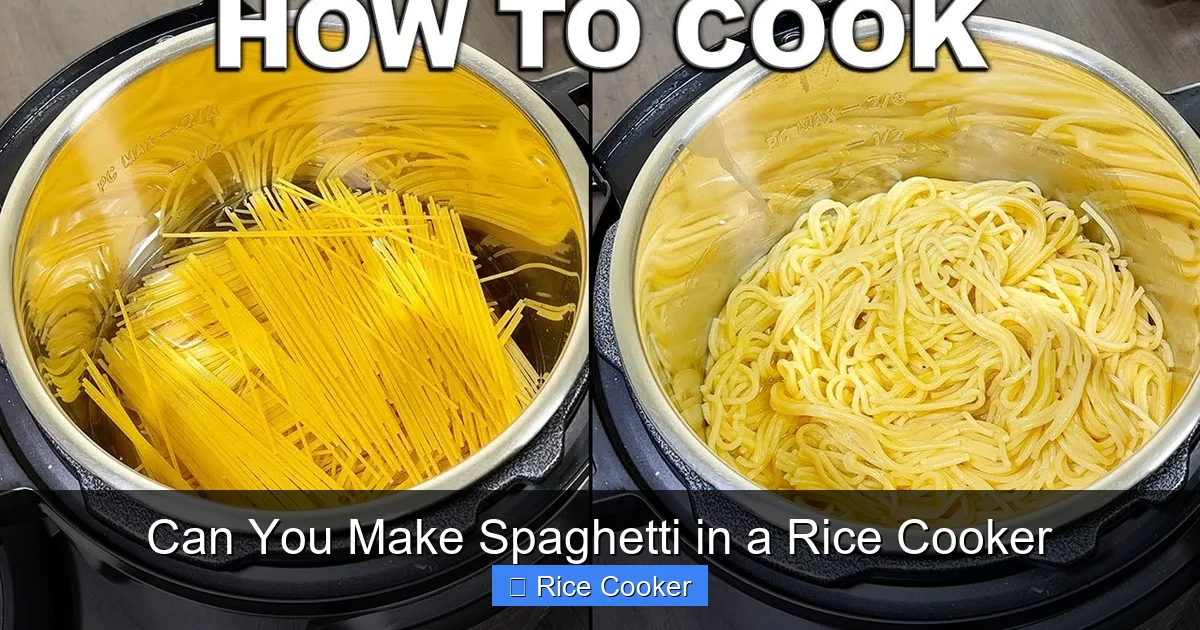
Making spaghetti in a rice cooker is not only possible but surprisingly simple. With the right technique and ingredients, you can achieve al dente noodles with minimal effort. This innovative cooking method saves time, reduces cleanup, and delivers consistent results every single time.
Key Takeaways
- Rice cookers can cook pasta: Contrary to popular belief, most modern rice cookers are fully capable of cooking spaghetti when used correctly.
- Proper water ratio is crucial: Use 3 parts water to 1 part pasta for optimal texture and prevent sticking.
- Pre-soaking helps: Soaking dried spaghetti for 20-30 minutes before cooking improves results significantly.
- Add sauce before cooking: Tossing in marinara or tomato-based sauces during cooking creates a one-pot meal.
- Timing matters: Most spaghetti takes 8-12 minutes in a rice cooker compared to traditional boiling methods.
- Cleaning is easier: One-pot cooking means less mess and faster cleanup than traditional pasta preparation.
- Experiment with flavors: Add herbs, garlic, olive oil, or cheese to enhance flavor without additional cooking steps.
📑 Table of Contents
- Can You Make Spaghetti in a Rice Cooker? Absolutely!
- The Science Behind Cooking Pasta in a Rice Cooker
- Essential Equipment and Ingredients
- Step-by-Step Guide: Making Perfect Spaghetti
- Creative Variations and Flavor Enhancements
- Common Mistakes and How to Avoid Them
- Comparing Methods: Rice Cooker vs. Traditional Cooking
- Tips for Different Types of Rice Cookers
- Storage and Reheating Guidelines
- Safety Considerations
- Environmental Impact and Sustainability
- Final Thoughts and Encouragement
Can You Make Spaghetti in a Rice Cooker? Absolutely!
Have you ever found yourself standing over a pot of boiling water, stirring constantly to prevent spaghetti from sticking together? Or maybe you’re tired of the endless cleanup that comes with traditional pasta cooking? If so, you’re not alone. The age-old question on many home cooks’ minds is: can you actually make spaghetti in a rice cooker? The answer might surprise you—yes, you absolutely can!
Modern rice cookers have evolved far beyond their original purpose of just cooking rice. These versatile kitchen appliances now come equipped with multiple settings, programmable timers, and advanced technology that makes them perfect for more than just grains. When it comes to making spaghetti, a rice cooker offers several advantages: consistent temperature control, automated timing, and the ability to create delicious one-pot meals. Plus, who doesn’t love the convenience of minimal cleanup?
In this comprehensive guide, we’ll explore everything you need to know about making spaghetti in a rice cooker, from basic techniques to creative variations that will elevate your pasta game to new heights.
The Science Behind Cooking Pasta in a Rice Cooker
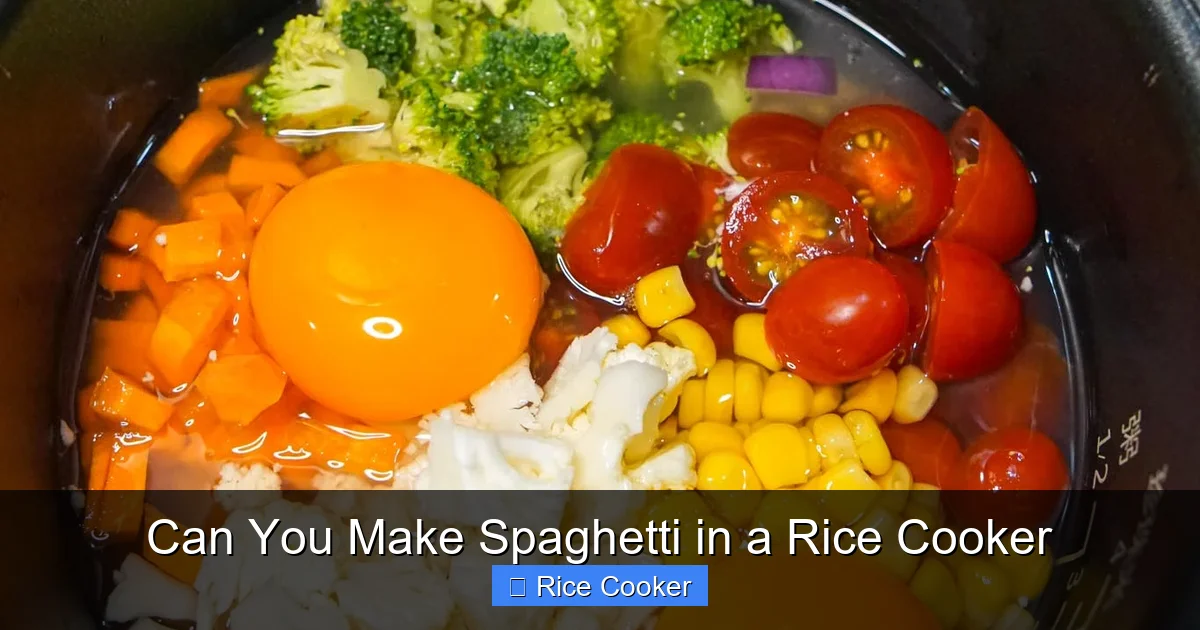
Visual guide about Can You Make Spaghetti in a Rice Cooker
Image source: nomadette.com
Before diving into the step-by-step process, let’s understand why this method works so well. Traditional pasta cooking requires constant attention—stirring frequently to prevent sticking and checking doneness regularly. A rice cooker eliminates these challenges by providing:
Consistent Heat Distribution: Unlike open pots where heat fluctuates at the surface, rice cookers maintain steady temperatures throughout the cooking process. This consistency ensures even cooking without hot spots that could burn your pasta.
Automated Timing: Most rice cookers automatically switch to “warm” mode after the cooking cycle completes, preventing overcooking—a common problem with traditional stovetop methods.
Moisture Control: Rice cookers create a sealed environment that helps maintain proper moisture levels, which is crucial for achieving that perfect al dente texture.
The key difference between cooking rice and pasta lies in the water-to-food ratio and cooking time. While rice typically uses equal parts water and grain, pasta requires significantly more liquid due to its starch content and expansion during cooking.
Essential Equipment and Ingredients
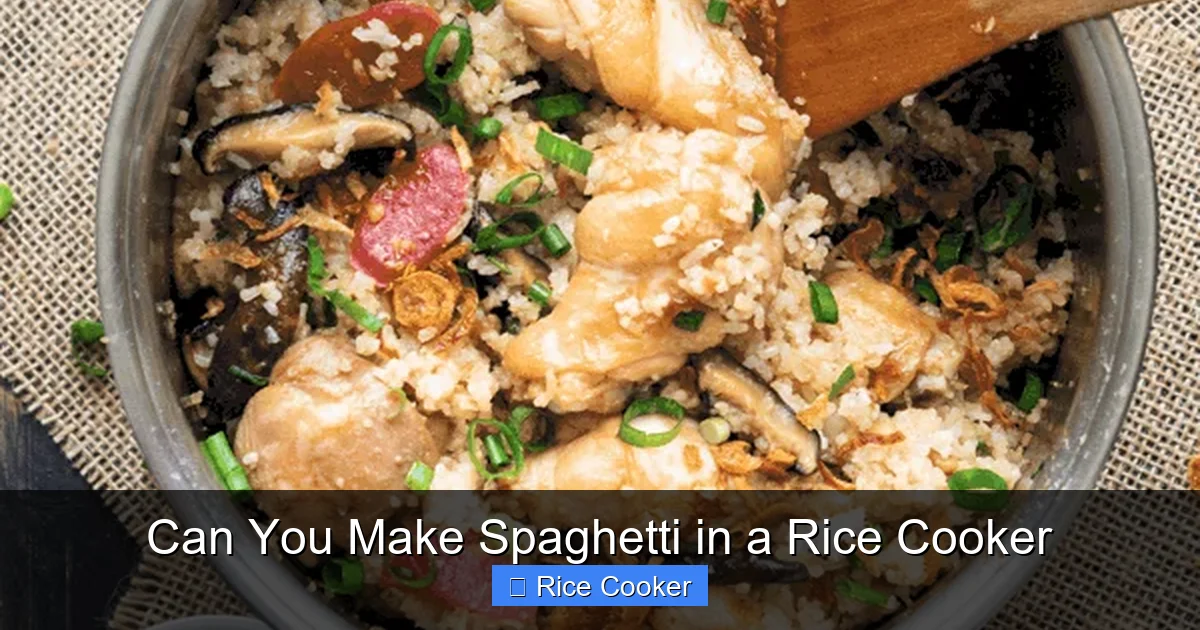
Visual guide about Can You Make Spaghetti in a Rice Cooker
Image source: wokandkin.com
To get started with making spaghetti in your rice cooker, you’ll need the following:
Basic Supplies
- A working rice cooker (preferably with multiple settings)
- Measuring cups and spoons
- A colander or strainer (for draining if needed)
- Wooden spoon or spatula
- Timer or phone stopwatch
Ingredient Checklist
- Dried spaghetti (or fresh if available)
- Water (filtered or tap)
- Salt (for flavor)
- Optional: olive oil, garlic, herbs, or pre-made sauce
For best results, choose high-quality dried spaghetti that’s specifically labeled as “spaghetti” rather than other long pasta shapes. Fresh pasta can also work but may require adjusted cooking times.
Step-by-Step Guide: Making Perfect Spaghetti
Now let’s walk through the complete process of creating delicious spaghetti using your rice cooker:
Preparation Phase
Start by gathering all your ingredients and measuring out the correct proportions. For every 1 cup of dry spaghetti, you’ll need approximately 3 cups of water. This ratio ensures the pasta has enough liquid to cook through without becoming too soft or sticking together.
If you’re using pre-made sauce, set it aside for later addition. Fresh herbs like basil or oregano should be added during the final minutes of cooking to preserve their delicate flavors.
Cooking Process
Begin by placing the measured spaghetti in the inner pot of your rice cooker. Pour in the water and add a generous pinch of salt—about 1 tablespoon per quart of water works well. If you prefer, you can add a splash of olive oil (about 1 teaspoon) to help prevent sticking.
Close the lid and select the appropriate setting. Most rice cookers have a “white rice” or “pasta” setting, but if yours doesn’t, simply use the regular “cook” function. Set your timer for 10 minutes initially—this gives you a baseline to adjust based on your specific pasta brand and desired doneness.
Monitoring and Adjustments
After the first 5 minutes of cooking, check the progress by gently pushing a piece of spaghetti against the side of the pot. It should offer slight resistance but not be hard or crunchy. If it seems undercooked, you can add another minute and continue monitoring.
Remember that different brands of spaghetti may require slightly different cooking times. Italian imports often cook faster than American brands due to differences in milling and processing.
Finishing Touches
Once your spaghetti reaches the desired texture, carefully open the rice cooker. At this point, you have several options:
Option 1: Drain excess water and toss with your favorite sauce immediately. This works especially well with oil-based sauces that coat the noodles effectively.
Option 2: Leave some liquid in the pot and add sauce directly to the rice cooker. Stir everything together until thoroughly combined.
Option 3: For a creamier dish, add a small amount of pasta water (the starchy cooking liquid) to help emulsify sauces and create a silky texture.
Creative Variations and Flavor Enhancements
One of the greatest advantages of cooking spaghetti in a rice cooker is the ability to experiment with different flavors and textures. Here are several creative approaches you can try:
One-Pot Marinara Masterpiece
Instead of cooking sauce separately, combine it directly with your spaghetti in the rice cooker. Start with 1 pound of dried spaghetti and 4 cups of water. Add 2 tablespoons of olive oil, 3 minced garlic cloves, and your favorite jarred marinara sauce. Cook for 12 minutes, then stir well before serving. Top with fresh basil and grated Parmesan for restaurant-quality results.
Garlic Herb Infusion
For a fragrant, aromatic dish, add flavor directly to the cooking process. Before adding water, toss in 2-3 crushed garlic cloves, 1 teaspoon dried oregano, and 1/2 teaspoon red pepper flakes. After cooking, stir in 1/4 cup of chopped fresh parsley and a drizzle of high-quality olive oil. This creates a complex, layered flavor profile that rivals any Italian restaurant.
Baked Lasagna Alternative
Transform your spaghetti into a lasagna-style dish by layering ingredients in the rice cooker. Alternate layers of cooked spaghetti, ricotta cheese, mozzarella, and tomato sauce. Cover with foil and cook for an additional 5 minutes to melt the cheese. This creates a hearty, satisfying meal with minimal effort.
Protein-Packed Performance
Add lean protein to make your spaghetti meal more substantial. Before adding water, incorporate cooked chicken breast, ground turkey, or shrimp into the pot. Season with Italian herbs and cook alongside the pasta. This creates a complete protein source while maintaining the convenience of one-pot cooking.
Common Mistakes and How to Avoid Them
Even experienced cooks can run into issues when first attempting to make spaghetti in a rice cooker. Here are the most common problems and solutions:
Problem: Overcooked or Mushy Pasta
Cause: Insufficient water or extended cooking time
Solution: Always use the 3:1 water-to-pasta ratio and monitor closely during the last few minutes of cooking. Keep a backup bowl of cold water nearby to shock-cook overdone pasta and stop the cooking process instantly.
Problem: Sticky or Clumped Noodles
Cause: Insufficient stirring or inadequate water
Solution: Stir the mixture every 2-3 minutes during cooking. Consider adding a small amount of olive oil to the water to reduce sticking. Using fresh pasta instead of dried can also help prevent clumping.
Problem: Bitter or Unpleasant Taste
Cause: Too much salt or burnt garlic
Solution: Measure salt carefully—start with 1/2 teaspoon and taste before adding more. Add aromatics like garlic and herbs after the initial cooking phase to prevent burning.
Problem: Rice Cooker Doesn’t Switch to Warm Mode
Cause: Faulty sensor or incorrect settings
Solution: Ensure you’ve selected the appropriate cooking setting. Some older models may require manual switching to warm mode. Consult your user manual for troubleshooting tips.
Comparing Methods: Rice Cooker vs. Traditional Cooking
Let’s examine how cooking spaghetti in a rice cooker stacks up against traditional methods:
Time Efficiency
Traditional Method: 15-20 minutes (including boiling water, cooking pasta, and cleanup)
Rice Cooker Method: 12-15 minutes total
While both methods take similar amounts of active cooking time, the rice cooker approach saves significant time on setup and cleanup.
Energy Consumption
Rice cookers generally use less energy than stovetop cooking since they maintain steady temperatures without continuous flame. However, the exact difference depends on your stove type and rice cooker model.
Texture Quality
Many home cooks report that rice cooker-cooked pasta achieves better texture consistency because of the automated timing and consistent heat. The risk of overcooking is reduced compared to traditional methods where timing can vary based on stove temperature fluctuations.
Cleanup Effort
Traditional Method: Multiple pots, pans, and utensils to wash
Rice Cooker Method: Only one pot to clean
This single biggest advantage makes rice cooker pasta ideal for busy weeknights or when hosting guests.
Tips for Different Types of Rice Cookers
Not all rice cookers are created equal, and some models require slight adjustments:
Basic Rice Cookers
These simpler models typically only have one or two settings. For best results, manually set a timer and monitor the cooking progress. They work well for plain spaghetti but may struggle with complex recipes requiring precise timing.
Programmable Rice Cookers
With multiple settings like “pasta,” “soup,” or “slow cook,” these models offer greater flexibility. Select the closest matching setting and adjust cooking time accordingly. Many modern models also have keep-warm functions that help maintain perfect serving temperature.
Multi-Function Pressure Cookers
These powerful appliances can handle spaghetti with ease. Use the pasta setting if available, or follow the same basic principles as with standard rice cookers. Be cautious with pressure settings—pasta should be cooked on low to medium pressure only.
Smart Rice Cookers
Equipped with sensors and AI technology, these advanced models can automatically detect doneness and adjust cooking parameters. They’re excellent for beginners who want foolproof results without constant monitoring.
Storage and Reheating Guidelines
Leftover spaghetti cooked in a rice cooker can be stored and reheated properly with these tips:
Immediate Storage
Allow cooked spaghetti to cool completely before refrigerating. Store in an airtight container for up to 4 days. If using with sauce, ensure the mixture has cooled to room temperature first to prevent bacterial growth.
Freezing Options
For longer storage, freeze portions in freezer-safe containers for up to 2 months. Label containers with dates and contents for easy identification. When ready to eat, thaw overnight in the refrigerator before reheating.
Reheating Techniques
In the Rice Cooker: Place frozen or refrigerated spaghetti in the rice cooker with a small amount of water or broth. Select the “warm” setting and heat for 10-15 minutes, stirring occasionally.
Microwave Method: Transfer to microwave-safe dish, add a splash of water, cover, and heat in 30-second intervals until warmed through.
Stovetop Revival: Combine with a bit of olive oil in a pan over medium heat, stirring frequently until heated through.
Safety Considerations
While cooking spaghetti in a rice cooker is generally safe, always follow these precautions:
- Never leave the rice cooker unattended during operation
- Ensure the inner pot is properly seated before closing the lid
- Avoid overfilling—most rice cookers have maximum capacity markings
- Use oven mitts or pot holders when handling the hot inner pot
- Keep children away from the hot appliance during operation
Environmental Impact and Sustainability
Choosing to cook spaghetti in a rice cooker isn’t just convenient—it can also be more environmentally friendly than traditional methods:
- Reduced water usage due to efficient cooking processes
- Lower energy consumption compared to stovetop cooking
- Minimal packaging waste since you can use the same pot for cooking and serving
- Ability to cook smaller batches exactly what you need, reducing food waste
By adopting this cooking method, you’re not only saving time but also contributing to more sustainable kitchen practices.
Final Thoughts and Encouragement
Making spaghetti in a rice cooker represents more than just a cooking technique—it’s a mindset shift toward efficiency, convenience, and creativity in the kitchen. Whether you’re a busy parent, a college student, or someone simply looking to simplify mealtime, this method offers practical benefits without sacrificing quality.
Don’t be intimidated by the learning curve. Like any new skill, mastering rice cooker spaghetti takes practice, but the payoff is substantial. Start with the basic recipe and gradually experiment with flavors, ingredients, and techniques as you gain confidence.
Remember, cooking should be enjoyable, not stressful. By embracing tools like the rice cooker, you’re giving yourself permission to focus on what truly matters—creating nourishing meals that bring people together.
So go ahead, grab your rice cooker, and give it a try tonight. Your future self will thank you for the convenience, and your family will appreciate the delicious results. Happy cooking!
Frequently Asked Questions
How long does it take to cook spaghetti in a rice cooker?
Most spaghetti takes 8-12 minutes to cook in a rice cooker, depending on the brand and desired texture. Start checking around the 8-minute mark for best results. Fresh pasta typically requires less time than dried varieties.
Can I add sauce while cooking spaghetti in a rice cooker?
Yes, you can add sauce directly to the rice cooker during cooking. For best results, add tomato-based sauces during the last 3-4 minutes of cooking time. Oil-based sauces work well when added after the pasta is cooked.
Do I need to pre-soak the spaghetti?
While not required, pre-soaking dried spaghetti for 20-30 minutes can improve results by reducing cooking time and preventing sticking. Simply cover the pasta with warm water and let sit while preparing other ingredients.
What’s the best water-to-pasta ratio for rice cooker cooking?
The ideal ratio is 3 parts water to 1 part pasta by volume. For example, use 3 cups of water for every 1 cup of dry spaghetti. This ensures adequate liquid for proper cooking without excessive runoff.
Can I cook other pasta shapes in a rice cooker besides spaghetti?
Absolutely! Most long pasta shapes like linguine, fettuccine, and angel hair work well in a rice cooker using the same basic principles. Shorter shapes like penne or rigatoni may require adjusted ratios to prevent sticking.
Why did my spaghetti stick together when cooked in the rice cooker?
Sticking usually occurs when there’s insufficient water or inadequate stirring. Try increasing your water ratio slightly, adding a splash of olive oil to the water, or stirring more frequently during cooking. Using fresh pasta can also help prevent clumping.