
Making yellow rice in a rice cooker is simple, fast, and delivers restaurant-quality results. All you need are basic ingredients like rice, turmeric, and broth, plus your trusty appliance. This method ensures perfectly cooked grains every time, with rich flavor and a beautiful golden hue.
Key Takeaways
- Yes, it’s possible: A rice cooker can easily prepare yellow rice with the right ingredients and technique.
- Turmeric is key: This spice gives yellow rice its signature color and earthy flavor.
- Use liquid-based cooking: Yellow rice requires a liquid (broth or water) that matches the rice cooker’s standard ratio.
- Add flavor gradually: Incorporate onions, garlic, and seasonings before adding rice and liquid.
- Let it rest: Allowing the rice to sit after cooking helps absorb flavors and improves texture.
- Customize freely: Add peas, carrots, or protein for a complete meal.
- Clean-up is easy: Most rice cookers have non-stick pots that make cleaning a breeze.
Quick Answers to Common Questions
Can I use fresh turmeric instead of ground?
Yes, but you’ll need to grate about 1–2 inches of fresh turmeric root. It adds more intense flavor, so reduce the amount slightly and adjust to taste. Note that fresh turmeric is harder to find and can be messy to handle.
How do I prevent yellow rice from being too yellow or bitter?
Use only 1–2 teaspoons of turmeric per cup of rice. Mix it well with warm liquid before adding to rice, and balance flavors with salt or a squeeze of lemon. Overdoing turmeric leads to bitterness and overly strong color.
Can I make yellow rice without a rice cooker?
Absolutely! Simmer rice in a pot with broth, turmeric, and aromatics on the stove. Cover and cook on low heat for 18–20 minutes, then let it rest. A rice cooker just makes it easier and more hands-off.
Is yellow rice gluten-free?
Yes, as long as you use gluten-free broth and avoid any packaged seasonings containing wheat or barley. Natural ingredients like rice, turmeric, and vegetables are inherently gluten-free.
How do I reheat leftover yellow rice?
Place it in a microwave-safe dish, add a splash of water or broth, cover, and heat in 30-second intervals. Stir between bursts to distribute moisture. Alternatively, warm it in a saucepan over low heat with a lid on.
📑 Table of Contents
- Can You Make Yellow Rice in a Rice Cooker?
- The Magic of Turmeric in Yellow Rice
- Choosing the Right Rice for Yellow Rice
- Essential Ingredients and Tools
- Step-by-Step Guide: Making Yellow Rice in a Rice Cooker
- Tips for Perfect Yellow Rice Every Time
- Creative Variations to Try
- Troubleshooting Common Issues
- Health Benefits of Yellow Rice
- Conclusion: Why Your Rice Cooker Is Your New Best Friend
Can You Make Yellow Rice in a Rice Cooker?
Have you ever stared at your rice cooker wondering if it could do more than just plain white rice? The answer is a resounding yes—especially when it comes to making yellow rice. This vibrant, aromatic dish isn’t just for special occasions; it’s a flavorful, nutritious staple in many cuisines, from Spanish paella to Middle Eastern pilafs. And guess what? Your rice cooker can handle it all with minimal effort.
Yellow rice gets its stunning golden hue from turmeric, a spice packed with antioxidants and a warm, slightly bitter flavor. When combined with rice, onions, garlic, and sometimes vegetables or chicken, it transforms into a satisfying side dish or even a main course. Best of all, using a rice cooker takes the guesswork out of timing and temperature. No more watching the stove or worrying about burning the bottom. Just add your ingredients, press a button, and let science do the rest.
In this guide, we’ll walk through everything you need to know about making yellow rice in a rice cooker—from choosing the right rice type to customizing the recipe. Whether you’re a beginner or a seasoned cook, you’ll find tips, tricks, and creative ideas to elevate your yellow rice game. Ready to turn your kitchen into a flavor lab? Let’s get started!
The Magic of Turmeric in Yellow Rice
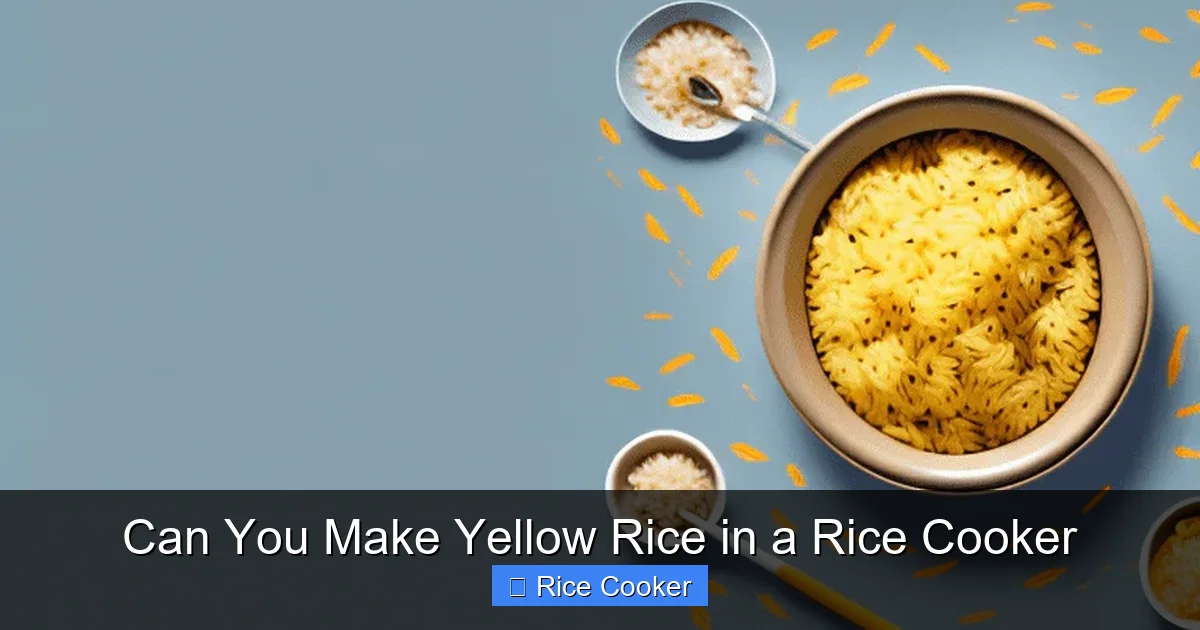
At the heart of every great bowl of yellow rice is turmeric. This bright orange root has been used for centuries in Ayurvedic medicine and traditional cooking for its anti-inflammatory properties and bold taste. But beyond health benefits, turmeric is what gives yellow rice its unmistakable color and aromatic depth.
Visual guide about Can You Make Yellow Rice in a Rice Cooker
Image source: ricearray.org
Why Turmeric Works So Well
Turmeric contains curcumin, a compound responsible for both the spice’s color and many of its health perks. When heated in liquid—like broth or water—the turmeric releases its pigments evenly throughout the rice. This creates a uniform golden color without streaks or patches. Plus, the heat mellows the spice’s bitterness, leaving behind a subtle earthiness that pairs beautifully with savory ingredients.
For best results, use ground turmeric rather than fresh root. Fresh turmeric is harder to find and requires peeling and grating, which adds extra steps. Ground turmeric is shelf-stable, easy to measure, and consistent in potency. Just one to two teaspoons per cup of rice usually does the trick.
Balancing Flavor and Color
While turmeric is essential, too much can overpower your dish or leave a lingering bitterness. The secret is balance. Combine turmeric with other aromatics like sautéed onions, garlic, and a pinch of salt to round out the flavor. Some recipes also include a splash of lemon juice or vinegar at the end to brighten the dish and cut through the richness.
Another tip: soak your turmeric in a little warm liquid for 5–10 minutes before adding it to the rice. This helps dissolve the powder and distributes the color more evenly. Think of it as prepping your paint before brushing on canvas—same idea, different medium!
Choosing the Right Rice for Yellow Rice
Not all rices are created equal when it comes to making yellow rice. The type you choose affects texture, absorption, and overall mouthfeel. For most rice cooker yellow rice recipes, long-grain varieties work best because they stay separate and fluffy after cooking. But let’s break down your options so you can pick the perfect grain.
Visual guide about Can You Make Yellow Rice in a Rice Cooker
Image source: iheartvegetables.com
Long-Grain White Rice
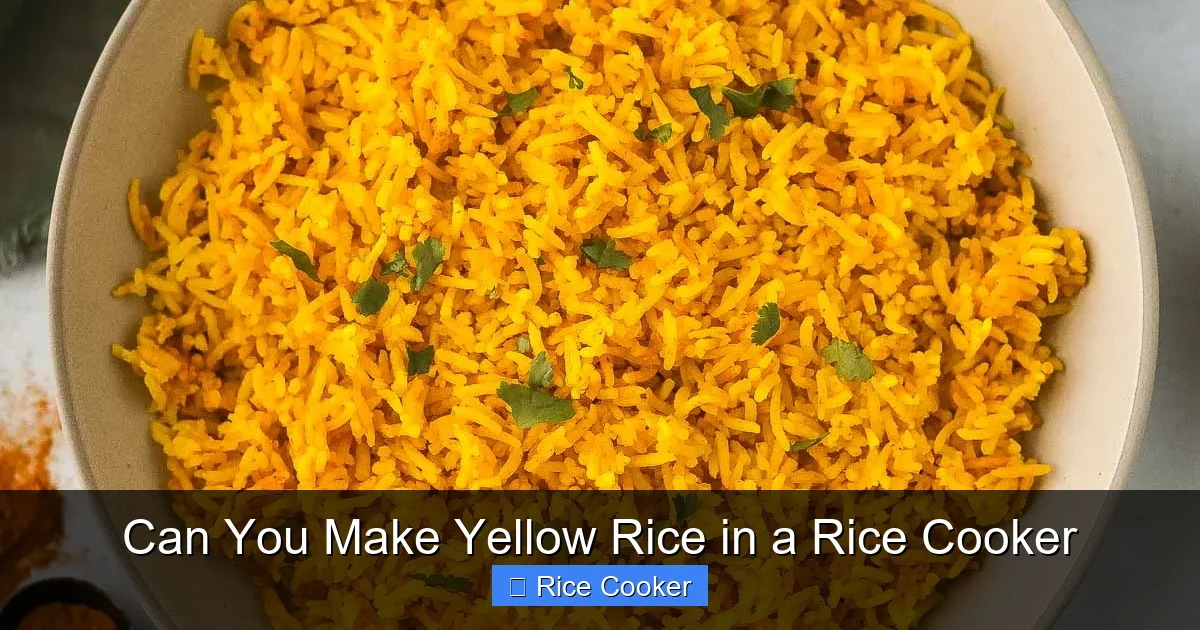
This is the classic choice for yellow rice. Varieties like Jasmine or Basmati are popular because they’re light, fragrant, and hold up well to spices. They don’t become sticky like short-grain rice, making them ideal for mixing with vegetables or serving alongside grilled meats.
When using long-grain rice, stick to a 1:1.5 to 1:2 ratio of rice to liquid (water or broth). This ensures the grains cook evenly without becoming mushy. Long-grain rice also absorbs flavors slowly and steadily, which helps turmeric blend in naturally.
Brown Rice Option
If you’re aiming for a healthier twist, consider brown rice. It’s higher in fiber and nutrients, and its nutty flavor complements turmeric nicely. However, brown rice takes longer to cook—usually around 45–50 minutes—and needs a bit more liquid (about 1:1.75 ratio).
Keep in mind that brown rice tends to be denser, so adjust your cooking time accordingly. Some rice cookers have a “brown rice” setting that uses lower heat and longer cycles. If yours doesn’t, just extend the cook time by 10–15 minutes and keep an eye on it.
Cooking Short-Grain Rice
Short-grain rice, like sushi or arborio, sticks together more due to higher starch content. While you can technically make yellow rice with it, the result may be clumpy rather than fluffy. That said, if you prefer creamy textures (like in risotto), go for it—but expect a different consistency than traditional yellow rice.
Essential Ingredients and Tools
You don’t need a fancy setup to make delicious yellow rice in a rice cooker. In fact, most of the tools you already own will do the job. Here’s what you’ll need to gather before you start.
Core Ingredients
- Rice: 1 cup (uncooked) of your preferred variety.
- Liquid: Either water or broth (vegetable, chicken, or beef—your choice!). Broth adds extra flavor.
- Turmeric: 1–2 teaspoons (adjust to taste and desired intensity).
- Onion: One small diced onion for sweetness and aroma.
- Garlic: 2–3 cloves minced or pressed.
- Salt: To taste (about ½ teaspoon per cup of rice).
- Optional additions: Peas, carrots, raisins, or cooked chicken for extra texture and nutrition.
Tools You’ll Use
- Standard rice cooker: Any model with a non-stick inner pot works fine.
- Knife and cutting board: For chopping veggies.
- Measuring cups and spoons: Accuracy matters for perfect ratios.
- Spatula or wooden spoon: For stirring (optional, but helpful during prep).
Pro Tip: Prep Like a Pro
Before turning on your rice cooker, take 5 minutes to prep everything. Chop onions, mince garlic, and measure out spices. This “mise en place” routine ensures smooth cooking and prevents last-minute scrambling. Trust me—it makes a difference!
Step-by-Step Guide: Making Yellow Rice in a Rice Cooker
Now that you’ve got your ingredients and mindset ready, let’s dive into the actual process. Follow these steps closely, and you’ll have golden, flavorful yellow rice in under 30 minutes.
Step 1: Sauté Aromatics (Optional but Recommended)
Most rice cookers don’t have a sauté function, but you can still mimic it using a skillet or even the inner pot if it’s oven-safe. Heat a tablespoon of oil in a pan over medium heat. Add diced onion and cook until soft and translucent (about 3–4 minutes). Stir in minced garlic and cook for another minute until fragrant. Remove from heat and set aside.
If your rice cooker has a sauté mode, skip the stovetop and do this step inside the pot instead. Just make sure not to burn the garlic.
Step 2: Add Turmeric and Rice
Once your aromatics are ready, transfer them back into the rice cooker pot (or add directly if starting cold). Now sprinkle in the turmeric and stir to coat the onions and rice. This step ensures even color distribution and prevents clumping.
Add your measured rice and give it a quick mix. Don’t worry if it looks pale at first—the magic happens when you add hot liquid!
Step 3: Pour in Liquid and Season
Measure your liquid (water or broth) and pour it into the pot. Add salt and any optional ingredients like peas or carrots. Stir gently to combine everything.
For example, here’s a basic recipe:
- 1 cup long-grain white rice
- 1½ cups vegetable or chicken broth
- 1 teaspoon turmeric
- ½ cup frozen peas (optional)
- ¼ teaspoon salt
Step 4: Start Cooking
Close the lid and select the “white rice” or “normal” setting. Most rice cookers automatically switch to warm mode once cooking is complete. Wait patiently—this usually takes 18–20 minutes for white rice.
Do not lift the lid during cooking! Steam builds pressure inside, and opening early can affect texture and timing.
Step 5: Let It Rest
Once the cycle ends, let the rice sit covered for 5–10 minutes. This resting period allows steam to redistribute moisture evenly and helps flavors meld. Afterward, fluff the rice gently with a fork before serving.
Tips for Perfect Yellow Rice Every Time
Even with a foolproof recipe, small tweaks can make a big difference. Here are some pro tips to help you nail yellow rice consistently.
Adjust Turmeric Gradually
Start with 1 teaspoon of turmeric. Taste a small amount of uncooked rice mixture (yes, it’s safe!) or wait until the end to adjust. Too much turmeric can make the rice bitter, especially if you’re sensitive to strong flavors.
Use High-Quality Broth
Since yellow rice relies heavily on flavor, opt for low-sodium broth instead of water. Homemade stock is ideal, but store-bought works too—just avoid overly salty brands.
Avoid Overcrowding
Don’t pack too many extras like meat or beans into the pot. They can alter cooking time and texture. Instead, cook them separately and fold them in after the rice is done.
Fluff Without Damaging Grains
Use a gentle sawing motion with a fork when fluffing. Avoid vigorous stirring, which can mash the rice and ruin the fluffy texture.
Store Leftovers Properly
Cool yellow rice quickly and store in an airtight container in the fridge for up to 5 days. Reheat with a splash of water or broth to restore moisture.
Creative Variations to Try
Once you master the basics, the possibilities expand. Here are three exciting variations to try next time.
Spanish-Style Yellow Rice
Swap broth for tomato sauce and add olives and capers for a Mediterranean kick. Cook diced bell peppers and onions together for extra depth. Serve with grilled shrimp or chicken for a full meal.
Mexican-Inspired Golden Rice
Use corn, black beans, and a pinch of smoked paprika along with turmeric. Add lime juice at the end for tanginess. Top with avocado slices or cilantro.
Sweet & Savory Fusion
Mix in raisins, pineapple chunks, and a dash of cinnamon. This version balances sweet and salty—perfect with roasted turkey or ham.
Troubleshooting Common Issues
Sometimes things don’t go exactly as planned. Don’t panic—most issues have simple fixes.
Problem: Rice Is Too Dry
This usually means you didn’t use enough liquid or didn’t let it rest. Next time, increase the liquid by 1–2 tablespoons. Also, cover the pot tightly while resting to trap steam.
Problem: Rice Is Too Wet or Mushy
Too much liquid or overcooking causes this. Measure carefully and avoid opening the lid early. If it happens anyway, spread the rice on a baking sheet to dry slightly before reheating.
Problem: Uneven Color
If some grains look pale while others are dark yellow, it’s likely due to clumped turmeric. Always stir thoroughly after adding it. You can also dissolve turmeric in warm water first before mixing.
Problem: Bitter Taste
Overuse of turmeric leads to bitterness. Stick to 1–2 teaspoons per cup of rice. Balance it with salt, acid (lemon), or fat (oil) to round out flavors.
Health Benefits of Yellow Rice
Beyond being delicious, yellow rice offers several nutritional advantages—thanks largely to turmeric.
- Anti-inflammatory properties: Curcumin in turmeric helps reduce inflammation in the body.
- Rich in antioxidants: Helps combat oxidative stress linked to chronic diseases.
- Fiber boost: Especially true if you use brown rice instead of white.
- Easy to digest: Long-grain rice is gentle on the stomach compared to heavy starches.
Pairing yellow rice with lean proteins and colorful veggies turns it into a balanced, wholesome meal.
Conclusion: Why Your Rice Cooker Is Your New Best Friend
Making yellow rice in a rice cooker isn’t just convenient—it’s transformative. With just a few simple ingredients and your everyday appliance, you can create a dish that’s vibrant, aromatic, and deeply satisfying. No stirring required. No constant monitoring. Just set it and forget it (almost)!
Whether you’re feeding a family, preparing for a dinner party, or looking for a healthy weekday option, yellow rice fits the bill. And now you know how to make it perfectly every single time. So go ahead—grab that turmeric, fire up your rice cooker, and enjoy the golden glow of homemade flavor.
Frequently Asked Questions
===
How much turmeric should I use for yellow rice?
Use 1–2 teaspoons of ground turmeric per cup of uncooked rice. Adjust based on how intense you want the color and flavor to be. Always mix turmeric with warm liquid first for even distribution.
Can I make yellow rice with brown rice?
Yes! Brown rice works well and adds extra fiber. Just increase cooking time by 10–15 minutes and use slightly more liquid (about 1½ to 1¾ cups per cup of rice).
Why is my yellow rice tasting bitter?
Bitterness usually comes from too much turmeric. Reduce the amount next time and balance flavors with salt, lemon juice, or fat like olive oil to mellow the spice.
Can I add protein to yellow rice?
Absolutely! Chicken, shrimp, or beans can be added. Cook them separately if needed, then fold into the finished rice. Avoid raw meat in the rice cooker pot unless it has a steaming tray.
Does yellow rice keep well in the fridge?
Yes, properly stored yellow rice lasts 4–5 days in an airtight container. Reheat with a little water or broth to restore moisture and prevent drying out.
What’s the best rice type for yellow rice?
Long-grain white rice (like Jasmine or Basmati) is ideal because it stays fluffy and separates well. It also absorbs flavors nicely without becoming mushy.